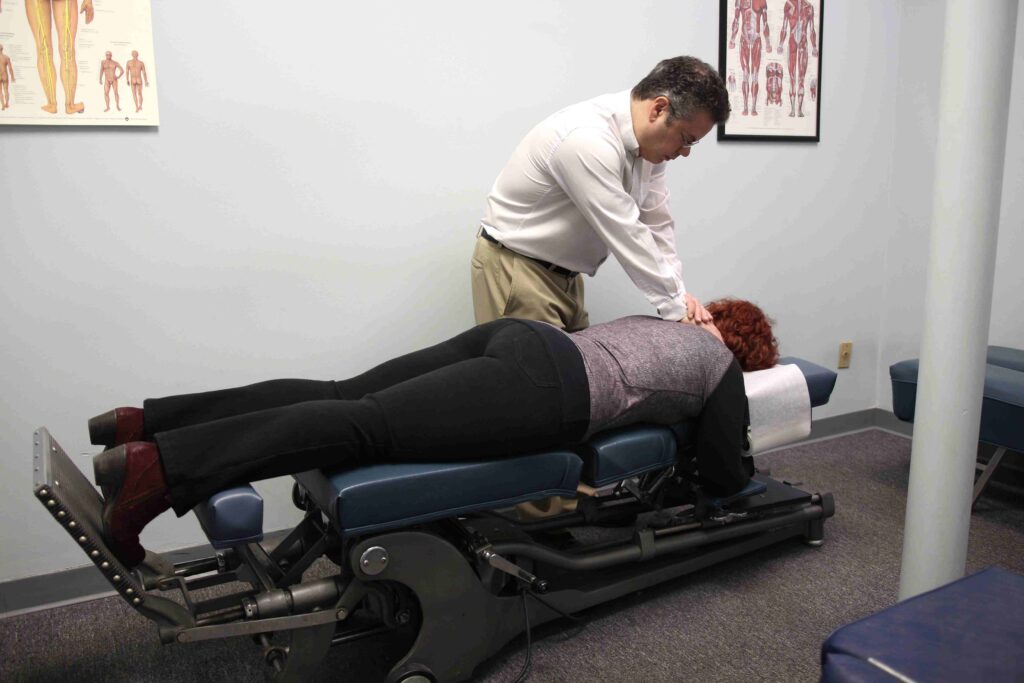

You know that feeling when stress seems to take over your life? It's not uncommon, but there are effective, non-invasive methods you can try to regain control. From simple deep breathing exercises to the calming effects of mindfulness meditation, these techniques can help you unwind without any drastic measures. Plus, incorporating physical activity and creative outlets adds another layer of relief. Curious about which methods might work best for you? Let's explore these options and find the right fit to help you manage stress more effectively.
Deep Breathing Exercises
Deep breathing exercises can be a powerful tool for stress relief, allowing you to regain control in moments of tension. When you feel overwhelmed, taking a few minutes to focus on your breath can shift your mindset and calm your body. You don't need any special equipment or a lot of time—just a quiet space where you can concentrate.
Start by finding a comfortable position, whether you're sitting or lying down. Close your eyes and take a slow, deep breath in through your nose. Feel your diaphragm expand as you fill your lungs completely. Hold that breath for a moment, and then exhale slowly through your mouth. Aim for a longer exhale than inhale, which helps to activate your body's relaxation response.
Repeat this process for five to ten minutes, allowing any distractions to drift away. You can also try counting your breaths. Inhale for a count of four, hold for a count of four, and exhale for a count of six. This rhythmic pattern can help stabilize your heart rate and reduce anxiety.
As you practice deep breathing, notice how your body begins to relax and your mind clears. Incorporating deep breathing exercises into your daily routine can empower you to manage stress more effectively.
Whether you take a few minutes in the morning or during a break at work, these exercises can help you feel more centered and calm throughout your day.
Mindfulness Meditation
Mindfulness meditation offers numerous benefits, like reducing stress and improving focus.
To get started, you can use simple techniques that fit easily into your routine.
Benefits of Mindfulness Meditation
Practicing mindfulness meditation can considerably enhance your overall well-being by promoting relaxation and reducing stress.
When you engage in mindfulness, you learn to focus your attention on the present moment, which can create a sense of calm and clarity. This mental shift can lead to numerous benefits that positively affect your daily life.
- Improved Emotional Regulation: You'll find it easier to manage your emotions and respond to stressors calmly, rather than reactively.
- Enhanced Concentration: Mindfulness meditation trains your brain to maintain focus, helping improve attention and productivity throughout your day.
- Decreased Anxiety: Regular practice can lower feelings of anxiety, allowing you to navigate life's challenges with greater ease.
Simple Techniques to Start
Starting your mindfulness meditation journey can be both simple and rewarding. To get started, find a quiet space where you won't be disturbed. Sit comfortably, either on a chair or cross-legged on the floor. Close your eyes and take a few deep breaths, inhaling through your nose and exhaling through your mouth. This helps you center your thoughts and prepare for meditation.
Next, focus on your breath. Notice the sensation of air filling your lungs and the gentle rise and fall of your chest. If your mind starts to wander, gently bring your attention back to your breath. You might count your breaths to help maintain focus—inhale for a count of four, hold for a count of four, and exhale for a count of four.
Start with just five minutes a day and gradually increase the duration. Consistency is key, so try to meditate at the same time each day. You can also explore guided meditations through apps or online videos for additional support.
Incorporating Mindfulness Into Daily Life
Integrating mindfulness into your daily routine can transform ordinary moments into opportunities for reflection and calm. By practicing mindfulness, you become more aware of your thoughts and feelings, allowing you to respond to stress in a healthier way.
You don't need to set aside hours for meditation; rather, you can weave mindfulness into your everyday activities.
Here are some easy ways to incorporate mindfulness:
- Mindful Breathing: Take a few moments throughout your day to focus solely on your breath. Inhale deeply, hold for a moment, and exhale slowly. This simple act can ground you and reduce anxiety.
- Mindful Eating: When you eat, really pay attention to your food. Notice the texture, flavor, and aroma. This practice not only enhances your enjoyment but also helps you become more attuned to your body's hunger signals.
- Mindful Walking: As you walk, be present in the moment. Feel the ground beneath your feet, notice the sounds around you, and observe the sights. This can turn a mundane task into a revitalizing experience.
Physical Activity
When you engage in physical activity, you tap into a powerful tool for reducing stress.
Whether it's a brisk walk, yoga, or a high-energy workout, each movement strengthens the mind-body connection.
Let's explore how different types of exercise can benefit your mental well-being.
Benefits of Exercise
Engaging in regular physical activity not only boosts your physical health but also plays an essential role in relieving stress and enhancing mental well-being. When you exercise, your body releases endorphins, often referred to as "feel-good" hormones. This natural chemical reaction helps to elevate your mood and can reduce feelings of anxiety.
Moreover, incorporating exercise into your routine can provide a sense of accomplishment and purpose, which further aids in stress relief.
Here are some benefits you'll experience from consistent physical activity:
- Improved sleep quality: Regular exercise can help you fall asleep faster and deepen your sleep, allowing your body to recover and recharge.
- Enhanced focus and concentration: Physical activity boosts blood flow to the brain, improving cognitive functions and helping you tackle daily challenges more effectively.
- Increased resilience to stress: The more you exercise, the more your body learns to handle stress, giving you the tools to manage life's ups and downs.
Types of Activities
After understanding how beneficial exercise can be for stress relief, it's important to explore the various types of physical activities you can incorporate into your routine. You don't have to hit the gym for hours to reap the benefits; there are plenty of enjoyable options.
Consider aerobic activities like jogging, cycling, or dancing. These get your heart pumping and release endorphins, which help improve your mood. If you prefer something gentler, walking or hiking in nature can also provide a calming effect while keeping you active.
Strength training is another great option. Lifting weights or using resistance bands not only builds muscle but can also boost your confidence and resilience against stress. You might also enjoy group sports or classes, which foster social connections and add a fun element to your fitness routine.
Don't forget about yoga and pilates; they combine physical activity with mindfulness, promoting relaxation and flexibility. Even simple stretches can help release tension.
Ultimately, find activities you love so you'll stay motivated and consistent. The key is to keep moving and make physical activity a regular part of your life for long-term stress relief.
Mind-Body Connection
There's a profound connection between your mind and body that can greatly impact how you manage stress. When you engage in physical activity, you're not just working your muscles; you're also enhancing your mental well-being. Regular movement helps release endorphins, which are natural mood lifters.
By incorporating physical activity into your routine, you can effectively reduce stress and improve your overall mental health.
Consider these benefits of the mind-body connection through physical activity:
- Improved Mood: Exercise helps combat anxiety and depression, making you feel more balanced and content.
- Enhanced Focus: Physical activity boosts cognitive function, allowing you to think more clearly and handle stressors better.
- Better Sleep: Regular exercise can lead to improved sleep quality, which is essential for stress management.
Incorporating activities like yoga, walking, or dancing not only gets your body moving but also promotes a sense of mindfulness. When you focus on your movements, you can quiet your mind and release pent-up tension.
Nature Walks
Stepping into nature can be a powerful antidote to stress. When you take a nature walk, you immerse yourself in an environment that promotes relaxation and mental clarity. The sights and sounds around you—rustling leaves, chirping birds, and gentle breezes—create a calming atmosphere that helps to quiet your mind.
As you walk, focus on your surroundings. Notice the colors of the flowers, the textures of the bark, and the patterns of the clouds. Engaging your senses in this way can ground you, pulling you away from the worries that often cloud your thoughts. With each step, you're not just exercising your body; you're also revitalizing your spirit.
Nature walks encourage mindfulness, allowing you to be present in the moment. It's a time to disconnect from technology and everyday distractions. You might even find that your creativity sparks as you explore new paths and environments.
The rhythmic movement of walking combined with the beauty of nature can lead to a meditative state, helping you to release tension and anxiety.
To maximize the benefits, try to walk in a natural setting, whether it's a park, forest, or along a beach. Aim for at least 30 minutes to fully experience the invigorating effects.
Aromatherapy
Aromatherapy can be a soothing avenue for stress relief, harnessing the power of essential oils to calm your mind and uplift your spirit. By inhaling these fragrant oils, you can trigger your brain's limbic system, which plays a key role in regulating emotions.
Whether you're feeling overwhelmed at work or struggling to unwind at home, incorporating aromatherapy into your routine can make a significant difference.
To get started, you don't need to be an expert. Here are a few easy ways to incorporate aromatherapy into your daily life:
- Diffusion: Use an essential oil diffuser to disperse your favorite scents throughout your space. Lavender, chamomile, and bergamot are excellent choices for relaxation.
- Topical Application: Dilute essential oils with a carrier oil and apply them to pulse points, like your wrists or neck. This method allows for a more personal and intimate experience with the oils.
- Bathing Ritual: Add a few drops of essential oil to your bath for a calming soak. Eucalyptus or sandalwood can help soothe aching muscles while promoting relaxation.
Journaling
Journaling offers a powerful way to process your thoughts and emotions, helping you to relieve stress and gain clarity. By putting pen to paper, you create a safe space to explore your feelings, thoughts, and experiences. This practice not only allows you to articulate what's on your mind but also helps you understand patterns in your emotions.
When you write, you can confront stressful situations and reflect on how they impact you. It's a chance to vent frustrations or celebrate victories, big or small. You don't need to worry about grammar or structure; just let your thoughts flow freely. This unfiltered expression can be a cathartic release, unburdening your mind and reducing anxiety.
Set aside a few minutes each day to create this habit. You might jot down what happened during your day, your goals, or even a list of things you're grateful for. The act of writing itself can be therapeutic, allowing you to slow down and focus on the present moment.
Consider using prompts if you're unsure where to start. Questions like "What's weighing on my mind?" or "What am I thankful for today?" can guide your writing.
As you develop this routine, you'll likely find that journaling not only alleviates stress but also enhances your self-awareness. Embrace this simple yet effective tool, and you'll discover the profound impact it can have on your overall well-being.
Yoga and Stretching
Finding ways to relieve stress can take many forms, and yoga and stretching are excellent options that complement journaling's reflective nature. Incorporating these practices into your routine can help you find balance and tranquility.
Both yoga and stretching focus on body awareness, breathing, and mindfulness, allowing you to tune into your physical sensations and emotions, which is crucial for managing stress effectively.
When you engage in yoga, you're not just practicing poses; you're also cultivating a sense of inner peace and focus. Stretching, on the other hand, helps release built-up tension in your muscles, promoting relaxation and enhancing your overall well-being.
Here are a few benefits you can experience by incorporating yoga and stretching into your life:
- Improved Flexibility: Regular practice loosens tight muscles and increases your flexibility, which can help reduce physical discomfort.
- Enhanced Mind-Body Connection: Focusing on your breath and movements can deepen your awareness of stress triggers, enabling you to respond more efficiently.
- Lowered Anxiety Levels: The calming nature of yoga and stretching can greatly reduce anxiety, allowing you to approach challenges with a clearer mindset.
Music Therapy
Music therapy offers a unique way to relieve stress and enhance your well-being.
By incorporating various techniques, you can tap into the powerful benefits of music to soothe your mind and uplift your spirit.
Let's explore how you can easily integrate music therapy into your daily routine.
Benefits of Music Therapy
Sound waves can have a profound impact on your mental well-being, and music therapy harnesses this power to relieve stress and promote healing.
By engaging with various musical elements, you can experience significant emotional and physical benefits. Music therapy isn't just about listening; it's an active participation that can lead to deeper connections with your feelings and a greater understanding of your stressors.
Here are some benefits you can expect from music therapy:
- Reduces Anxiety: The soothing nature of music can lower your anxiety levels, making it easier to cope with daily stressors.
- Enhances Mood: Engaging with music can elevate your mood, providing a natural boost that helps you face challenges more effectively.
- Improves Sleep Quality: Calming music can help you unwind, making it easier to fall asleep and stay asleep, consequently reducing overall stress.
Techniques for Practice
Engaging in music therapy techniques can be a transformative experience for your mental health. You don't need to be a musician to benefit from these practices. Start by selecting music that resonates with you; this could be soothing classical pieces or upbeat pop songs—whatever lifts your spirits.
Try actively listening to your chosen music. Find a quiet space, close your eyes, and focus on the melodies and rhythms. Notice how they make you feel, allowing your thoughts to drift while the music envelops you.
Another effective technique is to create your own music. You can use simple instruments like a keyboard or even your voice. Experiment with sounds and rhythms that express your emotions. This process can be incredibly cathartic.
You might also consider songwriting. Writing lyrics about your experiences or feelings can serve as a powerful emotional outlet.
Finally, consider participating in group music therapy sessions. Sharing your love for music with others can foster connection and reduce feelings of isolation.
Time Management Techniques
Effective time management techniques can drastically reduce stress and increase your overall productivity. When you manage your time well, you create space for what truly matters, allowing you to focus and accomplish tasks without the last-minute panic.
Here are some techniques you can implement to take control of your time and minimize stress:
- Prioritize tasks: Use the Eisenhower Matrix to categorize tasks into four quadrants: urgent and important, important but not urgent, urgent but not important, and neither. This helps you focus on what truly needs your attention.
- Set specific goals: Instead of vague objectives, set SMART goals—Specific, Measurable, Achievable, Relevant, and Time-bound. This clarity makes it easier to track your progress and stay motivated.
- Use time blocks: Dedicate specific blocks of time for different tasks or activities. By scheduling your day into chunks, you can concentrate on one thing at a time, reducing the likelihood of distractions and overwhelm.
Social Connections
Managing your time wisely not only frees up space for important tasks but also allows you to nurture your social connections, which are essential for your mental well-being. Building and maintaining relationships with friends, family, and colleagues can greatly reduce stress levels. When you surround yourself with supportive people, you create a buffer against life's challenges.
Make an effort to reach out to those you care about. A simple text or a phone call can go a long way in reinforcing those bonds. Schedule regular catch-ups, whether it's a coffee date or a virtual hangout, to keep the connection alive. Engaging in shared activities, like taking a class together or joining a sports team, can also deepen your ties and provide a fun distraction from stress.
Don't underestimate the power of small talk, either. Engaging with acquaintances or coworkers in a friendly manner can lighten your mood and foster a sense of community.
These interactions, while seemingly trivial, can enhance your social network and provide you with emotional support when you need it most.
Conclusion
Incorporating these non-invasive stress relief techniques into your daily routine can make a significant difference in how you feel. Whether it's taking a moment for deep breathing, enjoying a nature walk, or connecting with friends, each method offers valuable ways to manage stress. Remember, it's about finding what works best for you. Prioritize your well-being, and don't hesitate to explore these options to create a more balanced and fulfilling life. You deserve it!