
If you're dealing with back pain, you might be looking for solutions that don't involve surgery. Fortunately, there are several non-invasive options available that can help alleviate discomfort and improve your quality of life. From targeted physical therapy techniques to chiropractic adjustments, these approaches focus on enhancing your body's natural healing processes. You might also find relief through acupuncture or by making simple lifestyle modifications. Curious about how these methods work and which might be best for you? Let's explore the possibilities together.
Physical Therapy Techniques
Physical therapy techniques offer effective, non-invasive solutions for managing back pain. When you engage in physical therapy, you're not just treating the symptoms; you're addressing the underlying issues that contribute to your discomfort. A skilled physical therapist evaluates your condition and designs a personalized treatment plan tailored to your specific needs.
One of the key techniques involves targeted exercises aimed at strengthening your core muscles. By enhancing your core stability, you support your spine and reduce the strain on your back. These exercises can range from gentle stretches to more advanced movements, depending on your fitness level and pain severity.
Manual therapy is another valuable technique you might encounter. Your therapist may use hands-on methods to manipulate soft tissues and joints, which can relieve tension and improve mobility. This approach helps to break down scar tissue and increase blood flow, promoting healing in the affected areas.
Additionally, physical therapists often incorporate modalities like heat, ice, or electrical stimulation to alleviate pain and swelling. These methods can provide immediate relief and enhance the effectiveness of other therapeutic interventions.
Education plays an essential role in physical therapy, too. Your therapist will teach you proper body mechanics and posture, empowering you to make adjustments in daily activities that can prevent future injuries.
Chiropractic Adjustments
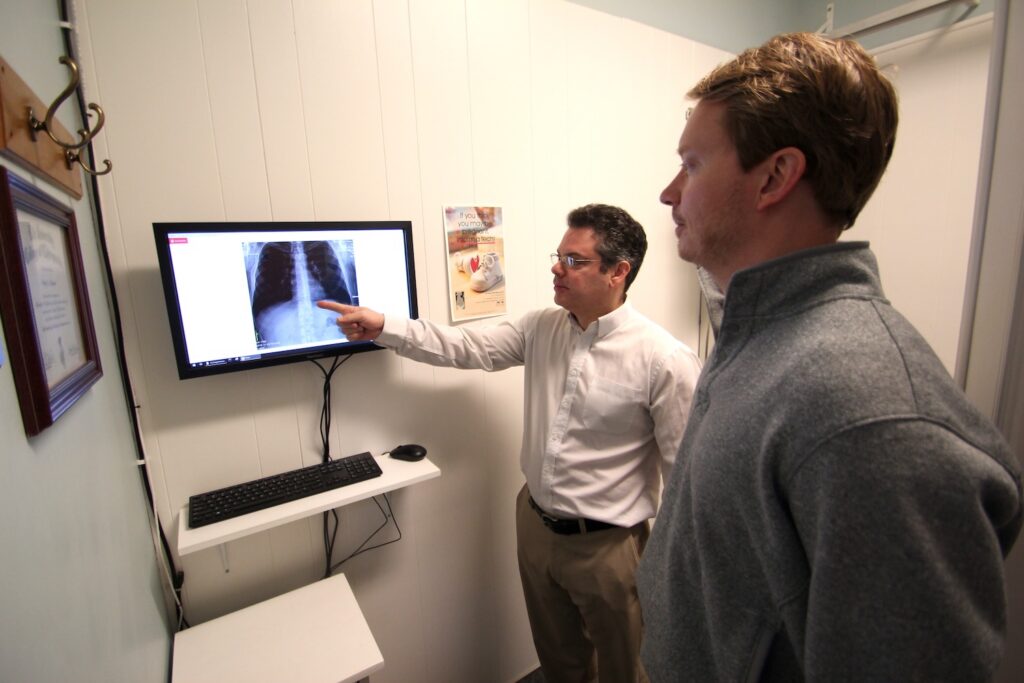
Chiropractic adjustments provide a hands-on approach to relieving back pain by realigning the spine and improving overall function. When you visit a chiropractor, they'll assess your posture, movement, and any areas of discomfort. With this information, they'll create a tailored treatment plan to address your specific needs.
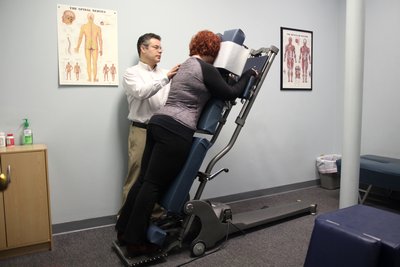
During an adjustment, the chiropractor uses controlled force to manipulate your spine and joints. This can help reduce pain, enhance mobility, and promote better alignment. You might feel immediate relief after an adjustment, and many people notice improved range of motion and reduced tension in their muscles.
Chiropractic care isn't just about immediate relief; it can also play an essential role in preventing future issues. Regular adjustments can help maintain proper spinal alignment, which may prevent recurring back pain.
Plus, chiropractors often provide guidance on exercises and lifestyle changes that can support your treatment and overall well-being.
It's important to remember that chiropractic adjustments are non-invasive, making them a safe option for many individuals. However, it's always best to discuss your specific situation with your chiropractor to guarantee this approach is right for you.
If you're struggling with back pain, consider booking an appointment to explore how chiropractic adjustments could help you find relief and improve your quality of life. By taking this proactive step, you're investing in your health and well-being.
Acupuncture Benefits
If you're seeking additional non-invasive relief for back pain, acupuncture might be a beneficial option to contemplate. This ancient practice involves inserting thin needles into specific points on your body, promoting natural healing and pain relief. Many people find acupuncture effective for managing back pain, and it offers several benefits that you might appreciate.
Here are some key advantages of acupuncture for back pain:
- Pain Relief: Acupuncture stimulates the release of endorphins, your body's natural painkillers, which can alleviate discomfort.
- Reduced Inflammation: The treatment helps improve blood circulation and reduce inflammation in the affected areas, promoting faster recovery.
- Enhanced Mobility: With decreased pain and inflammation, you may notice improved flexibility and mobility, allowing you to return to your daily activities more comfortably.
- Minimal Side Effects: Unlike some medications, acupuncture has very few side effects, making it a safer alternative for long-term pain management.
Acupuncture sessions typically last about 30 to 60 minutes, and many patients report feeling relaxed and rejuvenated afterward.
It's important to consult with a licensed acupuncturist who can tailor the treatment to your specific needs. By integrating acupuncture into your pain management plan, you might find a holistic approach that helps you regain control over your back pain, enhancing your overall well-being.
Mindfulness and Relaxation
Finding peace in the chaos of daily life can be a challenge, especially when dealing with back pain. Mindfulness and relaxation techniques can be powerful tools to help you manage discomfort and improve your overall well-being. By cultivating a present-moment awareness, you can shift your focus away from pain and stress, allowing your body and mind to relax.
Start by incorporating mindfulness practices into your daily routine. This could be as simple as taking a few moments to sit quietly and focus on your breath. Close your eyes, inhale deeply, and exhale slowly. Notice how your body feels with each breath, and acknowledge any tension without judgment. This practice can create a sense of calm and help you become more aware of your pain, allowing you to respond to it with greater compassion.
You might also explore relaxation techniques such as progressive muscle relaxation or guided imagery. In progressive muscle relaxation, you systematically tense and then release different muscle groups, helping you recognize areas of tension and promoting physical relaxation.
Guided imagery involves visualizing a peaceful scene or situation, which can distract your mind from pain and promote a sense of tranquility.
Incorporating these techniques into your life can foster resilience against back pain. By practicing mindfulness and relaxation, you're not just addressing the pain; you're also nurturing your mental health and emotional well-being.
Lifestyle Modifications
Making lifestyle modifications can considerably impact your back pain management. By making small, intentional changes to your daily routine, you can promote healing and reduce discomfort. Here are some key areas to focus on:
- Posture: Maintain proper posture while sitting, standing, and lifting. Good ergonomics can prevent strain on your back.
- Exercise: Incorporate regular physical activity into your routine. Strengthening your core muscles supports your spine and alleviates pressure.
- Nutrition: Eat a balanced diet rich in anti-inflammatory foods. Proper nutrition helps maintain a healthy weight, reducing stress on your back.
- Sleep: Prioritize restful sleep. Use a supportive mattress and pillow to align your spine correctly while you rest.
These modifications may seem simple, but they can lead to significant improvements in your back health. Start by evaluating your current habits and identifying areas for improvement.
For example, if you spend hours hunched over a computer, adjust your workstation to promote better posture. Dedicate time each week for low-impact exercises like swimming or yoga, which can help build strength and flexibility without stressing your back.
Additionally, staying hydrated and practicing mindfulness can further enhance your overall wellness.
Conclusion
Incorporating non-invasive options for back pain can greatly enhance your recovery and comfort. By engaging in physical therapy, receiving chiropractic adjustments, exploring acupuncture, and practicing mindfulness, you can take control of your back health. Don't forget the importance of lifestyle modifications, like maintaining good posture and staying active. These approaches not only alleviate pain but also promote overall well-being. Embrace these methods, and you'll be on your way to a healthier, pain-free life.