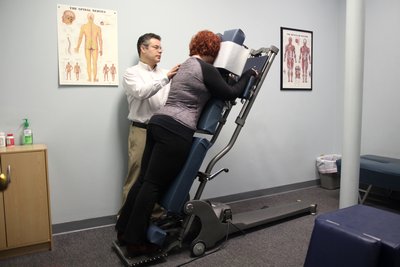

Cervical discomfort can be a persistent issue that negatively impacts your daily life, making even simple movements painful or tense. As a local chiropractor, I want to share some effective natural remedies that can help alleviate this discomfort and promote better cervical health. While there are various options available, chiropractic care stands out as the best choice for achieving optimal health and wellness.
Chiropractic adjustments focus on realigning the spine, which can relieve tension in the neck and improve overall mobility. Regular visits to your chiropractor can help address the root cause of cervical discomfort, rather than just masking the symptoms. This approach not only provides immediate relief but also supports long-term health and well-being.
In addition to chiropractic care, there are several natural remedies that can complement your treatment and enhance your recovery. Here are a few easy tips you can incorporate into your daily routine:
- Gentle Stretching: Incorporate simple neck stretches into your day. Gently tilting your head side to side and forward can help release built-up tension.
- Heat Therapy: Applying a warm compress or heating pad to your neck can provide soothing relief and help relax tense muscles.
- Essential Oils: Consider using essential oils like lavender or peppermint, which can be massaged into the neck area or diffused to promote relaxation.
- Yoga Practices: Engaging in gentle yoga can improve flexibility and strength in the neck and upper back, reducing discomfort over time.
- Good Posture: Be mindful of your posture throughout the day. Keeping your head aligned over your spine can significantly reduce strain on your neck.
By integrating these natural remedies with regular chiropractic care, you can take proactive steps towards relieving cervical discomfort and fostering overall wellness. Remember, your chiropractor is your partner in achieving optimal health, so don’t hesitate to reach out for personalized advice and treatment. Together, we can work towards a pain-free lifestyle!
Key Takeaways
- Heat Therapy: Applying a heating pad or warm towel to your neck for 15-20 minutes can work wonders. This simple practice helps to relax tight muscles and boosts blood flow, making a world of difference in your comfort levels.
- Cold Therapy: If you’re dealing with inflammation or discomfort, try using a cold pack wrapped in a towel for 15-20 minutes. This can help numb the area and reduce swelling, giving you some much-needed relief.
- Essential Oils: For a soothing experience, gently massage your neck with diluted essential oils like lavender, peppermint, or eucalyptus. These oils not only relieve tension but also promote relaxation, enhancing your overall sense of well-being.
- Herbal Remedies: Adding anti-inflammatory herbs like ginger, turmeric, and chamomile to your diet can be beneficial. These natural remedies are known for their calming properties and can help support your body’s healing processes.
- Yoga and Meditation: Incorporating yoga and meditation into your routine is a fantastic way to improve flexibility, reduce stress, and support spinal alignment. These practices not only enhance cervical health but also contribute to your overall wellness.
Remember, while these natural remedies can be helpful, regular chiropractic care is key for optimal health. A chiropractor can address underlying issues, provide personalized guidance, and help you achieve lasting pain relief and wellness. Making chiropractic care a part of your health journey ensures that you are taking proactive steps towards a healthier, more comfortable life.
Understanding Cervical Discomfort
Cervical discomfort can often feel like a persistent tension or sharp pain in your neck and shoulders, especially after long hours spent at a desk or during stressful moments. This discomfort can arise from muscle strain, improper sleeping positions, or even emotional stress.
It’s crucial to listen to your body and the signals it sends you. Ignoring these signals could potentially lead to more severe issues, such as chronic pain or limited mobility.
In addition to the discomfort in your neck, you might also notice stiffness or headaches, which can make daily activities feel more challenging. It’s essential to differentiate between occasional soreness and ongoing pain. If you find yourself frequently battling cervical discomfort, it may be time to consider chiropractic care.
Chiropractic adjustments can help realign your spine, relieve tension, and promote natural healing in your body. Regular chiropractic visits can empower you to take proactive steps toward relief and a healthier neck.
Here are some general tips to help manage cervical discomfort:
- Maintain Good Posture: Ensure that your workstation is ergonomically friendly. Keep your computer screen at eye level and sit with your back straight.
- Take Frequent Breaks: If you work at a desk, make it a habit to stand up, stretch, and move around every hour.
- Practice Stress Relief Techniques: Engage in relaxation techniques such as deep breathing, meditation, or yoga. These can help alleviate emotional stress that contributes to muscle tension.
- Sleep Smart: Use a supportive pillow that keeps your neck in a neutral position and avoid sleeping on your stomach.
- Stay Active: Regular physical activity can strengthen the muscles around your neck and improve overall flexibility.
By integrating these tips into your daily routine and seeking chiropractic care, you can take significant steps toward relieving cervical discomfort and enhancing your overall well-being.
The Role of Posture in Cervical Health
Maintaining proper posture is crucial for your cervical health, and as a local chiropractor, I want to emphasize how this simple practice can make a world of difference in your overall well-being.
When you sit or stand correctly, you significantly reduce the strain on your neck and spine. Poor posture, on the other hand, can lead to discomfort and even long-term issues. That’s why it’s essential to be mindful of your body alignment throughout the day.
Here are three important tips to help you achieve better cervical health:
- Align Your Ears with Your Shoulders: Make it a habit to keep your head directly over your shoulders. This simple alignment helps minimize neck strain and promotes a healthier spine.
- Use Ergonomic Furniture: Investing in a chair that provides proper support for your lower back is a game-changer. Choose furniture that encourages an upright posture, especially when working at a desk. This not only supports your cervical health but also enhances your productivity.
- Take Breaks: It’s vital to give your body a break! Regularly standing up and stretching can relieve tension and reset your posture. Incorporating short breaks into your routine keeps your muscles relaxed and helps maintain a healthy spine.
By focusing on these tips and considering chiropractic care, you can take proactive steps toward pain relief and natural wellness.
Chiropractic adjustments can help align your spine and improve your posture, leading to better cervical health and an overall enhanced quality of life.
Stretching Exercises for Relief
When you encounter discomfort in your cervical region, integrating stretching exercises into your daily routine can be a straightforward yet effective way to achieve relief.
As a chiropractor, I believe in the body’s natural ability to heal, and these stretches can support your overall spinal health.
Start your routine with neck tilts. Gently tilt your head to one side, holding for about 15 seconds, and then switch to the other side. This simple movement helps to release tension in your neck muscles and can be a great way to ease stiffness.
Next, incorporate neck rotations. Slowly turn your head to the right, hold for a few seconds, and then rotate to the left. Repeating this several times can improve your flexibility and mobility, which are essential for maintaining a healthy spine.
Shoulder shrugs are another excellent exercise to include. Raise your shoulders towards your ears, hold for a moment, and then relax them down. This movement can alleviate tightness that often results from stress and poor posture.
Finally, give the chin tuck a try. Pull your chin back towards your neck without tilting your head, and hold for about 5 seconds. This exercise strengthens your neck muscles and promotes better posture, which is crucial for spinal alignment.
Incorporating these stretches into your daily routine can significantly reduce discomfort and enhance your cervical health.
Remember, prioritizing your spine’s health through natural methods like chiropractic care can lead to long-lasting wellness and pain relief.
If you’re looking for a comprehensive approach to your cervical discomfort, consider scheduling a consultation to explore how chiropractic care can help you achieve optimal health.
Heat Therapy: Soothing the Pain
After incorporating those beneficial stretches into your routine, you may discover that heat therapy can significantly enhance your relief from cervical discomfort.
Heat therapy works by increasing blood flow and relaxing tight muscles, making it an excellent complement to your chiropractic care. Here are three effective heat therapy methods to consider for soothing your neck pain:
- Heating Pads: A microwaveable heating pad or an electric version can work wonders. Apply it to your neck for about 15-20 minutes. This simple step can help ease tension and promote relaxation.
- Warm Towels: Soak a towel in warm water, wring it out, and drape it around your neck. The localized warmth provides comfort and can help alleviate discomfort in the cervical region.
- Hot Showers: Standing under a warm shower allows the water to gently massage your neck and shoulders. The steam from the shower can also help relax your muscles, offering relief from tension.
Incorporating these heat therapy methods into your daily routine can significantly alleviate cervical discomfort, enhancing your overall comfort and well-being.
Cold Therapy: Reducing Inflammation
Cold therapy can be a powerful ally in your journey toward reducing inflammation and easing cervical discomfort. As a chiropractor, I believe in the body’s ability to heal itself naturally, and cold therapy is one effective method to support this process. By applying cold compresses or ice packs to the affected area, you can numb the pain and reduce swelling, making it a valuable addition to your wellness routine.
Let’s delve into the benefits of cold therapy and some practical techniques for applying it effectively.
Benefits of Cold Therapy
- Reduces Inflammation: Cold therapy constricts blood vessels, which can help decrease inflammation in the neck area, promoting quicker recovery.
- Alleviates Pain: The numbing effect of cold can provide immediate relief from discomfort, allowing you to pursue your daily activities with greater ease.
- Supports Natural Healing: By integrating cold therapy into your routine, you complement the natural healing processes of your body, which is a core principle of chiropractic care.
Effective Techniques for Application
- Cold Packs: Wrap a cold pack or a bag of frozen vegetables in a thin towel to avoid direct contact with the skin. Apply it to the affected area for 15-20 minutes. This can be done several times a day as needed.
- Ice Massage: Freeze water in a paper cup and peel back the top to expose the ice. Gently massage the ice over the painful area for 5-10 minutes. This can enhance blood flow while reducing pain.
- Cold Compresses: Soak a cloth in cold water, wring it out, and place it on your neck. This can be especially soothing if you need relief while resting.
General Tips
- Timing is Key: Use cold therapy in the first 48 hours after experiencing discomfort or injury to maximize its anti-inflammatory effects.
- Stay Consistent: Regular application can lead to improved outcomes. Incorporate cold therapy into your pain management routine alongside chiropractic adjustments.
- Listen to Your Body: If the cold causes excessive discomfort or if symptoms persist, consult with your chiropractor for a personalized approach to your care.
Remember, while cold therapy can provide significant relief, it’s most effective when combined with the holistic care that chiropractic offers. Regular adjustments can enhance your overall well-being, restore spinal alignment, and promote natural healing.
Embrace cold therapy as one tool in your wellness toolbox, and consider the benefits of chiropractic care for achieving optimal health and pain relief.
Benefits of Cold Therapy
If you’re experiencing cervical discomfort, cold therapy can be a great natural solution to help reduce inflammation and promote healing. As a chiropractor, I believe in the power of natural healing methods, and cold therapy is one of the simplest yet effective ways to support your recovery.
Here are three key benefits of incorporating cold therapy into your routine:
- Reduces Swelling: Cold therapy works by constricting blood vessels, which can significantly decrease swelling in the affected area. This is particularly helpful after an injury or when you’re feeling discomfort in your neck.
- Numbs Pain: Applying cold can help numb sharp pain, providing you with immediate relief. This allows you to go about your daily activities more comfortably without the nagging discomfort holding you back.
- Supports Healing: By reducing inflammation, cold therapy can help your body heal more efficiently. It’s a wonderful complement to chiropractic care, as both focus on restoring your body’s natural balance and promoting overall wellness.
To incorporate cold therapy into your routine, consider using an ice pack wrapped in a cloth and applying it to the affected area for 15-20 minutes at a time. You can do this several times a day as needed.
Remember, while cold therapy is beneficial, it’s also important to seek chiropractic care for a comprehensive approach to your spinal health and overall well-being.
Application Techniques Explained
Understanding the right application techniques for cold therapy can greatly enhance your journey toward relief from cervical discomfort, and it complements the benefits of chiropractic care.
To start, use a cold pack or ice wrapped in a towel to protect your skin from injury. Apply this cold source directly to the troubled area for 15-20 minutes, then allow your skin to warm up before applying it again. It’s important to keep the cold source in motion, gently shifting it around to cover the entire area effectively. You can repeat this process every hour as needed to help reduce inflammation.
If you’re using a commercial cold pack, be sure to follow the manufacturer’s instructions for optimal use. Always listen to your body; if you experience excessive discomfort, remove the cold source immediately.
While cold therapy is a simple and effective method for easing cervical pain, it’s essential to remember that chiropractic care addresses the root cause of pain and discomfort. Regular visits to a chiropractor can help ensure your spine is aligned and functioning properly, promoting overall wellness.
Incorporating these cold therapy techniques into your routine, along with chiropractic care, can lead to a more natural and holistic approach to pain relief and health.
Always prioritize self-care and consider chiropractic as a proactive step toward achieving and maintaining optimal health.
Essential Oils for Muscle Relaxation
When you’re experiencing muscle tension in your neck, it’s important to address the root cause of that discomfort. While essential oils can provide temporary relief, chiropractic care offers a comprehensive approach to achieving lasting wellness and pain relief.
Here are three essential oils that can complement your chiropractic treatment for muscle relaxation:
- Lavender Oil: Renowned for its calming properties, lavender can help reduce stress and tension. While this oil can be soothing, regular chiropractic adjustments can help address the underlying issues contributing to neck discomfort.
- Peppermint Oil: This oil has a cooling effect that may ease muscle soreness. However, it’s essential to remember that chiropractic care can help improve your overall muscle function and prevent future discomfort, making it a more effective long-term solution.
- Eucalyptus Oil: Known for promoting circulation and easing tight muscles, eucalyptus can be refreshing. Yet, chiropractic adjustments can enhance circulation and support your body’s natural ability to heal itself.
To incorporate these oils into your routine, you can dilute them with a carrier oil and gently massage them into your neck.
However, for optimal health and to address the root causes of your tension, consider regular visits to your chiropractor. They can provide personalized care to improve your spinal health, enhance mobility, and promote overall relaxation.
Remember, while essential oils can be a helpful addition to your self-care routine, chiropractic care remains the best choice for achieving long-term pain relief and wellness.
Prioritize your spine, and you’ll find that your overall health improves significantly.
Herbal Remedies to Consider
While essential oils can offer temporary relief, many people find that incorporating herbal remedies into their routine can provide additional support for cervical discomfort. These natural options can complement chiropractic care and help ease tension, promote relaxation, and enhance overall wellness. Here are some herbs to consider:
| Herb | Benefits | How to Use |
|---|---|---|
| Ginger | Known for its anti-inflammatory properties, ginger can help reduce discomfort. | Brew as a tea or add it to your meals for a flavorful boost. |
| Turmeric | This powerful herb can reduce pain and swelling, making it a great addition to your wellness routine. | Sprinkle it on your meals or consider taking it as a supplement. |
| Peppermint | Peppermint can relieve muscle tension, providing a soothing effect. | Enjoy it in tea or apply diluted peppermint oil to the affected area. |
| Chamomile | Chamomile is excellent for calming nerves and relaxing muscles, perfect for winding down after a long day. | Drink chamomile tea before bed to promote restful sleep. |
| Valerian Root | Known for its ability to promote restful sleep, valerian root can help you feel more rejuvenated. | Take it as a tincture or capsule, especially if you struggle with sleep. |
Consider these herbal options as part of your journey toward managing cervical discomfort. Remember, chiropractic care is a holistic approach that focuses on aligning the spine and improving overall health, so it pairs well with these natural remedies.
As always, it’s essential to consult with a healthcare professional before trying new remedies, especially if you have existing health concerns or are taking medication. Prioritizing spinal health through chiropractic care can lead to lasting relief and improved well-being.
The Benefits of Yoga and Meditation
Incorporating yoga and meditation into your daily routine can be a great way to support your spinal health and overall wellness. While these practices can help relieve tension and improve your mental clarity, they work best when combined with chiropractic care, which is designed to align your spine and promote natural healing.
Here are three key benefits of yoga and meditation that can complement your chiropractic treatments:
- Improved Flexibility: Regular yoga practice can enhance the flexibility of your neck and shoulder muscles. This flexibility helps to reduce stiffness and discomfort in the cervical area, making it easier for your chiropractor to perform adjustments and improve your spinal alignment.
- Stress Reduction: Meditation is a powerful tool for relaxation. By reducing stress, you can help decrease the tension that often builds up in your cervical region. This not only supports your overall well-being but can also enhance the effectiveness of your chiropractic care.
- Enhanced Posture: Many yoga poses are designed to promote better alignment. By practicing these poses, you can work on your posture, which is essential for reducing strain on your cervical spine. Improved posture makes it easier for your chiropractor to provide effective adjustments, helping you maintain a healthy spine.
In addition to these benefits, always remember that regular chiropractic care is key to achieving optimal health.
If you’re looking for tips to support your wellness journey, consider integrating gentle stretches into your routine, staying hydrated, and maintaining a balanced diet. Together with chiropractic adjustments, yoga and meditation can help you live a healthier, pain-free life.
Lifestyle Changes for Long-Term Relief
Making lifestyle changes can significantly enhance your long-term relief from cervical discomfort, and I’m here to guide you through this journey. One of the simplest yet most effective changes you can make is to improve your posture. Ensure that your workspace is ergonomically designed to support your spine and neck. Take regular breaks to stretch and reset your posture. This will help reduce strain and promote optimal spinal health.
In addition to posture, let’s talk about the importance of physical activity. Regular exercise is vital for strengthening your neck and back muscles, which in turn alleviates discomfort. Aim for at least 30 minutes of moderate exercise most days of the week; it doesn’t have to be intense—think brisk walking, yoga, or swimming!
Next on the list is your sleep habits. A supportive pillow is essential for keeping your neck aligned with your spine. Consider sleeping on your back or side, as these positions are better for spinal alignment compared to sleeping on your stomach.
Nutrition also plays a crucial role in your overall well-being. Incorporate anti-inflammatory foods into your diet, such as leafy greens, fatty fish, and nuts. These foods help reduce inflammation and support your body’s natural healing processes. Remember to limit processed foods and sugars, and stay hydrated to keep your body functioning optimally.
Finally, managing stress is key to maintaining a healthy lifestyle and supporting your spine. Simple techniques like deep breathing, journaling, or spending time outdoors can make a big difference.
By implementing these lifestyle changes and considering chiropractic care as a vital component of your wellness routine, you’ll be taking significant steps toward achieving optimal health and lasting relief from discomfort.
Conclusion
Incorporating natural remedies into your daily routine can significantly enhance your cervical health, and as a chiropractor, I want to emphasize the importance of a holistic approach to wellness. Good posture is essential; it supports your spine and can help prevent discomfort. Practicing regular stretching exercises is also key, as they can increase flexibility and reduce tension in the neck and shoulders.
Heat or cold therapy can be great for managing discomfort. Applying a warm compress can relax tight muscles, while a cold pack can reduce inflammation. Additionally, consider the benefits of essential oils and herbal remedies, which can provide soothing relief. Techniques like yoga and meditation not only promote relaxation but also foster a deeper connection with your body, which is vital for overall wellness.
Remember, these lifestyle changes, when combined with regular chiropractic care, can lead to significant improvements in your cervical health. Chiropractic adjustments can help realign your spine, relieving pressure on nerves and reducing pain. By focusing on these natural methods, you’re not just addressing your current discomfort but also paving the way for long-term relief and optimal health. Embrace these strategies, and you may find yourself feeling better every day!