
Chronic back pain can be incredibly frustrating, and as your local chiropractor, I want to help you understand that it often arises from a variety of factors you may not even realize. Issues like poor posture, a sedentary lifestyle, and muscle strains are just the beginning. As we delve deeper into the root causes of your discomfort, we’ll discover how degenerative conditions and underlying medical issues can also significantly contribute to your pain.
It’s important to recognize that many of these factors are interconnected. For instance, prolonged sitting can lead to poor posture, which in turn strains your muscles and spine. By understanding these elements, we can work together to formulate a plan that not only addresses your pain but also promotes overall back health. Through chiropractic care and natural healing techniques, we can help restore your body’s balance and support your journey towards relief and wellness.
Poor Posture and Ergonomics
As a local chiropractor, I often see patients who underestimate the profound effect that poor posture and ergonomics can have on their back health. Many of you may not realize that the way you sit, stand, and move can contribute to chronic back pain over time.
Simple habits like slouching in your chair, hunching over your phone, or lifting heavy objects incorrectly can place unnecessary strain on your spine and muscles. When you neglect to use ergonomic furniture or maintain good posture, you’re inviting tension and discomfort into your daily life.
Our bodies aren’t designed to endure awkward angles for extended periods. However, you can make small yet impactful changes—such as using a chair that provides support for your lower back or adjusting your computer screen to eye level—that can lead to significant improvements in your comfort and health.
Being mindful of your posture, whether you’re working or relaxing, is essential in preventing discomfort and long-term issues. By prioritizing good ergonomics, you not only enhance your back health but also boost your overall well-being.
As your chiropractor, I encourage you to consider these adjustments and embrace the natural healing that comes from caring for your spine and body properly.
Sedentary Lifestyle
As a local chiropractor, I often see the effects of a sedentary lifestyle on my patients’ back health. While our modern conveniences certainly make life simpler, they frequently encourage us to spend excessive amounts of time sitting. Whether you’re at your desk, lounging in front of the television, or stuck in traffic during long commutes, this prolonged sitting can place significant strain on your spine and surrounding muscles.
Many people don’t realize that without regular movement, the muscles that support your back can weaken. This can lead to stiffness, discomfort, and ultimately increase your risk of experiencing back pain.
However, there’s good news! Simple activities such as walking or stretching can greatly improve your back health.
I encourage you to incorporate short breaks throughout your day. Stand up, stretch, or take a quick walk—these small changes can help relieve tension and promote better posture.
Additionally, consider investing in ergonomic solutions like standing desks or supportive chairs to help maintain proper spinal alignment.
By making a conscious effort to move more during your daily routine, you can counteract the adverse effects of a sedentary lifestyle. It’s all about taking proactive steps towards a healthier back.
Obesity and Weight Gain
As a local chiropractor, it’s important to highlight how carrying extra weight can significantly affect your spinal health.
When you have excess weight, it puts additional pressure on your joints, which can lead to discomfort and worsen any existing back pain you may be experiencing.
Understanding this connection is crucial for managing your overall well-being.
By addressing weight management alongside chiropractic care, we can work together to improve your spinal alignment and overall health.
Impact on Spinal Health
As a local chiropractor, I want to emphasize how crucial maintaining a healthy weight is for your spinal health. When you carry excess weight, it puts additional strain on your spine and the surrounding muscles, which can lead to various issues.
Many people don’t realize that extra pounds can negatively affect your posture, often resulting in misalignments. These misalignments can cause discomfort and pain, and may even lead to conditions such as herniated discs or degenerative disc disease.
By maintaining a healthy weight, you can help distribute your body’s load more evenly, which significantly reduces the stress on your spine. Moreover, shedding those extra pounds can enhance your flexibility and strength, making it easier for you to participate in activities that promote spinal health.
I encourage everyone to prioritize a balanced diet and incorporate regular exercise into your routine. Not only will this improve your overall well-being, but it will also greatly enhance your spinal health and help you avoid the risks associated with obesity.
Increased Pressure on Joints
As a local chiropractor, I want to help you understand how excess weight can impact your joints and overall health. Many people may not realize that carrying additional pounds puts significant pressure on your joints, particularly your knees, hips, and lower back.
This added strain can lead to inflammation and discomfort, making it harder for you to move freely and comfortably. Every step you take with excess weight can feel like a heavy burden, and over time, this constant pressure may contribute to chronic pain conditions, such as arthritis.
You might notice that even simple activities become more challenging, which can affect your quality of life. The good news is that losing weight can significantly reduce this pressure on your joints, allowing them to function more effectively and minimizing discomfort.
By maintaining a healthy weight, you not only protect your joints but also enhance your overall well-being. If you’re looking for natural ways to support your health, I encourage you to consider the benefits of chiropractic care.
Together, we can work towards a healthier lifestyle that supports your joints and helps you move with ease.
Muscle Strains and Sprains
As a local chiropractor, I want to help you understand how muscle strains and sprains can be significant contributors to chronic back pain.
These injuries often arise from our daily activities or sudden movements that we may not think twice about. Symptoms such as stiffness, swelling, or sharp pain can disrupt your daily life, making it essential to recognize the underlying causes.
At our practice, we focus on educating patients about the mechanisms of these injuries and how they can be effectively treated through natural healing methods.
By understanding your body and the way it moves, you can take proactive steps towards recovery. Our goal is to help you regain your strength and mobility, allowing you to return to your daily routine as quickly and safely as possible.
Common Injury Mechanisms
As a local chiropractor, I want to share some important insights about back pain and its common injury mechanisms, particularly muscle strains and sprains. Many people experience these injuries during their daily routines, whether it’s lifting heavy objects, twisting in an awkward way, or making sudden movements.
When your muscles or ligaments are stretched beyond their limits, they can tear, resulting in pain and discomfort. Additionally, improper posture while sitting or standing can exacerbate these issues, putting unnecessary strain on your back.
It’s crucial to be mindful of your body mechanics, regardless of whether you’re an athlete or engaged in physical work. To help prevent these injuries, I recommend taking proactive steps, such as warming up before any physical activity and maintaining proper form during your movements.
Symptoms and Recovery Tips
As a local chiropractor, I want to help you understand how to recognize and address muscle strains or sprains effectively. Identifying the symptoms early can significantly aid in your recovery and prevent further complications.
Common indicators of a muscle strain or sprain include:
- A sharp or dull pain in the affected area
- Swelling or bruising surrounding the injury
- A limited range of motion in the joint or muscle
- Muscle stiffness that affects your daily activities
To support your recovery process naturally, here are some essential tips to follow:
- Rest: It’s crucial to take a break from any activities that put stress on the injured muscle. This allows your body to initiate its healing process.
- Ice Therapy: Apply ice to the injured area for 15-20 minutes every few hours. This can significantly reduce swelling and alleviate pain.
- Compression: Use a bandage to apply gentle compression around the injury. This helps minimize inflammation and supports the healing tissue.
- Elevation: Keeping the injured limb elevated can enhance circulation and reduce swelling.
- Gentle Movement: As you start to feel better, incorporating gentle stretching and strengthening exercises can help restore mobility. It’s important to approach this gradually to avoid re-injury.
- Listen to Your Body: Pay attention to what your body is telling you. Rest when needed, and don’t rush the healing process.
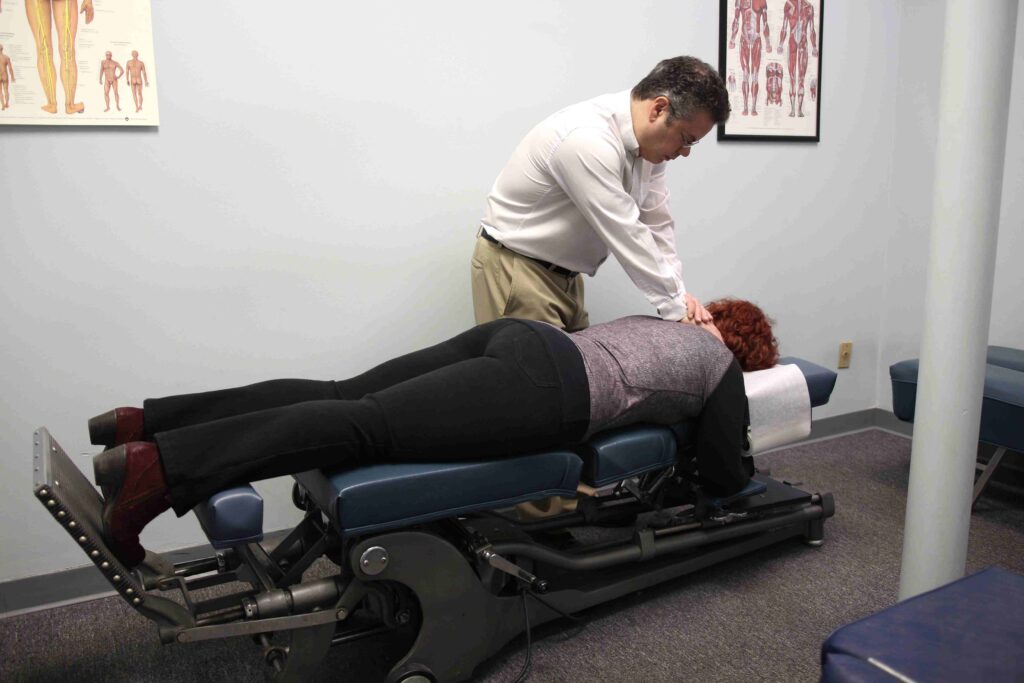
Chiropractic care can also play a vital role in your recovery by aligning your spine and improving your overall mobility.
If you have any questions or need further guidance, feel free to reach out. Together, we can develop a personalized plan to help you heal and prevent future injuries naturally.
Degenerative Disc Disease
As a chiropractor, it’s important to educate you about a common condition known as degenerative disc disease. This condition can develop gradually as your spinal discs naturally wear down with age. Many people may not realize it, but this wear and tear can lead to discomfort and pain in the lower back.
As the discs lose hydration and elasticity, they become less effective at providing the necessary cushioning for your spine, leading to stiffness and inflammation. You might find that certain activities or long periods of sitting can aggravate your pain.
While aging is a significant factor, lifestyle choices such as poor posture, excess weight, and inactivity can speed up the degeneration of your discs. It’s essential to listen to your body and address any signs of discomfort as soon as they arise.
By making simple adjustments—like improving your posture, incorporating exercises that strengthen your core, and maintaining a healthy weight—you can effectively manage your symptoms.
If you’ve been experiencing persistent back pain, I encourage you to reach out for a consultation. Together, we can explore natural treatment options that are tailored to your specific needs.
Taking proactive steps now can greatly enhance your quality of life and help you feel your best. Remember, a healthy spine contributes to overall well-being!
Sciatica and Nerve Issues
As a chiropractor, I often see patients who experience sharp pain radiating down their legs, commonly known as sciatica. This discomfort is typically caused by irritation or compression of the sciatic nerve, which can significantly impact your daily activities. Understanding the underlying factors that contribute to sciatica is crucial for effective management and relief.
Several conditions can lead to sciatica, including:
- Herniated Discs: When the discs in your spine become bulged or damaged, they can put pressure on the sciatic nerve.
- Spinal Stenosis: This condition involves the narrowing of the spaces within your spine, which can create pressure on the nerves.
- Piriformis Syndrome: Here, the piriformis muscle in your buttock can irritate the sciatic nerve, leading to pain and discomfort.
- Injury or Trauma: Any injury or trauma to the lower back can trigger sciatica symptoms.
These issues can manifest as pain, numbness, or weakness in your legs and lower back.
If you think you might be experiencing sciatica, I encourage you to consult with me or another healthcare professional. We can provide an accurate diagnosis and discuss natural treatment options that align with chiropractic care.
Early recognition of symptoms can greatly enhance your recovery journey, and together we can explore holistic approaches to alleviate your discomfort and promote overall wellness.
Underlying Medical Conditions
As a local chiropractor, I want to help you understand that chronic back pain often has underlying medical conditions that may not be immediately obvious. Issues such as arthritis, herniated discs, and spinal stenosis can significantly contribute to your discomfort.
If you’re experiencing persistent pain, it’s important to consider whether these conditions could be involved. Additionally, autoimmune disorders like lupus or rheumatoid arthritis can lead to inflammation that affects your back.
Osteoporosis, which results in weakened bones, can also lead to fractures that cause pain. In some cases, infections or tumors affecting the spine may manifest as chronic back pain, highlighting the importance of consulting with a healthcare professional for a comprehensive evaluation.
Identifying the root cause of your pain is crucial for effective treatment. If you’re struggling with ongoing back pain, I encourage you to seek medical advice.
Understanding your condition is the first step toward managing your pain and improving your overall quality of life. As a chiropractor, I believe in the power of natural healing and can guide you through a holistic approach to alleviate your discomfort and support your wellness journey.
Conclusion
As a local chiropractor, I want to emphasize the importance of understanding the top causes of chronic back pain for improving your overall back health. Many times, factors such as poor posture, a sedentary lifestyle, and excess weight can contribute significantly to discomfort. It’s essential to stay active and maintain a balanced weight to support your spine.
In my practice, I often see patients who may not be aware of how certain medical conditions can play a role in their pain. By recognizing these factors, you can take proactive measures toward relief. I encourage you to listen to your body—if you experience persistent pain, seeking professional advice is key.
With a natural healing approach, including chiropractic adjustments and lifestyle changes, we can work together to reduce your discomfort and enhance your well-being. Remember, taking care of your back is an investment in your health!