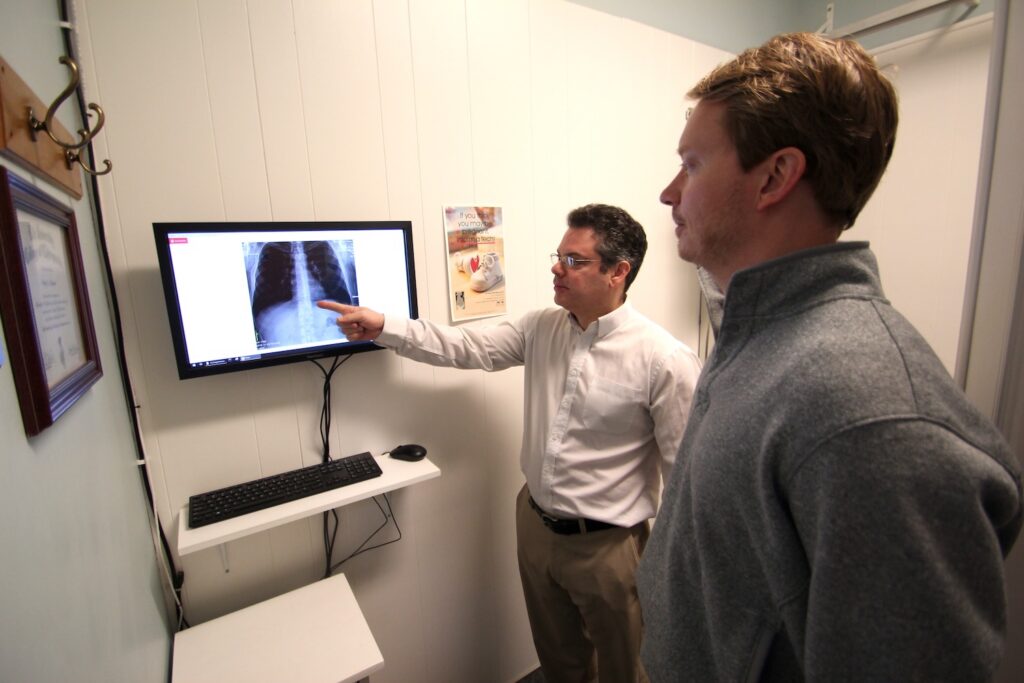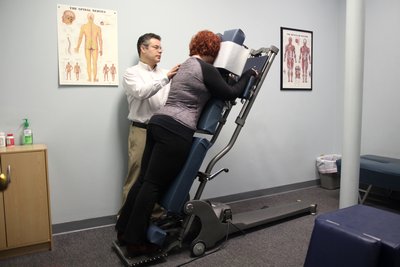

As a local chiropractor, I often see patients who are unaware of how greatly their posture can impact their back pain. Many people don’t realize that poor alignment can place extra strain on the spine, exacerbating discomfort. By recognizing common posture mistakes and making some straightforward adjustments, you could experience notable relief from your pain.
So, what specific changes can you incorporate into your everyday routine to improve your well-being? Let’s delve into some essential posture secrets that can guide you toward a healthier spine and a more comfortable life. Remember, the way you sit, stand, and move can make all the difference in your journey to better health. Together, we can work towards achieving a pain-free lifestyle through natural healing and proper alignment.
Understanding the Link Between Posture and Back Pain
As your local chiropractor, I want to highlight the importance of posture and how it significantly affects your back health. Many of you may not realize how much time you spend sitting or standing, and how this can lead to back pain when your posture is poor.
Your body functions best when it’s properly aligned, allowing for even weight distribution and balance. When you slouch or hunch over, you put unnecessary strain on your spine and the surrounding muscles, leading to discomfort and potential pain.
Every incorrect twist or bend can worsen existing issues or create new ones. That’s why maintaining good posture isn’t just about looking confident; it’s crucial for your long-term health.
Proper alignment reduces pressure on your spine and improves circulation, which is essential for your overall body function. By understanding and practicing good posture, you can help prevent back pain and promote a healthier, more vibrant life.
Common Posture Mistakes That Worsen Back Pain
As a local chiropractor, I want to help you understand how certain posture habits can contribute to your back pain, even if you don’t realize it.
Many people fall into the trap of comfortable positions that may actually be harming their spine in the long run. Here are some common posture mistakes to be aware of:
- Slouching while sitting: When you lean forward or let your shoulders round, it places excessive pressure on your spine. This can lead to discomfort and long-term issues. I recommend maintaining a straight back and keeping your shoulders relaxed but back while sitting.
- Standing with weight on one leg: Shifting your weight to one leg can create imbalances in your hips and lower back over time. This uneven distribution can lead to pain. Try to distribute your weight evenly on both feet and engage your core muscles for better support.
- Looking down at your phone: Frequently tilting your head down to look at your phone can strain both your neck and upper back. This “tech neck” can lead to significant discomfort. Make a conscious effort to hold your phone at eye level to reduce strain.
By being mindful of these posture mistakes, you can help alleviate back pain and improve your overall spinal health.
If you have any questions or need personalized advice, feel free to reach out to me during your next visit!
The Importance of Ergonomics in Daily Activities
As a local chiropractor, I want to emphasize the importance of an ideal workspace setup for your overall back health during your daily activities.
It’s crucial to ensure proper body alignment to avoid strain and discomfort as you go through your day. Even small adjustments in your posture or workspace can have a significant impact on how you feel.
By being mindful of these changes, you can promote better spinal health and enhance your well-being.
Optimal Workspace Setup
As a chiropractor, I often emphasize the importance of a well-designed workspace for your overall health and productivity. Many people overlook how crucial a comfortable chair and desk setup can be to their well-being.
To support your body and prevent discomfort while you work, consider these ergonomic principles:
- Chair height: It’s vital that your feet rest flat on the ground with your knees forming a 90-degree angle. This helps maintain proper alignment of your spine and reduces strain on your lower back.
- Desk position: Ensure that your computer monitor is at eye level. This simple adjustment can significantly reduce neck strain and promote better posture throughout your workday.
- Keyboard placement: Your wrists should remain straight, and your hands should be positioned slightly below elbow level. This placement can help prevent repetitive strain injuries that are common among those who spend long hours typing.
Proper Body Alignment
As a local chiropractor, I want to emphasize the importance of proper body alignment in your daily activities, even if you have an optimized workspace.
Maintaining the natural curves of your body is essential when you sit, stand, or move. Make sure your shoulders are relaxed and aligned over your hips, and that your ears are in line with your shoulders. This alignment is crucial as it helps reduce unnecessary strain on your spine, which can alleviate back pain.
While you’re engaging in various tasks, it’s important to be mindful of how you move. For instance, when lifting objects, always bend at the knees rather than at the waist, and try to avoid slouching while using your phone or computer.
These small adjustments to your posture can have a significant impact on your comfort and overall health.
Prioritizing proper alignment in your everyday activities is a wise investment in your well-being. It allows you to move freely and, most importantly, pain-free.
Techniques for Improving Sitting Posture
As a local chiropractor, I often see patients who struggle with maintaining proper sitting posture, which can lead to discomfort and chronic back pain over time.
It’s important to understand how to improve your sitting posture to promote spinal health and overall well-being. Here are some techniques I recommend:
- Choose the Right Chair: Selecting a chair that offers proper lower back support is crucial. It should be adjustable so that your feet can rest flat on the floor and your knees are positioned at a 90-degree angle. This helps maintain the natural curve of your spine and prevents strain.
- Use a Lumbar Support: If your chair lacks sufficient lumbar support, I suggest using a cushion or a rolled towel to support the natural curve of your lower back. This simple addition can make a significant difference in your comfort while sitting for extended periods.
- Monitor Your Screen Height: It’s vital to ensure that your computer screen is positioned at eye level. This adjustment will prevent you from hunching forward or straining your neck, which can lead to misalignments in the spine.
Keeping your spine aligned is key to preventing discomfort and promoting better posture.
By incorporating these techniques into your daily routine, you can enhance your sitting posture and reduce the risk of developing back pain.
Standing Tall: Tips for Better Posture on Your Feet
As a local chiropractor, I want to share some important insights about maintaining good posture while standing.
The way you position your feet can significantly impact your overall alignment and spinal health. Engaging your core muscles is essential for supporting your spine and can help alleviate back pain.
Let’s dive into some key tips that can help you stand tall and enhance your well-being.
Foot Placement Matters
As a local chiropractor, I want to emphasize the importance of proper foot placement for maintaining good posture and alleviating back pain. Many people overlook how their feet influence their overall alignment and comfort.
When you stand, aim to have your feet hip-width apart, as this positioning provides the stability and balance your body needs. Here are some essential tips to enhance your foot positioning:
- Distribute your weight evenly: It’s crucial to center your weight across your feet, ensuring that there’s equal pressure on both the balls and heels. This balance helps prevent strain on your back.
- Align your toes: Make sure your toes are pointed straight ahead. Try to avoid any excessive outward or inward angles, as these can lead to misalignment and discomfort.
- Engage your arches: Keeping your arches lifted is vital. This support not only reinforces your body’s alignment but also helps distribute your weight more effectively, reducing the risk of pain.
By paying attention to these foot placement tips, you can make significant strides toward achieving better posture and reducing back pain.
If you have any questions or need personalized advice, feel free to reach out during your next visit!
Core Engagement Techniques
As a chiropractor, I want to emphasize the importance of engaging your core for better posture and overall spinal health. To start, gently pull your belly button in towards your spine. This simple action activates your deep abdominal muscles, which play a vital role in providing stability to your back.
Make sure your feet are shoulder-width apart, and distribute your weight evenly across both feet. Picture a string gently pulling you upward from the crown of your head; this visualization helps to elongate your spine and promote better alignment.
When standing, it’s beneficial to maintain a slight bend in your knees to prevent locking them, which can lead to discomfort.
Don’t forget the power of deep breathing! Proper breathing techniques support core engagement and help you relax your body. When you stand, aim to keep your shoulders relaxed and pulled back, aligning them with your hips to create a natural, supportive posture.
Incorporating these techniques into your daily routine can greatly enhance your posture and reduce back pain over time. Remember, small adjustments can lead to significant improvements in your overall well-being.
If you have any questions or need further guidance, feel free to reach out to me during your next visit!
The Role of Core Strength in Posture and Back Health
As a local chiropractor, I want to emphasize the importance of strong core muscles for maintaining good posture and promoting back health. When your core is well-developed, it provides essential support for your spine, encouraging you to stand tall and sit correctly. This proper alignment not only reduces strain on your back but can also alleviate discomfort and pain.
Here are some key benefits of cultivating a strong core:
- Improved Stability: A strong core enhances your balance, making daily activities safer and more manageable.
- Reduced Risk of Injury: With a robust core, you’re less likely to sustain injuries during physical activities, as your body is better equipped to support itself.
- Enhanced Performance: Whether you’re exercising or just going for a walk, core strength can significantly improve your overall performance and efficiency.
Taking the time to develop your core strength can lead to meaningful improvements in your posture and back health.
Stretching and Strengthening Exercises for Better Posture
As a local chiropractor, I want to share some valuable insights on how you can improve your posture through essential stretching techniques and core strengthening exercises. Many people are unfamiliar with the importance of these practices, but they play a crucial role in enhancing your flexibility and supporting your spine.
By incorporating these exercises into your daily routine, you can significantly reduce the risk of pain and discomfort in your back.
Let’s dive into some effective ways to integrate stretching and strengthening into your life. Not only will these practices help you stand taller and feel more confident, but they also promote overall back health.
It’s all about creating a balanced body that supports proper alignment and function. If you’re ready to take charge of your posture and well-being, I’m here to guide you on this journey toward natural healing.
Essential Stretching Techniques
As a local chiropractor, I often see patients who underestimate the significance of stretching and strengthening exercises in maintaining their overall health, particularly when it comes to posture and back pain relief.
Incorporating essential stretching techniques into your daily routine can be a game changer for regaining flexibility and promoting better alignment.
Here are three effective stretches that I highly recommend:
- Cat-Cow Stretch: This dynamic stretch is fantastic for mobilizing your spine and alleviating tension in your back. It encourages fluid movement between the segments of your spine, which can be particularly beneficial if you spend long hours sitting.
- Chest Opener: To perform this stretch, either stand or sit tall, clasp your hands behind your back, and gently pull your shoulders back. This action stretches the chest muscles, counteracting the forward hunch many of us develop from daily activities, such as working at a desk or using our phones.
- Child’s Pose: This restorative pose involves kneeling and sitting back on your heels while extending your arms forward on the floor. It’s excellent for stretching the back and hips, providing a gentle release that can help ease discomfort.
By integrating these stretches into your everyday routine, you can experience significant improvements in your posture and a reduction in back pain.
Strengthening Core Muscles
As a chiropractor, I want to emphasize the importance of building a strong core for not only improving your posture but also for alleviating back pain. Your core muscles play a crucial role in supporting your spine, which helps you maintain an upright position and reduces the strain on your back.
Incorporating exercises such as planks, bridges, and bicycle crunches into your routine can be incredibly beneficial. These exercises engage multiple muscle groups, promoting both stability and endurance, which are essential for a healthy back.
I recommend aiming for at least three sessions per week and gradually increasing the intensity of your workouts as your strength improves. Additionally, don’t overlook the significance of proper breathing during your exercises; it can greatly enhance the effectiveness of your workouts.
Remember, practicing good posture during your daily activities is equally important. By focusing on strengthening your core and combining it with mindful posture practices, you’ll establish a solid foundation for a healthier back and improve your overall well-being.
As we work together on your chiropractic journey, I encourage you to prioritize core strength and posture as they’re vital components of natural healing and wellness.
Mindfulness and Body Awareness in Posture Correction
As you work towards correcting your posture, incorporating mindfulness and body awareness can significantly aid your journey. By becoming more attuned to your body, you can pinpoint areas of tension and misalignment that may be contributing to discomfort. This heightened awareness allows you to make conscious adjustments throughout your day, fostering lasting improvements in your posture.
- Practice deep breathing: This simple technique not only centers your mind but also helps release tension in your body. Focusing on your breath can assist you in maintaining a relaxed and natural posture.
- Engage in regular body scans: Take a moment throughout your day to check in with how your body feels. Notice any discomfort or stiffness, as these sensations can be signals that your body needs adjustment. Acknowledge these feelings and respond with mindful corrections.
- Use visualization techniques: Picture your spine lengthening and your shoulders gently relaxing. This mental imagery can reinforce positive posture habits, making it easier to maintain proper alignment over time.
Incorporating these practices into your daily routine can enhance the benefits of chiropractic care and support your overall well-being.
How to Create a Posture-Friendly Workspace
As a local chiropractor, I want to emphasize the importance of creating a posture-friendly workspace to prevent discomfort and enhance your overall well-being.
It’s vital to start with your chair. Make sure it’s adjusted so that your feet rest flat on the ground, and your knees form a 90-degree angle. Your back should be fully supported by the chair, promoting a natural curve that can help reduce strain on your spine.
Next, let’s talk about your computer monitor. Position it at eye level, about an arm’s length away from you. This helps prevent neck strain, which is common among those who spend long hours at a desk.
Additionally, use a keyboard and mouse that allow your wrists to stay straight and relaxed, as this minimizes tension and helps you avoid repetitive strain injuries.
I also recommend incorporating a document holder for any papers you may need, keeping them at the same height as your monitor.
If your work requires long periods of sitting, it’s important to set reminders to stand up, stretch, or take a short walk every hour. This simple practice can make a significant difference in how you feel throughout the day.
Lastly, decluttering your desk can create an organized workspace, which not only reduces distractions but also encourages better posture.
Adopting these tips can foster a healthier work environment and greatly decrease your risk of back pain. Remember, taking care of your posture is a key component of maintaining your spinal health and overall wellness.
Maintaining Long-Term Postural Habits for Back Pain Relief
As your local chiropractor, I want to emphasize that while making adjustments to your workspace is a great first step toward achieving better posture, the real challenge lies in maintaining those habits over the long term.
To ensure that you can stick with your new posture and prevent back pain from returning, it’s crucial to weave these habits into your daily life. Consistency is the cornerstone of lasting relief.
- Set reminders: Consider using alarms or smartphone apps to remind you to check in on your posture at various times throughout the day. These gentle nudges can help you stay on track.
- Create a routine: Incorporate simple stretching or strengthening exercises into your daily schedule. Not only will this help reinforce good posture, but it will also promote overall spinal health.
- Stay mindful: Make it a habit to regularly assess your posture whether you’re sitting at your desk, standing in line, or moving around. Increased awareness allows you to catch any bad habits before they become ingrained.
By integrating these strategies into your daily routine, you’ll be well on your way to maintaining a healthy posture and alleviating back pain naturally.
Conclusion
As your local chiropractor, I want to share some valuable insights on how prioritizing proper posture can significantly enhance your back pain therapy. Many individuals aren’t aware of the common mistakes they make in their daily routines that can contribute to discomfort. By identifying these errors and making simple ergonomic adjustments, you can better support your spine and overall health.
Incorporating mindfulness into your daily activities is also crucial. Being aware of your posture while sitting, standing, or even walking can lead to profound changes in how you feel. Additionally, I encourage you to engage regularly in stretching and strengthening exercises tailored to support your back. These practices not only help alleviate pain but also foster long-term habits that promote a healthier, pain-free lifestyle.
Remember, every small change you implement can have a positive impact on your well-being and posture. As your chiropractor, I’m here to guide you on this journey towards better health through natural healing and proper body alignment. Together, we can work towards a more comfortable and vibrant life.