
When you think about maximizing your athletic performance, you might focus on traditional training regimens or strict diets, but have you considered alternative techniques? From acupuncture to mindfulness practices, these methods can enhance not just your physical capabilities but also your mental resilience. Integrating these strategies could be the key to revealing your full potential. However, it's crucial to understand how each approach works and which ones might best suit your needs—some options may surprise you. What if one simple adjustment could elevate your game to a whole new level?
Mindfulness and Mental Training
In today's competitive sports environment, many athletes find that incorporating mindfulness and mental training can greatly enhance their performance. You might think that physical strength and skill alone determine success, but the mental aspect plays a vital role. By practicing mindfulness, you can markedly improve focus, reduce anxiety, and increase your overall resilience.
Begin by setting aside a few minutes each day to practice mindfulness techniques like meditation or deep breathing. These exercises train your mind to stay present, allowing you to block out distractions during training and competition. When you're fully engaged in the moment, you'll notice improved decision-making and reaction times, which can be game-changers in high-pressure situations.
Additionally, visualization techniques can be incredibly beneficial. Picture yourself executing perfect techniques or achieving your goals. This mental rehearsal helps solidify those actions in your subconscious, making them easier to perform when it counts.
Pair this with positive affirmations to boost your confidence and self-belief. Remind yourself of your strengths and past successes to create a powerful mental toolkit.
Finally, don't underestimate the importance of reflection. After every practice or competition, take time to analyze what went well and where you can improve. This process can help you develop a growth mindset, allowing you to learn from setbacks and continually evolve as an athlete.
Innovative Nutrition Strategies
Harnessing innovative nutrition strategies can greatly elevate your athletic performance. By focusing on nutrient timing and personalized meal planning, you can optimize your energy levels and recovery. Start by understanding the importance of macronutrients: carbohydrates fuel your workouts, proteins aid in muscle repair, and fats support long-term energy.
Consider incorporating whole foods into your diet, like fruits, vegetables, lean meats, and whole grains. These foods provide essential vitamins and minerals that enhance your body's efficiency.
Experiment with meal prep to guarantee you always have nutritious options available, minimizing the temptation to choose processed snacks. You might also explore the benefits of superfoods. Ingredients like quinoa, chia seeds, and spirulina can pack a nutritional punch, providing antioxidants and anti-inflammatory properties that help reduce recovery time.
Don't underestimate the power of hydration. Staying properly hydrated is key to maintaining peak performance. Consider electrolyte-rich drinks during intense training sessions, especially in hot weather, to replenish lost minerals.
Additionally, consider consulting a sports nutritionist. They can tailor dietary plans to fit your specific needs, helping you manage your weight and optimize your performance.
Lastly, keep an eye on supplements. While not a substitute for whole foods, certain supplements like omega-3 fatty acids and branched-chain amino acids can enhance recovery and performance when used wisely.
Active Recovery Techniques
Active recovery is essential for keeping your body in peak condition and enhancing overall performance.
By incorporating popular recovery methods like light jogging, yoga, or foam rolling, you can help your muscles recover while preventing fatigue.
Let's explore how these techniques can benefit your training regimen.
Importance of Active Recovery
Incorporating active recovery into your training routine can greatly enhance your athletic performance. By allowing your body to recover while still staying engaged, you can minimize muscle soreness and fatigue, promoting quicker healing. Unlike complete rest, active recovery keeps your blood flowing, which aids in the removal of lactic acid and other toxins from your muscles.
You might wonder how to include active recovery in your regimen. Simple activities like walking, cycling, or swimming at a low intensity can be incredibly effective. These exercises help maintain your fitness level without putting excessive strain on your body. Plus, they keep your muscles loose, improving flexibility and reducing the risk of injury.
Active recovery also plays a crucial role in mental well-being. Engaging in light activity can lift your mood and provide a sense of accomplishment without the pressure of intense workouts.
It's about finding that balance between pushing your limits and giving your body the care it needs. By prioritizing active recovery, you not only enhance your physical capabilities but also cultivate a sustainable approach to your training routine.
Popular Recovery Methods
After understanding the benefits of active recovery, it's time to explore popular recovery methods that can further enhance your training.
One effective technique is light aerobic exercise, such as walking, cycling, or swimming. These activities keep your blood flowing, helping to flush out toxins and reduce muscle soreness.
Another great option is dynamic stretching. Incorporating movements like leg swings or arm circles can improve flexibility and promote circulation, making it easier for your muscles to recover.
Yoga is also an excellent choice, as it combines gentle movement with breath control, promoting relaxation and stress relief.
Foam rolling is another popular method. By using a foam roller, you can target tight muscles and fascia, alleviating tension and enhancing mobility.
Similarly, massage therapy, whether from a professional or self-massage, can greatly aid recovery by improving blood flow and reducing muscle tightness.
Lastly, consider incorporating contrast baths or ice baths. Alternating between hot and cold water can help reduce inflammation and accelerate recovery.
Cross-Training Benefits
Cross-training can greatly boost your overall fitness by engaging different muscle groups and improving endurance.
It also helps in preventing injuries by balancing your body and reducing repetitive strain.
Plus, you'll develop sport-specific skills that translate directly to your primary athletic pursuits.
Enhanced Overall Fitness
When you mix up your workout routine with cross-training, you're not just breaking the monotony; you're also enhancing your overall fitness. Engaging in diverse activities keeps your body challenged and helps avoid plateaus. Each sport or exercise targets different muscle groups, improving your strength, endurance, and flexibility all at once.
By incorporating cycling, swimming, or yoga into your regimen, you can develop well-rounded physical abilities. For instance, cycling builds leg strength while swimming enhances your cardiovascular capacity. This variety not only boosts your performance in your primary sport but also increases your overall athleticism.
Cross-training can also improve your mental toughness. Trying new activities pushes you out of your comfort zone, making you more resilient. It keeps workouts fresh and exciting, which can enhance motivation and adherence to your fitness routine.
Additionally, switching things up allows for better recovery. When you alternate muscle groups, you reduce the risk of overuse, giving specific areas time to rest while still staying active.
Ultimately, enhanced overall fitness through cross-training can lead to improved athletic performance, making your training more effective and enjoyable.
Injury Prevention Strategies
Injuries can sideline even the most dedicated athletes, but incorporating cross-training into your routine can greatly reduce that risk. Cross-training involves engaging in different sports or exercises that complement your primary activity. By diversifying your workouts, you not only strengthen various muscle groups but also minimize overuse injuries that often arise from repetitive motions.
For instance, if you're a runner, adding swimming or cycling to your routine can enhance cardiovascular fitness without putting additional stress on your joints. This variation helps keep your body balanced and reduces the likelihood of strain or injury.
Additionally, cross-training can improve your overall athletic performance by enhancing flexibility, coordination, and strength.
Another benefit is that it keeps your training fresh and enjoyable. When you mix things up, you're less likely to experience burnout, which can lead to decreased motivation and increased injury risk.
Plus, the skills you develop in one sport can enhance your performance in another, giving you a competitive edge.
Sport-Specific Skill Development
Enhancing your athletic performance goes beyond just preventing injuries; it also involves honing the specific skills needed for your sport. Sport-specific skill development is vital for achieving peak performance, and cross-training can be a game changer.
By engaging in different activities, you can build essential muscle groups and improve coordination, balance, and agility, which directly benefits your main sport.
For instance, if you're a runner, incorporating swimming can enhance your cardiovascular conditioning without the stress on your joints. Similarly, a basketball player can benefit from strength training, which boosts power and explosiveness on the court.
Cross-training not only keeps your routine fresh but also prevents burnout and overuse injuries by varying the physical demands on your body.
Moreover, working on skills outside your primary sport can improve your mental acuity and tactical awareness. Learning different movements helps you develop a more thorough understanding of athletic performance.
Breathing Exercises for Performance
Breathing exercises are a powerful tool for athletes looking to elevate their performance. By honing your breathing technique, you can enhance your endurance, increase concentration, and reduce anxiety during competitions.
Here's how you can incorporate effective breathing exercises into your training routine:
- Diaphragmatic Breathing: This technique helps you utilize your diaphragm fully, allowing for deeper breaths. To practice, lie on your back with your knees bent. Place one hand on your chest and the other on your abdomen. Breathe in deeply through your nose, focusing on expanding your abdomen rather than your chest. Exhale slowly through your mouth. Aim for 5-10 minutes daily to improve oxygen intake.
- Box Breathing: This method can improve focus and calm your nerves. Inhale for a count of four, hold your breath for another four, exhale for four, and hold again for four. Repeat this cycle for a few minutes. It's especially useful before competitions to center your mind and body.
- Pursed Lip Breathing: This technique encourages longer, more controlled exhales. Inhale deeply through your nose and then exhale slowly through pursed lips, as if blowing out a candle. This helps to maintain open airways and can improve stamina during intense exercise.
Incorporating these breathing exercises into your routine can greatly boost your athletic performance, helping you achieve your goals while maintaining a calm and focused mindset.
Alternative Therapies and Treatments
Athletes often seek diverse methods to enhance their performance and recovery. Alternative therapies and treatments can play an essential role in improving your athletic abilities and overall well-being. Many athletes have turned to practices like acupuncture, massage therapy, and chiropractic adjustments to alleviate pain, increase flexibility, and improve circulation. These therapies can help you recover faster and reduce the risk of injury.
Acupuncture, for instance, involves inserting thin needles into specific points on the body to stimulate healing and balance energy flow. This can enhance your recovery process by reducing inflammation and promoting relaxation.
Similarly, regular massage therapy not only helps to relieve muscle tension but also improves your range of motion and promotes better blood flow, which is critical for peak performance.
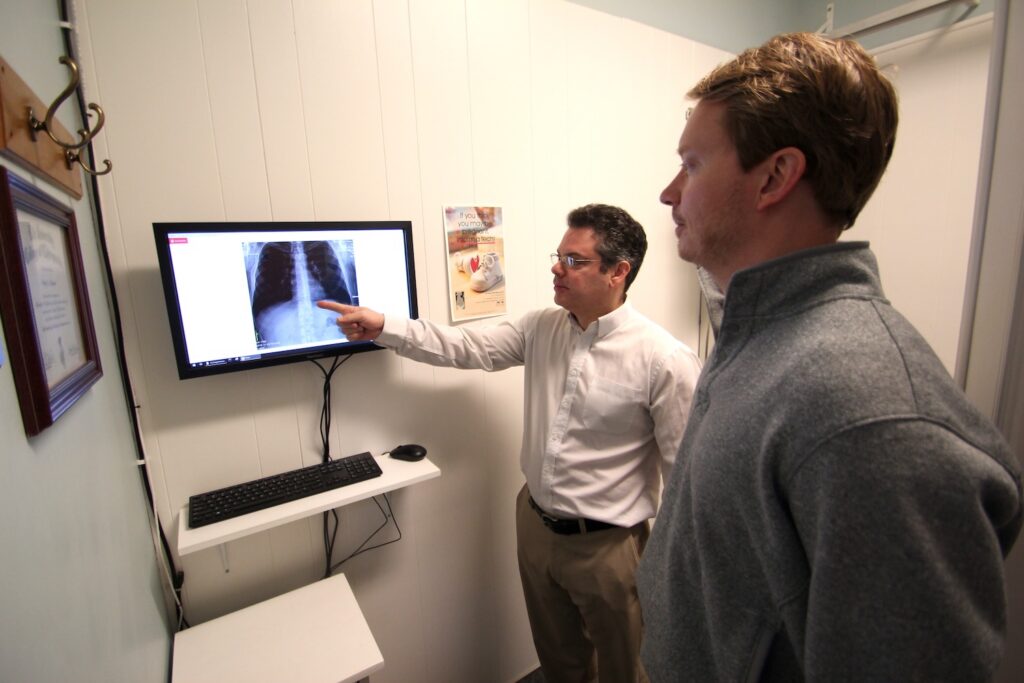
Chiropractic adjustments can align your spine and improve joint function, allowing for more efficient movement patterns during training and competitions. When your body is aligned properly, you'll likely notice an increase in strength and endurance.
Another alternative treatment gaining popularity is cryotherapy. Cold therapy can reduce muscle soreness and expedite recovery after intense workouts, helping you bounce back quicker.
Lastly, consider incorporating mindfulness practices like yoga or meditation into your routine. These practices enhance your mental focus and resilience, which are just as fundamental as your physical training.
Sleep Optimization Methods
Quality sleep is essential for maximizing athletic performance and recovery. Sleep helps your body repair muscles, consolidate memories, and regulate hormones. If you're serious about your athletic goals, you need to prioritize sleep enhancement.
Here are three effective methods to enhance your sleep quality:
- Establish a Consistent Sleep Schedule: Go to bed and wake up at the same time every day, even on weekends. This consistency helps regulate your body's internal clock, making it easier to fall asleep and wake up refreshed.
- Create a Relaxing Bedtime Routine: Wind down before sleep by incorporating calming activities. You might read, meditate, or practice deep breathing. Avoid screens at least an hour before bedtime, as the blue light emitted can interfere with your ability to fall asleep.
- Optimize Your Sleep Environment: Confirm your bedroom is conducive to sleep. Keep the room dark, cool, and quiet. Invest in a comfortable mattress and pillows to support your body. Consider using blackout curtains or a white noise machine if needed.
Implementing these sleep enhancement methods can dramatically improve the quality of your rest, which in turn enhances your athletic performance.
Conclusion
By incorporating alternative techniques like mindfulness practices, innovative nutrition strategies, and active recovery methods, you can greatly enhance your athletic performance. Embrace the benefits of cross-training, breathing exercises, and therapies like acupuncture and massage to optimize both your physical and mental game. Don't underestimate the power of quality sleep, too. By integrating these approaches into your routine, you'll not only boost your performance but also build resilience, ensuring you're always ready to face any challenge in your sport.