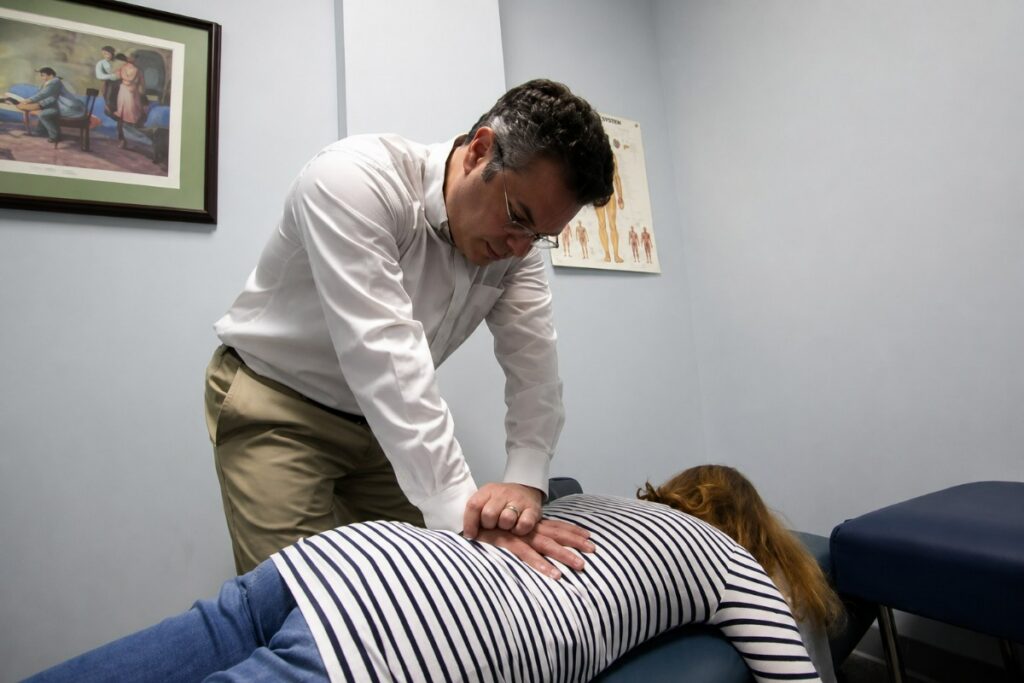

As a local chiropractor, I see many patients struggling with chronic back pain, which often arises from common issues such as muscle strain and poor posture. It’s important to recognize that your daily habits may be contributing to this discomfort more than you realize. By addressing these habits and understanding the impact of a sedentary lifestyle, you can take significant steps toward finding relief.
So, what can you do to effectively tackle these issues? Here are some practical strategies:
- Posture Awareness: Be mindful of your posture throughout the day, whether you’re sitting at a desk or standing. Proper alignment can help prevent unnecessary strain on your back.
- Regular Movement: Incorporate regular movement into your daily routine. Simple stretches or short walks can help alleviate tension and promote flexibility.
- Strengthening Exercises: Focus on strengthening your core and back muscles. A strong foundation supports your spine and can reduce pain.
- Ergonomic Adjustments: Consider making ergonomic adjustments to your workspace. A well-designed chair and desk setup can make a significant difference in your comfort.
- Chiropractic Care: Regular chiropractic adjustments can help restore proper alignment and function to your spine, providing relief from pain and improving overall mobility.
By implementing these strategies, you can take charge of your back health and work toward a pain-free life. If you’re curious about how chiropractic care can fit into your journey, I’m here to help guide you. Together, we can develop a personalized plan that addresses your specific needs.
Understanding the Common Causes of Chronic Back Pain
As a local chiropractor, I often see patients who are struggling with chronic back pain, which can feel like an unwelcome companion in their lives.
It’s important to understand that this pain can arise from various underlying issues. One common cause is muscle or ligament strain, often resulting from heavy lifting or awkward movements. Additionally, conditions like herniated discs can press on nerves, leading to significant discomfort.
If you have arthritis, this may also be contributing to your back pain, as the inflammation associated with this condition can cause stiffness and soreness.
Another factor to consider is osteoporosis, which weakens bones and makes them more prone to fractures.
Moreover, stress and anxiety can manifest physically, leading to muscle tension in the back. Long-term conditions like scoliosis can also be a source of chronic pain.
It’s vital to identify these causes, as understanding what triggers your discomfort enables you to take the appropriate steps toward relief.
As a chiropractor, my goal is to help you pinpoint the source of your pain and guide you in managing it effectively through natural healing methods.
Together, we can develop a plan to address your chronic back pain and improve your overall well-being.
The Impact of Poor Posture on Your Back Health
As a local chiropractor, I want to emphasize how poor posture can significantly impact your back health, potentially leading to discomfort and pain over time.
When you slouch or hunch, your spine and surrounding muscles endure unnecessary strain, which can lead to a variety of issues you may not even be aware of.
Here are three important ways that poor posture can affect your back health:
- Increased Pressure on Discs: When you slouch, it compresses the spinal discs. This increased pressure can heighten the risk of conditions like herniation or bulging discs, which can be painful and limit your mobility.
- Muscle Imbalances: Poor posture often leads to certain muscles becoming tight while others weaken. This imbalance can result in chronic pain and discomfort, making everyday activities more challenging.
- Reduced Flexibility: Maintaining a bad posture can cause your back muscles to become stiff, reducing your overall flexibility. This stiffness not only affects your range of motion but also raises the risk of injury during physical activities.
Understanding these impacts is crucial for your overall health.
Chiropractic care can help address these issues and promote better posture, leading to a healthier back and improved quality of life.
If you have any questions or concerns about your posture and back health, feel free to reach out!
The Role of a Sedentary Lifestyle in Back Pain
As a local chiropractor, I want to shed light on a common issue that many of my patients face: back pain stemming from a sedentary lifestyle. It’s easy to overlook how much time we spend sitting—whether at a desk, in front of a screen, or lounging on the couch.
This prolonged inactivity can weaken your back muscles and reduce the support for your spine, leading to stiffness and discomfort.
You may have noticed that after a long day of sitting, your back feels tense or achy. This is a signal from your body that it craves movement. Incorporating regular physical activity into your daily routine can significantly alleviate these symptoms.
Simple actions like stretching, going for a walk, or taking short breaks to stand can improve your overall well-being and help maintain proper posture.
At our practice, we emphasize the importance of movement alongside chiropractic care. Together, we can work on strategies to integrate more activity into your life, ensuring your spine and back muscles stay healthy and strong.
Identifying Underlying Medical Conditions
As a local chiropractor, I want to help you understand that while many individuals often link their back pain to daily activities or lifestyle choices, it’s crucial to consider underlying medical conditions that could be contributing to your discomfort.
Overlooking these factors can result in prolonged pain and ineffective treatments. Here are three common conditions to be aware of:
- Herniated Discs: This occurs when the cushioning discs between your vertebrae bulge or rupture, potentially pressing on nearby nerves. If you find yourself experiencing shooting pain or numbness that travels down your legs, it’s a good idea to seek a professional evaluation.
- Arthritis: Conditions like osteoarthritis can cause inflammation in your spine, leading to chronic discomfort. If you notice stiffness that becomes more pronounced after physical activity, this could be a sign of arthritis, and we can help develop a plan to manage your symptoms.
- Scoliosis: This condition involves an abnormal curvature of the spine, which can place unequal stress on your back muscles and joints, resulting in pain over time. If you observe any asymmetry in your posture, such as one shoulder appearing higher than the other, it’s important to get checked out.
By identifying these conditions early on, we can work together to create a personalized treatment plan that not only addresses your pain but also promotes overall wellness.
Practical Strategies for Relief and Prevention
As your local chiropractor, I want to share some valuable insights on managing chronic back pain, which can significantly affect your quality of life. There are numerous practical strategies that can help provide relief and prevent future issues, many of which align with natural healing.
First and foremost, incorporating regular physical activity into your daily routine is essential. Focus on exercises that strengthen your core and enhance flexibility, as these are crucial for supporting your spine. Daily stretching can also be incredibly beneficial; it helps alleviate tension and promotes better posture, which is vital for your spine’s health.
It’s important to be mindful of your posture throughout the day. Whether you’re sitting at a desk or standing, using ergonomic furniture can provide the necessary support for your back. If your job requires long periods of sitting, remember to take breaks. Stand up, stretch, and move around to keep your body in motion.
In addition to these lifestyle changes, consider utilizing heat or cold therapy to relieve discomfort and reduce inflammation. These methods can be very effective in managing pain naturally.
Maintaining a healthy weight is also crucial, as extra pounds can put additional strain on your back. If you smoke, quitting can enhance blood circulation and promote better healing in your body.
Finally, I encourage you to consult with a healthcare professional—like myself—who can provide personalized advice tailored to your specific needs. Exploring treatments such as chiropractic adjustments, physical therapy, or alternative therapies like acupuncture can be beneficial.
Conclusion
As a local chiropractor, I want to emphasize that addressing chronic back pain is a journey that requires a proactive mindset. It’s important to familiarize yourself with the common causes of back pain, as understanding these can be the first step towards relief. One of the key factors I often see in my practice is poor posture; by making simple adjustments to your posture throughout the day, you can significantly reduce discomfort.
Staying active is crucial as well. Movement helps maintain the health of your spine and surrounding muscles. However, it’s essential to listen to your body and not ignore any underlying medical conditions. If you’re experiencing persistent pain, I encourage you to seek professional help – a chiropractor can provide tailored guidance and treatment options.
Incorporating stretching routines and using ergonomic furniture can also make a substantial difference in your daily life. These small adjustments can help alleviate strain on your back. With commitment to these strategies and the support of chiropractic care, you can find relief from your pain and take steps to prevent it from returning. Together, we can work towards helping you lead a more comfortable and active life.