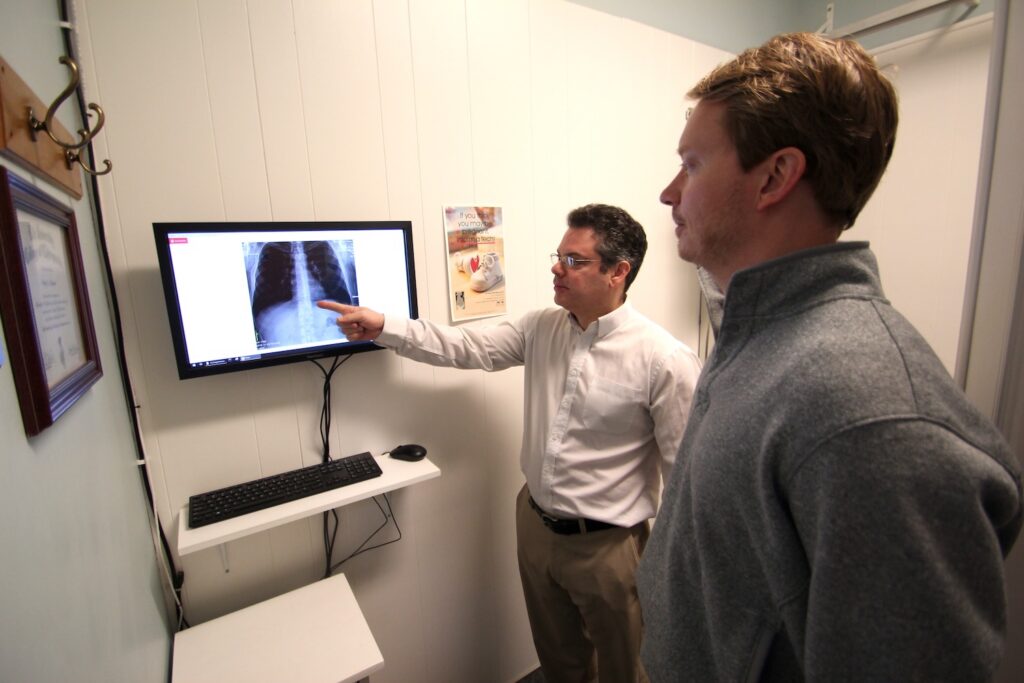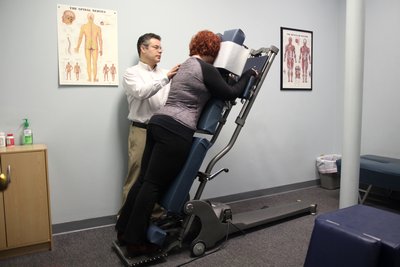

As a local chiropractor, I want to share with you the benefits of a holistic approach to managing back pain that extends beyond traditional physical treatments. It’s important to understand that our bodies are interconnected, and addressing the mind-body relationship can significantly enhance your healing process.
In addition to chiropractic adjustments, incorporating lifestyle changes is crucial for achieving long-term relief. This includes paying attention to nutrition, practicing mindfulness, and engaging in appropriate movement. Each of these elements plays a vital role in your recovery journey.
Are you curious about how these strategies can work in harmony to improve your condition? Let’s take a closer look at how combining chiropractic care with a holistic lifestyle can lead you to lasting relief from back pain. Together, we can create a comprehensive plan tailored to your needs that promotes overall well-being and supports your body’s natural healing abilities.
Understanding the Mind-Body Connection in Back Pain
As a local chiropractor, I want to emphasize the importance of understanding the mind-body connection when it comes to back pain. Many people tend to focus solely on the physical aspects of their discomfort, but it’s crucial to recognize how your emotional state can influence your experience of pain. Conditions like stress, anxiety, and depression can amplify discomfort, making it feel more severe than it may actually be.
By acknowledging this connection, you can take meaningful steps toward alleviating your pain. Incorporating mindfulness techniques, such as meditation or deep breathing exercises, can significantly help you manage stress and promote relaxation.
Additionally, gentle exercises like yoga or tai chi not only strengthen your back but also enhance your emotional well-being.
Maintaining a positive mindset can also have a profound impact on your perception of pain, empowering you to cope more effectively. By focusing on both your mental and physical health, you can adopt a holistic approach to healing.
This comprehensive strategy can lead to lasting relief from back pain and improve your overall quality of life. At my practice, we’re here to guide you through natural healing methods that address both aspects of your health.
The Role of Nutrition in Back Health
As your local chiropractor, I want to emphasize how crucial your diet is for maintaining a healthy back. The foods you choose can significantly impact your spine health.
By incorporating anti-inflammatory foods into your meals and ensuring you stay well-hydrated, you can better support your spine and alleviate discomfort.
Additionally, it’s important to be mindful of any nutrient deficiencies you may have, as these can hinder your back’s optimal functioning and your overall well-being.
Taking care of your nutrition is a vital part of the holistic approach to chiropractic care and can lead to better back health and improved quality of life.
Anti-inflammatory Foods Benefits
As a local chiropractor, I want to share how incorporating anti-inflammatory foods into your diet can significantly enhance your back health. Many patients may not realize that inflammation is a common contributor to back pain. By choosing the right foods, you can help combat this inflammation and promote healing.
For instance, foods rich in omega-3 fatty acids—such as salmon and walnuts—are known for their ability to reduce inflammation and improve mobility. Additionally, incorporating leafy greens, berries, and nuts into your meals can provide a powerful dose of antioxidants, which protect your cells and support your overall health.
Consider adding spices like turmeric and ginger to your diet as well; they’ve remarkable anti-inflammatory properties that can help alleviate discomfort.
Even the use of olive oil, with its healthy fats, can offer relief and support your body’s healing processes.
By focusing on these anti-inflammatory foods, you’re not just nourishing your body; you’re fostering a supportive environment for your spine.
Remember, a balanced diet that prioritizes these options can make a significant difference in managing back pain.
If you’re interested in learning more about how nutrition and chiropractic care can work together, feel free to reach out. Your health is important, and I’m here to help you on your journey to wellness!
Hydration and Spine Health
As a chiropractor dedicated to your overall health and well-being, I want to emphasize the importance of staying properly hydrated for maintaining a healthy spine.
Water is vital for the intervertebral discs in your back, which serve as shock absorbers and provide essential cushioning for your spine. When you’re not drinking enough water, these discs can become dehydrated, losing their elasticity and ability to effectively absorb impacts. This can lead to discomfort and even injury over time.
To support your spine and promote flexibility, I recommend aiming for at least eight glasses of water a day. Of course, you may need to adjust this amount depending on your activity level and environmental conditions.
It’s important to remember that even mild dehydration can have a negative impact on your spine health.
Nutrient Deficiencies Impact
As a local chiropractor, I want to emphasize that maintaining a healthy back goes beyond just proper hydration; your diet plays a crucial role in your overall spinal health.
Many people don’t realize that nutrient deficiencies can weaken the muscles and joints that support your spine, which can lead to back pain. For example, if you’re not getting enough calcium and vitamin D, your bones can become fragile. Similarly, a lack of magnesium may result in muscle cramps and tension, making it harder for your body to stay aligned and pain-free.
Incorporating omega-3 fatty acids into your diet, which are found in fish and flaxseeds, can help reduce inflammation, offering you some relief from discomfort.
Additionally, iron is vital for transporting oxygen throughout your body, ensuring your muscles are functioning optimally.
By prioritizing a balanced diet rich in these essential nutrients, you can significantly improve your back health.
Incorporating Mindfulness and Meditation Practices
As a local chiropractor, I want to share how incorporating mindfulness and meditation into your daily routine can significantly alleviate back pain.
Many of my patients find that practicing mindfulness techniques helps them shift their focus away from discomfort, promoting a sense of calm and well-being.
Meditation is an excellent practice that not only encourages relaxation but also enhances your body’s natural healing processes.
By integrating these techniques, you can empower yourself in managing pain and support your overall health in a holistic way.
Embracing these practices alongside chiropractic care can create a powerful synergy for your recovery journey.
Mindfulness Techniques for Pain
As a local chiropractor dedicated to promoting natural healing, I want to introduce you to the transformative benefits of mindfulness in managing back pain. Mindfulness encourages you to shift your focus from discomfort to the present moment, allowing for a more holistic approach to pain relief. By practicing mindfulness, you can learn to enhance your awareness of bodily sensations without judgment. This means you can observe your pain rather than react to it, fostering a sense of control over your experience.
Let’s start with some simple techniques. One effective method is deep breathing. Inhale deeply through your nose, hold for a moment, and then exhale slowly through your mouth. This practice can help calm your mind and body, making it easier to cope with pain.
Another useful technique is the body scan, where you mentally explore areas of tension and consciously work to relax them. Incorporating mindful movement into your routine, such as gentle yoga or tai chi, can also be incredibly beneficial. These practices not only connect your mind and body but also promote relaxation and flexibility, which are essential for overall well-being.
Utilizing these mindfulness techniques can help you cultivate resilience against pain, empowering you to manage discomfort more effectively. As we explore chiropractic care together, I encourage you to consider how these natural healing practices can complement your journey toward better health.
Meditation’s Healing Benefits
As a local chiropractor, I often see patients who are unfamiliar with the benefits of chiropractic care and natural healing methods. One approach that I highly recommend is meditation, which can significantly enhance your overall well-being and provide relief from back pain.
Let me share with you four key benefits of incorporating meditation into your daily routine:
- Reduced Stress: Meditation is a powerful tool for lowering cortisol levels in your body. When stress is reduced, it can help alleviate tension in your muscles and joints, which can often contribute to back pain.
- Increased Body Awareness: By practicing meditation, you can develop a deeper awareness of your body. This heightened awareness allows you to recognize pain triggers and understand how your posture and movements affect your back.
- Enhanced Focus: Regular meditation can sharpen your concentration. This improved focus can assist you in managing pain sensations more effectively, making it easier to cope with discomfort during your day-to-day activities.
- Emotional Resilience: Meditation cultivates a positive mindset, which is essential for dealing with chronic pain. When you build emotional resilience, you’re better equipped to face the challenges that come with persistent back issues.
I encourage you to embrace meditation as part of a holistic approach to lasting relief. By combining it with chiropractic care, you can achieve a more balanced and healthy lifestyle.
The Benefits of Yoga for Back Pain Relief
As a local chiropractor, I want to share how yoga can be a beneficial addition to your approach to alleviating back pain. Yoga provides a holistic method that combines gentle movements with breath control and mindfulness, which can complement the care you receive in my office.
When you practice yoga, you engage in stretching and strengthening exercises that improve your muscle flexibility and support your spine. This not only helps reduce tension in your back but also promotes better posture—key factors in preventing and alleviating pain.
Additionally, yoga emphasizes deep breathing techniques that enhance oxygen flow to your tissues and promote relaxation. This relaxation response can help lower stress levels, which is important, as stress often contributes to chronic pain conditions.
The mindfulness aspect of yoga also encourages you to tune in to your body, enabling you to identify pain triggers and manage discomfort more effectively.
Incorporating regular yoga practice can lead to a stronger core, which is essential for stabilizing your back and reducing the risk of injury.
As you integrate yoga into your routine alongside chiropractic care, you may notice significant improvements in your overall well-being. This combination can serve as a powerful tool in your journey toward back pain relief and a healthier lifestyle.
Exploring Acupuncture as an Alternative Therapy
As a local chiropractor dedicated to helping you find relief from back pain, I want to introduce you to the benefits of acupuncture as a complementary therapy.
This ancient practice has been used for centuries to promote healing and well-being, and it can be a valuable addition to your overall treatment plan.
Acupuncture works by stimulating specific points on the body, which can help to alleviate pain and improve your body’s natural healing processes.
There’s a growing body of scientific evidence that supports its effectiveness, particularly in managing back pain.
If you’re curious about how acupuncture might fit into your journey towards better health, let’s discuss it further and explore how it can work alongside chiropractic care to enhance your recovery and improve your quality of life.
Benefits of Acupuncture
As a local chiropractor, I want to share some insights about alternative therapies for back pain relief, particularly acupuncture, which is a fascinating approach to healing that you may not be familiar with.
Here are some of the key benefits of acupuncture that could support your journey towards wellness:
- Pain Reduction: Acupuncture has been shown to stimulate the body’s natural painkillers, providing significant relief from chronic back pain. This can complement the adjustments and therapies we offer in chiropractic care.
- Improved Mobility: By targeting muscle tension and stiffness, acupuncture can enhance your flexibility and range of motion. This is particularly beneficial for those of you who may feel limited in your everyday activities due to back pain.
- Stress Relief: The calming effects of acupuncture can help alleviate stress, which often contributes to pain and discomfort. By reducing stress, you may find that your overall well-being improves, making it easier to engage in your chiropractic treatments.
- Holistic Healing: Acupuncture promotes a holistic approach to health, addressing both the physical and emotional aspects of pain. This aligns well with chiropractic care, which also focuses on treating the whole person rather than just the symptoms.
If you’re considering options for back pain relief, I encourage you to explore the potential benefits of acupuncture in conjunction with chiropractic care for a more comprehensive approach to your health.
Treatment Process Overview
As a local chiropractor, I want to help you understand the treatment process involved in chiropractic care, especially if you’re new to this form of natural healing.
Our journey begins with an initial consultation where I’ll assess your back pain and overall health. During this appointment, I’ll ask you about your symptoms, lifestyle, and medical history to develop a personalized treatment plan that addresses your specific needs.
Once we establish your plan, you’ll come in for sessions where I’ll use various techniques to align your spine and improve your body’s function. You might feel a gentle pressure or a slight pop during adjustments, but it should never be uncomfortable.
Each session typically lasts between 30 to 60 minutes, and many of my patients report feeling a deep sense of relaxation afterwards.
For optimal results, I often recommend a series of treatments. This allows your body to gradually adapt, heal, and respond positively to the adjustments.
My goal is to provide you with the knowledge and support you need to feel confident in your journey towards better health through chiropractic care.
Scientific Evidence Supporting Effectiveness
As a local chiropractor, I want to share some valuable insights about acupuncture, a time-honored practice within traditional Chinese medicine that has recently gained attention for its effectiveness in alleviating back pain.
If you’re unfamiliar with this natural healing approach, here are some key points to consider:
- Pain Reduction: Research has shown that many individuals experience a significant decrease in pain levels after undergoing acupuncture sessions. This could be a beneficial adjunct to your chiropractic care.
- Improved Mobility: Patients often report an enhanced range of motion following acupuncture treatments. This can complement the adjustments and therapies we provide in our office, leading to a more comprehensive recovery.
- Reduced Medication Use: Acupuncture may help reduce your reliance on pain medications, which can often come with unwanted side effects. This aligns with our philosophy of promoting natural healing methods.
- Holistic Benefits: In addition to alleviating pain, acupuncture can improve your overall well-being. It addresses stress and anxiety, which are frequently associated with chronic pain conditions.
This holistic approach is something we value in our chiropractic practice as well.
Understanding these benefits can help you make informed decisions about your health and recovery. If you’re curious about how acupuncture might complement your chiropractic care, feel free to ask during your next visit!
The Impact of Posture on Back Pain
As your local chiropractor, I want to help you understand how crucial posture is in managing and preventing back pain. Many people don’t realize that the way you hold your body throughout the day can significantly affect your comfort levels. When you slouch or lean forward, you’re putting unnecessary strain on your spine, which can lead to discomfort and tension.
Conversely, maintaining good posture aligns your body properly, allowing for even weight distribution and reducing stress on your back muscles and ligaments.
It’s essential to be mindful of how you sit, stand, and move, as these habits can greatly influence your pain levels. For those of you who spend long hours at a desk, adopting a neutral spine position can help prevent stiffness and pain.
Simple adjustments, such as keeping your feet flat on the floor and your shoulders back, can have a remarkable impact on your overall well-being.
Strengthening Exercises for Back Support
As a local chiropractor, I want to emphasize the importance of strengthening exercises for your back health. Many people are unaware that incorporating these exercises into your daily routine can significantly support your spine and alleviate discomfort.
By building the muscles that stabilize your back, you can improve your overall well-being. Here are four exercises I recommend for enhancing back strength:
- Planks: This exercise is excellent for engaging your core. To perform a plank, maintain a straight line from your head to your heels while holding the position for 20-30 seconds. As you become stronger, aim to increase your hold time.
- Bird-Dogs: Starting on all fours, extend one arm and the opposite leg at the same time. It’s important to keep your hips level throughout the movement. Hold this position for a few seconds before switching sides. This exercise helps improve balance and coordination.
- Bridges: Lie on your back with your knees bent and feet flat on the floor. Raise your hips towards the ceiling, engaging your glutes and lower back muscles. Hold the position briefly before lowering your hips back down. This exercise strengthens the posterior chain, which is vital for back support.
- Supermans: For this exercise, lie face down and simultaneously lift your arms and legs off the ground. Hold for a moment before lowering them back down. This move activates your back extensors and helps strengthen your lower back.
Incorporating these exercises into your routine can lead to a stronger, more resilient back.
Utilizing Essential Oils for Pain Management
As a local chiropractor, I often encounter patients seeking natural solutions for managing back pain. One effective approach that I recommend is the use of essential oils, which can be a valuable addition to your overall wellness routine. Oils such as lavender and peppermint are renowned for their anti-inflammatory properties, which can help soothe sore muscles and alleviate tension in your back.
To incorporate these oils into your care, you can dilute a few drops of essential oil in a carrier oil, such as coconut or jojoba oil, and gently massage it into the affected areas. This technique not only provides relief but also promotes relaxation, which is crucial for healing.
In addition to topical application, using a diffuser to disperse calming scents throughout your space can further enhance your comfort. Inhaling essential oils may help you feel more relaxed and could even uplift your mood, contributing positively to your overall well-being.
Another enjoyable way to experience the benefits of essential oils is by adding a few drops to your bath, creating an immersive and soothing experience.
Before applying any essential oils directly to your skin, I always advise performing a patch test to ensure you’re not sensitive to the oils. By integrating essential oils into your daily routine, you may discover a natural and effective method to alleviate your back pain while complementing the chiropractic care you receive.
The Importance of Sleep and Restorative Practices
As a local chiropractor, I want to emphasize the crucial role that sleep plays in your body’s recovery, particularly when dealing with back pain. Quality sleep not only alleviates discomfort but also fosters the healing process.
Here are some valuable tips to enhance your restorative practices:
- Establish a Consistent Sleep Schedule: Aim to go to bed and wake up at the same time each day. This consistency helps regulate your body’s internal clock, which can improve the quality of your sleep.
- Create an Optimal Sleep Environment: Consider investing in a supportive mattress and pillows that help maintain proper spinal alignment. This is vital for reducing pressure points and ensuring a restful night’s sleep.
- Incorporate Relaxation Techniques: Before bedtime, try engaging in relaxation practices such as deep breathing, meditation, or gentle yoga. These activities can help soothe your mind and body, making it easier to transition into sleep.
- Limit Screen Exposure: Reduce your screen time at least an hour before bedtime. This will help increase melatonin production, the hormone responsible for regulating sleep, ultimately enhancing your overall sleep quality.
Creating a Personalized Holistic Plan for Relief
As a local chiropractor, I understand that managing back pain can often feel overwhelming. However, I want to emphasize that creating a personalized holistic plan can significantly enhance your comfort and overall well-being.
Let’s start by examining your lifestyle—this includes your daily activities, diet, and stress levels. It’s vital to identify any triggers or patterns that may be exacerbating your pain.
Incorporating physical therapies, such as yoga or pilates, can be incredibly beneficial. These practices not only strengthen your core but also enhance your flexibility, which can alleviate discomfort.
Additionally, I recommend exploring mindfulness techniques like meditation or deep breathing exercises. These practices can help reduce stress and promote relaxation, both of which are essential for recovery.
Nutrition plays a crucial role in your healing journey as well. A balanced diet that includes anti-inflammatory foods can support your recovery process.
Don’t underestimate the power of regular sleep; maintaining a consistent sleep schedule is important for restorative practices and overall health.
Lastly, I encourage you to consult with healthcare professionals, like myself, who specialize in holistic approaches. We can work together to tailor a plan that suits your specific needs and preferences.
Conclusion
As a local chiropractor, I want to share with you how incorporating holistic approaches can significantly improve your journey toward lasting relief from back pain. Understanding the mind-body connection is fundamental; when we address not just the physical aspects of pain but also the mental and emotional components, we create a more comprehensive healing process.
Prioritizing nutrition is another key element. Your diet plays a crucial role in your overall health and can influence inflammation and pain levels. Additionally, practices such as yoga and mindfulness can enhance your flexibility and promote relaxation, which are essential for alleviating back pain.
Don’t underestimate the importance of quality sleep, as it is vital for your recovery. Good sleep habits allow your body to heal and rejuvenate. Essential oils can also be beneficial; they may help reduce stress and enhance your well-being.
By personalizing your holistic health plan, you empower yourself to manage pain more effectively and improve your overall quality of life. Together, we can set the stage for a healthier, pain-free future. Embrace these natural healing methods, and let’s work towards your optimal health!