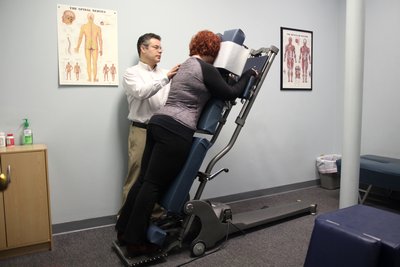

You might not realize it, but your posture plays an essential role in your overall well-being. Poor alignment can lead to discomfort, reduced mobility, and even chronic health issues. Spinal adjustments are a proven method to correct these misalignments, alleviating pain and enhancing your body's function. But how do these adjustments work, and what can you expect from the process? Understanding the nuances of spinal care could be the key to revealing a healthier, more comfortable life.
Understanding Posture and Its Importance
Good posture is essential for your overall well-being, and it affects every aspect of your life. When you stand or sit with proper alignment, your body functions more efficiently. You may not realize it, but good posture can enhance your mood, boost your confidence, and even improve your productivity. By maintaining a neutral spine, you help your muscles and ligaments work in harmony, reducing strain and fatigue.
Think about how often you find yourself hunched over your phone or computer. These habits can lead to muscle imbalances, discomfort, and even chronic pain. You might think it's just a minor issue, but over time, poor posture can lead to serious health concerns, including spinal problems and decreased lung capacity.
You owe it to yourself to prioritize your posture and recognize its importance. By understanding the impact of posture on your daily life, you can take proactive steps to improve it. Start by being conscious of your body alignment throughout the day.
Whether you're standing, walking, or sitting, make an effort to keep your shoulders back, your head aligned over your spine, and your feet shoulder-width apart. Simple adjustments can lead to significant benefits.
Investing time and energy into improving your posture pays off in the long run. Not only will you feel more comfortable, but you'll also experience enhanced physical and mental well-being. By choosing to prioritize your posture today, you're setting the stage for a healthier tomorrow.
Common Causes of Poor Posture
Many factors contribute to poor posture, often stemming from daily habits and lifestyle choices. You mightn't even realize how these habits affect your body until you start experiencing discomfort or pain.
Here are some common causes of poor posture that you may recognize in yourself:
- Prolonged Sitting: Spending hours hunched over a desk or slouched on a couch can lead to muscle imbalances and tension in your back and neck.
- Improper Ergonomics: If your workstation isn't set up correctly, you may find yourself leaning forward or craning your neck to see your screen, further straining your spine.
- Lack of Physical Activity: A sedentary lifestyle can weaken the muscles that support your spine, making it harder to maintain proper posture.
- Carrying Heavy Bags: Overloading a single shoulder with a heavy backpack or purse can create uneven tension in your muscles, leading to a misaligned spine.
It's essential to recognize these habits and make changes to improve your posture.
By becoming aware of how your daily activities impact your body, you can take proactive steps to correct poor posture.
Whether it's adjusting your workspace, incorporating regular movement, or being mindful of how you carry your belongings, small changes can lead to significant improvements.
Start paying attention to your posture today, and you'll likely notice a difference in how you feel and function.
Benefits of Spinal Adjustments
When you experience discomfort or tension in your back and neck, spinal adjustments can offer significant relief and improve your overall posture. These adjustments work by realigning your spine, which helps to alleviate pressure on nerves and muscles. As a result, you may notice a reduction in pain and tension, allowing you to move more freely and comfortably throughout your day.
One of the key benefits of spinal adjustments is their ability to enhance your body's natural ability to heal itself. When your spine is aligned properly, your nervous system functions efficiently, improving communication between your brain and the rest of your body. This can lead to better overall health and energy.
Spinal adjustments can also improve your balance and coordination. With a well-aligned spine, your body can maintain stability more effectively, reducing the risk of falls and injuries. This is especially important as you age or if you lead an active lifestyle.
Additionally, regular spinal adjustments can promote better sleep quality. When your body is free from discomfort, you're more likely to relax and fall asleep easily. This, in turn, allows your body to recover and rejuvenate during the night.
Lastly, by improving your posture, spinal adjustments can boost your confidence and even enhance your mood. You'll stand taller and feel more self-assured, which can have a positive impact on your interactions with others.
The Chiropractic Adjustment Process
How does the chiropractic adjustment process work to restore your spinal alignment? It begins with a thorough assessment of your spine and posture.
During your initial visit, your chiropractor will evaluate your medical history and conduct physical examinations, including range of motion tests. This helps them identify misalignments or areas of tension that might be contributing to your posture issues.
Once they've pinpointed the problem areas, your chiropractor will explain the adjustment techniques they plan to use. These techniques are designed to realign your spine and improve your overall posture.
Here's what you can expect during the process:
- Gentle Manipulation: Your chiropractor will apply controlled force to specific vertebrae, helping to restore proper alignment.
- Targeted Techniques: They may use manual adjustments or specialized instruments to deliver precise corrections tailored to your needs.
- Immediate Feedback: After each adjustment, you'll likely feel a difference in your posture and range of motion, as tension is relieved.
- Follow-Up Care: Your chiropractor will recommend a plan for follow-up visits to guarantee your spine stays aligned and to monitor your progress.
Tips for Maintaining Good Posture
To maintain good posture, you need to focus on a few key areas.
Start by setting up an ergonomic workspace, incorporating regular stretching exercises, and practicing mindful posture awareness throughout your day.
These simple steps can make a big difference in how you feel and function.
Ergonomic Workspace Setup
Creating an ergonomic workspace is essential for maintaining good posture throughout your workday. By setting up your environment thoughtfully, you can reduce strain on your body and enhance your productivity.
Here are some tips to help you create that perfect setup:
- Chair Height: Adjust your chair so your feet rest flat on the ground, with knees at hip level. A chair with lumbar support can help maintain the natural curve of your spine.
- Desk Position: Your desk should allow your elbows to be at a 90-degree angle when typing. This keeps your shoulders relaxed and prevents hunching.
- Monitor Placement: Position your monitor at eye level, about an arm's length away. This helps avoid neck strain and promotes a neutral head position.
- Keyboard and Mouse: Keep your keyboard and mouse close enough to maintain relaxed wrists. Using a wrist rest can provide additional support.
Regular Stretching Exercises
What simple ways can you incorporate regular stretching into your daily routine to maintain good posture?
Start by setting a reminder to stretch every hour. Whether you're at your desk or moving around, take a minute to do some light stretches. Focus on your neck, shoulders, and back, as these areas often tense up from prolonged sitting.
Incorporate stretches that target your chest, like doorway stretches, to counteract hunching over your computer. You can also do seated twists to relieve spinal tension and improve flexibility. A simple side stretch can help open your obliques and lower back, promoting better alignment.
Consider integrating stretching into your morning routine. Before you start your day, dedicate five to ten minutes to stretch your whole body. This not only sets a positive tone for the day but also gets your muscles ready for movement.
Finally, don't forget to stretch after workouts or physical activities. This helps prevent stiffness and keeps your muscles balanced.
Mindful Posture Awareness
Mindful posture awareness is essential for maintaining good alignment throughout your day. By being conscious of how you hold your body, you can prevent discomfort and promote better spinal health.
Here are some tips to help you stay aware of your posture:
- Check your alignment: Regularly assess your posture while sitting, standing, or walking. Confirm your ears, shoulders, and hips are in a straight line.
- Set reminders: Use your phone or sticky notes to remind yourself to check your posture throughout the day. This helps reinforce good habits.
- Engage your core: A strong core supports your spine. Focus on engaging your abdominal muscles when sitting or standing to maintain stability.
- Limit screen time: Take breaks from screens and devices. Stand, stretch, or walk around to reset your posture and reduce strain.
Incorporating these simple practices into your daily routine can make a significant difference.
It might take time and effort, but being mindful of your posture will lead to lasting improvements in your comfort and health.
When to Seek Chiropractic Care
Recognizing the need for chiropractic care can be an essential step towards improving your overall health. If you're experiencing persistent pain in your back, neck, or joints, it's time to reflect on seeking help. Those nagging aches might signal misalignments in your spine or other issues that a trained chiropractor can address.
You should also pay attention to how your posture feels throughout the day. If you find yourself slouching or feeling discomfort while sitting or standing, it's a good indication that your body needs some professional support. Prolonged poor posture can lead to chronic pain and even impact your daily activities.
Another sign to visit a chiropractor is if you've suffered an injury, whether from an accident, sports, or repetitive strain. Even minor injuries can lead to misalignments that may cause further complications if left untreated.
Additionally, if you're experiencing headaches, fatigue, or stress, these can often be linked to spinal issues. A chiropractor can help relieve tension and improve your overall well-being.
Finally, if you've tried other treatments without success, it may be time to explore chiropractic care. The goal is to restore your body's natural alignment and function, helping you live a healthier, more active life.
Don't hesitate to reach out to a chiropractor; your body will thank you for it!
Conclusion
Incorporating spinal adjustments into your wellness routine can make a world of difference for your posture and overall health. By understanding the importance of proper alignment and addressing common causes of poor posture, you can enjoy the benefits of improved mobility and reduced discomfort. Remember to practice good posture habits daily and don't hesitate to seek chiropractic care when needed. Taking these steps will help you maintain a healthy spine and enhance your quality of life.