
If you've been struggling with chronic back pain, you might feel overwhelmed by the options available for relief. Non-invasive solutions can provide effective alternatives without the complications of surgery. From physical therapy techniques to innovative technologies, these approaches not only address pain but also promote a more active role in your recovery. As you consider these methods, it's crucial to understand how each one works and how they can fit into your life. What if the answer to your pain was simpler than you thought?
Understanding Chronic Back Pain
What really causes chronic back pain? You might think it's solely due to heavy lifting or a sudden injury, but it's often more complex. Chronic back pain can stem from various factors, including muscle strain, herniated discs, or even arthritis.
If you've been experiencing persistent discomfort, it's vital to reflect on how lifestyle choices play a role. Poor posture, lack of exercise, and prolonged sitting can all contribute to the pain you feel.
Your body's mechanics also matter. Misalignment in your spine can lead to muscle imbalances, which might cause ongoing aches. Over time, these issues can become chronic if not addressed.
Stress can exacerbate your situation, as it can lead to muscle tension, making your back pain even worse.
Another significant aspect to understand is that chronic pain is more than just a physical issue. It can affect your mental health, leading to anxiety and depression, which in turn can amplify your perception of pain.
You may find that your emotional state is closely tied to how you experience discomfort.
Recognizing these various causes can empower you to take steps towards relief. By identifying the root of your pain, you can begin to make informed choices about self-care and your approach to treatment.
It's imperative to seek professional guidance to pinpoint the specific factors impacting your back, setting you on the path toward recovery and better quality of life.
Benefits of Non-Invasive Treatments
Non-invasive treatments offer a holistic approach to managing chronic back pain, focusing on healing without the need for surgery or medication. By opting for these methods, you're likely to experience a range of benefits that can greatly enhance your quality of life.
First, non-invasive treatments often come with fewer risks and side effects compared to surgical options. You won't have to worry about complications related to anesthesia or lengthy recovery times. This means you can start feeling better without the added stress of invasive procedures.
Additionally, many non-invasive therapies promote long-term solutions rather than just temporary relief. By addressing the underlying issues contributing to your back pain, these treatments can help you regain mobility and improve your overall function. When you focus on strengthening your body and improving your posture, you're also less likely to experience future flare-ups.
Non-invasive options are often more accessible and customizable to your specific needs. Whether it's through lifestyle changes, alternative therapies, or guided exercises, you can find a plan that works best for you. This personalized approach can empower you to take control of your health and wellness.
Lastly, these treatments usually encourage a more active participation in your recovery. You're not just a passive recipient of care; you're actively engaging in strategies to enhance your well-being. This can lead to a greater sense of accomplishment and motivation as you work towards managing your chronic back pain effectively.
Physical Therapy Techniques
Physical therapy techniques play an essential role in managing chronic back pain, offering targeted exercises and modalities to help you regain strength and flexibility.
When you start physical therapy, a trained therapist will assess your condition and create a personalized plan that focuses on your specific needs. This tailored approach helps address the root causes of your pain and improves your overall function.
One effective technique you might encounter is manual therapy, which involves hands-on manipulation of your muscles and joints to alleviate tightness and improve mobility.
Stretching exercises are also integral to your treatment, enhancing flexibility and reducing stiffness in your back. Strengthening exercises help build core stability, which supports your spine and decreases the likelihood of future injuries.
Additionally, modalities such as heat, cold, or electrical stimulation can be used to relieve pain and promote healing. These methods can be especially helpful in reducing inflammation and improving circulation to the affected areas.
Don't underestimate the importance of education during your sessions. Your therapist will teach you proper body mechanics and posture, which can make a significant difference in your daily activities.
As you progress, your therapist will monitor your improvements and adjust your program accordingly, ensuring you're always challenged but not overwhelmed.
Acupuncture and Pain Relief
Acupuncture offers a unique approach to pain relief for those suffering from chronic back pain. This ancient practice involves inserting thin needles into specific points on your body, aiming to restore balance and promote healing. Many people find that acupuncture not only alleviates their pain but also enhances their overall well-being.
You might be wondering how this works. Here are three key benefits of acupuncture for back pain relief:
- Increased Blood Flow: The needle placement stimulates circulation in the affected areas, delivering crucial nutrients and oxygen. This process can reduce inflammation and promote faster healing.
- Release of Endorphins: Acupuncture triggers the release of endorphins, your body's natural painkillers. This can help reduce your perception of pain and improve your mood, making it easier to cope with chronic discomfort.
- Reduced Muscle Tension: By targeting specific points, acupuncture can help relax tight muscles in your back. This relaxation can lead to improved mobility and a decrease in pain levels, allowing you to engage in daily activities with greater ease.
If you're considering acupuncture, it's important to consult a licensed practitioner. They'll tailor the treatment to your specific needs, ensuring a personalized approach to your chronic back pain.
With consistent sessions, many people find significant relief and improved quality of life.
Innovative Technologies
When it comes to managing chronic back pain, innovative technologies are changing the game.
Wearable pain relief devices and virtual reality therapy techniques offer new ways to alleviate discomfort without invasive procedures.
You might find these advancements not only effective but also empowering in your journey to better back health.
Wearable Pain Relief Devices
Wearable pain relief devices are increasingly gaining attention as effective solutions for managing chronic back pain. These innovative technologies provide you with the convenience of pain management without invasive procedures.
By incorporating advanced techniques like electrical stimulation, these devices can help alleviate your discomfort and improve your quality of life.
Here are three standout features of wearable pain relief devices:
- Transcutaneous Electrical Nerve Stimulation (TENS): This technology delivers low-voltage electrical currents to stimulate your nerves, blocking pain signals and promoting natural endorphin release.
- Heat Therapy: Many devices offer soothing heat that increases blood flow and relaxes tense muscles, giving you immediate relief while you go about your day.
- Portable Design: These devices are lightweight and discreet, allowing you to wear them under clothing, whether you're at work, exercising, or relaxing at home.
With these wearable solutions at your disposal, you can take an active role in managing your chronic back pain.
Embracing these technologies can lead to a more enjoyable and functional daily life without relying solely on medication or more invasive treatments.
Virtual Reality Therapy Techniques
Virtual reality therapy techniques are revolutionizing the way you can manage chronic back pain. By immersing you in a virtual environment, these techniques help distract your mind from pain and engage you in interactive experiences that promote relaxation and healing. You can explore serene landscapes or participate in guided exercises designed to improve your mobility and strength.
During a typical session, you'll wear a VR headset that transports you to a calming setting. You'll find that focusing on the visuals and sounds can greatly reduce your perception of pain. Additionally, some programs incorporate biofeedback, allowing you to monitor your body's responses in real-time, which helps you learn how to control pain levels through relaxation techniques.
Research shows that patients using VR therapy report a decrease in pain intensity and an increase in overall well-being. It's a safe, engaging method that combines physical activity with mental stimulation.
Plus, you can practice these techniques from the comfort of your home, making it a convenient option for managing your chronic pain. As technology advances, virtual reality therapy could become a staple in pain management strategies, providing you with a promising alternative to traditional treatments.
Mindfulness and Stress Management
How can mindfulness and stress management techniques alleviate chronic back pain? By focusing your mind and managing stress, you can greatly reduce the tension that often contributes to back pain.
Mindfulness encourages you to stay present, helping you to recognize and release the physical and emotional stress that accumulates throughout the day.
Here are three effective techniques to incorporate into your routine:
- Deep Breathing: Take a few moments to sit comfortably. Inhale deeply through your nose, allowing your belly to expand, then exhale slowly through your mouth. This simple practice calms your nervous system and eases muscle tension.
- Body Scan Meditation: Lie down in a quiet space and mentally scan your body from head to toe. Notice areas of tension or discomfort without judgment. This awareness helps you reconnect with your body, promoting relaxation and reducing pain.
- Guided Imagery: Visualize a peaceful scene, like a beach or a forest, while focusing on your breath. Imagine the warmth of the sun or the sound of waves, allowing this imagery to transport you away from pain and stress.
Lifestyle Changes for Pain Relief
To manage chronic back pain effectively, making some lifestyle changes can be essential.
Incorporating regular exercise, improving your nutrition, and prioritizing quality sleep can greatly impact your pain levels.
Let's explore how these adjustments can lead to relief and a better quality of life.
Exercise and Movement
Over time, incorporating regular exercise and movement into your daily routine can markedly alleviate chronic back pain. Engaging in physical activity helps strengthen your core, improve flexibility, and enhance your overall posture—all essential for supporting your spine.
You don't need to jump into an intense workout regimen; start small and gradually increase your activity level.
Here are three effective ways to get moving:
- Walking: A simple stroll for 20-30 minutes daily can boost circulation and promote healing. Aim for a brisk pace to keep your heart rate up.
- Stretching: Incorporate gentle stretches, such as cat-cow or child's pose, into your routine. These stretches help release muscle tension and improve flexibility in your back.
- Strength Training: Focus on exercises that target your core, such as planks or bridges. Strengthening these muscles provides better support for your spine and can reduce pain.
Nutrition and Hydration
Many people overlook the impact of nutrition and hydration on chronic back pain, but what you eat and drink can greatly affect your body's ability to heal. A balanced diet rich in anti-inflammatory foods can help reduce pain and improve overall health. Focus on incorporating fruits, vegetables, whole grains, lean proteins, and healthy fats into your meals.
Foods like fatty fish, nuts, and leafy greens can provide essential nutrients that promote healing and reduce inflammation.
Hydration is equally important. Dehydration can lead to muscle cramps and exacerbate pain. Make sure you're drinking enough water throughout the day to keep your muscles and joints lubricated. Aim for at least eight glasses daily, adjusting based on your activity level and climate.
Additionally, consider reducing your intake of processed foods, sugars, and saturated fats, as these can contribute to inflammation and worsen your pain. Instead, opt for whole, nutrient-dense foods that support your body's natural healing processes.
Sleep Quality Improvement
Improving your sleep quality can greatly impact chronic back pain relief. When you prioritize restful sleep, your body has a chance to heal and rejuvenate.
Here are three effective lifestyle changes to enhance your sleep quality:
- Create a Sleep Sanctuary: Transform your bedroom into a calming oasis. Use blackout curtains, comfortable bedding, and a cool temperature to promote relaxation.
- Establish a Consistent Routine: Go to bed and wake up at the same time every day, even on weekends. This helps regulate your internal clock, making it easier to fall asleep and wake up refreshed.
- Limit Screen Time Before Bed: Reduce exposure to screens at least an hour before bedtime. The blue light emitted from devices can interfere with melatonin production, making it harder to drift off.
Seeking Professional Guidance
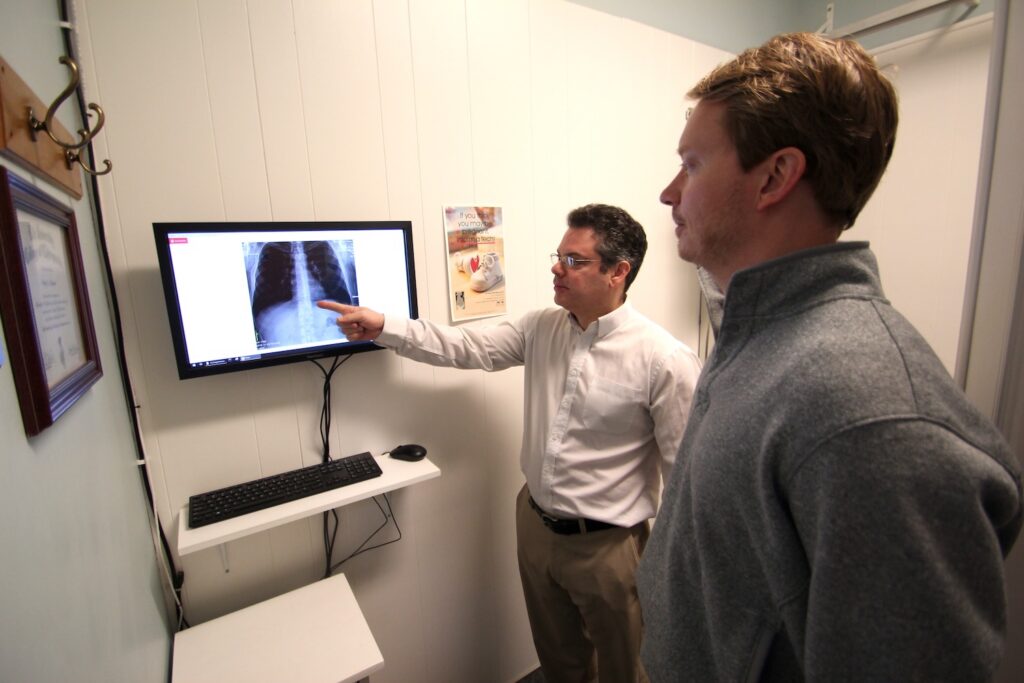
When dealing with chronic back pain, it's important to seek professional guidance to confirm you're on the right track to recovery. A qualified healthcare provider can assess your specific condition, identify underlying issues, and recommend a tailored treatment plan that suits your needs. This step is vital because chronic back pain can stem from various factors, including muscle strain, poor posture, or even underlying medical conditions.
Consulting with a physical therapist can be particularly beneficial. They can design a personalized exercise program to strengthen your back and core muscles, improving your overall stability and reducing pain.
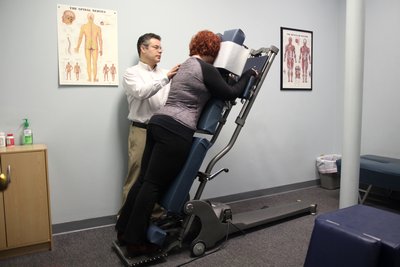
In addition, a chiropractor might offer spinal manipulation techniques that relieve tension and restore alignment, promoting better movement and comfort.
Don't overlook the significance of speaking with a pain management specialist. They can help you explore non-invasive options like acupuncture, massage therapy, or cognitive behavioral therapy, all of which have shown promise in managing chronic pain effectively.
Furthermore, always keep an open line of communication with your healthcare provider. Regularly discussing your progress and any changes in your symptoms allows them to adjust your treatment plan as necessary.
This collaborative approach confirms you're actively involved in your recovery journey.
Conclusion
In exploring non-invasive solutions for chronic back pain, you can find relief without the risks of surgery. By incorporating physical therapy, acupuncture, and innovative technologies into your routine, you're taking active steps towards healing. Don't forget the power of mindfulness and simple lifestyle changes; they can greatly enhance your journey. Remember, seeking professional guidance guarantees you're on the right path. Embrace these holistic approaches, and take control of your back pain for a healthier, happier life.