
When considering ways to enhance your athletic recovery, you might not immediately think of alternative therapies like chiropractic care. However, incorporating practices such as acupuncture, cryotherapy, and massage can provide you with substantial benefits that extend beyond conventional methods. These therapies not only help reduce physical soreness but also improve your mental clarity, which is crucial for achieving peak performance.
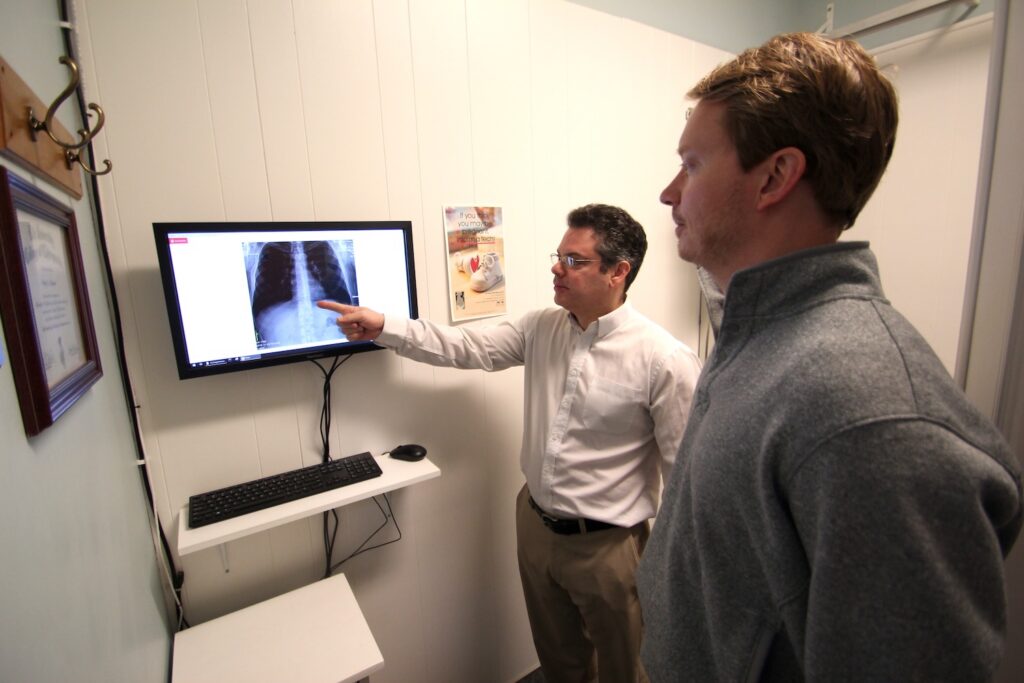
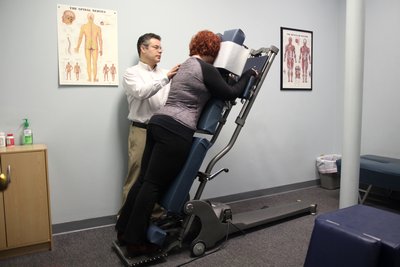
As a local chiropractor, I encourage you to explore how these alternative treatments can complement your recovery routine. For instance, chiropractic adjustments can help align your spine, improving overall body function and facilitating better blood flow, which is vital for recovery. Acupuncture can target specific pain points, promoting healing and reducing inflammation. Cryotherapy can assist in reducing muscle soreness and swelling, while massage therapy can enhance relaxation and muscle recovery.
By integrating these therapies into your training regimen, you may be surprised by how they can transform not just your recovery process, but your entire approach to health and athletic performance. What specific benefits can you expect from these therapies? Let's discuss how they can work together to support your goals.
Benefits of Alternative Therapies
As a local chiropractor, I want to share the numerous benefits of incorporating alternative therapies into your athletic recovery and overall well-being. While traditional recovery methods certainly have their merits, integrating practices such as yoga, massage, and mindfulness can significantly enhance your performance and accelerate your recovery process.
Take yoga, for example. It not only boosts flexibility and strength but also encourages relaxation. Regular practice can help alleviate muscle tension, improve blood circulation, and increase joint mobility. These benefits can lead to faster recovery times following intense workouts or competitions, allowing you to get back to your training sooner.
Massage therapy is another essential component of a well-rounded recovery strategy. By working on soft tissues, it helps reduce soreness and stiffness while promoting improved blood flow. This rejuvenating effect can prepare you for your next training session.
Additionally, through massage, you can identify areas of tension that, if ignored, could potentially lead to injuries down the line.
Mindfulness and meditation are also powerful tools that can enhance your recovery journey. By concentrating on your breath and remaining present, you can effectively lower stress levels and boost your mental clarity. This mental reset can foster greater resilience, particularly during challenging workouts or competitions.
At our chiropractic practice, we believe in a holistic approach to recovery that combines these alternative therapies with chiropractic care. By doing so, you not only improve your physical health but also bolster your mental well-being, allowing you to perform at your peak.
I encourage you to explore these options and discover how they can positively influence your athletic journey and overall health.
Acupuncture for Muscle Recovery
As a local chiropractor, I want to share how incorporating acupuncture into your recovery routine can significantly enhance your muscle healing and overall performance. This age-old practice involves the insertion of thin needles at specific points on your body. By doing so, it stimulates the flow of energy and promotes healing in a natural way. You may be surprised at how effective acupuncture can be for muscle recovery.
When you push your body to its limits, tiny tears occur in your muscles, leading to soreness and fatigue. This is where acupuncture can play a key role. It helps alleviate discomfort by boosting blood circulation to the affected areas. Improved circulation means that oxygen and essential nutrients reach your muscles more effectively, speeding up the healing process. As a result, you might notice a significant reduction in soreness and an improvement in your range of motion, making it easier for you to return to your training.
Furthermore, acupuncture can help tackle inflammation, which is a common issue many of us face after intense workouts. By focusing on specific acupoints, this treatment can help regulate your body's inflammatory response, enabling a more efficient recovery. This means fewer injuries and enhanced long-term performance.
Beyond physical benefits, many patients report an uplifted mental state after acupuncture sessions. Feeling more relaxed and focused can be crucial for achieving peak performance. This mental clarity can empower you to approach your next workout with renewed energy and determination.
If you're curious about how acupuncture and chiropractic care can work together to support your recovery journey, I invite you to explore these natural healing methods with me. Together, we can help you achieve your wellness goals.
The Role of Cryotherapy
As a local chiropractor, I want to share with you an exciting method that can significantly enhance your athletic recovery: cryotherapy. This innovative technique involves exposing your body to extremely cold temperatures for a brief period, usually around three minutes. The result is a cascade of physiological responses that can profoundly aid in your recovery process.
When you enter a cryotherapy chamber, your skin temperature drops quickly. This sudden change stimulates increased blood flow as your body works to maintain its core temperature. Enhanced circulation plays a crucial role in reducing inflammation, helping to flush out toxins and efficiently deliver oxygen and nutrients to your muscles. Consequently, many athletes experience quicker recovery times following intense workouts or competitions.
You may also find that cryotherapy helps alleviate soreness and pain in your muscles and joints. Numerous athletes report feeling rejuvenated and less fatigued after just one session. Additionally, the cold exposure can trigger the release of endorphins, which not only boosts your mood but also provides a mental advantage as you gear up for your next training session.
Integrating cryotherapy into your recovery regimen can complement other natural therapies, such as chiropractic care, and improve your overall athletic performance.
However, it's essential to consult with a healthcare professional, like a chiropractor or a sports recovery expert, to determine if cryotherapy is suitable for you.
If you're eager to elevate your recovery game and explore the benefits of natural healing, consider trying cryotherapy and experience the positive impact it can have on your athletic journey.
Massage Therapy Techniques
As a local chiropractor, I want to share how massage therapy techniques can play a pivotal role in enhancing your athletic recovery and overall well-being. Many people may not realize the benefits of these techniques, which can help reduce muscle tension, improve circulation, and promote relaxation—essential components after engaging in intense physical activity.
By incorporating a variety of massage styles, we can tailor treatments to meet your specific recovery needs, ensuring you gain the maximum benefits from each session.
One of the most widely recognized techniques is Swedish massage, characterized by its gentle, flowing strokes. This method is fantastic for promoting overall relaxation and enhancing blood flow, which is crucial for muscle recovery.
If you experience tightness or soreness, deep tissue massage may be the ideal choice for you. This approach targets the deeper layers of muscle and connective tissue, effectively breaking up knots and alleviating chronic tension.
For athletes, a specialized option is sports massage, which integrates elements of both Swedish and deep tissue techniques. This type of massage can be performed before an event to enhance performance or after an event to facilitate recovery.
Additionally, trigger point therapy is another effective method that focuses on specific tight areas in your muscles, helping to release pain and restore function.
It's also important not to overlook self-massage techniques, such as using foam rollers or massage balls. These tools can empower you to maintain muscle health between professional sessions, reinforcing the benefits of your chiropractic care.
By integrating various massage therapy techniques into your recovery routine, you can improve your overall performance and reduce the risk of injury.
Remember, your body deserves the care and attention that massage can provide. Making massage therapy a priority in your athletic recovery plan can complement the chiropractic adjustments and treatments we offer, helping you achieve optimal health and wellness.
If you have any questions or would like to explore how these techniques can benefit you, feel free to reach out!
Yoga and Flexibility Enhancement
As a chiropractor dedicated to promoting natural healing and overall wellness, I want to share the incredible benefits of incorporating yoga into your recovery and fitness regimen. Many of my patients may not be familiar with how yoga can complement chiropractic care, but it offers a powerful approach to enhancing flexibility and boosting athletic performance.
Integrating yoga into your routine can help you recover more effectively, relieve stress, and sharpen your mental focus. By practicing yoga, you become more attuned to your body, which not only aids in recovery but can also enhance your performance in various physical activities.
Here are some important benefits of adding yoga to your recovery plan:
- Increased Flexibility: Regular yoga practice helps stretch and lengthen tight muscles, which can significantly improve your range of motion—an essential factor for maintaining proper alignment and mobility.
- Enhanced Balance: Yoga focuses on balance and coordination, skills that are crucial for stability in any athletic endeavor. This can help prevent falls and improve your overall movement efficiency.
- Reduced Injury Risk: By enhancing flexibility and strength, yoga can be a valuable tool in preventing injuries commonly associated with overuse or improper technique. This is especially important for those who engage in repetitive physical activities.
- Muscle Recovery: The gentle movements in yoga promote circulation, allowing for better blood flow to your muscles. This helps flush out toxins and speeds up recovery after intense workouts, which aligns well with chiropractic adjustments.
- Mental Clarity: Yoga's meditative practices can significantly reduce stress and anxiety. This mental clarity not only enhances your overall well-being but also allows you to concentrate better during your training and competitions.
I encourage you to incorporate a few yoga sessions into your weekly routine. You may find noticeable improvements not just in your flexibility but also in your overall athletic performance.
Whether you choose a gentle flow or a more vigorous power yoga class, each session contributes positively to your recovery journey. Start exploring the transformative power of yoga today, and see how it can enhance your health and athletic experience!
Conclusion
As a local chiropractor, I want to share how incorporating alternative therapies into your recovery routine can significantly enhance your athletic performance. Embracing practices such as chiropractic care, acupuncture, cryotherapy, massage, and yoga not only aids in healing your body but also helps to sharpen your mind. These techniques are effective in reducing soreness, improving flexibility, and boosting your overall well-being.
Chiropractic care, for instance, focuses on aligning the spine and optimizing your nervous system function, which can lead to quicker recovery times and better athletic performance. When combined with other therapies like massage and yoga, you'll likely experience improved focus and a stronger resilience, making you a more well-rounded athlete.
I encourage you to explore these natural healing methods. They can complement your training regimen and prepare you to tackle your next challenge with confidence and strength. Let's work together to create a recovery plan that fits your needs and helps you achieve your athletic goals!