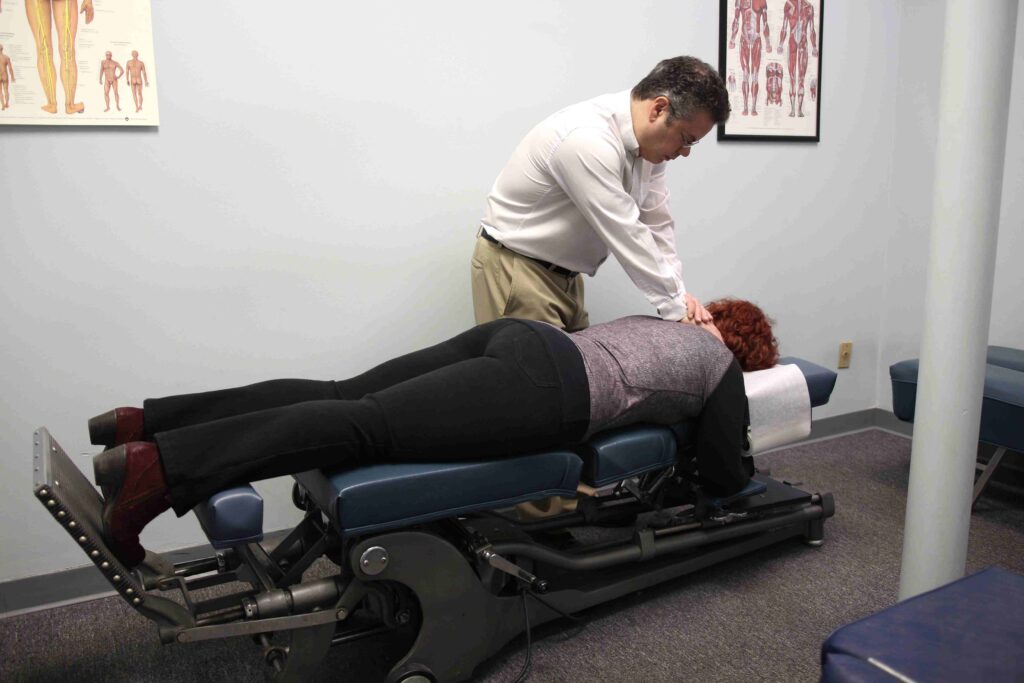

You might not realize it, but your posture at work plays a significant role in your overall well-being. Poor alignment can lead to discomfort, fatigue, and even chronic pain, impacting your productivity and mood. By making simple adjustments and fostering a culture of awareness around posture, you could enhance not just your own health but also that of your colleagues. What steps can you take to create a more supportive environment, and what long-term benefits might you expect from prioritizing posture correction?
The Importance of Posture
Understanding the importance of posture is essential for maintaining overall health and productivity in the workplace. When you sit or stand with proper alignment, you support your body's natural structure, reducing strain on your muscles and joints. This awareness can greatly impact how you feel throughout the day.
Good posture not only contributes to physical well-being but also enhances your mental focus. When you maintain an upright position, your breathing improves, allowing for better oxygen flow to your brain. This increased oxygen supply can boost your concentration and keep you alert during long hours of work. You'll find that simple adjustments in your posture can lead to improved energy levels, enabling you to tackle tasks more efficiently.
Moreover, maintaining proper posture can prevent discomfort and fatigue. Slouching or leaning forward strains your back and neck, which could lead to chronic pain over time. By being mindful of your posture, you can help prevent these issues before they start, ensuring that you remain comfortable and productive throughout your workday.
Incorporating posture checks into your daily routine is straightforward. Set reminders to evaluate your stance or invest in ergonomic furniture that encourages good posture. Engage in exercises that strengthen your core, as a strong core supports better alignment.
Common Posture Issues
Many people struggle with slouching and hunching throughout the day, which can lead to discomfort and long-term issues.
You might also notice a tendency to lean your head forward, a common issue known as forward head posture.
Recognizing these problems is the first step toward improving your overall wellness at work.
Slouching and Hunching
Poor posture can silently sabotage your well-being, with slouching and hunching being among the most common culprits. When you slouch, your spine curves unnaturally, which can lead to discomfort and tension in your back, neck, and shoulders. This improper alignment not only impacts your physical health but can also affect your mood and productivity.
You mightn't notice it at first, but when your shoulders slump forward and your chin juts out, you're likely straining your muscles. This can lead to chronic pain, fatigue, and even decreased focus. It's easy to fall into this habit, especially during long hours at a desk or while using your phone.
To combat slouching and hunching, make a conscious effort to sit tall and engage your core. Adjust your chair height so your feet rest flat on the ground, and keep your monitor at eye level.
Taking regular breaks to stretch and realign your posture can also make a significant difference. Remember, small changes add up, and correcting your posture can enhance your overall workplace wellness. Stay mindful of your body, and you'll feel the benefits in no time.
Forward Head Posture
Forward head posture can creep in without you even realizing it, especially during long hours spent hunched over screens or devices. This posture occurs when your head juts forward, causing your neck to strain and creating tension in your upper back.
You mightn't notice it at first, but over time, this misalignment can lead to discomfort, headaches, and even chronic pain.
To combat forward head posture, start by being aware of your alignment. When sitting or standing, make sure your ears align with your shoulders. An ergonomic workstation can help; position your monitor at eye level and use a chair that supports your lower back.
Taking regular breaks to stretch your neck and shoulders can also relieve tension.
Incorporating exercises that strengthen your neck and upper back muscles is essential. Simple stretches like chin tucks can help realign your head and neck.
Benefits of Posture Correction
Correcting your posture can greatly improve your physical health by reducing pain and preventing injuries.
You'll also notice enhanced mental wellbeing, as better alignment can lead to increased energy and focus.
Let's explore how these benefits can transform your workplace experience.
Improved Physical Health
A strong posture can markedly enhance your physical health, making you feel more energized and less fatigued throughout the day. When you sit or stand correctly, you align your spine and reduce unnecessary strain on your muscles and joints. This alignment helps prevent chronic pain, particularly in your back, neck, and shoulders.
Good posture also improves circulation, ensuring that blood flows more freely throughout your body. This increased circulation can lead to better oxygen distribution, which helps your muscles work more efficiently and can even boost your overall stamina. Additionally, when you maintain proper posture, you're less likely to develop tension headaches and other discomforts associated with poor positioning.
Moreover, a strong posture can enhance your respiratory function. When you sit or stand tall, your lungs have more room to expand, allowing for deeper breaths. This leads to improved oxygen intake, which can increase your energy levels and overall liveliness.
Enhanced Mental Wellbeing
Posture correction can greatly boost your mental wellbeing, with studies showing that simply standing tall can enhance mood and confidence. When you maintain good posture, you send signals to your brain that promote a positive self-image. This can lead to decreased levels of anxiety and increased feelings of empowerment throughout your day.
By aligning your body properly, you not only reduce physical discomfort but also create a more favorable mental state. You're likely to feel more alert and focused, making it easier to tackle tasks and communicate effectively with colleagues. Improved posture can also influence how others perceive you, leading to more positive interactions and stronger relationships at work.
Additionally, standing or sitting up straight can improve your breathing. Better oxygen flow helps your brain function more efficiently, which can result in sharper thinking and creativity. When you're mentally sharp and in a good mood, your productivity naturally increases.
Incorporating posture correction techniques into your daily routine at work can greatly enhance your overall mental wellbeing, helping you feel more confident, engaged, and motivated.
Ergonomic Workspace Setup
An effective ergonomic workspace setup is vital for maintaining comfort and productivity throughout your workday. When you arrange your workspace thoughtfully, you can minimize strain on your body, which helps you stay focused and energized.
Start by adjusting your chair. It should support your lower back, allowing your feet to rest flat on the floor or on a footrest. Your knees should be at or just below hip level.
Next, position your desk and monitor correctly. Your computer screen should be an arm's length away, with the top of the screen at or slightly below eye level. This setup helps to reduce neck strain and keep your eyes comfortable.
If you use a keyboard and mouse, make sure they're at the same height as your elbows, which should be bent at about 90 degrees. This alignment helps prevent wrist and shoulder discomfort.
Lighting is another important element. Confirm your workspace is well-lit to reduce eye strain, but avoid glare on your screen. If possible, use natural light, supplemented by task lighting if needed.
Don't forget to declutter your workspace. A tidy environment promotes focus and reduces distractions.
Finally, consider adding ergonomic accessories like a wrist rest or an adjustable monitor stand.
Exercises for Better Posture
Maintaining an ergonomic workspace is just the first step toward better overall wellness; incorporating specific exercises can greatly enhance your posture. Simple, effective exercises can make a world of difference in how you feel throughout your workday.
Start with the chin tuck. Sit up straight and gently pull your chin back, creating a double chin effect. Hold for five seconds, then release. Repeat this 10 times to strengthen your neck muscles.
Next, try shoulder blade squeezes. While sitting, pull your shoulders back and down as if you're trying to pinch a pencil between your shoulder blades. Hold for five seconds, then relax. Aim for 10 repetitions to improve upper back strength.
Another great exercise is the seated cat-cow stretch. While seated, arch your back and lift your chest as you inhale; then round your back and tuck your chin to your chest as you exhale. Repeat this movement for 10 breaths to increase spinal flexibility.
Lastly, don't forget about the standing stretch. Stand up, interlace your fingers, and stretch your arms overhead while standing tall. Lean slightly to one side and then the other, holding each stretch for several seconds. This helps relieve tension and promotes a more upright posture.
Incorporate these exercises into your daily routine to combat the negative effects of prolonged sitting. Your body will thank you for the effort, resulting in improved posture and overall wellness.
Creating a Supportive Culture
A supportive workplace culture is essential for fostering wellness and encouraging employees to prioritize their posture and overall health. When you create an environment that values well-being, you'll see employees not only becoming more aware of their posture but also feeling motivated to make positive changes.
Start by promoting open communication about health and wellness. Encourage team members to share their experiences and tips on maintaining good posture; this can lead to a collaborative atmosphere that reinforces healthy habits.
You can also provide resources such as workshops or seminars focused on posture correction and ergonomics. By investing in education, you'll empower employees to understand the importance of proper posture and how it impacts their daily lives.
Additionally, consider implementing regular check-ins where employees can discuss their progress and challenges. This supportive approach fosters accountability and encourages individuals to seek help when needed.
Incorporating posture-friendly tools, like adjustable desks or ergonomic chairs, shows that you care about your team's physical well-being. Make these resources easily accessible, and encourage employees to take advantage of them.
Finally, celebrate successes, no matter how small. Recognizing improvements in posture or overall wellness can motivate others to follow suit.
Long-Term Wellness Strategies
Sustained wellness hinges on the adoption of long-term strategies that prioritize posture and overall health in the workplace. To achieve this, you need to integrate daily habits that support both your physical and mental well-being.
Start by setting up an ergonomic workspace that encourages proper posture. Adjust your chair, desk, and computer screen so they align with your body's natural alignment. This small change can markedly reduce discomfort and enhance productivity.
Incorporating regular movement breaks into your daily routine is another essential strategy. Aim to stand up, stretch, or walk for a few minutes every hour. This not only alleviates tension but also refreshes your mind and boosts energy levels.
Consider using reminders or apps to keep you accountable.
Additionally, fostering mindfulness through practices such as meditation or deep-breathing exercises can greatly enhance your overall wellness. This helps you stay centered and better manage stress, which is often exacerbated by poor posture and prolonged sitting.
Lastly, prioritize hydration and nutrition. Keeping your body well-hydrated and fueled with nutritious foods supports your physical health and cognitive function.
Creating a culture of wellness within your workplace encourages others to adopt these practices too, reinforcing a community focused on long-term health.
Conclusion
By prioritizing posture correction in your workplace, you're not just enhancing physical health; you're boosting overall morale and productivity. Simple changes, like ergonomic furniture and regular movement breaks, can make a huge difference. Encourage open discussions about posture and wellness, and watch your team thrive. Committing to these strategies fosters a supportive culture that benefits everyone in the long run. So, take those steps today to create a healthier, more engaged workforce!