

Back Pain in Charlotte: Causes, Biomechanics, and Chiropractic Care
Back pain can make simple tasks feel complicated. Whether you’re lifting your toddler, sitting through a workday in Uptown, or walking the Little Sugar Creek Greenway, a stubborn ache can slow you down. At Chiropractic Fitness here in Charlotte, we help people every day understand why their back hurts and what to do about it. In this guide, you’ll learn the most common causes of back pain, how your spine and supporting tissues work together, and how chiropractic care helps you move with confidence again.
What causes back pain? Most back pain comes from mechanical issues—how the joints, discs, muscles, and ligaments of your spine move and share load. Irritation, restriction, or imbalance in these structures can trigger pain, stiffness, and nerve symptoms. A thorough chiropractic evaluation identifies the specific source so we can address it directly.
What Back Pain Really Means
Back pain is a signal. It tells us that something about the way your spine and surrounding tissues are moving, stabilizing, or handling load isn’t quite right. Sometimes the pain is sharp and sudden after a lift or twist. Sometimes it builds over weeks of long commutes on I‑77 or hours at a laptop. Either way, the source is usually mechanical and treatable with conservative, hands-on care.
Your spine is a stack of bones (vertebrae) separated by discs that act like cushions. Joints connect each segment and guide movement. Muscles and ligaments support and stabilize everything. When one part gets irritated or stuck, other areas compensate. Over time, that compensation can create pain—locally or in a different spot entirely.
The Most Common Causes in Everyday Life
While every case is unique, these are the frequent culprits we see at Chiropractic Fitness:
- Joint restriction and misalignment. Facet joints connect the back of each vertebra. When these joints become restricted or slightly misaligned, they can inflame and produce sharp, pinpoint pain. You might notice it more when leaning backward or turning.
- Disc irritation. Discs can become irritated, bulge, or herniate. This may cause central low back pain or radiating symptoms into the leg, often called sciatica when the sciatic nerve is involved. Disc issues commonly feel worse with bending, sitting, or coughing.
- Muscle strain and guarding. Overuse, sudden lifting, or de-conditioning can strain the spinal muscles. In response, the body may tighten surrounding muscles to guard the area, increasing stiffness and soreness, especially after inactivity.
- Ligament sprain. Ligaments stabilize joints. A quick twist, slip, or awkward lift can sprain them, leading to localized tenderness and a sense of instability for a few days to weeks if not addressed.
- Sacroiliac (SI) joint dysfunction. The SI joints connect your spine to your pelvis. Irritation here can create pain on one side of the low back or buttock and may mimic sciatica. It’s common during transitional movements like getting out of a car.
- Posture and ergonomics. Long hours at a desk, a wallet in the back pocket, or cradling a phone with your shoulder can gradually overload the spine. Small changes to your setup can make a big difference.
- Age-related changes. Spinal osteoarthritis or disc degeneration can narrow joint spaces and sensitize nearby tissues. These natural changes don’t doom you to pain, but they do make consistent spinal care and movement even more important.
- Spinal stenosis. Narrowing around the nerves can cause back and leg symptoms, often eased by leaning forward and aggravated by prolonged standing or walking. Many people do well with careful, conservative management.
- Scoliosis and asymmetry. A curved or rotated spine can create uneven loading. With targeted chiropractic care and mobility work, many people manage these patterns comfortably and stay active.
- Lifestyle triggers. Weekend yardwork, heavy home projects, new exercise programs, or sudden increases in mileage can all flare a sensitive back—especially without proper warm-up or recovery.
Understanding the Biomechanics: Why Pain Shows Up Where It Does
Your spine is a team. The hips, pelvis, core, and thoracic spine must share load smoothly for the low back to feel good. When the hips are stiff, the low back bends more. When the upper back is rigid from screen time, the low back absorbs extra motion. Even foot mechanics can influence how the pelvis and spine stack.
Pain often shows up at the area taking on the most work—not necessarily the original problem spot. For example, if your mid-back is tight, your low back may twist more during a golf swing at one of Charlotte’s courses, leaving it sore after nine holes. That’s why a thorough exam is essential: we look above and below the pain to find the true driver.
How Chiropractic Care at Chiropractic Fitness Helps
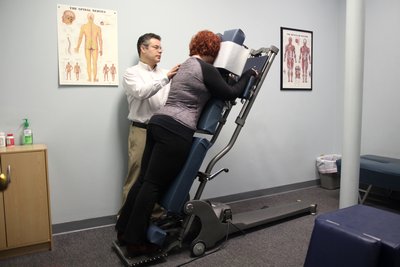
Chiropractic is the frontline, conservative solution for spine-related pain and mobility problems. Our focus is simple: identify which joints aren’t moving well, restore normal motion with precise adjustments, and support the surrounding muscles and nerves so your body can heal and perform.
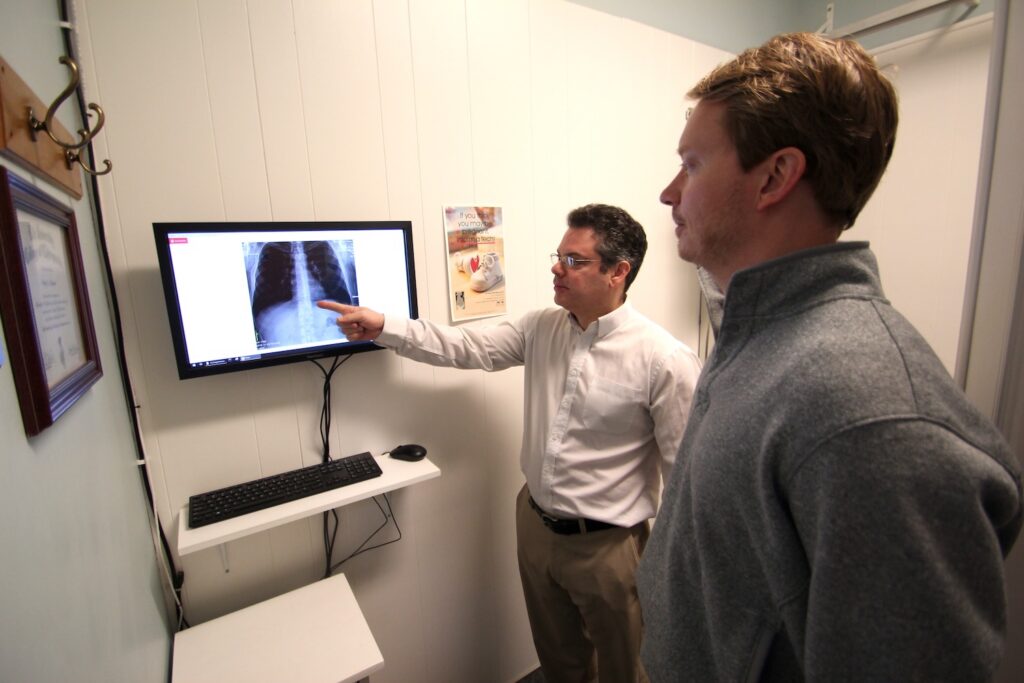
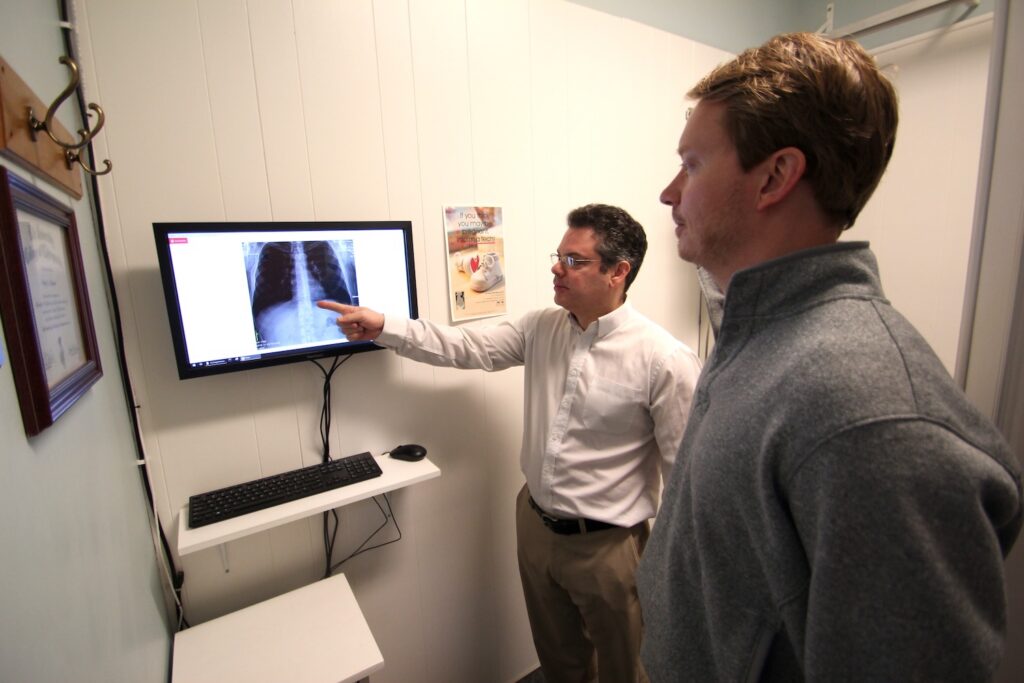
What to expect with us in Charlotte: We begin with a detailed history, orthopedic and neurologic screening, movement assessment, and targeted palpation to pinpoint the source. When appropriate, spinal adjustments restore motion to restricted joints and reduce irritation. As function returns, we layer in tailored movement strategies and loading progressions to keep improvements lasting.
Many guidelines support conservative, hands-on care for back pain, including spinal manipulation. Research suggests spinal manipulation can reduce pain and improve function for many patients with acute and chronic low back pain as part of a non-invasive care plan (see American College of Physicians guideline; NIH/NCCIH overview). We apply these principles thoughtfully and individually.
Our approach does not wait for symptoms to become severe. Early chiropractic assessment often leads to faster improvement, fewer recurrences, and better long-term spine health. When a case requires imaging or co-management, we’ll discuss those steps and coordinate as needed, but our first goal is a precise, effective chiropractic plan.
References for further reading: American College of Physicians Guideline on Noninvasive Treatments; NIH/NCCIH: Spinal Manipulation – What You Need to Know.
Practical Ways to Protect Your Back Today
Small, consistent habits go a long way. Try these to support your spine between visits:
- Break up sitting every 30–45 minutes. Stand, walk a minute, or do 5 gentle back extensions with hands on hips.
- Set your desk for success: top of screen at eye level, hips slightly above knees, feet flat, and elbows near 90 degrees.
- Hip-hinge for lifts: push hips back, keep the object close, and exhale as you stand. Avoid twisting with a load.
- Walk daily. Even 10–20 minutes on the neighborhood greenways can reduce stiffness and improve mood.
- Sleep smart: if you’re a side sleeper, place a pillow between knees; if on your back, a small pillow under knees can ease pressure.
Notice which movements ease your pain and which aggravate it. Share that with us at your visit—we’ll fine-tune your plan accordingly.
When to See a Chiropractor in Charlotte
It’s time to schedule if you notice any of the following:
- New or worsening pain: lingers more than a few days or limits normal activities like driving, lifting, or sleep.
- Recurring episodes: pain that keeps coming back during workweeks, yardwork seasons, or sports training.
- Stiffness or restricted movement: doesn’t improve with light activity or simple mobility work.
- Nerve-type symptoms: tingling, burning, or radiating pain into the glute, thigh, or leg—common clues that a joint or disc is irritating a nerve.
- Uneven loading: your back always flares on one side, or your hips feel off-kilter when you walk or run.
When to Seek Urgent or Additional Medical Help
Most back pain is mechanical and responds well to chiropractic care. However, certain red flags require prompt medical evaluation:
- New bowel or bladder incontinence, saddle numbness, or rapidly worsening leg weakness
- Unexplained fever, chills, or night sweats with back pain
- History of cancer with new, persistent back pain
- Severe, unrelenting pain at night or unexplained weight loss
- Significant trauma (e.g., fall from height, car accident) or suspected fracture
If you’re unsure, call us. We’ll help you decide the safest next step and coordinate referrals when indicated.
Myths vs. Facts About Back Pain
| Myth | Fact |
|---|---|
| “Bed rest is the best cure for back pain.” | Brief rest may help, but gentle movement and progressive activity typically support better recovery. |
| “If my back hurts, I must need an MRI.” | Imaging isn’t always necessary. Many findings (like mild disc bulges) are common even without pain. A hands-on exam guides care first. |
| “It’s always a herniated disc.” | Pain can come from joints, muscles, ligaments, or nerves. Accurate diagnosis matters. |
| “Only surgery fixes back pain.” | Most back pain improves with conservative care, including chiropractic adjustments and guided movement. |
| “Adjustments are painful or risky.” | Chiropractic adjustments are typically gentle and well-tolerated when delivered by a licensed chiropractor after evaluation. |
| “Posture alone causes pain.” | Posture matters, but so do strength, mobility, sleep, and stress. It’s the combination that counts. |
Final Thoughts for Our Charlotte Community
Back pain can feel complicated, but the path forward doesn’t have to be. At Chiropractic Fitness, we take time to listen, examine, and explain. Our goal is to correct the cause, restore your movement, and help you get back to the activities you love—from gardening in SouthPark to weekend hikes at Crowders Mountain.
If you’re in the Charlotte area and your back is keeping you from doing life on your terms, we’re here to help with evidence-informed, hands-on chiropractic care built around you.
Frequently Asked Questions
What causes lower back pain most often?
The most common sources are joint restrictions, disc irritation, muscle strain, and SI joint dysfunction. A chiropractic exam helps pinpoint which is driving your pain.
What’s the difference between a herniated disc and sciatica?
A herniated disc is a change in the disc itself. Sciatica refers to irritation of the sciatic nerve, which can be caused by a disc, joint swelling, or tight tissues along the nerve’s path.
Can chiropractic help a disc bulge?
Many people with disc bulges respond well to chiropractic care focused on improving joint motion, reducing irritation, and guiding safe movement progressions. Individual results vary.
How long until I feel better?
Some feel relief quickly; others improve steadily over several visits. Timelines depend on the cause, how long it’s been present, and how consistently you follow your plan.
Do I need an MRI before seeing a chiropractor?
Not usually. Most mechanical back pain can be evaluated and treated without imaging. If red flags or atypical findings appear, we’ll discuss appropriate imaging.
Is chiropractic safe during pregnancy?
Yes, chiropractic care can be adapted for pregnancy and is commonly used to ease back and pelvic discomfort. We tailor techniques for comfort and safety.
TL;DR
- Back pain is usually mechanical—joints, discs, muscles, or ligaments not moving or sharing load well.
- Chiropractic adjustments restore motion, calm irritated tissues, and help you move confidently.
- Daily habits—movement breaks, hip-hinge lifts, and smart sleep positions—support recovery.
- See a chiropractor if pain lingers, recurs, limits activity, or includes nerve-like symptoms.
- Seek urgent medical care for red flags like bowel/bladder changes, fever, cancer history with new pain, or significant trauma.