
If you're dealing with back pain in Charlotte, you might be wondering how to find effective treatments that won't break the bank. Over the next 30 days, you can explore a range of options, from physical therapy to alternative therapies like acupuncture, all designed to ease your discomfort. You'll also discover local resources and health insurance plans that could make a significant difference. But what if you could combine these approaches to maximize your recovery while keeping costs low? The answers might surprise you as you navigate this journey toward relief.
Understanding Back Pain
Back pain often affects people at some point in their lives, and understanding its causes can help you find the right treatment. You might experience back pain due to various factors, including muscle strains, injuries, or even poor posture. Sometimes, it stems from underlying conditions like herniated discs or arthritis. Recognizing these causes is the first step toward effective management.
When you think about muscle strains, consider how lifting heavy objects incorrectly or sudden awkward movements can lead to discomfort. If you've been sitting for long periods, you may notice stiffness creeping in, particularly if you're slouching. Being aware of your posture while sitting or standing can make a significant difference.
In addition to physical causes, emotional factors can contribute to back pain. Stress and anxiety may lead to muscle tension, which can exacerbate your discomfort. Practicing relaxation techniques or engaging in regular physical activity can help alleviate this tension.
Sometimes, back pain can be linked to lifestyle choices. If you're not getting enough exercise, your core muscles might weaken, leaving your back vulnerable. Evaluating your daily habits, such as your exercise routine and sleeping positions, can provide insights into your back pain.
Ultimately, understanding the various causes of back pain empowers you to take control of your health. By identifying what triggers your discomfort, you can better approach treatment options and make informed choices to support your recovery.
Importance of Affordable Treatments
Understanding the causes of your back pain is just the beginning; finding affordable treatment options is equally significant. You don't want to sacrifice quality care for cost, but let's face it—medical expenses can add up quickly. When you're in pain, the last thing you need is financial stress on top of it. Access to affordable treatments guarantees you can focus on healing rather than worrying about bills.
Affordable treatments empower you to seek help without hesitation. If you're limited by budget constraints, you might delay necessary care, which can lead to worsening symptoms and a longer recovery time. Finding cost-effective solutions allows you to address your back pain promptly, preventing it from turning into a chronic issue.
Moreover, affordable treatments often encourage consistency in care. When you have access to reasonably priced options, you're more likely to stick to your treatment plan. This consistency is essential for achieving long-term relief and improving your overall well-being.
Additionally, affordable options can help you explore various treatment modalities. Whether it's physical therapy, chiropractic care, or alternative therapies, having budget-friendly choices allows you to find what works best for you without breaking the bank.
Ultimately, prioritizing affordable treatments not only aids in your recovery but also enhances your quality of life. You deserve effective care that fits your financial situation, so don't hesitate to explore all the options available to you. Your back pain relief journey starts with the right, affordable choices.
Overview of Treatment Options
When it comes to managing back pain, you have a range of treatment options at your disposal.
Physical therapy can help strengthen your back, while chiropractic adjustments offer relief through spinal manipulation.
Additionally, exploring alternative therapies might provide you with even more ways to find comfort and healing.
#
Physical Therapy Benefits
Physical therapy offers a range of effective treatment options for managing back pain, helping you regain strength and mobility. Through personalized treatment plans, your physical therapist will assess your condition and create exercises tailored to your specific needs. These exercises can help strengthen your core, improve flexibility, and enhance your overall posture, which is essential for alleviating pain.
One of the key benefits of physical therapy is education. Your therapist will teach you proper body mechanics and movements to avoid future injuries. This knowledge empowers you to make informed choices about your daily activities, reducing the risk of exacerbating your back pain.
In addition, manual therapy techniques, such as massage, can provide immediate relief by reducing muscle tension and improving circulation. Your therapist may also incorporate modalities like heat or cold therapy, ultrasound, or electrical stimulation to further support your recovery.
Moreover, physical therapy encourages a proactive approach to pain management. By actively participating in your treatment, you'll not only address existing pain but also cultivate long-term strategies for maintaining your back health.
Embracing this holistic approach can lead to a more sustainable and effective recovery.
Chiropractic Adjustments Explained
Chiropractic adjustments offer a powerful approach to alleviating back pain and restoring spinal alignment. These hands-on treatments focus on manipulating the spine and other joints to improve function and reduce discomfort.
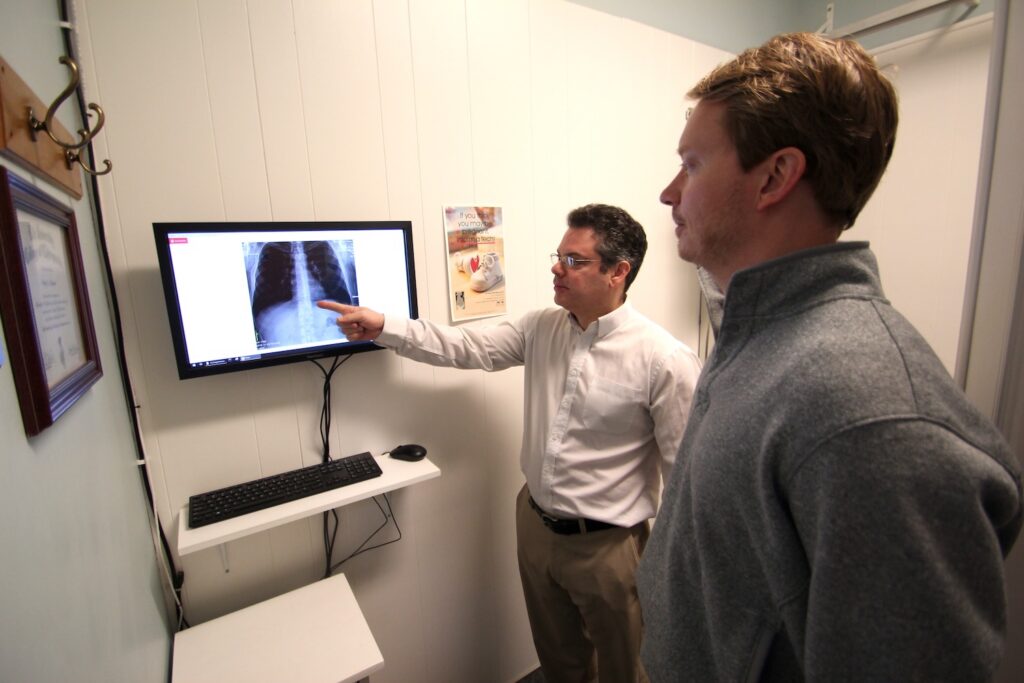
During your visit, a chiropractor will assess your condition, often using physical examinations and diagnostic imaging to pinpoint the source of your pain.
Once they understand your needs, they'll apply controlled force to specific joints, helping to realign your spine and reduce nerve irritability. This process can enhance your range of motion and promote better overall health. You might feel immediate relief after your first adjustment, but it's common for some soreness to occur as your body adjusts.
Chiropractic care isn't just about immediate pain relief; it also aims to address the underlying issues contributing to your discomfort. Regular adjustments can help prevent future flare-ups and maintain spinal health.
Many patients find that incorporating chiropractic care into their routine complements other treatments like physical therapy, enhancing the overall effectiveness of their recovery plan.
Alternative Therapies Available
Exploring various alternative therapies can complement the benefits gained from chiropractic adjustments and enhance your back pain management strategy.
One popular option is acupuncture, which involves inserting thin needles at specific points to promote healing and pain relief. Many find this method effective in reducing tension and improving mobility.
Another valuable therapy is massage. Whether you choose deep tissue, Swedish, or trigger point therapy, skilled hands can work out muscle knots and improve circulation, providing much-needed relief from chronic back pain.
You might also consider physical therapy, which focuses on strengthening the muscles surrounding your spine and improving flexibility. A tailored exercise program can lead to long-term improvements in your back health.
Yoga and Pilates are excellent options too. Both emphasize core strength, flexibility, and proper alignment, aiding in back pain prevention and management.
Lastly, don't overlook mindfulness practices like meditation or tai chi. These can help reduce stress and promote relaxation, which is essential when dealing with pain.
## Physical Therapy Benefits
When dealing with back pain, many find that physical therapy offers a practical and effective solution. This treatment focuses on improving your mobility, strength, and overall function, which can be vital for your recovery. Through tailored exercises and hands-on techniques, physical therapists help you regain movement and reduce pain.
One of the key benefits of physical therapy is its ability to address the root cause of your back pain. Instead of merely masking symptoms with medication, therapists evaluate your condition and develop a personalized plan to target specific issues. This approach not only helps alleviate pain but also prevents future injuries.
Moreover, physical therapy can enhance your overall physical fitness. As you progress through your treatment, you'll likely notice improvements in your flexibility, strength, and endurance. These gains can lead to a more active lifestyle, which is essential for long-term back health.
Another notable advantage is the education you receive during therapy. Your therapist will teach you proper body mechanics and ergonomics, empowering you to make better choices in daily activities. This knowledge can greatly reduce the risk of re-injury.
Additionally, physical therapy often involves various modalities, such as heat, ice, or electrical stimulation, which can further aid in pain relief and recovery.
Finding Local Physical Therapists
After recognizing the benefits of physical therapy for back pain relief, the next step is finding a qualified local therapist who can guide you through your recovery. Start by asking your primary care physician for recommendations. They often have a network of trusted professionals they can refer you to. You can also consult friends or family who've had positive experiences with physical therapists.
Once you have a list of potential therapists, check their credentials. Verify their education, training, and any certifications related to back pain treatment. You want someone who specializes in the specific techniques that align with your needs. Many therapists focus on different areas, so finding one with expertise in back pain is vital.
Next, consider the location and availability of the therapist. Look for a clinic that's convenient for you, as you'll want to attend appointments regularly. Check their office hours and make sure they fit your schedule.
Don't forget to read reviews or testimonials from previous patients. This can give you insights into the therapist's approach and effectiveness. Some clinics even offer free consultations, allowing you to meet the therapist before committing.
Finally, confirm that the therapist's payment options align with your budget. Check if they accept your insurance or offer affordable payment plans.
Chiropractic Care Basics
Chiropractic care can be a game-changer for your back pain, offering techniques that focus on spinal alignment and overall wellness.
You'll discover the benefits of spinal adjustments and how they can help relieve discomfort and improve mobility.
Choosing the right chiropractor is essential, so let's explore what to look for in a practitioner.
Techniques Used in Chiropractic
Understanding the techniques used in chiropractic care can be essential for anyone seeking relief from back pain. Chiropractors utilize a variety of methods to address spinal alignment and improve your overall health.
One of the most common techniques is spinal manipulation, also known as chiropractic adjustment. This involves applying controlled force to specific joints, helping restore mobility and reduce pain.
In addition to spinal adjustments, you might encounter soft tissue therapies, which focus on relieving tension in muscles and connective tissues. Techniques like massage or myofascial release can enhance your recovery process.
Another approach is instrument-assisted therapy, where specialized tools are used to deliver precise adjustments, often resulting in less discomfort.
You may also find chiropractors using rehabilitative exercises tailored to strengthen your core and improve your posture. These exercises are vital for long-term relief and prevention.
Additionally, some practitioners incorporate ergonomic advice, guiding you on how to maintain a healthy posture in daily activities.
Benefits of Spinal Adjustment
Many people experience significant benefits from spinal adjustments, making them a popular choice for back pain relief. When you receive a spinal adjustment, it can help restore proper alignment to your spine, which may relieve pressure on nerves and reduce pain. This realignment can lead to improved mobility, allowing you to return to your daily activities with less discomfort.
Additionally, spinal adjustments can enhance your overall well-being. By improving spinal function, you might notice better posture and reduced muscle tension. This can lead to increased energy levels, making it easier to engage in physical activities you enjoy.
Another key benefit is the potential for a natural approach to pain management. Instead of relying solely on medications, chiropractic care offers a holistic alternative that focuses on your body's ability to heal itself.
Furthermore, many patients report improved sleep patterns and reduced stress levels following adjustments. This can be particularly beneficial if chronic pain has been affecting your quality of life.
With regular spinal adjustments, you could experience long-term relief and enhanced overall health. So, consider how chiropractic care might fit into your journey toward back pain relief.
Choosing a Chiropractor Wisely
Finding the right chiropractor can greatly impact your experience and results in managing back pain. Start by considering their qualifications and experience. Look for a chiropractor who's licensed and has a solid background in treating conditions similar to yours. This guarantees they've got the expertise needed to help you effectively.
Next, check online reviews and testimonials. They can provide insights into other patients' experiences. You want someone who's known for being attentive and effective. Don't hesitate to ask for recommendations from friends, family, or your primary care physician; personal experiences can guide you to a trustworthy professional.
Once you've narrowed down your options, schedule a consultation. This initial visit lets you gauge their communication style and approach to treatment. A good chiropractor will listen to your concerns and develop a personalized plan tailored to your needs.
Finally, consider logistics like location, office hours, and costs. Finding someone conveniently located and within your budget will make your treatment easier to stick with.
Affordable Chiropractors in Charlotte
Searching for affordable chiropractors in Charlotte can feel overwhelming, but it doesn't have to be. With a little research, you can find options that fit your budget without sacrificing quality care.
Start by looking for local clinics that offer payment plans or accept insurance. Many chiropractors understand that back pain treatments can be costly and are willing to work with you to make care more accessible.
Consider visiting community health centers or clinics that focus on holistic health. These places often provide chiropractic services at reduced rates or offer sliding scale fees based on your income.
Don't hesitate to ask about any ongoing promotions or discounts for new patients, as many chiropractors offer these to attract clients.
Another option is to seek out chiropractic schools in the area. Students in training often provide services at a fraction of the cost, supervised by licensed chiropractors. This can be an excellent way to receive effective treatment while supporting the education of future professionals.
You can also check online reviews and local forums for recommendations. Hearing from others who've had similar experiences can help narrow your choices.
Once you have a list, don't hesitate to call and inquire about consultation fees or any special packages they might offer.
Massage Therapy Techniques
If you're exploring various methods to alleviate back pain, massage therapy techniques can complement chiropractic care effectively. These techniques focus on relaxing tense muscles, improving circulation, and enhancing overall well-being.
Two popular techniques you might consider are Swedish massage and deep tissue massage.
Swedish massage uses long, flowing strokes to promote relaxation and increase blood flow. This method can help relieve tightness in your back and improve your range of motion. You'll find that the gentle pressure encourages your body to release endorphins, which can act as natural painkillers.
On the other hand, deep tissue massage targets the deeper layers of muscle and connective tissue. If your back pain is due to chronic tension or injury, deep tissue techniques can help release knots and alleviate stiffness. The therapist might use slower strokes and more intense pressure, so be sure to communicate your comfort level during the session.
Trigger point therapy is another effective technique. It involves applying pressure to specific points in your muscles to relieve pain. If you've got particular areas that feel tight or tender, this method can provide targeted relief.
Incorporating these massage therapy techniques into your back pain management plan can greatly enhance your recovery. By working with a skilled therapist, you can create a personalized approach that suits your needs.
Don't hesitate to explore these options, as they can lead to lasting improvements in your back pain and overall quality of life.
Community Massage Clinics
Community massage clinics often provide an accessible and affordable option for those seeking relief from back pain. These clinics are designed to cater to the needs of the local community, often offering sliding scale fees or packages that make regular treatments easier on your wallet.
You'll find that the atmosphere in these clinics is typically welcoming and supportive, which can enhance your overall experience.
When you visit a community massage clinic, you can expect:
- Skilled Therapists: Many practitioners are well-trained and experienced, often specializing in various techniques tailored to address back pain.
- Flexible Scheduling: With extended hours and multiple therapists available, it's easier to fit a session into your busy routine.
- Group Sessions: Some clinics offer group massages, allowing you to enjoy the benefits of therapy while socializing with others.
By opting for a community massage clinic, you're not just treating your back pain; you're also supporting local health initiatives. Many clinics partner with non-profit organizations, helping to promote wellness in the area.
This creates a sense of community and shared healing.
Yoga for Back Pain Relief
Yoga offers a holistic approach to relieving back pain, combining physical movement, breath control, and mindfulness. This practice not only strengthens your muscles but also increases flexibility, essential for maintaining a healthy spine. When you engage in yoga, you can target specific areas of tension and discomfort, enabling you to find relief naturally.
Incorporating basic poses like Child's Pose, Downward Dog, and Cat-Cow can help stretch and strengthen your back. These poses promote blood flow to the spine, easing stiffness and improving overall mobility. As you practice, focus on your breath; inhaling deeply can help you relax into each stretch, while exhaling can release built-up tension.
Mindfulness plays a significant role in yoga. By tuning into your body and recognizing the signals it sends, you can become more aware of your posture and movements throughout the day. This awareness can lead to better habits, reducing the risk of future back pain.
You don't need to be an expert to reap the benefits of yoga. Start with a few minutes each day, gradually increasing your practice as you become more comfortable. Consistency is key, so find a routine that fits your lifestyle.
With regular practice, you'll likely notice improved strength, flexibility, and a greater sense of balance in your life. Ultimately, yoga can be a powerful tool in managing back pain, empowering you to take control of your well-being.
Local Yoga Studios
Local yoga studios offer a variety of popular yoga styles that cater to your specific needs.
You can often find affordable class packages that make it easy to commit to your practice without breaking the bank.
Plus, many studios feature experienced instructors who can guide you in managing your back pain effectively.
Popular Yoga Styles
Numerous yoga styles cater to different needs and preferences, making it easier than ever to find the right fit for your back pain relief journey.
Each style offers unique benefits, so exploring them will help you discover what resonates with your body and mind.
Here are three popular yoga styles to contemplate:
– Hatha Yoga: This gentle approach focuses on basic postures and breathing techniques, making it perfect for beginners or those with limited mobility.
It helps improve flexibility while promoting relaxation.
– Yin Yoga: Yin Yoga involves holding poses for longer durations, targeting deep connective tissues and fascia.
This slow-paced practice encourages deep stretching and can alleviate tension in your back.
– Restorative Yoga: This style emphasizes relaxation and rejuvenation, using props to support the body in restful poses.
It's an excellent choice for anyone dealing with chronic pain, as it promotes deep relaxation and stress relief.
Affordable Class Packages
Finding affordable class packages at yoga studios can make your back pain relief journey more accessible and enjoyable. Many local studios in Charlotte offer a variety of options tailored to fit different budgets and schedules. By exploring these packages, you can find classes that suit your needs without breaking the bank.
Look for introductory offers, which often provide discounted rates for your first few classes. These deals give you a chance to experience different styles and instructors before committing to a longer package.
Some studios also offer monthly memberships that reduce the per-class cost, allowing you to practice regularly and build strength and flexibility over time.
Don't forget to inquire about community classes or donation-based sessions. These are often led by newer instructors and can provide a great way to enjoy yoga at little to no cost.
Additionally, many studios run seasonal promotions, so keep an eye out for those.
Experienced Instructors Available
When seeking relief from back pain, having access to experienced instructors can make all the difference in your yoga practice. They understand the intricacies of body alignment and can tailor classes to fit your specific needs.
In Charlotte, you'll find several local yoga studios with knowledgeable instructors who focus on back pain relief.
You'll benefit from:
- Customized Guidance: Instructors can modify poses to accommodate your pain level and physical condition.
- Expert Techniques: They'll teach you techniques to enhance flexibility, strength, and overall posture, which can help alleviate back pain.
- Supportive Environment: Experienced instructors create a nurturing space where you feel comfortable exploring your limits without fear of injury.
Pilates as a Treatment
If you're struggling with back pain, incorporating Pilates into your routine can be a game-changer. This low-impact form of exercise focuses on strengthening your core muscles, improving flexibility, and enhancing overall body awareness. By emphasizing proper alignment and controlled movements, Pilates helps you develop the strength and stability necessary to alleviate pain and prevent future injuries.
One of the key benefits of Pilates is its emphasis on core strength. A strong core supports your spine and helps maintain good posture, which is essential for reducing back pain. Through exercises designed to engage your abdominal, back, and pelvic muscles, you'll build a solid foundation that takes pressure off your lower back.
Additionally, Pilates promotes flexibility. Tight muscles can contribute to discomfort, so stretching and lengthening them through Pilates can relieve tension. You'll notice improved range of motion, making everyday activities easier and less painful.
Pilates also encourages mindfulness and body awareness. You'll learn to listen to your body and recognize when you're straining or overexerting yourself. This awareness can help you make better choices in your daily life, reducing the risk of exacerbating your back pain.
Finally, Pilates can be tailored to your specific needs. Whether you're a beginner or have more experience, you can adjust the intensity and difficulty of the exercises, making it a versatile option for anyone dealing with back pain.
Pilates Classes in Charlotte
Charlotte offers a variety of Pilates classes that cater to different skill levels and needs, ensuring you can find the right fit for your back pain management. Whether you're a beginner or more advanced, there's a class designed for you. Many studios focus on proper alignment and core strength, which are essential for alleviating back pain.
When you join a Pilates class, you'll engage in low-impact exercises that help improve flexibility, strengthen your core, and enhance overall body awareness. These classes often include modifications to accommodate various fitness levels, making them accessible and safe.
Here are some benefits of participating in Pilates classes in Charlotte:
- Expert Guidance: Instructors are trained to help you execute movements correctly, reducing the risk of injury.
- Community Support: You'll meet others who are also working on managing their back pain, creating a supportive environment.
- Tailored Programs: Many studios offer specialized classes that focus on back pain relief and rehabilitation.
Investing time in Pilates can greatly impact your back health. You'll learn techniques that you can incorporate into your daily routine, helping you maintain strength and flexibility.
Plus, the social aspect of classes can make your journey toward recovery more enjoyable. So, explore the various options available in Charlotte, and take that important step toward a pain-free life today!
Home Exercise Programs
Regularly incorporating home exercise programs into your routine can be an effective way to manage back pain. These programs allow you to strengthen your core, improve flexibility, and enhance overall fitness—all from the comfort of your home. You don't need fancy equipment or a gym membership; just a bit of space and some determination.
Start by setting aside a specific time each day for your exercise routine. Consistency is key. Focus on low-impact activities that are easy on your back, such as walking, cycling, or swimming. These exercises help maintain mobility without putting too much strain on your spine.
Strengthening your core muscles is particularly important in supporting your back. Consider incorporating simple exercises like bridges, planks, and pelvic tilts. They can be easily modified to suit your fitness level and can be performed without any equipment.
You should also pay attention to your posture during daily activities. Engaging in exercises that promote good posture can prevent future back pain. Activities like yoga or tai chi can help you develop better awareness of body alignment and balance, which is essential for back health.
Lastly, always listen to your body. If you experience pain during any exercise, stop immediately and consult a healthcare professional.
Stretching Routines for Relief
Stretching routines can be a game changer for relieving back pain and enhancing flexibility. Incorporating these exercises into your daily routine can help alleviate tension in your muscles, improve your posture, and increase your overall range of motion.
Here's how you can get started with effective stretching:
- Focus on your hamstrings: Tight hamstrings can contribute to lower back discomfort. Try seated or standing hamstring stretches to help loosen these muscles.
- Incorporate the cat-cow stretch: This dynamic stretch promotes spinal flexibility. Start on your hands and knees, arch your back while inhaling (cat), and then lower your belly while exhaling (cow). Repeat for several cycles.
- Practice the child's pose: This restorative stretch gently elongates your spine and relaxes your back muscles. Kneel on the floor, sit back on your heels, and reach your arms forward while lowering your chest to the ground.
Consistency is key. Aim to stretch at least five times a week, holding each stretch for 15-30 seconds.
Listen to your body; if something doesn't feel right, ease off and adjust.
Heat and Cold Therapy
When you're dealing with back pain, heat and cold therapy can be effective tools in your recovery arsenal. Both methods provide unique benefits that can help alleviate discomfort and promote healing. Knowing when and how to use each can make all the difference in your treatment plan.
Heat therapy is great for relaxing tight muscles and increasing blood flow to the affected area. You can use a heating pad, warm towel, or even take a warm bath to apply heat. Aim for 15 to 20 minutes of heat application at a time, making sure it's warm but not too hot to avoid burns.
Heat is especially helpful for chronic pain or stiffness, as it can soothe discomfort and enhance flexibility.
On the other hand, cold therapy is best for reducing inflammation and numbing sharp pain. You can use ice packs or a bag of frozen vegetables wrapped in a cloth for this purpose. Apply cold therapy for 15 to 20 minutes, making sure to take breaks between applications to prevent skin damage.
Cold therapy is particularly effective right after an injury or during flare-ups of pain, as it helps constrict blood vessels and reduce swelling.
Combining heat and cold therapy can also provide significant relief. Start with cold to minimize swelling, then switch to heat to promote healing.
Remember to listen to your body—if something doesn't feel right, adjust your approach. By incorporating these therapies into your routine, you can take a proactive step toward managing your back pain.
Over-the-Counter Pain Relief
Over-the-counter pain relief can be a convenient and effective option for managing back pain. When you're dealing with discomfort, reaching for a bottle of pain relievers can provide quick relief without the need for a prescription.
There are several types of over-the-counter medications that you might consider, each with its own benefits and considerations.
Here are a few common options:
- Acetaminophen: This is often a go-to choice for pain relief. It's easy on the stomach and can be effective for mild to moderate back pain.
- Nonsteroidal Anti-Inflammatory Drugs (NSAIDs): Medications like ibuprofen or naproxen not only reduce pain but also help decrease inflammation, which can be particularly helpful if your back pain is due to muscle strain.
- Topical Analgesics: Creams or patches that you apply directly to the skin can provide localized relief without the systemic effects of oral medications. Look for those containing menthol or capsaicin for additional benefits.
While over-the-counter pain relief can help you manage your back pain, it's important to follow dosage recommendations and be aware of any potential side effects.
If your pain persists or worsens, consult with a healthcare professional. They can provide guidance on the best treatment options tailored to your specific needs and circumstances.
Ergonomic Adjustments at Home
Making ergonomic adjustments at home can greatly enhance your comfort and help alleviate back pain. Start by evaluating your workspace. If you work from a desk, verify your chair supports your lower back. Opt for a chair with adjustable height and lumbar support. Your feet should rest flat on the floor or on a footrest, keeping your knees at a right angle.
Next, position your computer monitor at eye level. This prevents strain on your neck and encourages a neutral spine. If you use a laptop, consider a laptop stand or an external keyboard and mouse to maintain proper alignment. Remember, the goal is to keep your wrists straight and your elbows close to your body.
You should also pay attention to how you sit. Use cushions or lumbar rolls to support your back. When sitting for extended periods, take regular breaks to stand, stretch, and walk around. This will help relieve tension and improve circulation.
Don't forget your sleeping arrangements. Invest in a mattress that provides sufficient support for your spine, and choose pillows that maintain neck alignment. Sleep on your side with a pillow between your knees, or on your back with a pillow under your knees for ideal support.
Finally, consider using ergonomic tools, like a standing desk or a balance ball chair, to promote movement throughout the day. Each small adjustment you make can lead to significant improvements in your comfort and overall back health.
Proper Posture Practices
Maintaining proper posture is essential for preventing and alleviating back pain. When you're mindful of your posture, you not only support your spine but also promote overall health.
Here are some practical tips to help you practice good posture throughout your day:
- Sit correctly: Keep your feet flat on the ground, with your knees at a 90-degree angle. Use a chair that supports your lower back.
- Stand tall: Distribute your weight evenly on both feet. Keep your shoulders back and relaxed, and align your ears with your shoulders.
- Lift wisely: When lifting objects, bend your knees and keep your back straight. Hold the object close to your body to reduce strain.
By adhering to these guidelines, you'll make a significant impact on your back health.
Whether you're at your desk, running errands, or exercising, being aware of your posture can prevent unnecessary strain.
Additionally, consider setting reminders to check your posture throughout the day. Simple adjustments, like standing up to stretch or repositioning your chair, can make a big difference.
Remember, it's about creating habits that promote a healthy spine.
Incorporating these proper posture practices into your daily routine won't only help you in avoiding back pain but can also improve your overall well-being.
Start today, and your back will thank you!
Mindfulness and Meditation
Mindfulness and meditation can offer significant relief from back pain by helping you manage stress and improve your overall well-being.
You might find that incorporating guided meditation techniques into your routine enhances your ability to relax and focus on healing.
Let's explore how these practices can be beneficial for your back pain management.
Benefits of Mindfulness Practice
Amid the chaos of daily life, practicing mindfulness and meditation offers a powerful way to alleviate back pain and enhance overall well-being. By focusing on the present moment, you can create a mental space that helps reduce stress and tension, which often contribute to muscle discomfort and back pain.
Here are some key benefits you can experience through mindfulness practice:
- Improved Pain Management: Mindfulness helps you observe and accept your pain without judgment, reducing your emotional reaction to it. This can lead to a better ability to cope with discomfort.
- Stress Reduction: Regular mindfulness practice lowers cortisol levels, which can help relieve tension in your back muscles and promote relaxation.
- Enhanced Body Awareness: By tuning into your body, you become more aware of your posture and movement habits, enabling you to make adjustments that prevent further pain.
Incorporating mindfulness into your daily routine doesn't have to be complicated. Just a few minutes each day can lead to significant improvements in your physical and mental health.
Start today, and you may find a new path to relief from back pain.
Guided Meditation Techniques
Many people find that guided meditation techniques can considerably enhance their mindfulness practice, especially when addressing back pain. These techniques help you focus your mind and promote relaxation, which can be crucial for managing discomfort.
To get started, find a quiet space where you won't be disturbed. You can use apps or online resources that offer guided sessions specifically designed for pain relief. As you settle in, listen to the instructor's voice and allow it to guide you through deep breathing exercises. This helps you connect with your body and release any tension.
Visualizing a peaceful scene can also be effective. Imagine yourself in a serene environment, like a beach or a forest, allowing the imagery to distract you from your pain. As you breathe deeply, focus on the sensations in your body, acknowledging areas of discomfort without judgment.
Try to practice these techniques regularly, even just for a few minutes each day. Over time, you'll likely notice improvements in your overall well-being and a reduction in your back pain.
Local Support Groups
Local support groups often provide an essential lifeline for individuals dealing with chronic back pain.
These groups create a safe space where you can share your experiences, learn from others, and find emotional support. Connecting with people who understand your struggles can make a huge difference in your journey toward managing pain.
In Charlotte, you'll find various support groups dedicated to back pain relief. Whether you meet weekly or monthly, the relationships you build can help you navigate the ups and downs of living with chronic pain.
Here are some benefits of joining a local support group:
- Shared Experiences: You'll hear stories from others who've faced similar challenges, which can help you feel less isolated.
- Practical Advice: Members often share tips on pain management techniques, exercises, or even local resources that have worked for them.
- Emotional Support: The encouragement and understanding from fellow members can boost your morale and help you stay motivated.
Acupuncture Options
Finding support through local groups can be a valuable step in managing chronic back pain, but exploring alternative treatment options like acupuncture can further enhance your journey to relief. Acupuncture, a practice rooted in Traditional Chinese Medicine, involves inserting thin needles into specific points on the body to stimulate energy flow and promote healing. Many people report significant pain relief and improved mobility after just a few sessions.
You might wonder how to find a qualified acupuncturist in Charlotte. Start by checking local directories or health forums where you can read reviews from others who've experienced acupuncture for back pain. Look for licensed practitioners with certifications from recognized acupuncture schools. Many acupuncturists also offer free consultations, allowing you to discuss your specific pain issues and treatment goals before committing.
During your sessions, you'll typically lie down in a comfortable position while the acupuncturist gently places needles. The process is usually painless, and many patients describe a sense of relaxation and well-being afterward. It's common to feel some immediate relief, but keep in mind that a series of treatments may be necessary for longer-lasting results.
Additionally, acupuncture can often be combined with other treatments, such as physical therapy or chiropractic care, enhancing your overall pain management strategy.
Remember to communicate openly with your healthcare providers about all treatments you're considering to develop a thorough plan tailored to your needs. With the right approach, acupuncture can be a powerful ally in reclaiming your comfort and quality of life.
Alternative Remedies
Exploring alternative remedies can open up new pathways for managing back pain effectively. These methods often complement traditional treatments and can provide relief without the need for medication.
You might find that integrating these options into your routine helps alleviate discomfort and enhances your overall well-being.
Here are some alternative remedies to evaluate:
- Chiropractic Care: Regular visits to a chiropractor can help align your spine and improve overall mobility. Many patients report significant reductions in pain after a series of adjustments.
- Massage Therapy: Therapeutic massage can relieve muscle tension and promote blood flow to the affected area. Whether you opt for deep tissue or relaxation techniques, massage therapy often results in immediate pain relief.
- Yoga and Stretching: Engaging in yoga or gentle stretching exercises can strengthen your back muscles and improve flexibility. Many find that specific poses target back pain effectively while promoting relaxation and mindfulness.
Dietary Changes for Pain
When it comes to managing back pain, incorporating anti-inflammatory foods into your diet can make a real difference.
Staying properly hydrated is equally important, as it supports overall health and can help reduce discomfort.
Anti-inflammatory Foods
Incorporating anti-inflammatory foods into your diet can greatly alleviate back pain and improve overall well-being.
These foods can help reduce inflammation, promote healing, and provide essential nutrients for your body. By focusing on what you eat, you can take an active role in managing your pain.
Consider adding the following anti-inflammatory foods to your meals:
- Fatty Fish: Salmon, mackerel, and sardines are rich in omega-3 fatty acids, which can help reduce inflammation in your body.
- Leafy Greens: Spinach, kale, and Swiss chard are loaded with antioxidants and vitamins that support your immune system and combat inflammation.
- Berries: Blueberries, strawberries, and raspberries are high in antioxidants, which can help lower inflammatory markers in your body.
Hydration Importance
Staying hydrated is just as important as eating anti-inflammatory foods when it comes to managing back pain. Water plays an essential role in keeping your spinal discs healthy and cushioning your joints. When you're dehydrated, these discs can dry out, leading to increased discomfort and pain.
Aim for at least eight 8-ounce glasses of water daily. You might need more if you're active or live in a hot climate. Carry a water bottle with you to make it easier to track your intake. If plain water doesn't excite you, consider adding slices of lemon, cucumber, or berries for flavor.
In addition to water, consuming hydrating foods can also help. Fruits like watermelon, oranges, and cucumbers contain high water content and can contribute to your hydration goals. Herbal teas and broths can also keep you hydrated while offering additional health benefits.
Keep in mind that caffeine and alcohol can dehydrate you, so try to limit those.
Essential Oils for Relief
Many people find that essential oils can provide effective relief for back pain due to their natural anti-inflammatory and analgesic properties. If you're looking for a holistic approach to managing your discomfort, incorporating essential oils into your routine might be a game-changer.
These concentrated plant extracts can be used in various ways, including topical application or aromatherapy.
Here are a few essential oils you might consider:
- Lavender Oil: Known for its calming effects, lavender can help reduce stress and tension, which may contribute to back pain.
- Peppermint Oil: This oil has a cooling effect and can stimulate circulation, which may alleviate pain when massaged into sore areas.
- Eucalyptus Oil: With its anti-inflammatory properties, eucalyptus can assist in relieving muscle tension and soreness.
To use essential oils effectively, mix a few drops with a carrier oil like coconut or almond oil and apply it to the affected area. You can also add a few drops to your bath or use a diffuser for aromatherapy.
Remember to perform a patch test to verify you don't have a sensitivity to the oils.
While essential oils can be a beneficial part of your pain management strategy, they're not a substitute for professional medical advice. Always consult with a healthcare provider if your back pain persists or worsens.
Embracing essential oils could provide you with a natural, soothing relief that enhances your overall well-being.
Restorative Sleep Techniques
Restorative sleep plays an essential role in managing back pain and overall health. It's during sleep that your body repairs itself, helping to alleviate pain and reduce inflammation. To achieve restorative sleep, consider implementing a few effective techniques.
First, establish a consistent sleep schedule. Going to bed and waking up at the same time every day trains your body's internal clock, making it easier to fall asleep and wake up refreshed.
Second, create a calming bedtime routine. Engage in relaxing activities, such as reading or taking a warm bath, to signal to your body that it's time to wind down.
Next, focus on your sleep environment. Keep your bedroom cool, dark, and quiet. Invest in a supportive mattress and pillows that cater to your preferred sleeping position. If you sleep on your back, a firmer mattress may provide the support you need, while side sleepers might benefit from a softer surface.
Additionally, be mindful of your diet and hydration. Avoid large meals, caffeine, and alcohol close to bedtime, as they can disrupt your sleep. Instead, opt for a light snack if you're hungry, and drink water throughout the day to stay hydrated.
Lastly, consider incorporating mindfulness or relaxation techniques, such as deep breathing or meditation, to help ease your mind before sleep.
Affordable Health Insurance Plans
When it comes to managing back pain, having the right health insurance can make a big difference.
You'll want to explore the types of health insurance available and find cost-effective coverage options that meet your needs.
Understanding your choices can help you get the treatments you need without breaking the bank.
Types of Health Insurance
Steering through the landscape of health insurance can feel overwhelming, but understanding the different types of affordable health insurance plans is essential for managing your back pain treatments.
Knowing your options allows you to choose a plan that aligns with your budget and healthcare needs.
Here are some common types of affordable health insurance plans you might consider:
- Health Maintenance Organization (HMO): These plans often require you to choose a primary care physician and get referrals for specialists, but they usually offer lower premiums and out-of-pocket costs.
- Preferred Provider Organization (PPO): PPOs provide more flexibility in choosing healthcare providers and specialists without needing a referral. While premiums may be higher, they typically cover a larger network of providers.
- High Deductible Health Plans (HDHP): These plans feature lower monthly premiums but higher deductibles. They're often paired with Health Savings Accounts (HSAs), allowing you to save money tax-free for medical expenses.
Cost-Effective Coverage Options
Finding cost-effective coverage options for your health insurance can considerably ease the financial burden of back pain treatments. Start by exploring different plans that prioritize extensive coverage and affordability. Look for health insurance providers that offer specific plans for chiropractic care, physical therapy, and pain management.
Consider high-deductible health plans (HDHPs) coupled with health savings accounts (HSAs). This arrangement allows you to save pre-tax dollars for medical expenses. If you're eligible, Medicaid or Medicare might offer options that include back pain treatments at lower costs.
Don't forget to check if your employer offers any wellness programs. Many employers provide access to discounted services or reimbursements for physical therapy and chiropractic visits.
Also, research local community health centers or clinics that may provide sliding-scale fees based on your income. These centers often offer affordable treatment options without compromising care quality.
Lastly, when comparing plans, pay attention to out-of-pocket maximums and copayments. Make sure you understand what each plan covers, especially when it comes to the specific treatments you may need for back pain relief.
Community Healthcare Resources
Exploring community healthcare resources can be a game-changer for managing back pain affordably. In Charlotte, you have access to various services and programs designed to help you find relief without breaking the bank.
These resources not only provide treatment options but also connect you with supportive communities that understand your struggles.
Here are a few community healthcare resources you should consider:
- Local Clinics: Many community health clinics offer sliding scale fees based on income, making it easier for you to access chiropractic care, physical therapy, or acupuncture.
- Support Groups: Joining a local back pain support group can connect you with others experiencing similar issues. Sharing experiences and coping strategies can make a significant difference in your journey toward recovery.
- Wellness Programs: Look for community wellness programs that offer classes in yoga, Pilates, or tai chi. These can help strengthen your core, improve flexibility, and relieve tension in your back.
Tracking Your Progress
As you commence your journey to manage back pain, tracking your progress is essential for understanding what works and what doesn't. By keeping a detailed record of your symptoms, treatments, and daily activities, you can identify patterns and adjust your approach as needed.
Start by creating a simple log to note your pain levels on a scale of 1 to 10, including the times of day when pain intensifies.
Alongside your pain levels, document any treatments you're trying—whether it's physical therapy, medication, or alternative therapies like acupuncture. Make a note of how each treatment affects your pain over time. This way, you can pinpoint which methods offer the most relief.
Additionally, track your physical activities. Note any exercises or movements that aggravate your pain and those that provide relief. This information can be invaluable for discussions with healthcare providers, helping them tailor your treatment plan based on your specific needs.
Consider also incorporating a journal for your emotional well-being. Back pain can take a toll on your mood, so noting how you feel mentally can provide insights into the overall impact of your pain management strategies.
At the end of each week, review your notes. Look for trends and make adjustments to your treatment plan as necessary. By actively monitoring your progress, you'll empower yourself to take control of your back pain journey and enhance your chances of finding effective, affordable solutions in Charlotte.
Staying Motivated for Recovery
Motivation plays an essential role in your recovery from back pain, fueling your commitment to treatments and lifestyle changes. Staying motivated can sometimes be challenging, but it's vital for achieving the best results. Here are a few strategies to keep your spirits high during your recovery journey:
- Set achievable goals: Break your recovery process into smaller, manageable milestones. Celebrate each achievement, no matter how minor, to boost your confidence and enthusiasm.
- Surround yourself with support: Engage friends, family, or support groups who encourage you and understand your challenges. Their encouragement can help lift your spirits on tough days.
- Focus on the positives: Remind yourself of the progress you're making, even if it feels slow. Keep a journal to track improvements in your pain levels, mobility, and overall well-being. Reflecting on these successes can provide a motivational boost when you need it most.
Staying motivated isn't just about willpower; it's about creating an environment that fosters positivity and support. By incorporating these strategies into your recovery plan, you'll find it easier to stay committed.
Remember, every step you take—no matter how small—brings you closer to a pain-free life. Keep pushing forward, and you'll not only heal your back but also gain resilience and strength throughout the process.
Your journey may have ups and downs, but with the right mindset, you can definitely overcome the challenges ahead.
Conclusion
In just 30 days, you can take charge of your back pain while sticking to your budget. By exploring affordable treatment options like physical therapy, chiropractic care, and acupuncture, you'll find the relief you need. Don't forget to incorporate home exercises into your routine and stay motivated throughout your recovery journey. Remember, you're not alone—local resources and communities are here to support you. Take the first step today, and embrace a pain-free life!