
When it comes to relieving back pain, personalized plans can make a significant difference by addressing your unique triggers and needs. By customizing exercises and therapies, these plans not only promote better engagement but also lead to more effective outcomes. They consider various factors, including your physical condition and emotional well-being, ensuring a thorough approach to pain management. As you explore how these tailored strategies work, you might find that the journey to relief is more nuanced than you initially thought. What specific elements could transform your experience with back pain?
Understanding Back Pain Causes
Back pain can stem from various causes, making it vital to understand what might be affecting you. One common source is muscle strain, often resulting from lifting heavy objects improperly or sudden awkward movements. If you've been pushing your limits at the gym or tackling home improvement projects, this could be a culprit.
Another factor is poor posture. If you find yourself hunched over a desk for long hours or slouching on the couch, you're putting unnecessary strain on your back. Over time, this can lead to chronic pain.
You may also experience discomfort from a herniated disc, where the cushion between your vertebrae bulges out, pressing on nearby nerves. In addition, conditions like arthritis can contribute to back pain. As you age, wear and tear on your joints can lead to inflammation and stiffness, making movement difficult.
Sometimes, sciatica—a condition caused by compression of the sciatic nerve—can trigger sharp, radiating pain down your leg. Infections or tumors, although less common, can also be significant causes of back pain. If you notice unusual symptoms like fever or unexplained weight loss, it's essential to seek medical attention.
Understanding these potential causes can help you identify patterns in your pain and guide you toward effective solutions. By recognizing the underlying issues, you'll be better equipped to address your back pain head-on.
Benefits of Personalized Plans
Tailoring a plan specifically for your back pain offers numerous advantages that can greatly enhance your recovery. When you choose a personalized approach, you're more likely to receive targeted treatments that address your unique symptoms and lifestyle. This means you're not just getting a one-size-fits-all solution; instead, you're engaging in a strategy that speaks directly to your needs.
One of the significant benefits is increased effectiveness. Personalized plans often incorporate specific exercises and therapies designed to strengthen the areas that need it most, leading to quicker relief. You'll find that when your plan aligns with your daily activities and preferences, you're more motivated to stick with it, which boosts your chances of success.
Moreover, a personalized plan can help you better understand your body and its responses to various treatments. This awareness enables you to make informed decisions about your health, fostering a sense of empowerment. You'll likely experience less frustration, as the plan evolves based on your progress and feedback.
Another advantage is the reduction of side effects. Since your plan focuses on your individual needs, it minimizes the risk of generalized treatments that mightn't suit you. This targeted approach can lead to fewer unwanted side effects, making your recovery journey smoother and more manageable.
Ultimately, personalized plans offer a holistic view of your health, ensuring that your physical, emotional, and lifestyle factors are all considered. Embracing this tailored strategy can transform your experience with back pain, setting the stage for lasting relief and improved quality of life.
Assessment of Individual Needs
Understanding your individual needs is vital for creating an effective personalized plan for back pain. Each person's experience with back pain is unique, influenced by factors like your lifestyle, physical condition, and specific pain triggers.
To start, you should assess your daily activities and identify any movements that exacerbate your discomfort. Take note of whether your pain feels sharp, dull, or achy, and reflect on when it occurs—after certain activities, during specific times of the day, or after prolonged sitting.
Next, it's important to evaluate your medical history. Have you'd any previous injuries or surgeries that could impact your back? Understanding these factors can guide your plan considerably.
Don't forget to reflect on your stress levels, as emotional well-being can play a vital role in physical pain. High stress often leads to muscle tension, worsening your back issues.
You should also contemplate your goals. Are you aiming to relieve pain, improve mobility, or return to a specific activity? Clarifying your objectives helps tailor your plan to your specific needs.
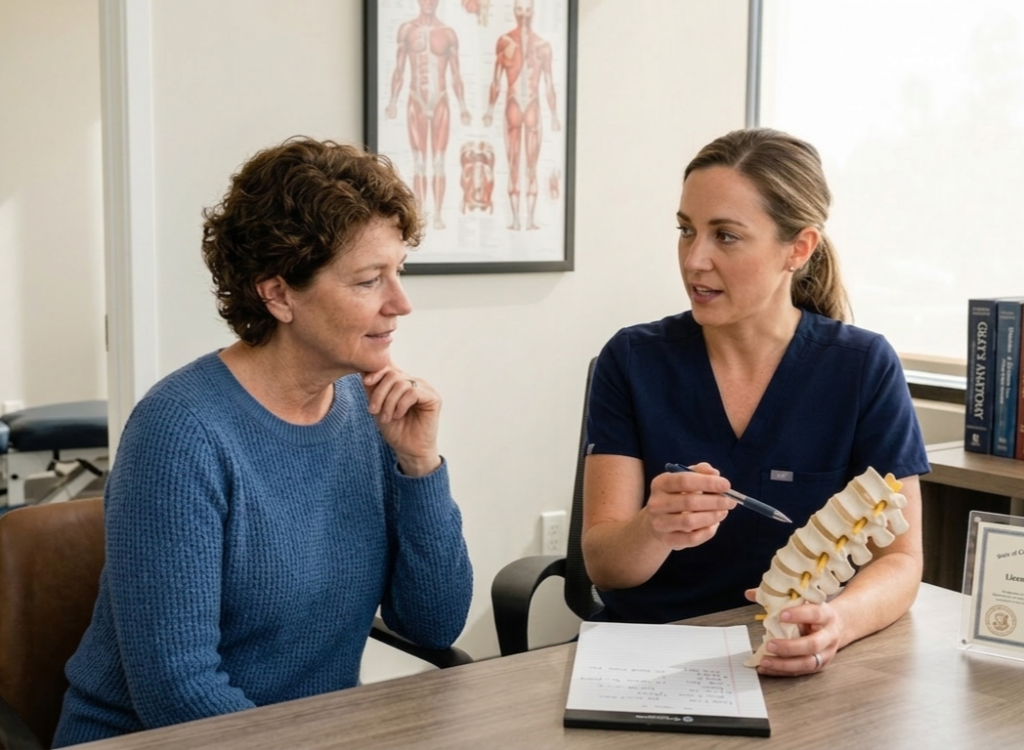
Finally, seek input from healthcare professionals. They can provide a thorough assessment, ensuring you address any underlying conditions contributing to your pain.
Customized Exercise Programs
Creating a customized exercise program is a key component of your personalized plan for managing back pain. This approach tailors exercises specifically to your needs, helping to strengthen the muscles that support your spine and improve your overall flexibility. Rather than following a generic routine, you'll focus on movements that address your unique pain points, enhancing your recovery.
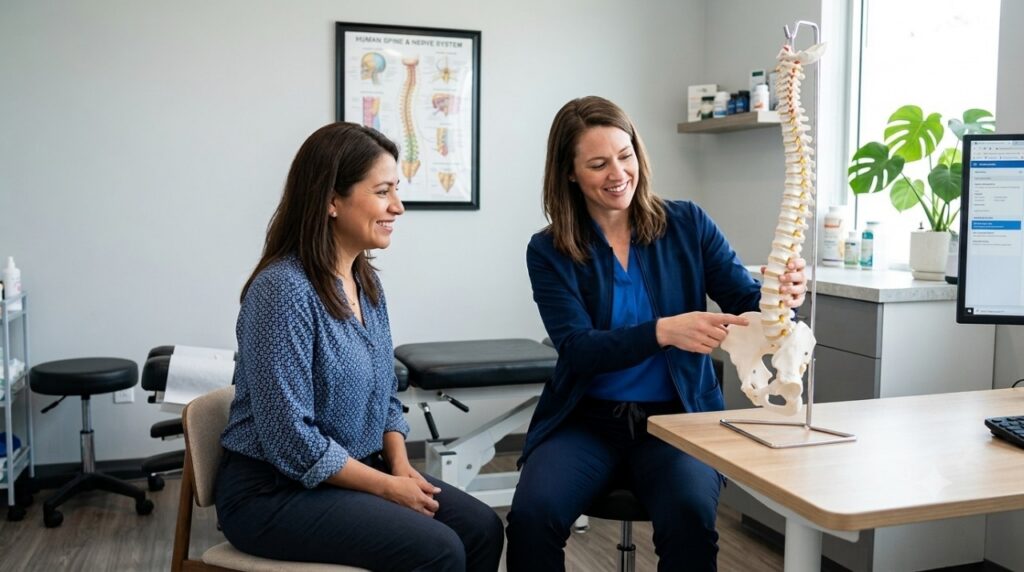
Start by discussing your specific symptoms and limitations with a qualified professional. They'll assess your current physical condition and recommend exercises that are safe and effective for you. These might include gentle stretching, strengthening exercises, or low-impact aerobic activities. The goal is to build a routine that fits your lifestyle and encourages consistency.
As you progress, your program should evolve. Regular check-ins with your healthcare provider are essential, as they can make adjustments based on how you respond to the initial exercises. If you find certain movements aggravate your pain, don't hesitate to communicate this. Modifications can optimize your program, ensuring it remains beneficial.
Incorporating variety into your routine can also be helpful. Explore activities like swimming, walking, or yoga, which can provide relief while keeping you engaged.
Remember, the key is to maintain a balance between strengthening and stretching to alleviate tension in your back.
Ultimately, a customized exercise program empowers you to take an active role in your recovery. By committing to this personalized plan, you're on your way to alleviating back pain and enhancing your overall quality of life.
Dietary Considerations for Relief
When managing back pain, what you eat plays an essential role in your recovery.
Incorporating anti-inflammatory foods into your diet can help reduce pain and inflammation, while staying properly hydrated supports overall health.
Let's explore how these dietary choices can make a difference in your journey to relief.
Anti-inflammatory Foods
Incorporating anti-inflammatory foods into your diet can considerably help ease back pain and promote overall well-being. By choosing the right ingredients, you can reduce inflammation and support your body's healing process.
Focus on foods rich in omega-3 fatty acids, like salmon, walnuts, and flaxseeds. These healthy fats can combat inflammation and enhance joint health.
Fruits and vegetables are your allies, too. Berries, leafy greens, and cruciferous veggies like broccoli and cauliflower are packed with antioxidants that fight inflammation.
Spices like turmeric and ginger are powerful additions; their natural anti-inflammatory properties can provide significant relief when used in cooking or smoothies.
Don't forget about whole grains. Quinoa, brown rice, and oats not only offer fiber but also help maintain stable blood sugar levels, which can support overall health.
While you're at it, be mindful of processed foods high in sugar and trans fats, as they can exacerbate inflammation.
Hydration Importance
Hydration plays an essential role in managing back pain and supporting your body's recovery. When you're well-hydrated, your spinal discs stay lubricated and cushioned, reducing pressure on your spine. Dehydration can lead to stiffness and discomfort, making it important to drink enough water throughout the day.
You mightn't realize that even mild dehydration can affect your body's ability to heal and recover from injuries. By maintaining proper hydration, you're promoting better circulation, which helps deliver nutrients to muscles and tissues. This is significant for reducing inflammation and promoting healing, especially when paired with anti-inflammatory foods.
Aim for at least eight glasses of water daily, but adjust based on your activity level and climate. If you're sweating a lot or exercising, increase your intake to replenish lost fluids. You can also hydrate through fruits and vegetables, which provide additional vitamins and minerals that support recovery.
Listening to your body is key. If you feel thirsty, don't ignore it. By prioritizing hydration, you'll not only support your back but also enhance your overall health and well-being. Make water your go-to choice and feel the difference!
Integrating Mindfulness and Stress Management
Recognizing the connection between stress and back pain can be a game-changer in your recovery journey. When you experience stress, your body tenses up, leading to muscle tightness and discomfort. By integrating mindfulness and stress management techniques into your daily routine, you can alleviate some of this tension and improve your overall well-being.
Start by incorporating mindfulness practices like meditation or deep-breathing exercises. These techniques help you focus on the present moment, allowing you to become aware of your body's sensations and release the built-up tension. Even just a few minutes a day can make a significant difference in how you feel.
Try setting aside time to sit quietly, close your eyes, and concentrate on your breath. You'll likely notice a reduction in both stress and back pain as you practice this regularly.
Another effective approach is to engage in gentle physical activities like yoga or tai chi. These practices not only promote relaxation but also improve flexibility and strength, which are essential for a healthy back. They help you learn to listen to your body and respond to its needs, fostering a more mindful approach to your physical health.
Lastly, don't underestimate the power of journaling. Writing down your thoughts and feelings can clarify stressors in your life, allowing you to address them constructively. By managing stress through these methods, you're not only improving your mental health but also taking significant steps towards relieving your back pain.
Monitoring Progress and Adjustments
Monitoring your progress is essential for effectively managing back pain and ensuring your personalized recovery plan remains on track. By keeping a close eye on your symptoms and how your body responds to various treatments, you can make informed decisions about your care.
Start by regularly evaluating your pain levels, mobility, and overall functionality. This can be as simple as maintaining a daily journal where you note your experiences, including any activities that either help or exacerbate your pain.
As you track your progress, be open to adjustments. Your body may react differently to treatments over time, so it's vital to communicate any changes to your healthcare provider. They can modify your plan based on your feedback, ensuring it remains effective.
For instance, if certain exercises cause discomfort, you might need to scale back or try alternative movements that are easier on your back.
Incorporate regular check-ins, whether that's weekly or bi-weekly, to evaluate your progress. During these sessions, discuss any barriers you're facing and celebrate small victories. These discussions can lead to valuable insights and help you stay motivated.
Lastly, don't hesitate to reach out for support from friends, family, or communities focused on back pain relief. Sharing your journey not only gives you emotional support but can also provide new strategies that others have found beneficial.
Monitoring and adjusting your plan is an ongoing process, but staying engaged will enhance your chances of long-term recovery.
Success Stories and Case Studies
You're about to hear inspiring success stories that showcase real-life transformations from personalized back pain plans.
These case studies highlight how tailored treatments lead to significant improvements in quality of life.
Plus, you'll find expert recommendations that can guide your own journey toward relief.
Real-Life Transformations
Transforming lives through personalized back pain plans is more than just a goal—it's a reality for many individuals who've found relief and regained mobility.
Take Sarah, for example. After struggling with chronic pain for years, she discovered a tailored plan that addressed her specific needs. Within weeks, she noticed a significant reduction in her discomfort, allowing her to return to activities she thought she'd never enjoy again.
Then there's Mark, who'd nearly given up on sports due to debilitating back pain. After working with a specialist to create a personalized regimen of exercises and stretches, Mark experienced a remarkable turnaround. He not only plays soccer again but also feels stronger and more confident in his body.
These success stories show that you don't have to live with back pain. Many others, like you, have taken control of their health through individualized approaches.
With dedication and the right guidance, it's possible to transform your situation. You can join the ranks of individuals who've found lasting solutions, creating a life free from the limitations of back pain.
Your journey toward relief and revitalization can start today.
Tailored Treatment Outcomes
Many individuals have experienced life-changing results through tailored treatment plans for back pain.
Take, for instance, Sarah, who struggled with chronic pain for years. After undergoing a personalized assessment, her plan included specific exercises, dietary adjustments, and mindfulness techniques. Within weeks, she noticed a significant reduction in pain and increased mobility, allowing her to return to activities she loved.
Similarly, David's journey highlights the impact of customized care. He found relief through a combination of physical therapy and ergonomic adjustments in his workspace. By focusing on his unique needs, his therapist designed a regimen that not only alleviated his pain but also strengthened his core, providing lasting results.
These success stories illustrate the effectiveness of tailored treatment outcomes. When you receive a plan that addresses your specific condition, lifestyle, and goals, the chances of experiencing relief increase dramatically.
Each case emphasizes that personalized approaches aren't just about managing symptoms; they're about empowering you to reclaim your life. You'll find that with dedication and the right guidance, you can achieve a level of comfort and mobility you might've thought was out of reach.
Expert Recommendations Explained
Expert recommendations play an essential role in shaping personalized plans for back pain. When you seek help, experts use their knowledge to assess your specific situation, considering factors like your lifestyle, medical history, and pain severity. This tailored approach leads to more effective treatment outcomes.
Take Jane, for example. She struggled with chronic lower back pain for years, trying various generic treatments. After consulting a specialist, she received a personalized plan that included targeted exercises, ergonomic adjustments, and lifestyle changes. Within weeks, she noticed significant improvements and was able to return to her favorite activities.
Similarly, Mike's story illustrates the importance of expert guidance. After a sports injury, he faced debilitating pain. His physical therapist created a customized rehabilitation plan focusing on strengthening his core and improving flexibility. With ongoing support and adjustments based on his progress, Mike regained his strength and minimized his pain.
These success stories highlight how expert recommendations can lead to meaningful improvements in your back pain management. By working closely with professionals, you can develop a plan that not only addresses your pain but also enhances your overall quality of life.
Conclusion
Incorporating personalized plans into your back pain management can truly transform your recovery journey. By addressing your unique triggers and needs, you'll find exercises, dietary changes, and stress management techniques that resonate with you. Regular assessments keep your plan aligned with your progress, ensuring you stay on track. Remember, it's not just about alleviating pain—it's about enhancing your overall quality of life. Take charge of your healing and embrace a tailored approach to relief.