
If you're dealing with a sports injury in Charlotte, it's vital to know how to manage it effectively. You'll want to start by prioritizing rest and recovery, but that's just the beginning. Ice and compression can play an important role, and seeking professional help might be necessary to tailor a treatment plan that suits your specific needs. Understanding these key strategies can make a significant difference in your recovery process, but there are a few more details that can enhance your approach and guarantee a smoother return to your favorite activities.
Rest and Recovery Techniques
When you push your body in sports, your muscles need time to heal and regain strength. Prioritizing rest is essential for effective recovery. You might think you can power through the soreness, but ignoring your body's signals can lead to more severe injuries down the line. So, don't underestimate the power of taking a break.
Begin by scheduling rest days into your training routine. These days allow your muscles to recover and repair. Listen to your body; if you're feeling particularly fatigued or sore, it's okay to take an extra day off. You'll find that resting can actually improve your performance in the long run.
In addition to taking days off, consider incorporating lighter activities into your routine. Gentle stretching or low-impact exercises like swimming or walking can keep blood flowing to your muscles without overexerting them. This helps facilitate healing without placing additional stress on your body.
Also, don't forget about the importance of sleep. Quality sleep is when your body does most of its healing. Aim for 7-9 hours each night. Create a calming bedtime routine and make sure your sleep environment is comfortable to enhance your recovery.
Finally, stay hydrated and maintain a balanced diet rich in nutrients. Proper nutrition fuels your recovery and helps reduce inflammation. By focusing on rest and recovery techniques, you'll set yourself up for a safer return to sports and improved overall performance.
Ice and Compression Methods
Applying ice and compression is a powerful way to manage sports injuries and reduce inflammation. When you experience a sprain, strain, or any acute injury, utilizing these techniques can greatly alleviate pain and speed up your recovery.
Ice works by numbing the area and decreasing blood flow, which helps limit swelling. Compression, on the other hand, aids in stabilizing the injured area and further controlling swelling.
To effectively apply ice and compression, follow these key steps:
- Ice the Injury: Use an ice pack or a bag of frozen vegetables wrapped in a cloth. Apply it for 15-20 minutes every hour as needed.
- Use Compression Wraps: Opt for elastic bandages or compression sleeves to wrap the injured area snugly but not so tight that it cuts off circulation.
- Elevate the Affected Area: Keep the injured limb elevated above heart level to reduce swelling.
- Monitor Your Skin: Confirm you check your skin for signs of frostbite or excessive pressure, removing the ice or compression if you notice any unusual changes.
Seek Professional Help
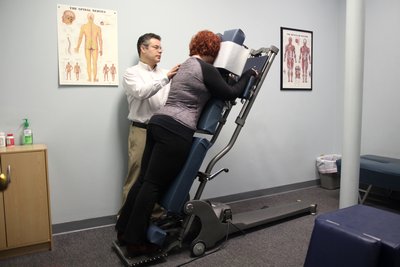
Although self-care methods like icing and compression can provide immediate relief for sports injuries, seeking professional help is essential for a detailed assessment and effective treatment. When you experience pain, swelling, or reduced mobility, it's important to consult a healthcare professional who specializes in sports injuries. They can accurately diagnose the issue, making sure you don't overlook a more serious underlying condition.
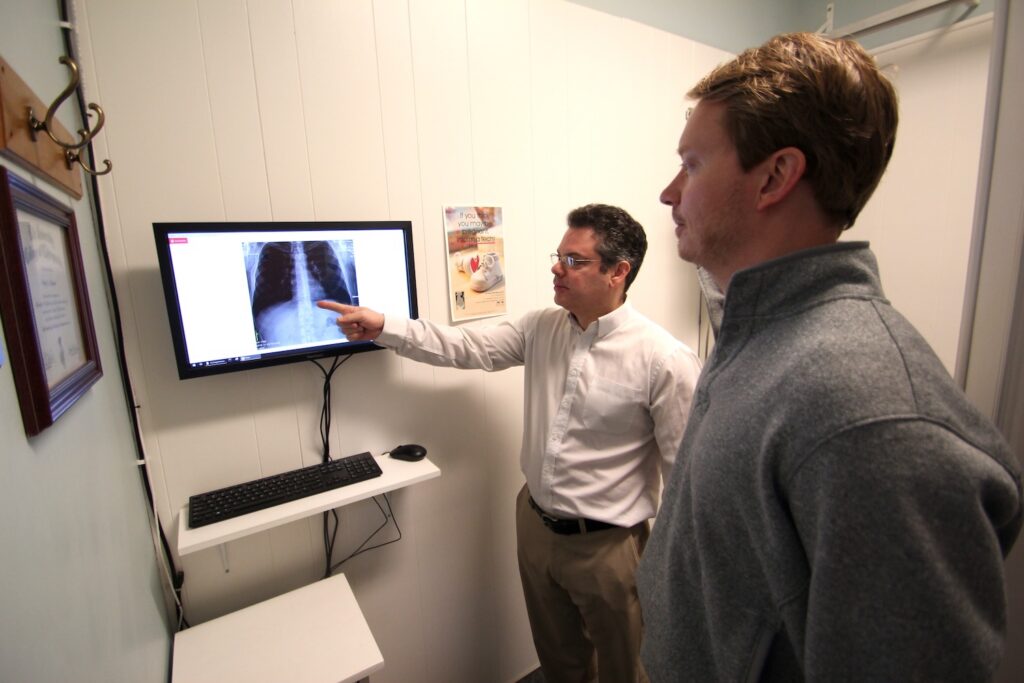
A professional will conduct a thorough evaluation, often including physical exams and imaging tests like X-rays or MRIs. This step is significant because it helps identify the exact nature of your injury, whether it's a sprain, strain, or fracture.
Once diagnosed, they'll create a personalized treatment plan tailored to your specific needs, which may include physical therapy, rehabilitation exercises, or even surgery in severe cases.
Trying to manage your injury alone can lead to improper healing and potentially worsen the condition. You might unknowingly return to your sport too soon, risking re-injury or chronic issues.
Working with a healthcare provider guarantees you follow a safe recovery timeline and regain strength and flexibility before returning to play.
In Charlotte, you have access to numerous sports medicine specialists. Don't hesitate to seek their expertise; doing so is a proactive step toward your recovery.
Conclusion
In Charlotte, taking care of sports injuries doesn't have to be complicated. Remember to prioritize rest and recovery, using light activities to keep your blood flowing. Don't underestimate the power of ice and compression to reduce swelling and stabilize your injury. Most importantly, don't hesitate to seek professional help for accurate diagnoses and tailored treatment plans. By following these tips, you'll be on your way to a safe and effective recovery in no time!