
You might not realize how much your posture affects your daily life, from your energy levels to your overall health. While you may think slouching is just a minor issue, poor posture can lead to significant health risks and discomfort over time. Seeking professional care can provide you with tailored strategies to address these problems effectively. But what specific benefits can you expect from working with a specialist, and how can these improvements impact your long-term well-being?
Understanding Posture and Its Importance
Good posture isn't just about standing tall; it's essential for your overall health and well-being. When you maintain proper posture, you align your body in a way that minimizes strain on your muscles and joints. You mightn't realize it, but your posture affects everything from your breathing to your mood. By sitting or standing correctly, you allow your body to function at its best.
Think about how often you find yourself slouching or leaning forward when you're focused on your phone or computer. These habits can lead to discomfort and even chronic pain over time. Maintaining good posture helps distribute your body weight evenly, reducing stress on your spine and improving blood circulation. This, in turn, can enhance your energy levels and promote better concentration.
Moreover, good posture plays an important role in your self-image. When you stand tall and confident, you not only feel better about yourself, but you also project a more positive image to others. This can lead to improved social interactions and opportunities in both your personal and professional life.
Understanding the importance of posture is the first step toward making positive changes. Being mindful of how you sit, stand, and move throughout your day can lead to lasting benefits.
It's worth investing the time to develop this awareness, as it can greatly enhance your quality of life. Ultimately, good posture is a foundation for a healthier, happier you.
Common Posture Problems
Even with an understanding of posture's significance, many people face common issues that can hinder their health. One prevalent problem is slouching, which often occurs when you're sitting for long periods. This not only strains your back but can also lead to discomfort in your neck and shoulders.
You might find yourself leaning forward, especially if you're working on a computer, which can further exacerbate these issues.
Another common posture issue is forward head posture. You may notice that your head juts forward while you're staring at screens or looking down at your phone. This misalignment puts extra stress on your cervical spine and can lead to tension headaches or neck pain.
Additionally, many people experience rounded shoulders, a condition that arises from poor habits like hunching over desks or carrying heavy bags. This can create an imbalance in your upper body, making it difficult to maintain proper alignment.
Lastly, excessive arching of the lower back, often referred to as lordosis, can occur due to prolonged sitting or weak abdominal muscles. This posture can lead to discomfort and instability in your lower back.
Recognizing these common posture problems is the first step toward improvement. By being mindful of your body's alignment throughout daily activities, you can take proactive measures to enhance your posture.
Seeking professional care can provide personalized strategies and support as you work to correct these issues and promote overall well-being.
Health Risks of Poor Posture
Poor posture can lead to chronic pain that affects your daily life, making even simple tasks difficult.
It can also reduce your lung function and impair your digestive health, impacting your overall well-being.
Understanding these risks is essential for making positive changes to your posture.
Chronic Pain Development
Many people underestimate the impact of poor posture on their overall health, often leading to chronic pain issues that can be debilitating. When you slouch or lean forward for long periods, you put unnecessary strain on your muscles and joints. This strain can result in discomfort, especially in your back, neck, and shoulders.
Over time, these aches can evolve into chronic pain conditions that affect your daily life. If you find yourself frequently experiencing tightness or soreness, it's likely related to your posture. Poor alignment can disrupt the natural curvature of your spine, leading to muscle imbalances and inflammation.
These changes can make simple tasks feel challenging, impacting your productivity and overall well-being. Moreover, chronic pain can create a vicious cycle. As you become less active due to discomfort, your muscles weaken further, exacerbating the problem.
Seeking professional care can help you identify and correct posture issues before they lead to more serious pain. By addressing these concerns early, you'll not only alleviate current discomfort but also prevent future complications. Taking steps to improve your posture is a vital investment in your long-term health and quality of life.
Reduced Lung Function
One significant consequence of poor posture is reduced lung function, which can lead to serious health risks. When you slouch or hunch over, you compress your lungs and diaphragm, making it harder to breathe deeply. This can decrease your oxygen intake and result in fatigue, reduced stamina, and even respiratory issues over time.
Maintaining proper posture not only allows for better lung expansion but also improves overall health.
Here are some potential risks associated with reduced lung function:
- Decreased energy levels: Poor oxygen flow can leave you feeling tired and less motivated.
- Increased stress: Shallow breathing can trigger anxiety and stress responses, affecting your mood.
- Higher risk of respiratory infections: Inadequate lung function can compromise your immune system, making you more susceptible to illnesses.
Impaired Digestive Health
Slouching can wreak havoc on your digestive health, leading to a host of uncomfortable issues. When you hunch over, you compress your internal organs, particularly your stomach and intestines. This compression can slow down digestion, causing bloating, gas, and even constipation. You might notice that eating while slumped leads to indigestion, heartburn, or an overall uneasy feeling after meals.
Good posture naturally aligns your spine and organs, allowing them to function effectively. By sitting or standing tall, you give your digestive system the space it needs to process food efficiently. This simple adjustment can improve blood circulation and nutrient absorption, making a significant difference in how you feel.
If you're experiencing ongoing digestive issues, it might be time to reassess your posture. Incorporating professional care, like chiropractic adjustments or physical therapy, can help you realign your body.
You'll not only feel better physically, but you'll also enhance your overall well-being. Remember, taking care of your posture is an essential step toward improving your digestive health. Don't let poor posture compromise your comfort and health any longer.
Benefits of Professional Care
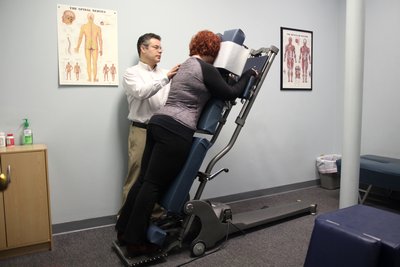
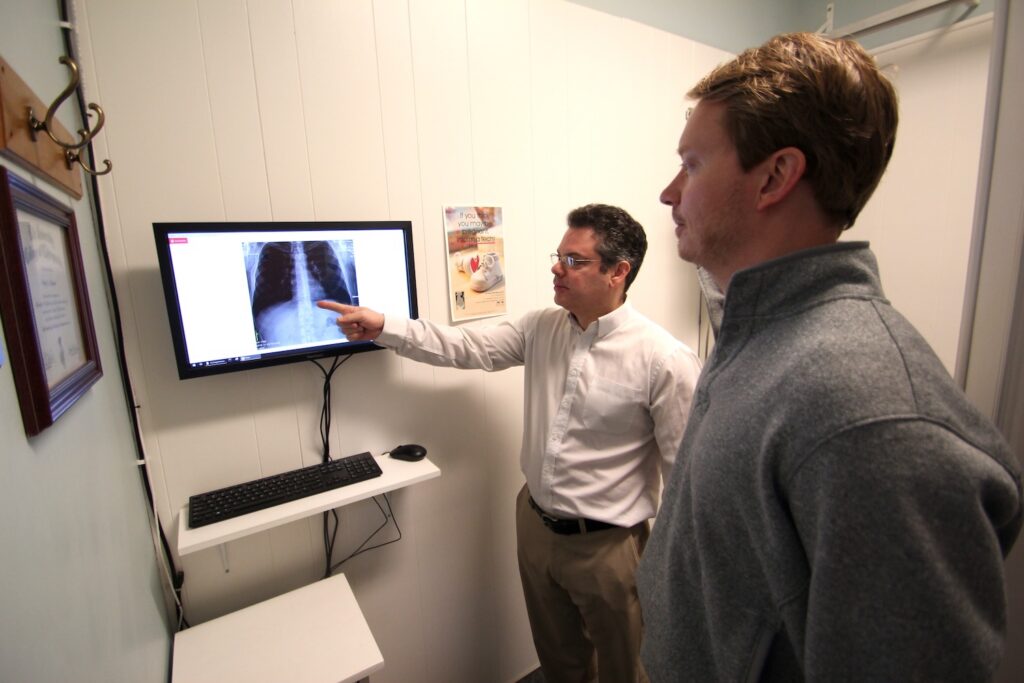
Professional care offers numerous benefits when it comes to improving posture. By seeking help from qualified professionals, you can address the root causes of your posture issues and develop a tailored plan to correct them.
Here's what you can gain from professional care:
- Personalized Assessment: Professionals will evaluate your body mechanics and posture, identifying specific areas that need attention. This personalized approach guarantees that you're not just following generic advice.
- Expert Guidance: With the right expertise, specialists can guide you through exercises and stretches that target your unique needs. They can teach you proper techniques to maintain good posture throughout your daily activities, reducing the risk of injury.
- Long-Term Improvement: Unlike quick fixes, professional care focuses on sustainable changes. By committing to a treatment plan, you'll likely see lasting improvements in your posture and overall well-being.
When you invest in professional care, you're not just correcting your posture; you're enhancing your quality of life. Improved posture can lead to reduced pain, better alignment, and increased confidence.
You'll find it easier to engage in daily activities without discomfort, and you'll likely notice an improvement in your mood and energy levels.
Types of Professional Treatments
When it comes to improving your posture, several professional treatments can make a significant difference.
Chiropractic adjustments align your spine, while physical therapy techniques strengthen supporting muscles.
Additionally, massage therapy can relieve tension and improve flexibility, all contributing to better posture.
Chiropractic Adjustments Benefits
Chiropractic adjustments offer a range of benefits that can greatly improve your posture and overall well-being. By realigning your spine and correcting imbalances, these adjustments help to alleviate discomfort and enhance your body's functionality. You might be surprised at how much better you feel after just a few sessions.
Here are some key benefits of chiropractic adjustments:
- Pain Relief: They can greatly reduce pain in the back, neck, and joints, allowing you to move more freely and comfortably.
- Improved Mobility: Regular adjustments increase your range of motion, making daily activities easier and more enjoyable.
- Enhanced Posture: By correcting spinal misalignments, chiropractic care helps you maintain a more upright and balanced posture, which can boost your confidence.
Investing in chiropractic adjustments isn't just about treating existing issues; it's also about preventing future problems.
When your spine is aligned, your body functions more efficiently, reducing the risk of injuries and chronic pain.
Physical Therapy Techniques
Many individuals find that chiropractic adjustments are just one piece of the puzzle when it comes to improving posture and overall health.
Physical therapy techniques play an essential role in this journey. You'll discover various methods tailored to your specific needs, helping to strengthen muscles and enhance stability.
One effective technique is therapeutic exercise, which focuses on stretching and strengthening key muscle groups. These exercises target areas that may be tight or weak, giving you the tools to support proper alignment.
Another valuable approach is postural training, where a physical therapist teaches you how to maintain correct posture during daily activities.
Manual therapy is also commonly utilized, involving hands-on techniques to alleviate pain and improve mobility. Your therapist might use soft tissue mobilization or joint mobilization to increase range of motion and reduce discomfort.
Additionally, modalities like ultrasound or electrical stimulation can be applied to relieve pain and promote healing.
Massage Therapy Impact
Massage therapy greatly impacts your posture and overall well-being by addressing muscle tension and promoting relaxation. When you receive regular massage treatments, you're not just indulging in a luxury; you're investing in your posture. By targeting tight muscles, massage helps release the tension that can lead to poor alignment and discomfort.
Here are a few ways massage therapy can enhance your posture:
- Muscle Release: Specific techniques, like deep tissue massage, can release knots and tightness, allowing your body to move more freely.
- Increased Blood Flow: Improved circulation nourishes your muscles and helps them recover faster, promoting a more balanced posture.
- Mind-Body Connection: Massage encourages body awareness, helping you recognize poor posture habits and empowering you to make positive changes.
Incorporating massage therapy into your routine can lead to lasting benefits, making it easier to maintain good posture throughout your daily activities.
When you feel relaxed and aligned, you'll notice a significant improvement in your overall health and well-being.
How to Maintain Good Posture
Maintaining good posture is essential for overall health and well-being, especially as you navigate daily activities. It's not just about standing tall; it's about being mindful of your body's alignment throughout the day.
To start, when sitting, keep your feet flat on the floor and your knees at a right angle. Use a chair that supports your lower back and prevents slouching. If you're at a desk, position your computer screen at eye level to avoid craning your neck.
When standing, distribute your weight evenly on both feet. Engage your core muscles and keep your shoulders relaxed but back. This alignment not only feels better but also reduces strain on your spine. Regularly check in with your body throughout the day; if you catch yourself slumping, adjust your posture immediately.
Incorporating stretching and strengthening exercises into your routine can also help. Focus on exercises that target your core, back, and shoulder muscles, as these areas play a significant role in maintaining posture.
Simple stretches, like chest openers or neck rolls, can relieve tension and reset your posture.
Finally, make use of reminders. Set alarms or use sticky notes in your workspace to prompt you to check your posture. The more conscious you become of your body's alignment, the easier it'll be to maintain good posture consistently.
With these strategies, you'll not only feel better but also enhance your overall quality of life.
Long-Term Impact on Quality of Life
Good posture isn't just a fleeting trend; it greatly influences your long-term quality of life. When you maintain proper alignment, you release a multitude of benefits that can positively affect your daily activities and overall well-being. You mightn't realize it, but the way you hold your body can impact everything from your mood to your physical health.
Here are some key aspects of how good posture plays an essential role in your life:
- Reduced Pain: Maintaining proper posture can alleviate chronic pain in your back, neck, and shoulders, making everyday tasks much easier to handle.
- Enhanced Confidence: Standing tall not only improves your physical presence but also boosts your self-esteem, making you feel more assured in social and professional settings.
- Better Functionality: Good posture aids in the efficient functioning of your organs, enhancing digestion and breathing, which contributes to an overall sense of wellness.
Over time, investing in your posture through professional care can lead to significant improvements in your quality of life. You'll find yourself feeling more energetic and productive, and you'll enjoy many activities without the nagging discomfort that poor posture often brings.
Plus, when you prioritize your posture, you're setting a foundation for a healthier, more vibrant future. So why wait? Start taking steps today to improve your posture and experience the long-lasting benefits it can bring to your life.
Conclusion
Improving your posture with professional care isn't just about looking good; it's about feeling great and enhancing your overall well-being. By addressing posture issues through expert assessments and tailored treatments, you can alleviate pain, boost mobility, and increase your energy levels. With ongoing support and guidance, you'll develop sustainable habits that lead to a healthier lifestyle. Investing in your posture today can transform your quality of life tomorrow—so don't wait to take that important step!