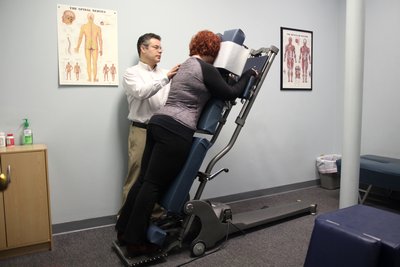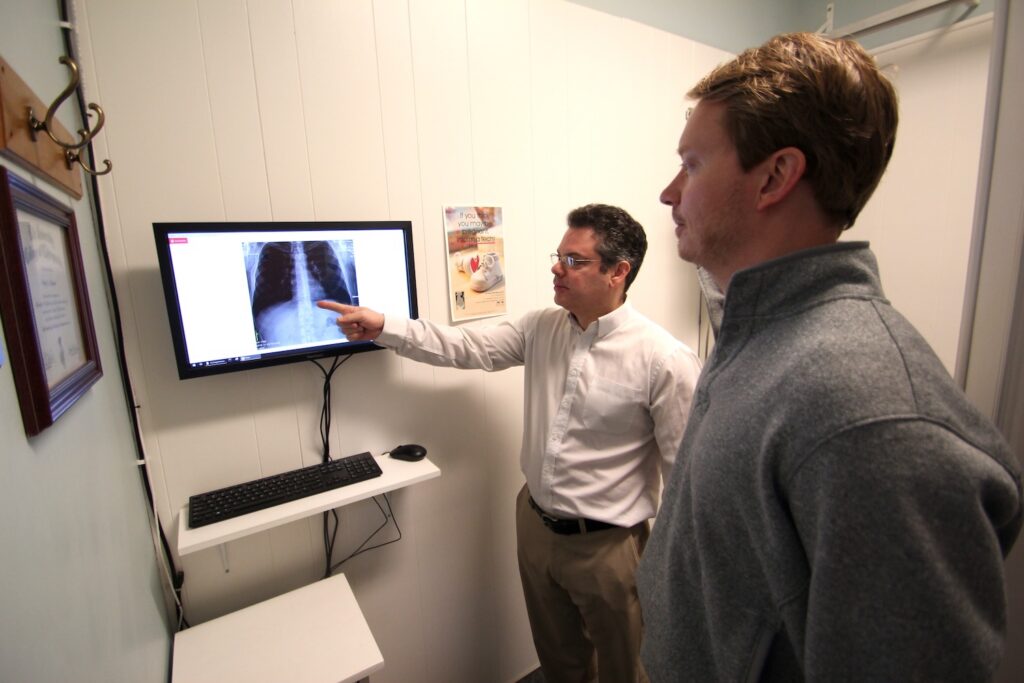

When recovering from a sports injury, it’s essential to consider adjustments that can significantly enhance your healing process. As a local chiropractor, I want to emphasize the importance of personalized rehabilitation tailored to your specific needs. By utilizing chiropractic care, you can not only address the injury itself but also improve your overall athletic performance.
Listening to your body is crucial during recovery. Chiropractic adjustments can help realign your spine and joints, reducing pain and promoting better function. Additionally, we can work together to modify your routines, ensuring they are safe and effective as you heal.
So, what are the key elements that can truly accelerate your path back to the field? Incorporating chiropractic care into your recovery plan can provide the support you need to bounce back stronger than before. Let’s explore how we can work together to optimize your healing journey!
Understanding the Recovery Process
As your local chiropractor, I want to help you understand the recovery process after experiencing a sports injury. Familiarizing yourself with the stages of recovery can significantly enhance your healing journey. Typically, these stages include inflammation, repair, and remodeling, each playing a crucial role in your body’s ability to recover.
During the inflammation phase, your body sends out signals to protect the injured area and kickstart the healing process. This is a critical time to rest and avoid any activities that could exacerbate the injury.
As you transition into the repair phase, gentle movements may be introduced to encourage blood flow and improve flexibility. This is where chiropractic care can be particularly beneficial, as we can provide tailored adjustments and exercises to aid your recovery.
Finally, in the remodeling stage, the focus shifts to building strength and preparing to return to your sport. It’s vital to listen to your body throughout this process; patience is key, and rushing can lead to setbacks.
Tracking your progress can also provide motivation and insight into your recovery journey.
The Role of Personalized Rehabilitation
As a local chiropractor, I want to emphasize the importance of personalized rehabilitation in your recovery journey. Unlike one-size-fits-all approaches, we develop individualized treatment plans tailored specifically to your unique needs and health goals.
By closely tracking your progress, we can help you stay focused and motivated throughout your healing process.
Additionally, we incorporate adaptive exercise techniques that ensure your rehabilitation aligns with your specific abilities and challenges.
This tailored approach not only enhances your recovery but also promotes overall well-being, allowing your body to heal naturally and effectively.
Together, we can work towards restoring your health and improving your quality of life.
Individualized Treatment Plans
As a local chiropractor, I want to emphasize the importance of creating an effective rehabilitation strategy for anyone recovering from a sports injury.
It’s crucial to understand that a one-size-fits-all approach simply doesn’t work when it comes to healing. That’s why collaborating with healthcare professionals like myself is essential in developing a personalized treatment plan tailored to your specific injury, fitness level, and goals.
A customized approach not only addresses your unique physical needs but also takes into account your lifestyle and mental well-being. By focusing on your individual strengths and weaknesses, we can optimize your recovery process.
In chiropractic care, individualized treatment plans may include targeted exercises, manual therapy techniques, and specific timelines for your progression.
This tailored strategy is designed to enhance your chances of a successful return to the sport you love. It helps minimize the risk of re-injury and ensures a smoother recovery journey.
Progress Tracking Strategies
As a local chiropractor committed to your healing journey, I want to emphasize the importance of effective progress tracking, particularly when recovering from a sports injury. By keeping a close eye on your rehabilitation, you can maintain motivation and make any necessary adjustments along the way.
Personalized tracking strategies not only help you visualize your improvements but also ensure that you’re progressing in a way that supports your overall health.
Here are some emotions that effective progress tracking can evoke during your recovery:
- Hope: Each small gain you observe reinforces your belief that full recovery is possible.
- Determination: By regularly tracking your progress, you keep your goals front and center, inspiring you to push through challenges.
- Pride: Celebrating each milestone along your journey enhances your confidence and sense of self-worth.
- Relief: Being aware of your progress helps to ease any anxiety you may have regarding your injury.
- Empowerment: Taking charge of your recovery process allows you to feel in control of your health.
By integrating these tracking strategies into your rehabilitation, you’ll discover that the journey to recovery can be both rewarding and less daunting.
Adaptive Exercise Techniques
As you embark on your recovery journey, it’s crucial to understand how adaptive exercise techniques can significantly aid in your healing process. These specialized methods are designed with your unique needs in mind, allowing you to regain strength and mobility while minimizing the risk of further injury.
By modifying traditional workouts, you can participate in exercises that are tailored to match your current abilities. In your rehabilitation, we may incorporate low-impact activities, resistance training, and balance exercises that are adjusted to ensure your comfort and safety.
Collaborating closely with a chiropractor ensures that you’re utilizing the appropriate techniques to foster healing. Remember, the objective is to gradually challenge your body as you progress.
Embracing these adaptive exercise techniques can profoundly enhance your recovery experience, making it both effective and safe. We’re here to guide you every step of the way, helping you understand how natural healing can transform your health.
Importance of Listening to Your Body
As a local chiropractor, I want to emphasize how crucial it’s to listen to your body during your recovery, particularly if you’re healing from a sports injury. Ignoring the signals your body sends out can lead to setbacks, delaying your healing process.
By tuning into your body’s messages, you can enhance your recovery and prevent further injuries.
- You’ll develop a sense of trust in your body, recognizing that it’s guiding you toward healing.
- Acknowledging any pain you experience allows you to distinguish between mere discomfort and a potential injury.
- You’ll feel empowered to make informed decisions regarding your activities based on how your body feels.
- This practice fosters a deeper connection with your physical self, promoting a holistic approach to health.
- Additionally, it supports your mental well-being by alleviating anxiety about returning to your favorite sports.
I encourage you to take a moment each day to reflect on how you’re feeling.
Remember, every small step you take is vital in your recovery journey. Embracing this practice not only aids in your healing but also prepares you for a stronger and more resilient comeback.
If you have any questions about how chiropractic care can support you in this process, feel free to reach out!
Modifying Training Routines
As a local chiropractor, it’s essential for you to understand the importance of assessing the severity of an injury before making any changes to your training routine.
When recovering, we recommend taking a careful approach by gradually increasing the intensity of your workouts. This strategy not only helps you avoid re-injury but also ensures that you’re effectively building strength without overwhelming your body.
By listening to your body and allowing for proper healing, you can support your overall wellness and enhance your recovery journey through natural healing methods.
Assessing Injury Severity
As your local chiropractor, I want to emphasize the importance of accurately assessing the severity of your injury to make informed adjustments to your training routine.
It’s essential to listen to your body—pay close attention to any pain, swelling, and limitations in mobility, as these are critical indicators of your condition. I recommend keeping a journal to document your symptoms and how they evolve over time, as this can provide valuable insights into your healing process.
Seeking guidance from a chiropractor can be particularly beneficial, as we specialize in understanding musculoskeletal health and can offer tailored recommendations based on your specific situation.
Remember, it’s vital to allow yourself to heal completely before pushing your limits. Ignoring the severity of an injury can lead to long-term setbacks and complications.
Celebrate each small step in your recovery process—every victory counts! Don’t let the fear of losing progress overshadow your judgment; recovery is a journey that requires patience and self-compassion.
Together, we can navigate this path toward healing and ensure you get back to doing what you love safely.
Gradual Intensity Increase
As a local chiropractor, I want to emphasize the importance of gradually increasing the intensity of your training as you recover from an injury. This method is crucial for safely rebuilding your strength and endurance.
When you begin your recovery, it’s best to start with low-impact exercises that won’t put undue strain on your injury. This allows your body the time it needs to adjust and heal properly.
It’s vital to listen to your body during this process. If you experience any pain, it’s a signal to reduce the intensity of your workouts. Once you feel comfortable, you can slowly introduce more challenging exercises, making sure to target specific muscle groups that need strengthening.
Aim to increase both the duration and intensity of your workouts in small, manageable increments. This approach ensures that your muscles can handle the additional stress without risking further injury.
Consistency is key; it’s important to maintain a balanced routine that incorporates strength training, flexibility exercises, and aerobic activities.
Remember, patience is essential in this healing process. Rushing back into intense workouts can lead to setbacks that prolong your recovery.
With a mindful and gradual approach, you can effectively regain your strength and performance while minimizing the risk of re-injury. As your chiropractor, I’m here to guide you through this journey to optimal health and wellness.
Incorporating Cross-Training Techniques
As a local chiropractor dedicated to promoting natural healing and overall wellness, I want to emphasize the importance of incorporating cross-training techniques into your rehabilitation routine. This approach can significantly enhance your recovery process. By diversifying your workouts, you engage different muscle groups, which not only helps in building overall strength and flexibility but also keeps your rehabilitation journey interesting and enjoyable.
In addition to the physical benefits, cross-training can offer several emotional advantages that contribute to your overall well-being:
- Increased motivation: Exploring new activities can rekindle your enthusiasm for fitness and movement, making your recovery feel less like a chore.
- Enhanced focus: Changing up your routine keeps your mind engaged, which is crucial for maintaining a positive mindset during your healing process.
- Boosted confidence: As you learn and master new skills, you’ll likely feel a sense of empowerment and accomplishment, reinforcing your commitment to a healthy lifestyle.
- Stronger connections: Participating in group workouts can create a sense of community and support, which can be incredibly beneficial during your recovery.
- Improved mood: Regular exercise, especially when varied, promotes the release of endorphins, helping you feel happier and more resilient as you navigate your healing journey.
By integrating cross-training into your rehabilitation, you’re not only supporting your physical recovery but also nurturing your emotional health.
It’s a holistic approach that aligns with the principles of chiropractic care, focusing on your body’s natural ability to heal and thrive.
The Significance of Nutrition and Hydration
As a local chiropractor, I often emphasize the crucial role nutrition plays in your recovery from sports injuries. It’s essential to understand that proper nutrition not only fuels your body but also accelerates the healing process. When you’re injured, your body requires additional calories and nutrients to repair tissues and combat inflammation.
I recommend focusing on a balanced diet that includes lean proteins, healthy fats, and whole grains. These food groups are rich in essential amino acids and nutrients that are vital for your recovery.
Equally important is hydration. Staying well-hydrated is fundamental to maintaining your body’s functions and can help prevent complications during the healing journey. Water plays a key role in delivering nutrients to injured areas and removing toxins from your system.
Aim to drink at least eight glasses of water a day, and be sure to adjust this amount based on your activity level and the climate you’re in.
In addition to a balanced diet and hydration, incorporating specific vitamins and minerals—such as vitamin C, zinc, and omega-3 fatty acids—can significantly enhance your recovery process.
By prioritizing both nutrition and hydration, you lay a strong foundation for healing. Trust me, you’ll notice a remarkable difference in your recovery when you take these steps seriously.
Mental Health and Recovery
As a local chiropractor, I want to emphasize the importance of not only physical recovery after a sports injury but also the crucial role of mental health in your healing journey. Many people may not realize that neglecting your mental well-being can significantly affect your overall recovery process.
It’s common to experience feelings of isolation, frustration, or anxiety during rehabilitation, and these emotions can impede your progress. Just as you prioritize physical therapy, it’s vital to address your mental health.
Here are some emotional challenges you might encounter during your recovery:
- The worry about not being able to perform at your previous level
- Frustration or sadness stemming from limited mobility
- Anxiety about the possibility of re-injury or returning to competition
- A sense of disconnect from teammates and friends
- Questions about your identity beyond being an athlete
As a chiropractor, I encourage you to not only focus on the physical aspects of healing but also to pay attention to your emotional state.
Engaging in supportive conversations, seeking guidance from mental health professionals, or even practicing mindfulness can be beneficial. Together, we can work towards a holistic recovery that encompasses both your body and mind.
Setting Realistic Goals for Return to Sport
As your local chiropractor, I’m here to guide you through your recovery process and help you set realistic goals for your return to sport.
It’s crucial to start by assessing your current physical condition and understanding the specifics of your injury. This assessment allows us to identify achievable milestones that will support your healing journey.
I recommend breaking down your recovery goals into smaller, manageable steps. For example, we can focus on increasing your range of motion or gradually building strength. Your body needs time to heal, and taking these incremental steps is essential for a successful recovery.
Communication is key in this process. I encourage you to discuss your aspirations openly with me during our sessions. I can provide valuable insights and tailor your treatment plan as needed.
Remember, it’s important not to rush back into your sport too soon, as this can lead to setbacks. Listening to your body is vital, and I’ll help you stay attuned to its signals.
Let’s celebrate the small victories together, as these milestones will keep you motivated throughout your recovery.
Lastly, keep in mind that flexibility is important—your goals may need to evolve as you progress. By setting realistic expectations, you’ll not only improve your chances of a successful return to sport but also cultivate a healthier mindset during your healing journey.
I’m here to support you every step of the way!
Conclusion
As a local chiropractor, I want to emphasize the importance of incorporating adjustments into your sports injury recovery. These adjustments can play a vital role in enhancing your healing journey. By focusing on personalized rehabilitation tailored to your specific needs, listening to your body, and making necessary modifications to your training, you can set yourself up for a successful recovery.
It’s essential to consider cross-training to maintain your fitness while allowing your injury to heal. Additionally, prioritizing nutrition and hydration will support your body in the recovery process. Don’t overlook the significance of mental health during this time; it’s just as important as physical healing.
Setting realistic goals can help you track your progress and ensure a sustainable return to your chosen sport. Embrace these holistic strategies, including regular chiropractic adjustments, for a healthier, stronger comeback. Remember, your body has an incredible capacity to heal, and with the right support, you can optimize your recovery and return to the activities you love.