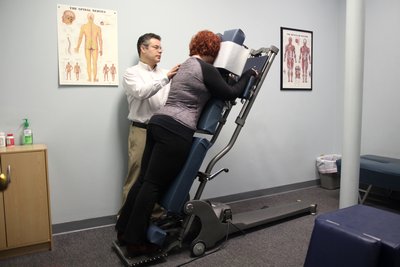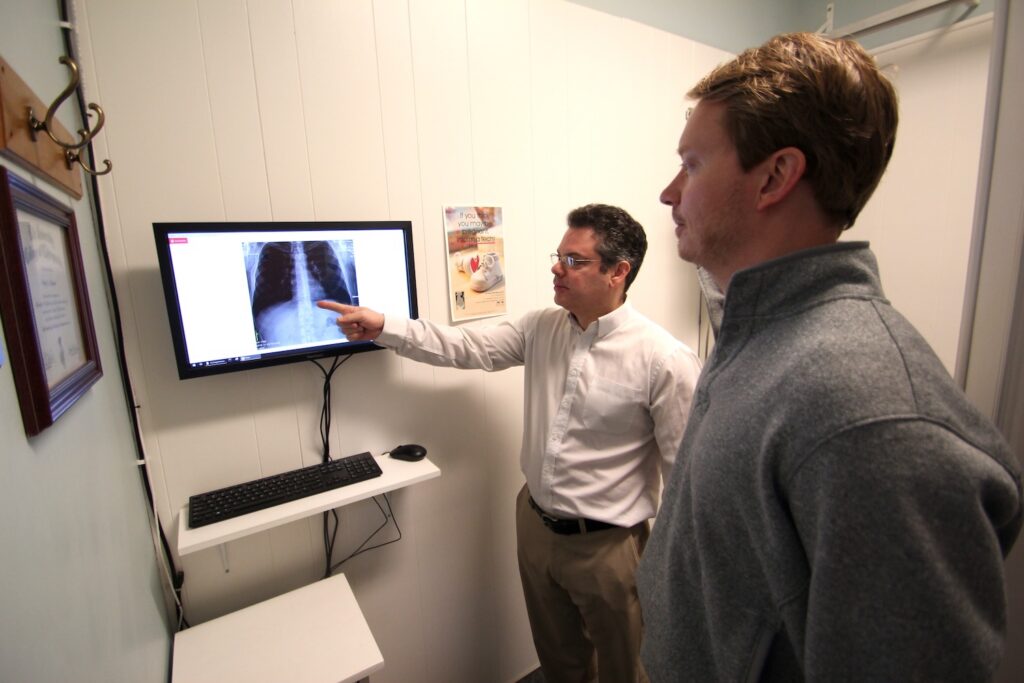

When you experience a sports injury, considering chiropractic care can significantly influence your recovery process. It's not solely about rehabilitation; it's about creating a tailored treatment plan that addresses your unique needs, focusing on both the physical recovery and the mental challenges that may arise during this time. As a chiropractor, I employ various techniques designed to improve your performance and help prevent future injuries, which are essential for your long-term well-being. But what specific chiropractic strategies can truly enhance your recovery and support your athletic journey? Let's explore how natural healing methods can make a positive difference.
Benefits of Therapy
As a local chiropractor, I want to share how the benefits of chiropractic therapy can significantly aid your recovery from sports injuries. When you come in for chiropractic care, we focus on more than just the physical aspects of your injury; we also prioritize your mental and emotional well-being. This comprehensive approach is crucial for ensuring a quicker and more effective recovery process.
One major benefit of chiropractic therapy is the improvement in your flexibility and strength. Through specific adjustments and guided exercises, I can help you regain mobility, alleviate stiffness, and ultimately prevent future injuries. You'll notice that your body feels more balanced and robust, enabling you to return to your sport with renewed confidence.
Another key advantage of working with a chiropractor is the personalized care you receive. I take the time to understand your individual circumstances and goals, creating a tailored treatment plan that maximizes your recovery. This customized support helps to ensure that your healing journey is both efficient and effective, minimizing unnecessary setbacks along the way.
Chiropractic therapy also involves educating you about your body and how it functions within the context of your sport. You'll learn valuable techniques to prevent re-injury and strategies to boost your performance. This knowledge empowers you to make informed choices regarding your training and recovery.
Lastly, chiropractic care can significantly reduce pain and inflammation through various techniques, including spinal adjustments and soft tissue therapies. This relief can greatly enhance your daily activities and improve your overall quality of life.
Personalized Treatment Plans
As a local chiropractor, I want to share with you the importance of personalized treatment plans in the journey to recovery from sports injuries. Every athlete's experience with injury is unique, and that's why a tailored approach is essential in chiropractic care. When you sustain a sports injury, a generic treatment plan simply won't provide the results you're looking for. By customizing your treatment to meet your individual needs, we can effectively address the root cause of your injury, rather than just alleviating the symptoms.
Your personalized treatment plan starts with a comprehensive assessment of your condition. During our initial evaluation, I'll take into account your athletic history, current physical state, and any specific goals you have for returning to your sport. This thorough analysis enables me to create a strategy that aligns with your body's requirements and your lifestyle.
In your plan, I may incorporate a variety of techniques, including spinal adjustments, soft tissue therapy, and guidance on nutrition and hydration. The goal is to develop a holistic approach that not only expedites your healing process but also improves your overall physical performance. Additionally, I'll provide education on injury prevention, equipping you with the knowledge to avoid future setbacks.
Regular check-ins will be an integral part of your treatment. As you progress in your recovery, I'll adjust your plan based on your milestones and any changes in your condition. This adaptability is crucial; it allows us to respond to your body's needs while keeping you on the path to a full recovery.
Ultimately, personalized treatment plans empower you to take an active role in your rehabilitation journey, ensuring that you can safely and efficiently return to the activities you love. I'm here to guide you through this process and support you every step of the way.
Physical Rehabilitation Techniques
As your local chiropractor, I want to emphasize the importance of understanding physical rehabilitation techniques when recovering from a sports injury.
It's crucial for you to explore various approaches, including manual therapy, which involves hands-on techniques to alleviate pain and improve mobility.
Additionally, we'll work together to create a tailored exercise prescription that suits your specific needs, helping you regain strength and flexibility.
There are also various modalities available for pain relief that we can incorporate into your treatment plan.
Each of these techniques plays a vital role in not only easing your discomfort but also ensuring you return to peak performance in your sport.
Manual Therapy Approaches
As a local chiropractor, I want to share with you the importance of manual therapy approaches in the rehabilitation of sports injuries. These hands-on techniques are essential for alleviating pain and restoring function to your body. Our methods include mobilization, manipulation, and soft tissue techniques, all specifically designed to target areas of discomfort or dysfunction.
When you undergo manual therapy, you can expect to feel immediate relief. These techniques improve circulation, reduce muscle tension, and enhance joint mobility, helping you get back on your feet sooner.
By collaborating with a trained chiropractor like myself, you'll receive a customized treatment plan that addresses your specific injury and recovery goals. My skilled hands can pinpoint problem areas and apply the appropriate techniques to facilitate your healing.
You may find that therapies such as myofascial release or trigger point therapy can significantly reduce your pain and improve your range of motion.
Incorporating manual therapy into your recovery process not only accelerates healing but also helps prevent future injuries by promoting proper biomechanics.
You'll appreciate the personalized attention and expertise I provide, making your rehabilitation journey both effective and enjoyable. Embracing manual therapy can truly be a transformative step toward regaining peak athletic performance and overall wellness.
Exercise Prescription Strategies
As a local chiropractor, I want to emphasize the importance of exercise prescription strategies in your recovery from sports injuries. These strategies are designed to help you regain strength, flexibility, and endurance naturally, all while minimizing the risk of future injuries.
Here are some key components that we consider during your recovery journey:
- Individual Assessment: Your recovery plan begins with a comprehensive evaluation of your specific injury and overall fitness level. This helps us tailor our approach to meet your unique needs.
- Progressive Overload: We'll guide you to gradually increase the intensity of your workouts. This method helps your body adapt, promoting strength and resilience over time.
- Balanced Regimen: A well-rounded fitness routine is essential. We incorporate strength training, flexibility exercises, and cardiovascular workouts to enhance your overall health and fitness.
- Goal Setting: Together, we'll establish clear, achievable goals. This not only keeps you motivated but also helps you stay focused throughout your recovery process.
- Regular Monitoring: We believe in tracking your progress consistently. This allows us to make necessary adjustments to your plan and ensures that you're moving in the right direction toward recovery.
By understanding and implementing these exercise prescription strategies, you can support your healing process and work towards optimal performance in your activities.
Modalities for Pain Relief
As a local chiropractor, I want to emphasize the importance of pain relief in your recovery from sports injuries. There are various natural modalities we can use to effectively support your healing journey. These techniques are designed to reduce pain, promote healing, and restore function, helping you return to your favorite activities faster.
One of the most beneficial approaches we utilize is manual therapy. This hands-on technique involves methods like massage, joint mobilization, and myofascial release to alleviate tension and enhance mobility.
Another valuable tool in our practice is electrical stimulation. By using electrical currents, we can help diminish pain and stimulate muscle contractions to aid in your recovery.
Ultrasound therapy is also available, which utilizes sound waves to encourage tissue healing and decrease inflammation. You may also benefit from simple, yet effective, ice and heat therapy. Ice can help reduce swelling and numb sharp pain, while heat works to improve blood flow and relax tight muscles.
Additionally, acupuncture is a powerful option that targets specific points in the body to relieve pain and enhance your recovery process.
At our chiropractic office, we're dedicated to providing you with a comprehensive approach to healing, so you can get back to doing what you love with confidence.
Mental Health Support
Recovering from a sports injury can be just as challenging mentally as it's physically. As a local chiropractor, I want to emphasize the importance of addressing both your physical and mental health during your healing journey.
It's common to experience feelings of frustration, anxiety, or even depression as you navigate the ups and downs of recovery. This is why mental health support is crucial. By taking care of your mental well-being, you can foster resilience and a positive mindset, which are essential for a successful recovery.
Here are some vital aspects of mental health support that I encourage you to consider during your recovery:
- Emotional Expression: Engaging in conversations about your feelings, whether with a therapist or through support groups, provides a safe space to express and cope with the emotional challenges of recovery.
- Stress Management: Incorporating stress management techniques such as mindfulness or relaxation exercises can significantly enhance your mental state. As your chiropractor, I can guide you in integrating physical therapies that complement these practices.
- Goal Setting: Working with a therapist can help you set realistic, achievable goals. This keeps you motivated and focused on your progress, both physically and mentally.
- Coping Strategies: Learning effective coping strategies will equip you with valuable tools to handle setbacks and frustrations, allowing you to maintain a positive outlook.
- Community Support: Participating in therapy or support groups can connect you with others who understand your struggles. This sense of community can reduce feelings of isolation and enhance your overall recovery experience.
Injury Prevention Strategies
As a local chiropractor, I want to emphasize the importance of injury prevention in your daily activities. One of the key strategies to keep yourself free from injuries is to incorporate effective warm-up techniques before engaging in any physical activity. Warming up prepares your muscles and joints for the demands of exercise, reducing the risk of strains and sprains.
Additionally, strengthening exercises are vital for building resilience in your muscles and joints. By focusing on these exercises, you can enhance your body's stability, which is crucial for preventing injuries.
I encourage you to consider these strategies as part of your overall health regimen. Together, we can work towards keeping you active and injury-free, allowing you to enjoy all the activities you love.
Warm-Up Techniques
As a chiropractor dedicated to promoting natural healing and overall well-being, I can't emphasize enough the importance of a proper warm-up routine. It serves as your best defense against sports injuries and sets the foundation for a safe and effective workout.
By preparing your body for physical activity, you not only enhance flexibility but also boost your performance and significantly reduce the risk of injury. Here are some essential warm-up techniques that I recommend incorporating into your routine:
- Dynamic stretches: These involve moving your muscles through their full range of motion, which helps increase blood flow and prepares your body for the demands of physical activity.
- Light aerobic activity: Engaging in activities such as jogging or jumping jacks is a great way to elevate your heart rate and get your blood circulating, warming up your muscles for the work ahead.
- Joint mobility exercises: Focusing on rotating and flexing your joints can improve their range of motion, which is crucial for maintaining optimal function and preventing injuries.
- Sport-specific drills: Mimicking the movements you'll be performing during your game or workout not only prepares your muscles but also helps to mentally prime you for the activity, enhancing both your physical and mental readiness.
- Gradual intensity increase: It's essential to start your warm-up slowly and progressively increase the intensity. This approach helps to avoid shocking your body and allows for a more effective transition into your workout.
Incorporating these warm-up techniques into your routine can greatly contribute to your overall health and performance, while also minimizing the risk of injuries.
Strengthening Exercises
As a local chiropractor, I want to emphasize the importance of incorporating strengthening exercises into your routine to help prevent sports injuries. By enhancing muscle stability and support, you can create a solid foundation that protects your joints during various physical activities.
Let's start by focusing on your core. A strong core is essential as it stabilizes your entire body and can significantly improve your overall performance. Exercises like planks, bridges, and Russian twists are fantastic for this purpose.
Don't overlook your legs; incorporating squats and lunges not only builds muscle strength but also improves your balance and coordination—both vital for injury prevention.
It's equally important to work on your upper body. Including exercises such as push-ups and rows ensures that you develop a well-rounded strength profile. This balance is crucial, as muscle imbalances can lead to overuse injuries, which we often see in our practice.
I recommend incorporating these strengthening exercises into your routine at least two to three times a week. As you progress, gradually increase the intensity and resistance of your workouts.
However, always pay attention to how your body feels. If you experience any discomfort or unusual sensations, it's essential to adjust your routine accordingly.
Enhancing Performance Post-Recovery
As a local chiropractor, I want to share some insights for athletes recovering from sports injuries who are eager to enhance their performance.
Recovery is just the beginning; it's essential to adopt strategies that won't only help you regain your former abilities but also elevate your performance to new heights. Here are some effective approaches to consider:
- Set realistic goals: Start by breaking down your objectives into smaller, manageable milestones. This not only helps you stay motivated but also allows for gradual progress, which is crucial during recovery.
- Incorporate cross-training: Engaging in various sports or activities can help build your overall strength and flexibility while ensuring that you aren't over-exerting the area that's still healing. This holistic approach can be beneficial for your body's recovery process.
- Focus on nutrition: A well-balanced diet is key to supporting both recovery and performance. Make sure you're consuming adequate proteins, healthy fats, and carbohydrates to fuel your body effectively.
- Prioritize mental training: Techniques such as visualization and mindfulness can significantly enhance your confidence and concentration. Mental preparedness is just as important as physical readiness when it comes to achieving peak performance.
- Work with a chiropractor: As a professional in natural healing, I can provide personalized guidance tailored to your individual recovery process. Chiropractic care can help restore your body's balance, improve mobility, and enhance your overall performance safely and effectively.
By integrating these strategies into your post-recovery routine, you can't only heal but thrive in your athletic endeavors.
Building a Support System
Achieving peak performance isn't solely about your own dedication; it significantly involves the support of those around you during your recovery journey. As a local chiropractor, I want to emphasize how building a strong support system can be a game-changer when navigating the challenges of recovering from sports injuries.
Start by identifying key individuals in your life who can motivate and uplift you. This might include teammates, coaches, family members, or friends who understand your aspirations and can provide encouragement along the way. Their presence can help keep you focused and positive, especially during tough times.
Engaging with others who've faced similar injuries can also offer valuable insights and foster a sense of camaraderie, which is vital for emotional healing.
Don't overlook the significance of professional support in your recovery. In addition to chiropractic care, collaborating with a therapist or sports psychologist can provide you with coping strategies and mental tools to enhance your resilience. These professionals can guide you in tackling the emotional aspects of recovery, allowing you to maintain a balanced perspective as you heal.
I also encourage you to explore support groups or online communities where you can connect with individuals facing similar challenges. Sharing experiences and advice can be incredibly empowering, reinforcing the idea that you aren't alone in this journey.
Open communication with your support system is essential. Share your goals, fears, and progress to keep them involved in your recovery process. Their encouragement won't only boost your morale but also help hold you accountable, motivating you to stay committed to your recovery plan.
Success Stories and Testimonials
Success stories and testimonials can serve as a powerful source of motivation as you embark on your recovery journey from sports injuries. As a local chiropractor, I often share these experiences with my patients to help illustrate the potential for healing and recovery through chiropractic care and natural healing methods.
When you hear about others who've faced similar challenges and emerged victorious, it reminds you that you aren't alone in this process and that recovery is indeed attainable.
Here are some inspiring themes you may encounter in these success stories:
- Overcoming Doubts: Many athletes arrive at my clinic feeling uncertain about their ability to return to their sport. However, through chiropractic adjustments and tailored therapy, they discover newfound strength and confidence.
- Unexpected Progress: Patients are often pleasantly surprised by how quickly they heal and regain their strength with a dedicated chiropractic care plan that focuses on their individual needs.
- Supportive Communities: Clients frequently mention the positive impact of the supportive environment in my clinic, where fellow patients and therapists work together to cheer each other on throughout the recovery process.
- Mental Resilience: Numerous testimonials highlight the mental fortitude gained during chiropractic treatment, emphasizing that the benefits extend beyond physical recovery to improved mental well-being.
- Achieving Goals: Many athletes share their success in reaching or even surpassing their performance goals after chiropractic care, often feeling more motivated and inspired than ever before.
These narratives not only demonstrate that success is within reach but also provide practical insights into the recovery process through chiropractic care.
By exploring the experiences of others who've walked this path, you can discover strategies and inspiration to keep you focused on your own healing journey.
Conclusion
When considering therapy for your sports injury recovery, it's important to understand that chiropractic care goes beyond just physical healing; it also plays a vital role in enhancing your mental resilience. As a local chiropractor, I create personalized treatment plans tailored to your unique needs, utilizing effective rehabilitation techniques that not only help you recover but also empower you to come back stronger than before.
Moreover, chiropractic care emphasizes injury prevention, equipping you with strategies to face future challenges with confidence. Throughout this process, we also focus on building a supportive environment that fosters a sense of community among patients. Embracing this holistic journey with us means you'll not only aid your recovery but also improve your overall performance and well-being. Let's work together to unlock your full potential through natural healing!