
If you're struggling with back pain, you might be wondering why non-invasive options are worth considering. These approaches not only provide effective relief without the risks associated with surgery, but they also empower you to take control of your recovery journey. From chiropractic care to physical therapy, these methods can address both the physical and emotional aspects of pain. Yet, many still opt for invasive treatments—what could be influencing that choice? Understanding the full scope of benefits might change your perspective on managing back pain effectively.
Understanding Back Pain
Many people experience back pain at some point in their lives, making it a common yet often misunderstood condition. You might find that back pain can stem from various causes, including muscle strain, poor posture, or even stress. Understanding the root of your pain is vital for effective management.
When you think about it, your back is a complex structure comprising bones, muscles, ligaments, and nerves. Any disruption or injury in this intricate system can result in discomfort. For instance, if you sit for long periods without proper back support, you may inadvertently strain your muscles, leading to acute or chronic pain.
Additionally, age plays a notable role in how your back holds up. As you get older, your spine undergoes wear and tear, which can lead to conditions like degenerative disc disease. This natural aging process might manifest as stiffness or dull pain in your lower back.
Moreover, emotional factors, such as anxiety and stress, can exacerbate your back pain. When you're stressed, your body tends to tense up, which can lead to discomfort. It's important to recognize these psychological components, as they can greatly impact your physical state.
Risks of Invasive Treatments
While invasive treatments for back pain can offer relief, they also come with significant risks that shouldn't be overlooked. When considering options like surgery or injections, it's essential to be aware of the potential complications that may arise.
These risks can sometimes outweigh the benefits, and understanding them can help you make an informed decision.
- Infection: Any invasive procedure carries a risk of infection. This can lead to increased pain and may require additional treatments, prolonging your recovery time.
- Nerve Damage: There's a possibility of damaging surrounding nerves during invasive procedures. This can result in chronic pain, numbness, or weakness in your back or legs, which may not resolve even after treatment.
- Scarring and Adhesions: Surgical interventions can lead to scar tissue formation, which may contribute to ongoing discomfort or restricted mobility. Scar tissue can sometimes cause further complications down the line.
- Failed Back Surgery Syndrome (FBSS): Unfortunately, some patients experience persistent pain even after surgery. FBSS can be challenging to treat and may leave you feeling frustrated and hopeless.
Benefits of Non-Invasive Solutions
If you're looking to manage back pain effectively without the risks associated with invasive treatments, non-invasive solutions offer a variety of benefits. First and foremost, these options tend to have fewer side effects compared to surgical procedures or medications. You can experience relief without worrying about complications or long recovery times.
Another significant advantage is the accessibility of non-invasive treatments. Many methods, such as chiropractic care, acupuncture, and massage therapy, are readily available and can be tailored to your individual needs. This personalization means you can find a treatment that resonates with you and fits your lifestyle.
Additionally, non-invasive solutions often empower you to take charge of your health. You're not just passively receiving treatment; you can actively participate in your recovery process. By engaging in practices like yoga or mindfulness, you can improve your overall well-being while addressing the root causes of your back pain.
Cost-effectiveness is another compelling reason to choose non-invasive options. Many of these treatments are less expensive than surgeries or long-term pharmaceutical regimens, making them more manageable for your budget.
Lastly, non-invasive solutions promote long-term health benefits. By incorporating sustainable practices into your routine, you can't only alleviate pain but also strengthen your body, reduce stress, and enhance your quality of life.
Physical Therapy Approaches
When it comes to managing back pain, physical therapy approaches can be incredibly effective and tailored to your specific needs. A qualified physical therapist will assess your condition and design a personalized program that aims to alleviate pain, improve mobility, and enhance overall function.
Here are four key physical therapy approaches you might consider:
- Manual Therapy: This hands-on technique involves the therapist manipulating your muscles and joints. It can help relieve tightness and improve the range of motion in your back.
- Strengthening Exercises: Your therapist will guide you through targeted exercises to strengthen the muscles supporting your spine. This not only reduces pain but also prevents future injuries.
- Stretching Regimens: Flexibility is essential for a healthy back. A tailored stretching program can help ease tension in your muscles, making movement easier and less painful.
- Posture Training: Poor posture can greatly contribute to back pain. Your therapist will work with you to develop better posture habits, both during daily activities and while sitting or standing.
Incorporating these physical therapy approaches can lead to notable improvements in your back pain management. Not only do these techniques address the symptoms, but they also work to tackle the underlying issues, allowing you to regain control over your life.
Chiropractic Care Explained
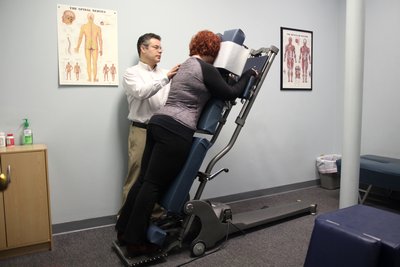
Chiropractic care focuses on adjusting the spine and other joints to alleviate back pain and improve overall function. If you've been struggling with discomfort, visiting a chiropractor might be an effective option for you. Chiropractors use hands-on spinal manipulation and other manual techniques to align the body's musculoskeletal structure, which helps your body heal naturally without the need for medication or surgery.
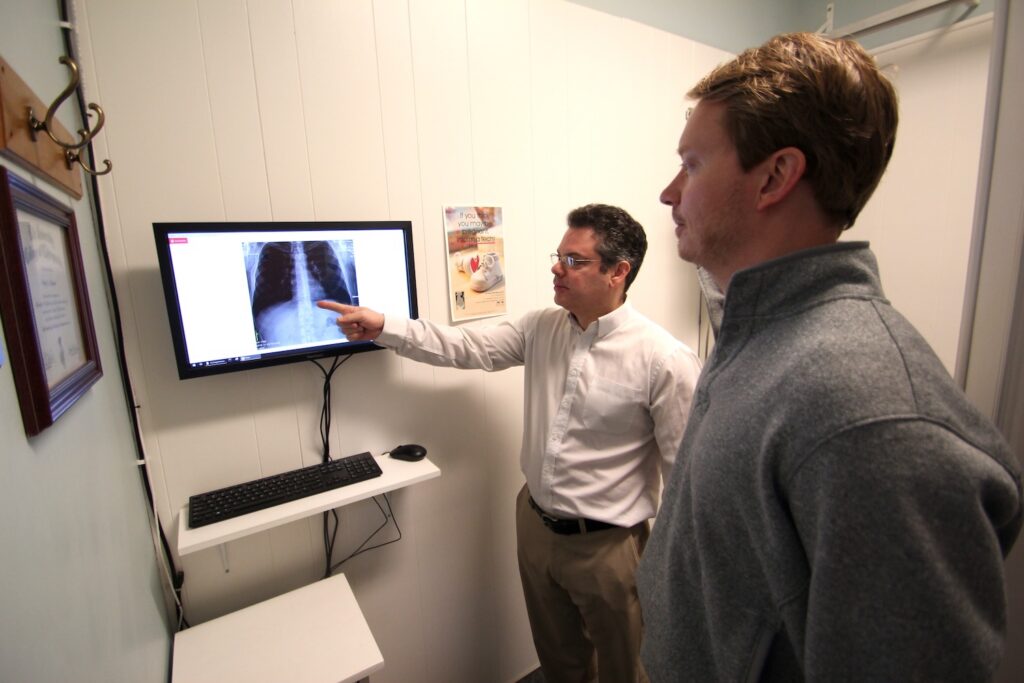
When you first visit a chiropractor, they'll conduct a thorough assessment, including your medical history and a physical examination. This helps them identify the root cause of your back pain. After pinpointing the issue, they'll create a personalized treatment plan tailored to your needs. The primary goal is to restore proper movement and function to your spine, which can relieve pressure on nerves and reduce pain.
Chiropractic adjustments can enhance mobility, improve posture, and promote overall wellness. Many patients report feeling immediate relief after an adjustment, while others notice gradual improvements over time.
Additionally, chiropractic care emphasizes the importance of preventative measures, encouraging you to maintain a healthy lifestyle and seek regular adjustments to avoid future pain.
It's worth noting that chiropractic care is considered safe for most individuals. However, it's crucial to communicate openly with your chiropractor about any concerns or medical conditions you may have. By working together, you can achieve your goals for pain relief and enhanced quality of life through non-invasive chiropractic treatments.
The Role of Exercise
Exercise plays an essential role in managing back pain and improving your overall well-being.
By incorporating regular physical activity, you can experience significant relief and strengthen your back over time.
Staying consistent with specific exercises is key to achieving lasting benefits and preventing future discomfort.
Benefits of Regular Exercise
Regular exercise can greatly enhance your overall well-being and serve as a powerful tool in managing back pain.
By incorporating regular physical activity into your routine, you can experience numerous benefits that not only alleviate discomfort but also promote a healthier lifestyle.
Here are four key benefits of regular exercise for your back health:
- Improved Flexibility: Engaging in regular exercise helps maintain and increase your flexibility, reducing stiffness in your back and surrounding muscles.
- Strengthened Core Muscles: A strong core supports your spine and helps maintain proper posture, which is essential in preventing and alleviating back pain.
- Enhanced Blood Circulation: Physical activity boosts blood flow to your muscles, aiding in the delivery of nutrients and promoting the healing process in tissues affected by pain.
- Stress Reduction: Exercise releases endorphins, which can naturally reduce stress and improve your mood, contributing to a better overall perception of pain.
Specific Exercises for Relief
When it comes to finding relief from back pain, specific exercises can play an essential role in your recovery. Targeted movements help strengthen the muscles that support your spine, improve flexibility, and reduce tension. Incorporating exercises like pelvic tilts, bridges, and gentle stretches can make a noticeable difference in how you feel.
Pelvic tilts are great for engaging your core and relieving lower back pressure. To perform one, lie on your back with your knees bent. Tighten your abdominal muscles, flatten your back against the floor, and hold for a few seconds before releasing.
Bridges help strengthen your glutes and lower back. While lying on your back, lift your hips towards the ceiling, hold for a moment, and then lower back down.
Gentle stretches, such as the cat-cow stretch, can enhance spinal flexibility. Start on all fours, arch your back up like a cat, then lower it into a cow pose.
These exercises not only alleviate pain but also promote better posture and body mechanics. By focusing on specific movements tailored to your needs, you can actively work towards a pain-free back, enhancing your overall well-being.
Importance of Consistency
Consistency is key to effectively managing back pain and achieving lasting relief. When you commit to a regular exercise routine, you strengthen your muscles, improve flexibility, and enhance your overall well-being.
Here's why sticking to your exercise plan is so essential:
- Strengthens Core Muscles: Engaging in exercises consistently helps build the muscles that support your spine, reducing strain and pain.
- Improves Flexibility: Regular stretching and mobility work can increase your range of motion, making daily activities easier and more comfortable.
- Enhances Pain Tolerance: As you exercise consistently, your body adapts, which can lead to a higher tolerance for discomfort and a reduction in pain perception.
- Establishes Healthy Habits: Consistent exercise creates a routine that not only combats back pain but also promotes a healthier lifestyle overall.
Importance of Posture
Your posture plays an essential role in preventing back pain, especially during long hours at work.
By using correct sitting techniques and setting up an ergonomic workstation, you can greatly reduce strain on your back.
Let's explore how these adjustments can lead to better comfort and health.
Correct Sitting Techniques
Proper sitting techniques play an essential role in maintaining good posture and preventing back pain. When you sit correctly, you distribute your body weight evenly, reducing strain on your spine and muscles.
Here are some key practices to keep in mind:
- Keep your feet flat: Guarantee your feet rest flat on the floor or on a footrest. This helps stabilize your lower body and supports your spine.
- Support your lower back: Use a chair that supports the curve of your lower back. If your chair lacks lumbar support, consider using a cushion to maintain proper alignment.
- Align your hips and knees: Position your knees at or slightly below hip level. This alignment helps keep your pelvis neutral and reduces pressure on your lower back.
- Maintain an upright posture: Sit back in your chair with your shoulders relaxed but upright. Avoid slouching or leaning forward, as this can strain your back.
Ergonomic Workstation Setup
An ergonomic workstation setup is essential for maintaining good posture and preventing back pain during long hours of work. When you arrange your workspace thoughtfully, you're not just improving comfort; you're actively promoting your health.
Start by adjusting your chair so your feet rest flat on the floor or on a footrest, keeping your knees at or slightly below hip level.
Next, position your computer monitor at eye level, about an arm's length away. This way, you won't strain your neck or eyes. If you're using a laptop, consider a separate keyboard and mouse to maintain proper alignment. Your wrists should remain straight, with your arms at a 90-degree angle while typing.
Don't forget about your back! Use a chair that supports the natural curve of your spine. A lumbar roll can help if your chair lacks proper support.
Finally, take regular breaks to stretch and move around. This keeps your muscles engaged and reduces stiffness. By creating an ergonomic workstation, you're making a significant step toward preventing back pain and enhancing your overall productivity.
Lifestyle Modifications
Making thoughtful lifestyle modifications can greatly reduce back pain and improve overall well-being. By incorporating a few simple changes into your daily routine, you can support your back health and enhance your quality of life.
Here are four effective lifestyle modifications to take into account:
- Exercise Regularly: Engage in low-impact exercises, like walking or swimming, to strengthen your back muscles and improve flexibility. Aim for at least 30 minutes of activity most days of the week.
- Maintain a Healthy Weight: Excess weight puts additional strain on your back. Focus on a balanced diet and portion control to achieve and maintain a healthy weight.
- Practice Good Posture: Whether you're sitting, standing, or lifting, paying attention to your posture can prevent undue stress on your back. Keep your shoulders back, and try to align your ears over your shoulders.
- Get Enough Sleep: Quality sleep is essential for healing and recovery. Invest in a supportive mattress and pillows that promote proper spinal alignment. Aim for 7-9 hours of rest each night.
Mindfulness and Pain Management
Mindfulness can be a powerful tool in managing back pain.
By practicing techniques like meditation and deep breathing, you can reduce stress and improve your overall well-being.
Let's explore the benefits of mindfulness and how you can easily integrate it into your daily routine.
Mindfulness Techniques Overview
Practicing mindfulness can greatly enhance your ability to manage back pain. By focusing on the present moment, you can cultivate awareness and reduce the emotional response to pain.
Here are four mindfulness techniques you might find helpful:
- Breathing Exercises: Concentrate on your breath. Take slow, deep breaths, inhaling through your nose and exhaling through your mouth. This can help calm your mind and reduce pain perception.
- Body Scan Meditation: Lie down comfortably and mentally scan your body from head to toe. Notice any areas of tension or discomfort without judgment. This practice helps you connect with your body and identify where to focus your attention.
- Mindful Movement: Engage in gentle yoga or stretching. Pay attention to how your body feels during each movement. This encourages a sense of control over your body and can alleviate pain.
- Guided Imagery: Visualize a peaceful place or scenario that brings you comfort. This technique can distract you from pain and promote relaxation.
Incorporating these mindfulness techniques into your routine can empower you to better cope with back pain and improve your overall well-being.
Benefits of Mindfulness Practice
Embracing mindfulness offers numerous benefits for managing back pain effectively. By focusing your attention on the present moment, you can reduce stress and anxiety, which often exacerbate pain.
When you practice mindfulness, you become more aware of your body and its sensations. This heightened awareness allows you to identify areas of tension and discomfort, enabling you to address them proactively.
Mindfulness also encourages relaxation, which can lead to decreased muscle tension and improved posture. As you cultivate a more relaxed state, you'll find that your pain may diminish, making daily activities more manageable.
Additionally, mindfulness can help shift your perception of pain. Instead of viewing it as an overwhelming force, you learn to observe it without judgment, which can reduce its intensity.
Furthermore, engaging in mindfulness practices can enhance your coping strategies. You'll develop a greater sense of control over your pain, empowering you to respond more effectively to flare-ups.
Integrating Mindfulness Daily
Incorporating mindfulness into your daily routine can greatly enhance your ability to manage back pain. By focusing on the present moment, you can develop a better awareness of your body and its sensations, which can help you respond to pain more effectively.
Here are some practical ways to integrate mindfulness into your life:
- Morning Meditation: Start your day with a brief meditation session. Spend 5-10 minutes focusing on your breath or a calming mantra, setting a positive tone for the day.
- Mindful Walking: Take short walks during the day, paying attention to each step and the sensations in your back. This can help you reconnect with your body and relieve tension.
- Body Scan: Dedicate time each evening to perform a body scan. Lie down comfortably, and mentally check in with each part of your body, noticing areas of tension or discomfort.
- Gratitude Journaling: Spend a few minutes each night writing down things you're grateful for. Focusing on the positive can shift your mindset and alleviate pain perceptions.
Long-Term Wellness Strategies
A variety of long-term wellness strategies can greatly alleviate back pain and improve your overall quality of life. By adopting a holistic approach, you can create a strong foundation for a healthier back and body.
Start with regular physical activity. Engage in low-impact exercises like swimming, walking, or yoga to strengthen your core muscles and enhance flexibility. These activities not only prevent back pain but also boost your mood and energy levels.
Proper posture is another vital element. Be mindful of how you sit, stand, and lift objects throughout your day. Implement ergonomic solutions in your workspace, ensuring your computer screen is at eye level and your chair supports your lower back. This small adjustment can make a significant difference in your comfort.
Nutrition plays an important role too. Maintain a balanced diet rich in anti-inflammatory foods, like fruits, vegetables, and omega-3 fatty acids. Staying hydrated and reducing processed foods can help your body recover and function better.
Don't forget about stress management. Chronic stress can exacerbate back pain. Incorporate relaxation techniques such as deep breathing, meditation, or even hobbies that bring you joy. These practices can help reduce tension in your muscles and promote a sense of well-being.
Finally, stay consistent. These strategies require commitment and patience. Track your progress and celebrate small victories. By prioritizing these wellness strategies, you're investing in a healthier, pain-free future.
Conclusion
To sum up, choosing non-invasive options for back pain not only helps you avoid the risks associated with surgery but also empowers you to take control of your recovery. By embracing physical therapy, chiropractic care, and lifestyle changes, you can enhance your overall well-being and improve your quality of life. Remember, addressing both the physical and emotional aspects of pain is key to long-term wellness. So, explore these techniques and find what works best for you!