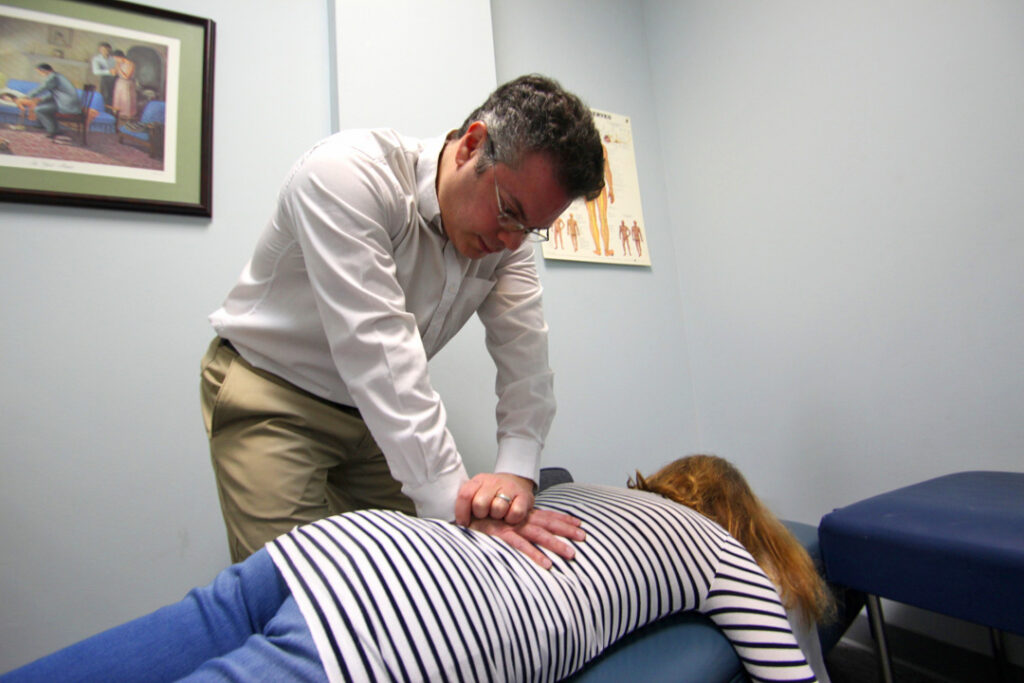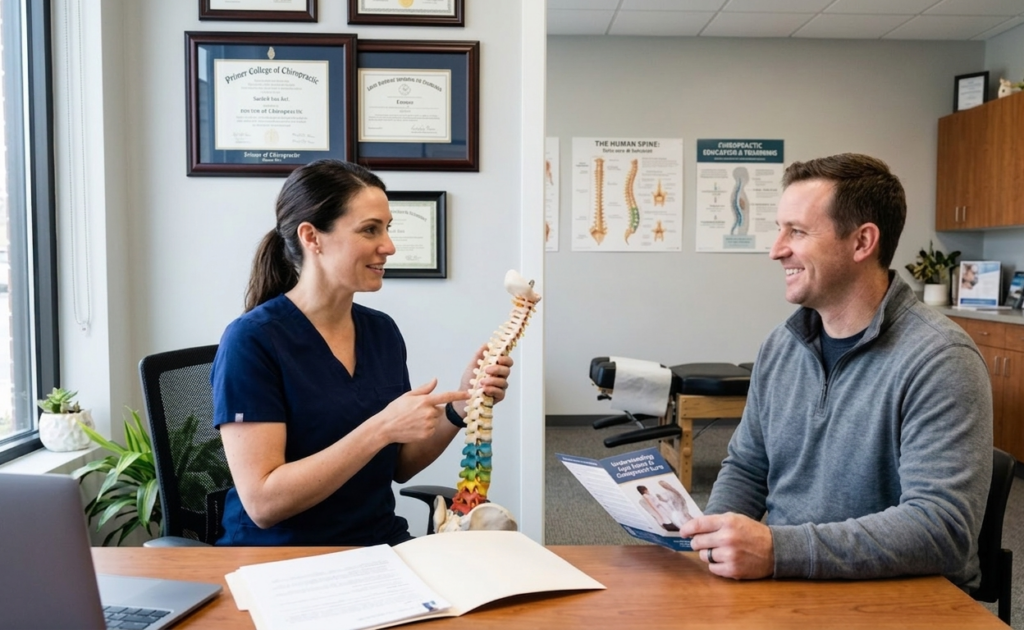

As a local chiropractor, I often see patients who are puzzled as to why their back pain continues despite trying various treatments. Many individuals turn to over-the-counter medications and physical therapy, only to find that these methods offer only temporary relief. This can be incredibly frustrating, especially when the underlying causes of their pain are not being addressed.
It’s important to recognize that factors such as stress, mental health, and lifestyle choices significantly influence the persistence of back pain. Understanding these elements is crucial for discovering effective solutions. At our clinic, we believe that the key to lasting relief may lie beyond conventional methods.
Chiropractic care focuses on the body’s natural ability to heal itself. By addressing spinal misalignments and improving overall body function, we can help alleviate pain and promote healing from within. If you’re seeking a more holistic approach to your back pain, I encourage you to explore the benefits of chiropractic treatment. Together, we can work towards not just temporary relief, but a healthier, pain-free future.
The Complexity of Chronic Pain
As a local chiropractor, I want to help you understand that back pain isn’t just a physical issue; it’s often a complex interplay of psychological, emotional, and social factors. Many people don’t realize how much their mental state can influence their perception of pain.
For instance, stress and anxiety can heighten your sensitivity to discomfort, making even minor aches feel overwhelming. Moreover, your past experiences with pain can shape how you respond to current discomfort, leading to a cycle of fear and avoidance that can keep you from enjoying your life.
Social support is also crucial in this journey. If you find yourself feeling isolated or lacking understanding from those around you, your experience of pain may intensify. That’s why connecting with a supportive community is so important; it can foster resilience and improve your coping strategies.
As you explore chiropractic care and natural healing, it’s essential to recognize these complexities. By addressing not only the physical symptoms but also the psychological and social aspects of your pain, you can more effectively manage your chronic back pain and enhance your overall quality of life.
My goal is to guide you on this journey, helping you to achieve relief and regain control over your well-being.
Psychological Factors Contributing to Back Pain
As your local chiropractor, I want to emphasize the significant impact that psychological factors can have on back pain.
Many patients may not realize that stress and muscle tension can exacerbate discomfort. Additionally, the fear of movement often leads to avoidance behaviors, which can ultimately worsen your pain.
By understanding these psychological elements, we can work together to create a more effective strategy for managing your back pain.
Embracing a holistic approach that includes both physical adjustments and mental well-being is key to your healing journey.
Stress and Muscle Tension
As a local chiropractor, I want to shed some light on the relationship between stress and muscle tension, especially as it pertains to back pain. Many of my patients are unaware that stress and muscle tension often go hand in hand, creating a cycle that can significantly contribute to discomfort.
When you experience stress, your body instinctively tightens up, particularly in areas like your back and neck. This muscle tension can lead to feelings of discomfort and stiffness, making everyday movements challenging.
It’s important to recognize how stress can lead to pain, which, in turn, can increase your stress levels—a vicious cycle that many people find themselves in. Understanding this connection is the first step toward relief.
I encourage you to explore techniques such as deep breathing or mindfulness practices to help manage stress and alleviate muscle tension.
Incorporating regular physical activity into your routine can also be beneficial. Exercise not only promotes relaxation but also helps to keep your muscles flexible and strong, which is vital in breaking the cycle of stress and tension.
As your chiropractor, I’m here to support you in finding natural ways to relieve pain and enhance your overall well-being. Together, we can work on strategies to improve your physical health and reduce stress-related discomfort.
Fear-Avoidance Behavior
As a local chiropractor, I want to shed light on fear-avoidance behavior and how it can significantly affect your experience with back pain. Many of my patients find that their fear of movement, stemming from the belief that it will exacerbate their pain, leads them to shy away from activities they once loved.
This avoidance can create a debilitating cycle, resulting in weakened muscles and heightened sensitivity to pain. You might notice that you’re skipping workouts, social gatherings, or even everyday tasks, which can contribute to increased feelings of anxiety and depression.
It’s crucial to acknowledge this pattern. Gradually facing your fears is key to breaking the cycle of avoidance. I encourage you to have an open conversation with me about your concerns.
Together, we can explore gradual exposure to activities that may seem daunting at first. By challenging and reframing your beliefs about pain, you can take important strides toward reclaiming your life and alleviating your discomfort.
The Role of Lifestyle Choices
As your local chiropractor, I want to emphasize how your everyday lifestyle choices play a crucial role in your back health, often more than you may realize. Many people don’t connect their daily habits with the well-being of their spine, but poor posture—whether you’re sitting or standing—can lead to significant strain on your back over time.
If you find yourself hunched over a computer for extended periods, it may be time to reassess your workspace setup to encourage better alignment and reduce discomfort.
Your level of physical activity is another key factor in maintaining a healthy back. Engaging in regular exercise not only strengthens your core muscles, which provide essential support for your spine, but it also enhances your overall well-being.
On the flip side, a sedentary lifestyle can weaken these muscles and increase your risk of experiencing back pain.
Nutrition shouldn’t be overlooked either; a balanced diet is vital for maintaining a healthy weight, which helps alleviate excess pressure on your spine.
Additionally, staying adequately hydrated is important, as it supports joint function and contributes to your overall health.
Limitations of Conventional Treatments
As a local chiropractor, I want to help you understand the importance of addressing back health through more holistic means. While making mindful lifestyle choices is crucial, it’s equally important to be aware of the limitations of conventional treatments for back pain that many people often rely on.
Many individuals turn to over-the-counter pain relievers or prescribed medications, believing these will provide lasting solutions. However, these options often only serve to mask the symptoms rather than tackle the root causes of your discomfort.
Similarly, although physical therapy and chiropractic adjustments can offer temporary relief, they may not lead to sustainable long-term improvements in your condition.
In more severe cases, surgery might appear to be a viable solution, but it carries inherent risks and doesn’t always ensure a successful outcome. For some, conventional treatments may result in a reliance on medications or lead to recurring episodes of pain, which is frustrating and discouraging.
It’s crucial to recognize that these common approaches may not provide a comprehensive solution to your back pain. You might find yourself caught in a cycle of treatment without making real progress.
Understanding these limitations can motivate you to explore alternative options, such as chiropractic care and natural healing methods, that aim to address the underlying issues and promote overall wellness.
I’m here to guide you on that journey toward better back health.
Importance of a Holistic Approach
As a local chiropractor, I want to emphasize the importance of taking a holistic approach to back pain. This means considering your entire body, rather than just focusing on the area that’s causing you discomfort.
It’s crucial to reflect on various lifestyle factors that may be contributing to your pain, such as posture, activity levels, and stress management.
By understanding how these elements interact, we can create a personalized treatment plan tailored to your specific needs. This approach not only addresses the root causes of your pain but also enhances your overall well-being.
Chiropractic care is about more than just relief; it’s about fostering a healthier you. Let’s work together to explore how a holistic perspective can benefit your journey towards a pain-free life.
Whole Body Assessment
When it comes to back pain, a whole body assessment is essential in uncovering underlying issues that may not be immediately apparent. This comprehensive approach allows us to understand how different parts of your body work together and highlights factors that may be contributing to your discomfort.
Here are some important elements we focus on:
- Posture Analysis: By evaluating your posture, we can identify any misalignments that may be affecting your spine and the surrounding muscles. Good posture plays a crucial role in overall spinal health.
- Muscle Tension: We look for tight or weak muscles that could be putting strain on your back. Recognizing these imbalances allows us to create targeted treatment plans that can help alleviate your pain and improve your overall function.
- Joint Mobility: Assessing the range of motion in your joints is vital. Restrictions in mobility can lead to discomfort and pain, so identifying these issues helps us address them effectively.
At our practice, we believe in a holistic approach to healing, empowering you with the knowledge and tools to enhance your well-being naturally.
Lifestyle Factors Consideration
As a local chiropractor, it’s important to help you understand how various lifestyle factors can affect your back health and contribute to pain. Your daily habits—like how you sit, your level of physical activity, and your stress management—play significant roles in the overall condition of your spine.
For instance, if you find yourself sitting for long periods without proper support, you could be increasing your discomfort.
Incorporating regular exercise into your routine is essential. Strengthening your core muscles not only supports your spine but also helps prevent future pain.
Additionally, managing stress is crucial. Techniques such as mindfulness and yoga can alleviate tension in your back, promoting relaxation and healing.
Don’t forget about nutrition! A balanced diet helps maintain a healthy weight, which reduces excess pressure on your spine.
By acknowledging these lifestyle factors, we can work together to develop a comprehensive strategy that addresses the root causes of your back pain, rather than just masking the symptoms.
Let’s explore how chiropractic care and natural healing can enhance your wellbeing and keep you moving comfortably.
Personalized Treatment Plans
As a local chiropractor, I want to emphasize the importance of personalized treatment plans for anyone dealing with back pain. Each person experiences back pain in their own way, so a one-size-fits-all approach simply won’t work.
We take a holistic view, focusing not only on alleviating your pain but also on understanding and addressing its root causes. Here are three essential components to consider in your personalized plan:
- Chiropractic Adjustments: Gentle adjustments can help realign your spine, relieve pressure on nerves, and promote proper function. This can lead to significant improvements in your pain levels and mobility.
- Lifestyle Modifications: We often overlook how our daily habits can contribute to back pain. Small changes, like adjusting your workstation ergonomics or incorporating regular movement breaks into your day, can significantly enhance your comfort and overall health.
- Mind-Body Techniques: Stress can intensify pain, which is why incorporating techniques such as mindfulness, meditation, or yoga can be incredibly beneficial. These practices help you manage stress and promote relaxation, further supporting your recovery process.
The Impact of Stress on Back Pain
As a local chiropractor, I want to help you understand the significant connection between stress and back pain. Many people don’t realize that stress can have a profound impact on your body, particularly your back. When you experience stress, your muscles naturally tighten up, which can worsen any existing back pain and even lead to new issues.
This muscle tension can restrict blood flow and hinder your body’s ability to heal. You might notice that your back pain intensifies during particularly stressful times, making it challenging to carry out your daily activities. Additionally, chronic stress can alter how you perceive pain, often making it feel more severe than it truly is.
It’s crucial to acknowledge this relationship between stress and back pain. Incorporating relaxation techniques into your routine, such as deep breathing, meditation, or yoga, can be incredibly beneficial in relieving some of that built-up tension.
By learning to manage the stress in your life, you may find that your back pain improves, helping to break that relentless cycle and enhance your overall well-being. As your chiropractor, I’m here to guide you through this journey to better health, using natural healing methods that can support both your body and mind.
Together, we can explore ways to reduce stress and alleviate your back pain effectively.
Seeking Personalized Solutions
As a local chiropractor, I want to help you understand the connection between stress and back pain, and how we can work together to find natural solutions tailored just for you.
The first step in addressing this issue is recognizing that stress can significantly worsen back pain. Here are three strategies you can consider to improve your well-being:
- Consult with Me: I encourage you to come in for a consultation. Together, we can assess your unique situation and create a personalized treatment plan that focuses on your specific needs. Chiropractic care can help realign your spine and improve your overall function.
- Mindfulness Practices: In addition to chiropractic adjustments, I recommend incorporating stress-reducing techniques into your daily routine. Practices such as yoga or meditation can enhance your mental clarity and physical health, which can contribute to pain relief.
- Evaluate Your Lifestyle Choices: It’s essential to take a closer look at your daily habits, including your posture and exercise routine. Even small changes, like adjusting how you sit at your desk or incorporating more movement into your day, can lead to significant improvements in your back health.
I’m here to guide you on your journey to better health through natural healing methods. Together, we can create a plan that works for you!
Conclusion
As a local chiropractor, I want to help you understand why back pain often persists, even after common treatments. It’s important to realize that simply addressing the physical symptoms may not be enough to achieve lasting relief. We must also consider the psychological, emotional, and lifestyle factors that can contribute to your discomfort.
By adopting a holistic approach, we can address these underlying issues and find more effective, personalized solutions for your pain. Chiropractic care focuses not only on the alignment of your spine and overall physical health but also emphasizes the importance of mental and emotional well-being.
I encourage you to explore new strategies that look at your whole self—not just your back. Together, we can work toward a comprehensive plan that promotes healing and supports your overall quality of life. Remember, lasting relief often comes from a combination of physical adjustments and a deeper understanding of your body and mind.