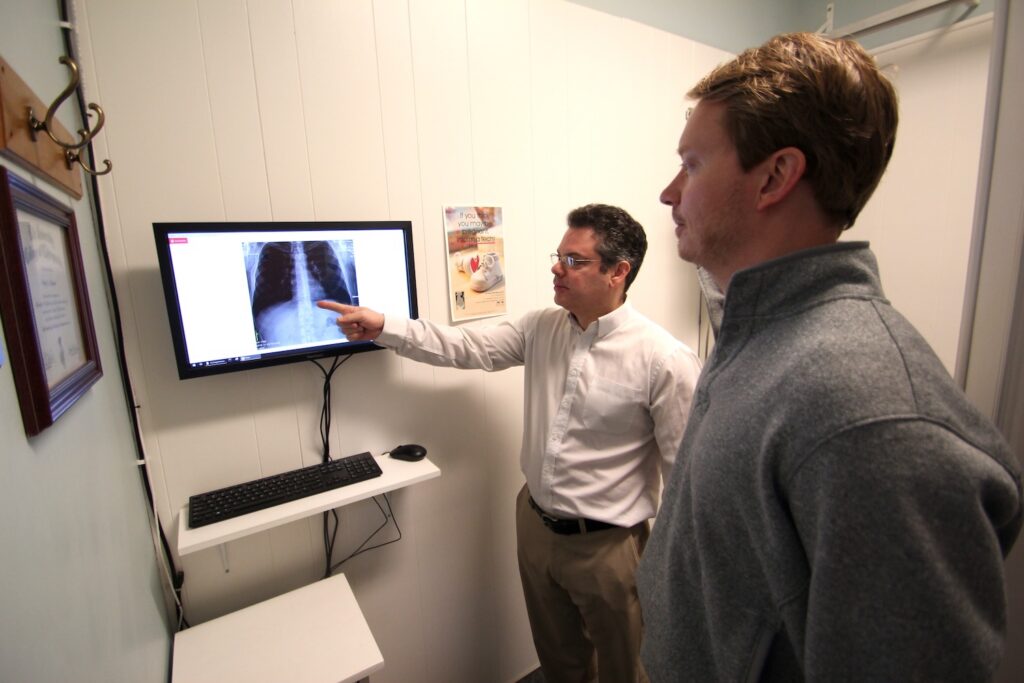

When you're dealing with chronic pain, finding the right treatments can feel overwhelming. However, these innovative approaches are ideal because they tackle pain from multiple angles, addressing both physical discomfort and emotional well-being. By incorporating techniques such as neuromodulation and holistic practices like mindfulness and yoga, you can experience a tailored relief that goes beyond mere symptom management. But what makes these methods truly effective? Understanding the underlying principles of these treatments might just change how you view pain management forever.
Understanding Chronic Pain
Chronic pain is more than just a symptom; it's a complex condition that affects your daily life. You may find that the pain isn't just physical; it can impact your emotional well-being, relationships, and overall quality of life.
Understanding chronic pain involves recognizing that it's often a result of underlying issues such as injury, illness, or ongoing stress. Unlike acute pain, which serves as a warning signal for injury, chronic pain lingers and can become a condition in its own right.
As you navigate through your experience with chronic pain, you might realize it often comes with other symptoms like fatigue, sleep disturbances, or even mood changes. This interconnection means that addressing your pain isn't just about managing the physical aspect; it also requires attention to your mental health.
You might feel frustrated or helpless at times, and it's important to acknowledge those feelings rather than pushing them aside.
It's also important to note that pain perception varies from person to person. Your past experiences, genetics, and even cultural background can shape how you understand and cope with pain.
Developing a thorough understanding of your own pain can empower you to seek appropriate support and treatment. By educating yourself about chronic pain, you're taking a significant step towards better management.
You're not alone in this journey, and with the right knowledge, you can work towards reclaiming control over your life.
Innovative Treatment Options
As new research emerges, innovative treatment options for chronic pain are becoming more accessible and effective. These advancements aim to provide relief while addressing the unique needs of individuals living with chronic pain.
Here's a look at some of the most promising options you might consider:
- Neuromodulation Techniques: These involve the use of electrical impulses to alter nerve activity. Techniques like spinal cord stimulation can help manage your pain by interrupting pain signals before they reach your brain.
- Biologics and Regenerative Medicine: Treatments like platelet-rich plasma (PRP) therapy harness your body's own healing properties. By injecting concentrated platelets into injured areas, you could promote tissue repair and reduce inflammation.
- Virtual Reality Therapy: This cutting-edge approach immerses you in a computer-generated environment. It can distract you from pain and provide a unique form of cognitive-behavioral therapy, leading to decreased pain perception and improved coping strategies.
These innovative treatments are paving the way for more personalized and effective management of chronic pain. Instead of relying solely on traditional methods, exploring these options could help you find the relief you've been searching for.
Keep in mind that working closely with your healthcare provider can guide you toward the most appropriate treatments tailored to your specific situation. Embracing these advancements can put you on a path toward a more manageable, pain-free life.
Holistic Approaches to Relief
Finding relief from chronic pain often requires looking beyond traditional medical treatments. Holistic approaches offer a thorough way to address not just the symptoms, but also the underlying factors contributing to your pain. These methods focus on the mind-body connection and emphasize treating you as a whole person.
One effective holistic approach is mindfulness meditation. By training your mind to focus on the present, you can reduce stress and anxiety, which often exacerbate chronic pain. You might find that just a few minutes of daily practice can help you cultivate a sense of calm and improve your overall pain experience.
Another valuable technique is yoga. This ancient practice combines physical postures, breathing exercises, and meditation. It can enhance your flexibility, strengthen your muscles, and promote relaxation. Regular yoga sessions may help you manage pain more effectively while also boosting your mental well-being.
Acupuncture is another holistic method worth considering. This treatment involves inserting thin needles into specific points on your body to stimulate energy flow. Many people report significant pain relief and improved quality of life after acupuncture sessions.
Finally, consider incorporating essential oils into your routine. Aromatherapy can help ease tension and promote relaxation, providing a soothing environment for your recovery.
Lavender, peppermint, and eucalyptus oils have all been noted for their pain-relieving properties.
Lifestyle Modifications for Pain Management
To manage chronic pain effectively, you can make key lifestyle modifications that focus on exercise and nutrition.
Incorporating regular physical activity not only strengthens your body but also boosts your mood.
Additionally, adjusting your diet can provide the nutrients needed to support your overall well-being and pain management.
Exercise and Physical Activity
Many people struggling with chronic pain often overlook the powerful role that exercise and physical activity can play in their overall management strategy. Engaging in regular physical activity can't only enhance your physical health but also improve your mental well-being.
Here are three key benefits to contemplate:
- Increased Mobility: Exercise helps to strengthen muscles and improve flexibility, which can reduce stiffness and enhance your overall range of motion.
- Pain Relief: Physical activity stimulates the release of endorphins, the body's natural painkillers. This can lead to significant reductions in your pain levels.
- Improved Mood: Regular exercise is linked to lower levels of anxiety and depression. It can boost your mood and provide a sense of accomplishment, making it easier to cope with chronic pain.
Incorporating exercise into your daily routine doesn't mean you need to run marathons. Start with gentle activities like walking, swimming, or yoga.
Listen to your body, and gradually increase intensity as you feel comfortable. By making exercise a priority, you can take a proactive step toward managing your chronic pain effectively.
Nutrition and Dietary Changes
While exercise plays a significant role in managing chronic pain, nutrition and dietary changes can also make a substantial difference. The foods you eat can either exacerbate or alleviate your symptoms.
Incorporating anti-inflammatory foods into your diet, like fruits, vegetables, whole grains, and healthy fats, can help reduce pain levels. Omega-3 fatty acids, found in fish and flaxseeds, are particularly beneficial for fighting inflammation.
Conversely, you should avoid processed foods, excessive sugar, and trans fats, as they can trigger inflammation and worsen your pain. Keeping a food diary can help you identify which foods might be contributing to your discomfort.
Additionally, staying hydrated is essential, as dehydration can lead to muscle cramps and fatigue, further complicating your pain management efforts. Aim for a balanced diet rich in vitamins and minerals, which can support overall health and well-being.
Consider consulting a nutritionist to create a personalized meal plan that addresses your specific needs.
Personal Success Stories
Chronic pain can feel like a relentless battle, but countless individuals have found their way to relief through innovative treatments and personal determination. You might be surprised to learn how diverse and effective these success stories can be, showcasing the power of resilience and tailored approaches.
Here are three inspiring examples:
1. Emily's Journey with Mindfulness: After years of battling fibromyalgia, Emily discovered mindfulness meditation. By incorporating mindfulness into her daily routine, she learned to manage her pain better, reducing her symptoms and improving her quality of life.
2. David's Physical Therapy Triumph: David faced debilitating back pain that hindered his everyday activities. Through a dedicated physical therapy program focusing on strength training and flexibility, he regained mobility and reduced his pain.
Today, he enjoys hiking and playing with his kids again.
3. Sarah's Dietary Changes: Sarah struggled with chronic migraines for years. After consulting with a nutritionist, she identified trigger foods and made significant dietary changes.
By eliminating certain ingredients and incorporating anti-inflammatory foods, she drastically reduced the frequency of her migraines.
These stories illustrate that while chronic pain can be overwhelming, there's hope. By seeking out innovative treatments and staying committed to personal health, you can find relief and reclaim your life.
Each journey is unique, but the common thread is determination and the willingness to try new approaches.
Future Trends in Pain Treatment
As we look ahead, you'll notice that innovative technology is playing a key role in transforming pain management.
Personalized treatment approaches are becoming more prevalent, ensuring that your unique needs are met.
Plus, holistic healing practices are gaining traction, emphasizing the importance of treating the whole person, not just the symptoms.
Innovative Technology Integration
Innovative technology is reshaping the landscape of chronic pain treatment, offering exciting possibilities for patients and healthcare providers alike. You might be curious about how these advancements can improve your experience with pain management.
Here are three key innovations to watch:
- Wearable Devices: These gadgets monitor your body's responses in real time, providing data that can help tailor your treatment. They can track pain levels, activity, and even sleep patterns, giving you and your healthcare team valuable insights.
- Telemedicine: Remote consultations are becoming the norm, allowing you to connect with specialists without leaving your home. This convenience makes it easier to access expert advice and adjust your treatment plan as needed.
- AI and Machine Learning: These technologies analyze vast amounts of data to predict pain flare-ups and suggest personalized interventions. They can help identify the most effective treatments for your specific condition, streamlining your care.
As these innovations continue to evolve, they'll likely enhance your overall pain management experience, making it more effective and tailored to your needs.
Embrace the future of pain treatment!
Personalized Treatment Approaches
The future of pain treatment is leaning toward personalized approaches that cater to individual needs and preferences. You're not just a number; your unique pain experience deserves tailored solutions.
Healthcare providers are shifting from one-size-fits-all treatments to strategies that consider your specific symptoms, medical history, and lifestyle. This means your treatment plan could include a mix of medications, physical therapy, and even behavioral therapies, all designed with you in mind.
For example, genetic testing can help identify which medications might work best for you, reducing the trial-and-error process often associated with pain management.
Additionally, wearable technology can track your pain levels and activities, providing real-time data to adjust your treatment as needed.
Holistic Healing Practices
Often overlooked, holistic healing practices are gaining traction as effective treatments for chronic pain. These approaches consider the whole person—body, mind, and spirit—rather than just focusing on symptoms. You might find that incorporating holistic methods into your pain management routine can lead to significant improvements.
Here are three holistic healing practices you should consider:
- Mindfulness and Meditation: These techniques help you cultivate awareness and reduce stress, which can lower your perception of pain. Regular practice can enhance your emotional resilience, making it easier to cope.
- Acupuncture: This ancient Chinese practice involves inserting thin needles into specific points on the body. Many people report reduced pain and improved well-being after just a few sessions.
- Herbal Remedies: Natural herbs like turmeric and ginger have anti-inflammatory properties. Integrating these into your diet may help alleviate pain while promoting overall health.
Conclusion
To sum up, these innovative and holistic treatments offer a promising path for managing chronic pain. By addressing both the physical and emotional aspects of your condition, you can find relief that's tailored to your unique needs. Embracing lifestyle modifications and engaging in personalized therapies empowers you to take control of your pain management. As you explore these options, you'll not only alleviate discomfort but also enhance your overall well-being, setting the stage for a brighter future.