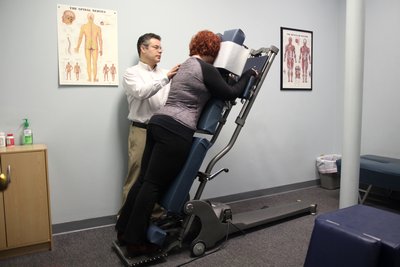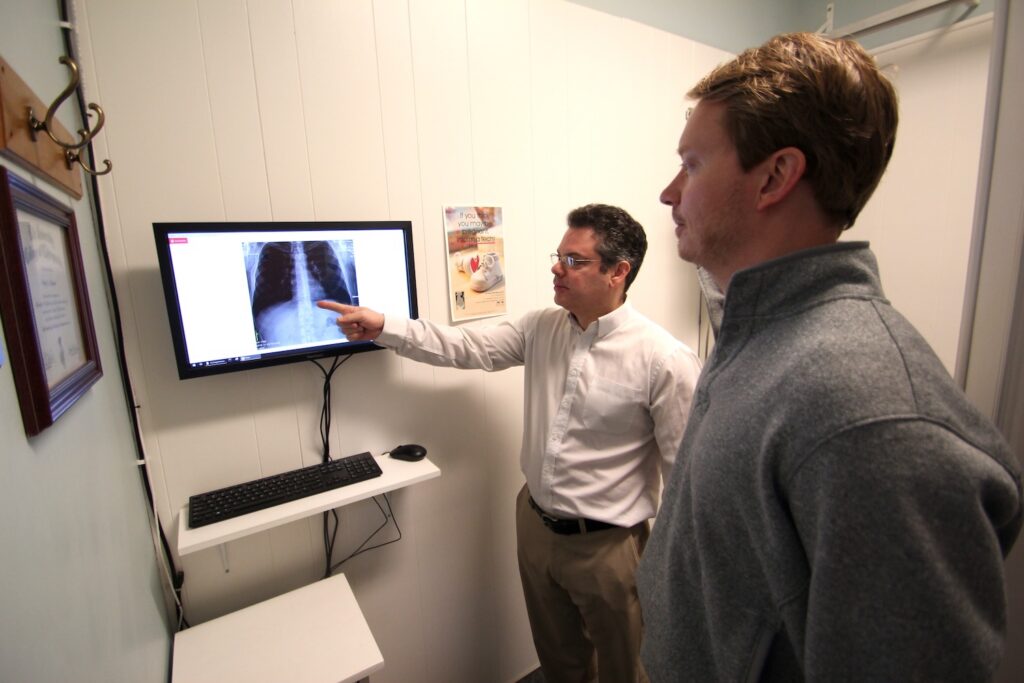

When you think about your health, it's clear that a personalized treatment plan is more than just a trend; it's a crucial component of true wellness. These plans are specifically designed to address your unique circumstances, considering your medical history, lifestyle choices, and personal preferences. This tailored approach not only improves the effectiveness of treatments but also strengthens the bond between you and your healthcare provider. But what happens when these plans go beyond just treating symptoms? The implications for your overall well-being might be more profound than you realize.
Understanding Personalized Treatment Plans
Personalized treatment plans are increasingly becoming a standard approach in healthcare, as they tailor interventions specifically to your unique needs. This method recognizes that no two individuals are alike; your health concerns, lifestyle, and preferences all play an essential role in shaping what treatment works best for you.
Instead of adopting a one-size-fits-all strategy, personalized treatment plans focus on your specific circumstances, ensuring that you receive the most effective care possible.
When you engage with healthcare providers, they'll often gather thorough information about your medical history, current health status, and even genetic factors. This data helps them understand your condition more thoroughly.
By analyzing this information, they can create a customized plan that addresses not only your symptoms but also the underlying issues contributing to your health challenges.
Moreover, personalized treatment plans empower you to take an active role in your own health journey. You'll be more informed about your treatment options and can collaborate with your healthcare team to make decisions that align with your values and lifestyle.
This collaborative approach enhances your commitment to the plan, leading to better outcomes.
In essence, understanding personalized treatment plans means recognizing their value in providing targeted, effective care that respects your individuality.
The Role of Individual Assessment
At the heart of creating effective treatment plans lies the essential step of individual evaluation. This process involves gathering detailed information about you, your medical history, lifestyle, and personal goals. By doing so, it allows healthcare providers to understand your unique needs and challenges, ensuring that the treatment plan is specifically tailored to you.
When you undergo an individual evaluation, healthcare professionals often use various techniques, including interviews, questionnaires, and physical examinations. These methods help uncover underlying issues that may not be immediately apparent. For instance, if you're dealing with chronic pain, evaluating your daily habits, stress levels, and emotional wellbeing can shed light on potential contributing factors.
Moreover, individual evaluations go beyond just physical health. They take into account your mental and emotional states, recognizing that wellness is a holistic journey. Understanding your motivations, fears, and aspirations plays a significant role in how effective a treatment plan can be.
Once you've been evaluated, your healthcare provider can identify the most suitable therapies, interventions, and resources that align with your specific circumstances. This personalized approach not only increases the likelihood of successful outcomes but also enhances your engagement in the treatment process.
In essence, individual evaluation serves as the foundation upon which personalized treatment plans are built, ensuring that every element is relevant and tailored to you. It's a vital step toward achieving lasting wellness and improved quality of life.
Benefits of Tailored Approaches
Tailored approaches in treatment plans offer significant advantages that can profoundly impact your wellness journey. When your treatment is customized to fit your unique needs, you're more likely to see positive outcomes. One of the primary benefits is that these personalized plans take into account your specific health conditions, lifestyle, and preferences. This means you're not just receiving a one-size-fits-all solution; instead, you get a strategy that resonates with you and your situation.
Another advantage is improved effectiveness. Tailored approaches often lead to more effective interventions, as they target the root causes of your issues rather than merely addressing symptoms. For instance, if you struggle with chronic pain, a personalized plan might combine physical therapy, dietary changes, and stress management techniques that suit your lifestyle. This holistic viewpoint can lead to better results and a more sustainable path to wellness.
Additionally, a tailored approach can help minimize side effects. By considering your health history and any sensitivities, healthcare providers can select treatments that are less likely to cause adverse reactions. This careful consideration enhances your overall experience and encourages you to stick with the plan.
Lastly, personalized treatment fosters a sense of ownership over your health. When you engage in a plan that feels right for you, you're more likely to stay motivated and committed.
Enhancing Patient Engagement
Engaging patients in their treatment plans is essential for achieving ideal wellness outcomes. When you feel involved in your healthcare journey, it cultivates a sense of ownership and responsibility. This active participation can notably enhance your motivation to adhere to the prescribed interventions and lifestyle changes.
Personalized treatment plans foster open communication between you and your healthcare provider. This dialogue allows you to express your preferences, concerns, and goals, ensuring your treatment aligns with your values and lifestyle. When you see your input reflected in your plan, you're more likely to stay committed and motivated.
Moreover, tailored approaches often include educational components that empower you with knowledge about your condition and treatment options. Understanding the 'why' behind your plan can demystify the process and make it more relatable. You'll feel more confident in making informed choices, which can lead to better adherence and improved outcomes.
Setting realistic, achievable goals together with your healthcare provider also plays a vital role. When you set these goals collaboratively, you're more likely to stay engaged and track your progress, celebrating small victories along the way. This sense of accomplishment boosts your confidence and reinforces your commitment to the plan.
Overcoming One-Size-Fits-All Limitations
You know that everyone's health is unique, and a one-size-fits-all approach often misses the mark.
By recognizing individual health variability, you can create tailored therapeutic strategies that truly resonate with your needs.
Let's explore how personalized treatment plans can enhance your wellness journey.
Individual Health Variability
Often overlooked, individual health variability highlights the limitations of a one-size-fits-all approach in wellness. Everyone's body responds differently to treatments, diets, and exercise plans. Factors like genetics, lifestyle, environment, and personal health history play an essential role in how you experience wellness.
For instance, what works wonders for one person might lead to adverse effects for another. This variability means that standard treatments often miss the mark.
Recognizing your unique health profile is significant. It empowers you to take control of your wellness journey. By understanding your individual needs, you can make informed decisions about your health. You might find that specific dietary changes or exercise routines yield better results for you than generic recommendations.
Moreover, acknowledging your health variability can help you avoid unnecessary side effects and frustrations. It encourages open communication with healthcare providers, allowing for adjustments based on your feedback and experiences.
Embracing this individuality not only leads to better health outcomes but also fosters a more satisfying wellness journey tailored just for you. So, take the time to explore what truly resonates with your body and mind.
Tailored Therapeutic Approaches
Tailored therapeutic approaches represent a significant shift in how we address individual health needs, moving away from the outdated one-size-fits-all mindset. You know that everyone's body is unique, influenced by genetics, lifestyle, and personal circumstances. By focusing on your specific needs, tailored therapies guarantee that you receive the most effective treatment.
These approaches allow healthcare providers to evaluate your individual health history, preferences, and even emotional well-being. For instance, if you struggle with anxiety, a generic prescription mightn't work for you. Instead, a personalized plan could combine therapy, mindfulness exercises, and lifestyle changes, all designed to resonate with your situation.
Moreover, tailored therapeutic strategies can enhance adherence to treatment. When you feel a plan is crafted just for you, you're more likely to stick with it. This not only improves outcomes but also fosters a stronger patient-provider relationship.
Integrating Lifestyle Factors
Integrating lifestyle factors into personalized treatment plans is essential for achieving ideal wellness. Your daily habits—like diet, exercise, sleep, and stress management—play a vital role in your overall health. By considering these factors, healthcare providers can tailor your treatment to not just address symptoms but also promote long-term well-being.
For instance, if you lead a sedentary lifestyle, your treatment plan might include recommendations for physical activity that fits your schedule and preferences. This way, you're more likely to stick with it.
Similarly, if you struggle with sleep, your provider can suggest strategies to improve your sleep hygiene, whether that's establishing a bedtime routine or addressing underlying issues like anxiety.
Nutrition is another significant area. By analyzing your eating habits, your healthcare provider can help you make realistic dietary changes that align with your health goals. Whether it's increasing your intake of whole foods or reducing processed sugars, these adjustments can enhance the effectiveness of your treatment.
Stress management is equally important. If high stress levels are impacting your health, integrating mindfulness practices, yoga, or other stress-reduction techniques into your treatment plan can offer significant benefits.
Ultimately, a thorough approach that includes lifestyle factors not only improves the effectiveness of your treatment but also empowers you to take an active role in your health journey. By embracing these changes, you're setting yourself up for a more balanced and fulfilling life.
Building Stronger Patient-Provider Relationships
To build a stronger relationship with your healthcare provider, trust and communication are key.
When you share your concerns openly, it allows for a more individualized care approach that meets your specific needs.
Fostering this connection can lead to better outcomes and a more satisfying healthcare experience.
Trust and Communication
Building trust and communication between you and your healthcare provider is crucial for effective personalized treatment plans. When you feel comfortable expressing your concerns, you're more likely to receive tailored care that meets your needs.
Here are three key ways to enhance trust and communication:
- Be Open and Honest: Share your medical history, symptoms, and any lifestyle factors that may affect your treatment. Transparency helps your provider understand you better.
- Ask Questions: Don't hesitate to seek clarification on anything that confuses you. Whether it's about your diagnosis or treatment options, asking questions can eliminate misunderstandings and foster a collaborative relationship.
- Provide Feedback: Let your provider know how you're responding to treatment. Your feedback is crucial for adjusting your plan to guarantee it remains effective and aligned with your wellness goals.
Individualized Care Approach
A personalized care approach enhances the relationship between you and your healthcare provider, fostering a partnership that prioritizes your unique needs. When your treatment plan is tailored specifically for you, it demonstrates that your provider values your input and understands your health goals. This collaborative effort builds trust, making you feel more comfortable discussing your concerns.
By engaging in open dialogue, you can share your preferences, values, and any barriers you face in your treatment journey. Your provider can then design a plan that feels achievable and relevant to your lifestyle. This individualized approach not only improves compliance but also empowers you in your health decisions, leading to better outcomes.
Furthermore, when your healthcare provider actively listens to you and adapts their strategies based on your feedback, it strengthens the bond between you. You're not just another patient; you're an integral part of the healthcare process.
This collaboration enhances your overall experience and satisfaction, making you more likely to stay engaged in your wellness journey. In a world where one-size-fits-all solutions often fall short, an individualized care approach is essential for building stronger patient-provider relationships.
Measuring Success in Wellness
How do you determine if your wellness journey is truly successful? Measuring success in wellness isn't just about hitting a number on a scale or completing a checklist; it's about holistic growth and feeling better overall.
Here are three key indicators to assess your progress:
- Physical Health Improvements: Look for changes in your physical health markers, such as energy levels, sleep quality, and the absence of chronic pain. If you're feeling more vibrant and active, that's a significant sign of success.
- Emotional Well-Being: Your emotional health plays a huge role in your overall wellness. Are you managing stress better? Do you feel more resilient in facing challenges? A positive shift in your emotional state indicates that your personalized treatment plan is working effectively for you.
- Lifestyle Changes: Consider the habits you're adopting. Have you made healthier food choices, incorporated regular exercise, or prioritized self-care? Sustainable lifestyle changes can be a strong indicator of success in your wellness journey.
The Future of Personalized Care
As you reflect on your wellness journey and the indicators of success, it's clear that personalized care is shaping the future of health and well-being. Advances in technology, data analytics, and genetic research are paving the way for treatment plans tailored specifically to you.
Imagine a world where your healthcare provider has access to your unique genetic makeup, lifestyle habits, and preferences, allowing them to craft a plan that truly resonates with your needs.
In this future, you won't just be a set of symptoms or a medical history; you'll be an individual with a thorough understanding of what works best for you. Artificial intelligence will analyze vast amounts of data, helping providers predict your health outcomes and customize interventions. This means fewer trial-and-error approaches and more efficient, effective treatments.
Moreover, wearable technology will continuously monitor your health metrics, providing real-time feedback that can be integrated into your personalized care plan. You'll have the power to make informed decisions about your health, leading to better adherence and outcomes.
Telemedicine will also become more prevalent, offering you easy access to specialists and support from the comfort of your home.
As personalized care evolves, it emphasizes partnership. You'll work closely with your healthcare team to adapt your plan as your needs change, ensuring that you remain at the center of your wellness journey.
The future of personalized care is bright, and it's all about empowering you to achieve peak health.
Conclusion
Personalized treatment plans are key to your wellness journey. By focusing on your unique health needs and lifestyle factors, they empower you to take control of your health. These tailored approaches not only enhance treatment effectiveness but also strengthen your relationship with healthcare providers. As you embrace personalized care, you're likely to experience better outcomes and a deeper understanding of your health. The future of wellness lies in recognizing and addressing what truly works for you.