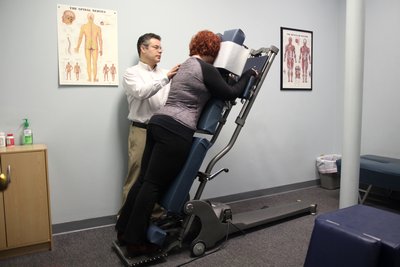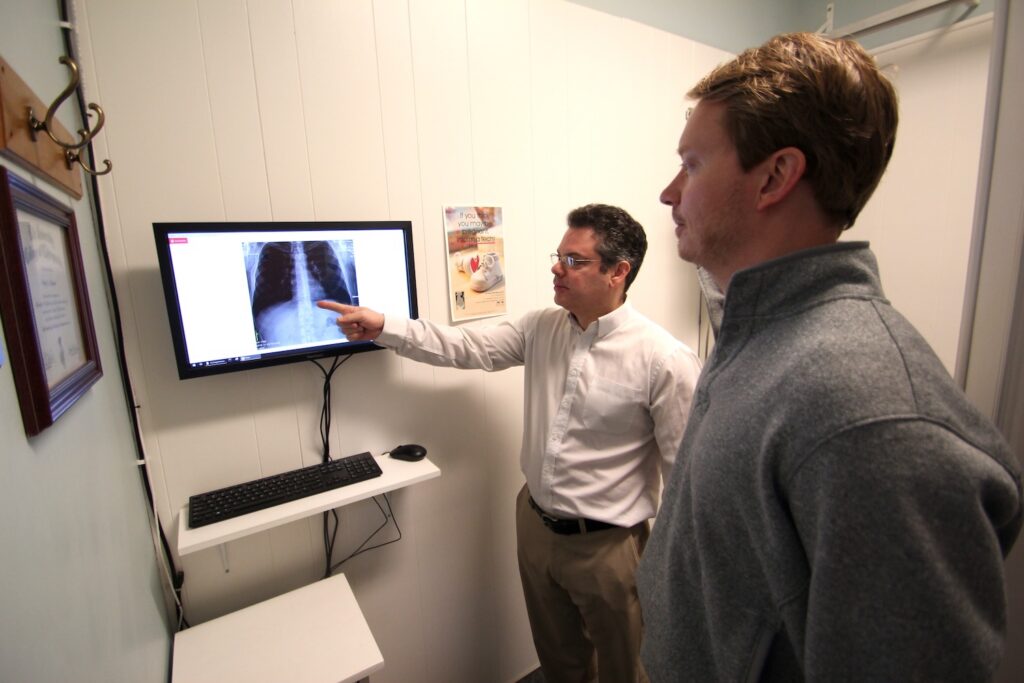

As a local chiropractor, I’ve seen firsthand how much posture impacts our overall health and well-being. Many people don’t realize that poor posture can lead to discomfort and even long-term health issues like back pain, headaches, and decreased mobility. It’s crucial to address these alignment challenges with effective techniques.
In my practice, I often recommend a variety of strategies to help my patients improve their posture. Simple stretches can be incredibly beneficial, as they promote flexibility and relieve tension in tight muscles. Additionally, making ergonomic adjustments in your workspace can create a more supportive environment for your body.
But what specific methods can truly make a difference in your daily life? Let’s explore some practical approaches together, so you can start feeling better and moving with more ease. Remember, small changes can lead to significant improvements in your posture and overall health!
Understanding the Importance of Good Posture
As a local chiropractor, I want to emphasize that good posture isn’t just about looking confident; it plays a crucial role in your overall health and well-being. When you maintain proper alignment, you significantly reduce the strain on your muscles and joints, which helps prevent discomfort and long-term injuries. Proper posture supports your spine, allowing it to function efficiently, leading to better breathing and improved circulation.
You might be surprised to learn that standing or sitting up straight can also have a positive impact on your mood and energy levels. Many of my patients notice that they can focus better and engage more effectively with their tasks when they’re aligned correctly.
Incorporating good posture into your daily routine can lead to enhanced performance in both physical and mental activities. Whether you’re working at a desk or exercising, being mindful of your posture not only keeps you more active but also helps to reduce fatigue.
Identifying Common Posture Problems
As a local chiropractor, I want to help you understand the importance of maintaining good posture for your overall health and comfort. Many people are unaware of how their posture can lead to common problems that affect their daily lives.
One significant issue I often see is slouching. This posture can contribute to discomfort in the back and neck, which many of my patients experience. You might notice signs like your shoulders rounding forward or your head protruding—both indicators of poor posture.
Another common problem arises from hunching over devices, which places unnecessary strain on your spine and muscles. If you frequently find yourself leaning to one side while sitting or standing, it can create imbalances in your body, resulting in pain and discomfort.
Additionally, prolonged sitting can tighten your hip flexors and weaken your core muscles, making it even more challenging to maintain proper posture.
Being mindful of these issues is crucial. Recognizing these patterns is the first step toward making necessary adjustments.
As your chiropractor, I’m here to guide you in correcting these habits, which can lead to improved posture and overall health. Together, we can work towards a healthier, more balanced lifestyle.
Stretching Exercises for Better Posture
As a local chiropractor, I want to share some valuable insights on how stretching exercises can significantly enhance your posture. Many people are unaware of the impact that tight muscles have on their overall alignment and comfort.
By incorporating specific stretching techniques into your daily routine, you can effectively target these tight areas and improve your flexibility.
Let’s delve into some simple yet effective stretching routines that can easily fit into your day-to-day life. These exercises not only help alleviate discomfort but also promote a healthier spine and posture.
Key Stretching Techniques
As a chiropractor dedicated to your health and well-being, I want to emphasize the importance of incorporating key stretching techniques into your daily routine. These simple yet effective stretches can significantly enhance your posture and overall vitality.
Let’s begin with a chest opener, which is particularly helpful for those who spend long hours sitting or working at a desk. Clasp your hands behind your back, straighten your arms, and gently lift your chest. This action counteracts slouching and promotes better alignment.
Next, consider the cat-cow stretch. Position yourself on your hands and knees, and alternate between arching your back (like a cat) and rounding it (like a cow). This dynamic movement improves spinal flexibility and can relieve tension in your back.
To address tight hip flexors, I recommend the lunge stretch. Step one foot forward into a lunge position while keeping your back leg straight. Gently push your hips forward to open up your hips and improve mobility.
Lastly, don’t overlook your neck health! Gently tilt your head towards each shoulder, holding for a few seconds on each side. This simple stretch can help alleviate neck tension and promote relaxation.
By regularly practicing these stretches, you can greatly improve your posture, reduce discomfort, and support your journey toward better health.
Recommended Stretching Routines
As a local chiropractor, I want to share with you the incredible benefits of a consistent stretching routine for improving your posture and overall well-being. Many people aren’t aware of how simple stretches can make a significant difference in their daily lives.
Let’s begin with neck stretches. Gently tilting your head from side to side and holding each position for about 15 seconds can help relieve tension and promote better alignment. Following this, incorporate shoulder rolls; smoothly rolling your shoulders forward and backward can help alleviate tightness and stress.
Another great stretch is the chest opener. By interlacing your fingers behind your back and lifting your arms, you can effectively stretch the front of your shoulders, which is often neglected but crucial for good posture.
It’s also important to focus on your spine. Seated spinal twists can enhance flexibility and encourage proper alignment of your vertebrae.
Lastly, don’t overlook your hips; tight hip flexors can greatly affect your posture. Include hip flexor stretches in your routine, holding each for 20-30 seconds.
I recommend practicing these stretches daily. With dedication, you can stand taller and feel more aligned, helping to support your body’s natural healing process.
Strengthening Your Core Muscles
As a local chiropractor, I want to emphasize just how vital core strength is for your overall health and well-being. Many people may not realize that a strong core is essential for maintaining good posture and ensuring stability in daily activities. A well-developed core supports your spine, helping to keep you balanced and significantly reducing your risk of injury.
To effectively strengthen your core, I recommend incorporating exercises such as planks, bridges, and abdominal crunches into your routine. These movements specifically target the muscles that stabilize your pelvis and spine, which is crucial for maintaining an upright posture throughout the day.
I suggest aiming for at least three sessions per week and focusing on proper form to maximize the benefits. Remember, consistency is key; even short, focused workouts can lead to significant improvements.
As your core strength increases, you’ll likely notice enhancements in your posture, energy levels, and overall comfort.
Don’t overlook this essential aspect of your health journey. By prioritizing core strengthening exercises, you can improve your posture and feel more confident in your daily activities.
As your chiropractor, I’m here to support you in this process and help you achieve a healthier, more balanced lifestyle.
Ergonomic Workspace Setup
As a local chiropractor, I want to emphasize the importance of an ergonomic workspace setup for maintaining good posture and supporting your overall health. Many people may not realize how critical their work environment is to their well-being, especially if you spend long hours at a desk.
First, let’s talk about your chair. It’s vital to adjust the height so that your feet rest flat on the floor. This simple adjustment helps to align your spine and reduces strain on your lower back.
Next, your monitor should be positioned at eye level. This prevents neck strain and keeps your head in a neutral position, which is essential for spinal health.
Don’t overlook the placement of your keyboard and mouse either. They should be within easy reach, allowing your elbows to stay bent at a comfortable angle. This setup can help prevent repetitive strain injuries and support a more relaxed posture throughout your workday.
By making these adjustments, you not only create a more comfortable workspace, but you also take proactive steps in caring for your spine and overall well-being.
Chair Height Adjustment
As a local chiropractor, I can’t stress enough the importance of adjusting your chair height to create an ergonomic workspace that promotes comfort and prevents strain on your body.
It’s essential to ensure that your feet rest flat on the floor or on a footrest, and that your knees are at a 90-degree angle. This positioning helps distribute your weight evenly and reduces pressure on your thighs, which can lead to discomfort over time.
For optimal support, your hips should be slightly higher than your knees. When your chair is at the correct height, your arms can rest comfortably on the desk, allowing your elbows to bend at about a 90-degree angle. This setup keeps your shoulders relaxed and minimizes tension, which is crucial for maintaining proper posture and preventing musculoskeletal issues.
I encourage you to regularly check your chair height, especially if you share your workspace with others or if your chair has adjustable features.
Maintaining the right posture throughout the day is vital for your overall health and well-being. Remember, a properly adjusted chair is a simple yet effective way to support your body and enhance your productivity!
Monitor Positioning Guidelines
As a chiropractor, I understand the importance of creating an ergonomic workspace to support your spine and overall health. After you’ve made sure your chair is adjusted correctly, the next crucial step is to position your monitor in a way that minimizes strain on your neck and eyes.
Here are some essential tips for setting up your monitor:
- Place the monitor approximately an arm’s length away from your seated position. This distance helps reduce eye strain and allows for comfortable viewing.
- Ensure the top of the screen is at or just below your eye level. This positioning encourages a neutral spine and helps prevent neck discomfort.
- Tilt the screen slightly backward to reduce glare and enhance your comfort while working.
- Keep the monitor directly in front of you to maintain a neutral head position, which is vital for spinal alignment.
By following these simple guidelines, you can create a workspace that not only supports good posture but also enhances your productivity and reduces discomfort during long hours of work.
Keyboard and Mouse Placement
As a local chiropractor, I want to emphasize the importance of proper keyboard and mouse placement in maintaining your overall spinal health and preventing discomfort during your workday.
It’s crucial to start by positioning your keyboard at elbow height, which allows your forearms to remain parallel to the ground. This alignment helps avoid unnecessary strain on your neck and back.
When typing, ensure your wrists are straight and relaxed. Avoid bending or twisting your wrists, as this can lead to repetitive strain injuries over time. Your mouse should be placed close to your keyboard; this minimizes the need to reach, which can put strain on your shoulders and upper back.
Keep your elbow near your body while using the mouse, and make sure your hand stays relaxed with a gentle grip.
If you find yourself typing for extended periods, I recommend using a wrist rest for added support, which can help alleviate tension in your wrists and forearms.
Additionally, it’s essential to take regular breaks to stretch and relax your muscles. This simple practice can significantly reduce discomfort and strain, enhancing your productivity and overall well-being.
Remember, an ergonomic setup isn’t just about comfort; it plays a vital role in your long-term health.
As you incorporate these practices into your daily routine, you may notice improvements not only in your posture but also in how you feel throughout the day.
Taking care of your body with these simple adjustments can lead to a healthier, more productive work life.
Mindfulness and Body Awareness Techniques
As you embark on your journey towards better posture, understanding your body through mindfulness techniques can be incredibly beneficial. By integrating these practices into your daily life, you won’t only strengthen your connection with your body but also enhance your overall alignment and well-being.
- Breathe deeply: Take a moment to focus on your breathing. Inhale deeply and exhale slowly—this simple act can help center you and relieve built-up tension in your muscles.
- Check-in regularly: Throughout your day, pause to assess your posture. Are your shoulders relaxed? Is your spine aligned? Making small adjustments can lead to significant improvements over time.
- Visualize alignment: Imagine a gentle string pulling the crown of your head upward. This visualization can help you elongate your spine and naturally relax your shoulders, promoting better posture.
- Practice body scans: Spend a few minutes mentally scanning your body from head to toe. Identify any areas of tightness or discomfort and consciously encourage those areas to relax. This practice not only heightens your awareness but also reinforces the healing process.
By adopting these mindfulness techniques, you can complement the chiropractic care you receive and actively participate in your healing and posture correction journey.
Incorporating Posture Reminders Into Daily Life
As a local chiropractor, I want to share how integrating posture reminders into your daily life can significantly improve your overall well-being and support your spine health.
One effective way to start is by establishing visual cues in your environment. Consider placing sticky notes on your computer screen or displaying a photo that encourages you to maintain proper posture. These small reminders can make a big difference.
Additionally, utilizing your smartphone or smartwatch to set regular alerts throughout the day can be beneficial. Simple phrases like “Check your posture!” can prompt you to realign yourself and ensure you’re taking care of your spine.
It’s also essential to incorporate posture checks into your daily activities. For instance, when you stand up, take a moment to consciously align your shoulders and engage your core muscles. This practice can be enhanced by mindful breathing, which not only grounds you but also serves as a reminder to stay aware of your body’s alignment.
Furthermore, there are various tools available to assist you, such as posture apps or devices designed to gently remind you when you start to slouch.
By embedding these posture reminders into your daily routine, you can gradually develop healthier habits that will support your chiropractic care and overall health.
The Role of Professional Help in Posture Correction
As a local chiropractor, I want to emphasize the importance of professional help when it comes to correcting your posture. While there are many techniques you can practice at home, working with an expert like myself can make a significant difference in achieving lasting results.
Here’s how chiropractic care and professional guidance can enhance your posture correction journey:
- Chiropractic adjustments: These gentle realignments of your spine not only relieve tension but also help restore proper movement patterns in your body.
- Personalized assessments: I conduct thorough evaluations to identify your unique postural challenges, allowing us to create a customized plan that addresses your specific needs.
- Tailored exercises: Together, we’ll work on strengthening weak muscles and improving flexibility, which are crucial components of maintaining good posture.
- Posture training sessions: I’ll teach you the right body mechanics for everyday activities, ensuring you’re not only aware of your posture but also actively working to improve it.
- Ergonomic assessments: I can help optimize your workspace, whether at home or in the office, to promote a posture-friendly environment.
With my guidance, you won’t just learn effective techniques; you’ll also gain valuable insights into any underlying issues that may be contributing to your posture challenges.
This comprehensive approach ensures you’re on the right track for long-term improvement. Remember, investing in expert support is key to empowering yourself to maintain good posture in all areas of your life.
Let’s work together on your journey to better posture!
Lifestyle Changes to Support Healthy Posture
As a local chiropractor, I want to emphasize the importance of healthy posture and how simple lifestyle changes can significantly enhance your overall well-being. One of the first steps is to assess your workspace.
It’s crucial to ensure that your chair, desk, and monitor are set up in an ergonomically friendly manner. A chair that provides lumbar support is essential, and your computer screen should ideally be at eye level to prevent strain on your neck and back.
In addition to your workspace, it’s vital to incorporate regular movement into your daily routine. I recommend standing up, stretching, and walking around at least once every hour. This practice helps relieve tension in your muscles and resets your posture, keeping your body aligned and functioning optimally.
Mindfulness plays a significant role in maintaining good posture throughout your day. Whether you’re sitting, standing, or walking, consistently remind yourself to engage your core muscles and keep your shoulders back. This awareness can make a big difference in how your body feels over time.
Lastly, consider strengthening your core and back muscles through exercises like planks and bridges. These exercises are beneficial for providing better support to your spine and promoting long-term posture health.
Conclusion
As a local chiropractor, I want to emphasize the importance of incorporating effective posture correction techniques into your daily life for your overall well-being. Many people are unaware of how crucial good posture is for maintaining health and preventing discomfort. By understanding this, you can take proactive steps toward better posture.
Engaging in regular stretching and strengthening exercises is essential; these can help support your spine and improve your alignment. Additionally, optimizing your workspace is vital—this means adjusting your chair, desk, and computer setup to encourage a neutral spine position.
I also encourage you to practice mindfulness throughout the day. Pay attention to your body and its alignment, especially during prolonged activities like sitting or standing. By integrating these strategies into your routine, not only will you improve your posture, but you will also experience higher energy levels and a reduction in discomfort. Remember, good posture is a foundation for a healthy life, and as your chiropractor, I’m here to support you on this journey to natural healing and better health.