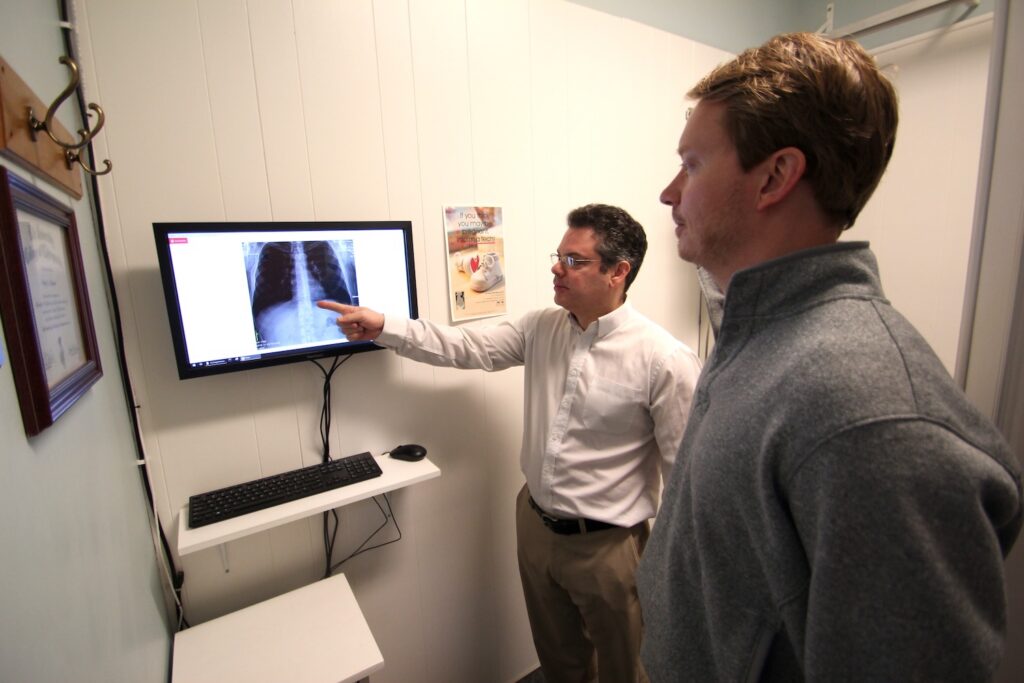

You might not realize how significant chiropractors can be in preventing chronic diseases. They don't just address pain; they look at your overall health, focusing on lifestyle changes that promote wellness. By emphasizing proper alignment, nutrition, and stress management, they can help you develop a proactive approach to your health. This holistic perspective could transform your understanding of disease prevention. But what specific strategies do chiropractors recommend, and how can they integrate with your current health routine?
Understanding Chronic Diseases
Chronic diseases, like diabetes and heart disease, affect millions of people worldwide and can greatly impact your quality of life. These conditions often develop slowly over time and can result from a combination of genetic, environmental, and lifestyle factors. Understanding these diseases is imperative for taking proactive steps in your health journey.
You mightn't realize that chronic diseases often share common risk factors. Poor diet, lack of exercise, and smoking can contribute to many of these conditions. By recognizing the signs and symptoms early on, you can make informed decisions about your health. For instance, if you notice unusual fatigue, persistent pain, or changes in your weight, it's important to consult a healthcare professional for evaluation.
Managing chronic diseases typically involves a multifaceted approach. This might include medication, lifestyle changes, and regular check-ups. You'll want to monitor your blood pressure, blood sugar levels, and cholesterol to prevent complications. Staying informed about your condition empowers you to take charge of your health, making it easier to communicate with your healthcare team.
Additionally, mental health plays a significant role in chronic disease management. Stress and anxiety can exacerbate physical symptoms, so finding healthy coping mechanisms is crucial. Engaging in mindfulness practices or seeking support from friends and family can help maintain a balanced perspective.
The Role of Chiropractors
Recognizing the impact of lifestyle factors on chronic diseases opens the door to exploring various approaches to prevention and management.
As a chiropractor, you play a vital role in guiding patients toward healthier lives. Your focus isn't just on treating pain; it's about empowering individuals to take charge of their well-being.
You assess not only physical alignment but also lifestyle choices that contribute to chronic conditions. By addressing the root causes, you help patients understand how their daily habits can influence their health.
Here's how you make a difference:
- Education: You provide valuable information on nutrition, exercise, and stress management, helping patients make informed choices.
- Holistic Approach: You consider the entire person, recognizing how mental and emotional health intertwine with physical wellness.
- Personalized Care: You tailor your treatments to fit individual needs, ensuring each patient receives the support that resonates with their unique situation.
- Community Engagement: You often participate in local health initiatives, spreading awareness about the significance of proactive health measures.
Benefits of Chiropractic Care
What if you could enhance your overall well-being with a few simple adjustments to your lifestyle? Chiropractic care offers a range of benefits that can greatly impact your health. By focusing on spinal alignment and the nervous system, chiropractors help your body function more efficiently, leading to improved overall health.
One of the most notable benefits is pain relief. If you've ever experienced back pain, neck pain, or headaches, you know how debilitating it can be. Chiropractic adjustments can alleviate this discomfort by correcting misalignments, reducing nerve irritation, and restoring proper movement in your joints.
Many people find that regular visits to a chiropractor not only relieve pain but also prevent it from returning.
Chiropractic care also enhances mobility and flexibility. As you age or after an injury, your range of motion may diminish. Chiropractors use specific techniques to help restore your body's natural movement patterns, allowing you to stay active and engaged in your daily activities.
Another benefit is improved posture. Poor posture can lead to a host of issues, including chronic pain and decreased lung function. Chiropractors can identify postural problems and provide adjustments and exercises to help you maintain a healthier alignment.
Finally, chiropractic care promotes a holistic approach to health. By addressing not just symptoms but underlying issues, you're more likely to achieve long-term wellness.
Lifestyle Modifications for Prevention
To prevent chronic diseases, you can make significant lifestyle modifications, starting with your nutrition and diet choices.
Incorporating regular physical activity into your routine is equally important for maintaining overall health.
Together, these changes can empower you to take control of your well-being and reduce disease risk.
Nutrition and Diet Choices
Nutrition plays an essential role in preventing chronic diseases, and making informed diet choices can greatly impact your overall health. You have the power to choose foods that nourish your body and help ward off health issues like heart disease, diabetes, and obesity.
By focusing on what you eat, you can pave the way for a healthier future.
Here are four key dietary changes you can make today:
- Increase Whole Foods: Embrace fruits, vegetables, whole grains, and lean proteins. These foods provide crucial nutrients and antioxidants that fight inflammation.
- Limit Processed Foods: Cut back on sugary snacks, fast food, and other highly processed items. They can lead to weight gain and chronic health issues.
- Stay Hydrated: Drink plenty of water throughout the day. Hydration is essential for digestion and overall health.
- Mind Portion Sizes: Be aware of how much you're eating. Mindful eating can prevent overeating and help you maintain a healthy weight.
Incorporating these nutrition and diet choices into your daily routine can help you take charge of your health and reduce your risk of chronic diseases.
Regular Physical Activity
Making healthy diet choices sets the foundation for overall wellness, but regular physical activity is equally important in preventing chronic diseases. Engaging in physical activity helps maintain a healthy weight, reduces the risk of heart disease, and improves your mental health.
It's not just about hitting the gym; it can be as simple as walking, cycling, or dancing. Aim for at least 150 minutes of moderate exercise each week, and you'll notice significant improvements in your energy levels and mood.
Incorporating activity into your daily routine can be easier than you think. Take the stairs instead of the elevator, park further away, or schedule regular walks during breaks. These small changes add up and can make a big difference over time.
It's important to find activities you enjoy, as this will keep you motivated. Try out different exercises, join a class, or work out with a friend.
Remember, consistency is key. By making regular physical activity a priority, you're not just enhancing your physical health; you're also boosting your overall quality of life.
Ergonomics and Daily Habits
When it comes to preventing chronic disease, your daily habits and workplace ergonomics play a vital role.
You can improve your posture, incorporate daily stretching routines, and choose ergonomic equipment to support your health.
Let's explore how these adjustments can make a significant difference in your overall well-being.
Workplace Posture Essentials
Proper workplace posture is essential for maintaining your health and preventing chronic pain, especially if you spend long hours at a desk.
Poor posture can lead to discomfort and long-term issues that affect your daily life. By focusing on your ergonomics, you can create a workspace that promotes good posture and overall well-being.
Here are four essential tips to improve your workplace posture:
- Chair Height: Adjust your chair so your feet rest flat on the floor, with knees at a 90-degree angle. This helps support your lower back.
- Screen Position: Position your monitor at eye level, about an arm's length away. This reduces neck strain and encourages you to sit upright.
- Keyboard and Mouse: Keep your keyboard and mouse close enough to prevent reaching. Your elbows should be at a right angle or slightly obtuse to avoid strain.
- Take Breaks: Set reminders to stand, stretch, or walk every hour. Regular movement keeps your muscles engaged and prevents stiffness.
Daily Stretching Routines
Incorporating daily stretching routines into your habits can greatly enhance your overall well-being and prevent discomfort from prolonged sitting. Stretching helps maintain flexibility, reduces muscle tension, and improves circulation, all essential for keeping your body feeling good throughout the day.
Start with simple stretches that target areas prone to tightness, like your neck, shoulders, and lower back. A few minutes each morning can set a positive tone for the day. Consider doing neck rolls to relieve stiffness, shoulder shrugs to release tension, and seated forward bends to stretch your back and hamstrings.
You don't need to devote much time; even five to ten minutes can make a significant difference. Remember to listen to your body and never push yourself into pain. Gradually increase the intensity of your stretches as you become more comfortable.
Incorporating these simple routines during breaks or while working at your desk can help combat the effects of prolonged sitting.
Ergonomic Equipment Choices
Choosing the right ergonomic equipment can drastically improve your daily comfort and productivity. As you spend hours at your desk, the tools you use play a crucial role in your overall well-being.
Investing in ergonomic devices not only helps prevent discomfort but also enhances your focus and efficiency. Here are four essential items to evaluate:
- Ergonomic Chair: A chair with lumbar support adjusts to your body, reducing strain on your back during long hours of sitting.
- Adjustable Desk: Switching between sitting and standing can boost energy levels and reduce fatigue, keeping you more engaged throughout the day.
- Keyboard and Mouse: Ergonomic keyboards and mice promote natural hand positions, minimizing wrist strain and preventing repetitive stress injuries.
- Monitor Stand: Elevating your monitor to eye level helps maintain proper posture, reducing neck and shoulder tension.
Stress Management Techniques
Amid the demands of daily life, effective stress management techniques can play an essential role in maintaining your overall health. Recognizing stress triggers is the first step. You can keep a journal to identify patterns, noting when stress peaks and what causes it. This awareness empowers you to develop strategies tailored to your needs.
Mindfulness and meditation are powerful tools. Just a few minutes a day can help you center your thoughts and reduce anxiety. You don't need to sit cross-legged in silence; simple breathing exercises can work wonders. Focus on inhaling deeply and exhaling slowly, allowing tension to melt away.
Physical activity is another effective technique. Exercise releases endorphins, the body's natural stress relievers. Whether it's a brisk walk, a yoga class, or dancing to your favorite music, find an activity you enjoy and incorporate it into your routine.
Establishing a strong support network also helps. Connecting with friends or family members can provide emotional relief. Don't hesitate to talk about your stress—sometimes, just sharing helps lighten the load.
Lastly, prioritize self-care. Taking time for hobbies, reading, or simply relaxing can recharge your batteries. When you make self-care a priority, you build resilience against stress.
Implementing these techniques won't eliminate stress entirely, but they can greatly improve your ability to cope. By actively engaging in stress management, you're not just enhancing your mental well-being; you're also contributing to your long-term health and happiness.
Integrating Chiropractic With Conventional Care
Managing stress is essential for your overall health, and integrating chiropractic care can enhance your well-being even further. By combining chiropractic adjustments with conventional medical treatments, you can create a thorough approach that addresses both physical and mental health needs. This synergy not only helps alleviate pain but also promotes overall wellness, allowing you to lead a more fulfilling life.
When you integrate chiropractic care into your conventional treatment plan, you can experience several powerful benefits:
- Holistic Healing: Chiropractic care focuses on your body as a whole, addressing underlying issues rather than just symptoms. This can lead to more effective treatment outcomes.
- Improved Communication: Collaborating with both your chiropractor and conventional healthcare providers fosters better communication, ensuring everyone is on the same page regarding your treatment goals.
- Enhanced Recovery: Chiropractic adjustments can speed up recovery from surgeries or injuries by improving mobility and reducing inflammation, making your healing process smoother.
- Reduced Dependence on Medications: By managing pain and stress naturally, you may find yourself relying less on medication, leading to fewer side effects and a healthier lifestyle.
Integrating chiropractic care with conventional treatments empowers you to take control of your health. You'll not only feel better physically but also enjoy the emotional and mental benefits that come with a well-rounded approach to your wellness journey.
Empowering Patient Self-Management
Your health journey is deeply personal, and empowering yourself to take charge of your well-being can lead to transformative results. When you actively engage in your health management, you not only enhance the effectiveness of any chiropractic care you receive but also cultivate a mindset that prioritizes your overall wellness.
Start by setting clear, achievable health goals. Whether it's improving your posture, increasing your physical activity, or managing stress, having specific objectives helps you stay focused and motivated. Keep track of your progress, and don't hesitate to adjust your goals as needed. This flexibility allows you to adapt to your changing needs and circumstances.
Incorporate chiropractic advice into your daily routine. Your chiropractor can provide tailored exercises and lifestyle recommendations that fit your unique situation. By integrating these practices into your life, you're reinforcing your commitment to self-management.
Educate yourself about your condition. Understanding the underlying factors contributing to your health issues empowers you to make informed decisions. Knowledge equips you to recognize symptoms early, allowing for timely interventions.
Lastly, cultivate a support network. Surround yourself with friends, family, or support groups who share your health goals. Engaging with others can provide encouragement and accountability, making your journey feel less isolating.
Conclusion
Incorporating chiropractic care into your wellness routine can be a game-changer for chronic disease prevention. By focusing on spinal alignment, lifestyle modifications, and stress management, you empower yourself to take charge of your health. Remember, it's not just about relieving pain; it's about fostering holistic well-being. Embrace the benefits of chiropractic care, and you'll be on your way to a healthier, more vibrant life. Make those positive changes today for a brighter tomorrow!