
If you're struggling with back pain, you might be wondering about effective solutions that don't involve medication. Chiropractic care could be a worthwhile option to explore, as it focuses on addressing the underlying issues rather than just masking the pain. By understanding how spinal manipulation and tailored treatment plans work, you can gain insight into a holistic approach that promotes long-term relief. But what specific techniques do chiropractors use, and how can they adapt their methods for different ages and conditions? Let's uncover the details that could change your perspective on back pain relief.
Understanding Back Pain
Back pain can be a frustrating experience that impacts your daily life. You might find it difficult to perform routine tasks, enjoy your favorite activities, or even get a good night's sleep. Understanding the nature and causes of back pain is essential for finding effective relief.
First, consider where the pain is located. Is it in your lower back, upper back, or along the spine? Each area can indicate different underlying issues. For instance, lower back pain often stems from muscle strain, herniated discs, or sciatica, while upper back pain might relate to poor posture or tension.
Next, think about when the pain occurs. Is it persistent, or does it come and go? Acute back pain usually arises from specific injuries or overexertion, while chronic pain can develop over time, often due to lifestyle choices or underlying health conditions.
Additionally, don't ignore factors like age, weight, and activity levels. As you age, your spine undergoes changes that can lead to discomfort. Excess weight can put added strain on your back, while a sedentary lifestyle can weaken your muscles, making you more susceptible to injuries.
What Is Chiropractic Care?
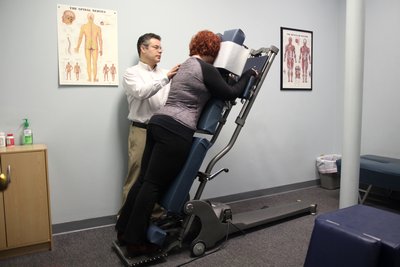
Chiropractic care is a holistic approach to health that focuses on diagnosing and treating musculoskeletal disorders, particularly those related to the spine. When you visit a chiropractor, they'll conduct a thorough assessment of your posture, movement, and overall health. This helps them identify any misalignments or dysfunctions in your spine and joints that could be contributing to your pain or discomfort.
Chiropractors use a variety of techniques to address these issues, with spinal manipulation being the most well-known. This hands-on approach involves applying controlled force to specific joints, aiming to restore their normal function and improve your range of motion.
You might be surprised to learn that chiropractic care isn't just for back pain; it can also help with neck pain, headaches, and other conditions related to the musculoskeletal system.
In addition to spinal manipulation, chiropractors may incorporate other therapies into your treatment plan, such as massage, stretching, and strengthening exercises. They often emphasize educating you about your body and health, empowering you to take an active role in your own recovery.
Chiropractic care is grounded in the belief that your body has an innate ability to heal itself. By correcting misalignments and promoting proper function, chiropractors aim to enhance your overall well-being.
Whether you're seeking relief from pain or looking to maintain your health, chiropractic care offers a thorough approach tailored to your individual needs.
Benefits of Chiropractic Treatment
Many people experience significant relief from various types of pain through chiropractic treatment. If you're dealing with back pain, neck pain, or even headaches, chiropractic care can be a game changer. It focuses on the connection between your spine and nervous system, helping to restore proper function and alleviate discomfort.
One of the key benefits is the reduction of pain. Adjustments can help relieve pressure on nerves and improve circulation, leading to decreased inflammation and muscle tension. This often results in a marked improvement in your overall well-being.
Chiropractic treatment can also enhance your mobility. Whether you're an athlete or simply looking to move more freely, regular adjustments can help restore range of motion and flexibility. You might find it easier to perform daily activities or engage in your favorite sports without discomfort.
Another advantage is the holistic approach to health. Chiropractors don't just treat the symptoms; they look for the root cause of your pain. This thorough perspective often includes lifestyle and nutritional advice, empowering you to make healthier choices.
Additionally, chiropractic care tends to be a safer alternative to medications, which can come with unwanted side effects. Many patients appreciate having a natural, non-invasive option for pain relief.
Finally, many people report improved sleep quality and reduced stress levels after receiving chiropractic treatments. By addressing both physical and emotional aspects of pain, you can experience a more balanced, healthier life.
Common Techniques Used
Often, you'll find that chiropractors employ a variety of techniques to address back pain and other discomforts. Each method is tailored to your specific needs and condition, ensuring that you receive effective relief.
Here are some common techniques you might encounter during your chiropractic sessions:
- Spinal Manipulation: This is the most recognized technique, where chiropractors apply controlled force to joints in your spine. The goal is to improve spinal motion and enhance your body's natural ability to heal.
- Soft Tissue Therapy: This technique targets the muscles, ligaments, and fascia surrounding your spine. By using methods like massage or stretching, chiropractors help release tension and improve blood flow, which can lead to reduced pain and increased mobility.
- Therapeutic Exercises: Chiropractors often prescribe specific exercises that you can do at home. These exercises are designed to strengthen your back and core muscles, improve flexibility, and prevent future injuries.
Conditions Treated by Chiropractors
When you experience back pain, it often stems from a variety of common causes, such as muscle strain or poor posture.
Chiropractors use specific treatment techniques to address these issues and help you find relief.
Understanding the conditions they treat can empower you to make informed decisions about your back care.
Common Back Pain Causes
Back pain can stem from various conditions that chiropractors are trained to treat effectively. Understanding these causes can help you identify the right approach for relief. Here are some common culprits behind your discomfort:
- Muscle Strains: Overexertion or improper lifting can lead to muscle strains, causing localized pain and stiffness.
- Herniated Discs: When the soft material between your vertebrae bulges out, it can press on nearby nerves, resulting in sharp pain and potential numbness.
- Skeletal Issues: Conditions like scoliosis or arthritis can misalign your spine, leading to chronic pain and mobility challenges.
Recognizing these conditions is essential for seeking appropriate care. If you often find yourself struggling with back pain, it's vital to assess your activities and body mechanics.
Poor posture, lack of exercise, or even stress can exacerbate these issues. By pinpointing the source of your pain, you can make informed decisions about your chiropractic care journey.
Chiropractic Treatment Techniques
Chiropractic treatment techniques offer effective solutions for various conditions that contribute to back pain and discomfort. You might be dealing with issues such as herniated discs, sciatica, or muscle strains. Chiropractors use a range of techniques tailored to your specific needs, helping to alleviate pain and restore function.
One common method is spinal manipulation, where your chiropractor applies controlled force to your spine. This technique can improve mobility, reduce nerve irritability, and promote healing.
Another technique is mobilization, which involves gentle movements to increase range of motion in your joints.
Soft tissue therapies, like massage or myofascial release, can also be effective in reducing tension and enhancing blood flow. Additionally, chiropractors may incorporate exercise recommendations to strengthen your back and improve stability.
If you're experiencing chronic pain, you might find relief through a combination of these techniques. Your chiropractor will create a personalized treatment plan based on your unique condition, ensuring you're on the path to recovery.
Don't hesitate to discuss your symptoms and goals so you can both work together to achieve the best outcomes for your back health.
What to Expect During Visits
During your visits, you'll find a welcoming atmosphere and a detailed approach to your care. From the moment you walk in, the staff is there to assist you, ensuring you feel comfortable and valued. Each appointment is designed to address your specific needs, allowing you to focus on your journey to relief.
Here's what you can typically expect during your visits:
- Initial Consultation: Your chiropractor will take the time to understand your medical history and discuss your specific back pain concerns. This conversation is essential for tailoring your treatment plan.
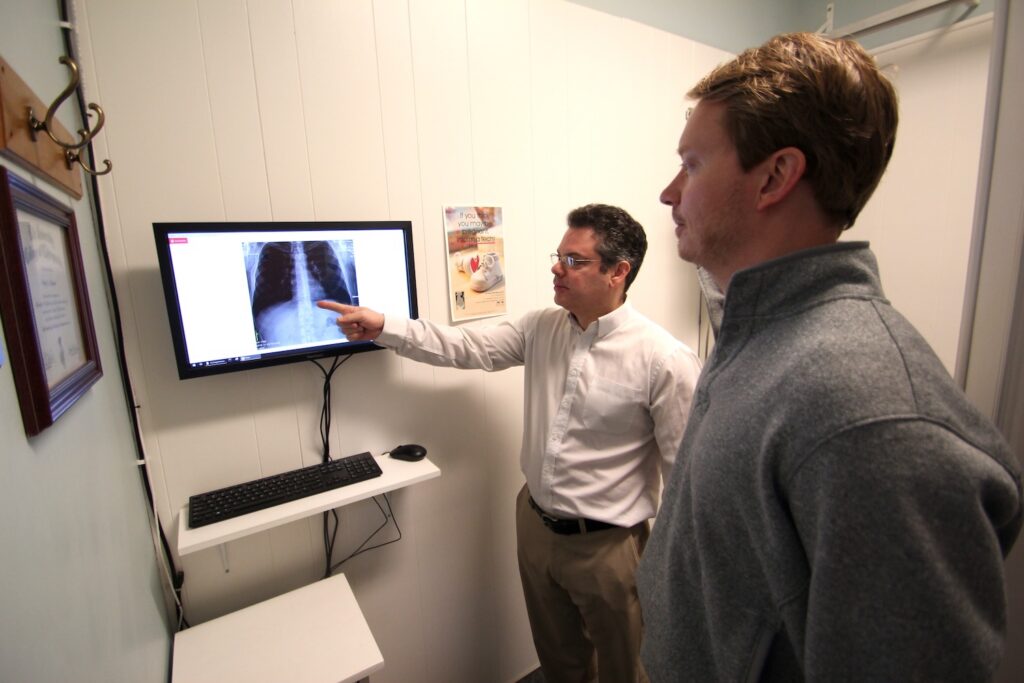
- Assessment and Examination: You'll undergo an extensive physical examination to evaluate your spine and overall posture. This may include range of motion tests and neurological assessments to pinpoint the cause of your discomfort.
- Personalized Treatment: Based on the assessment, your chiropractor will discuss the best treatment options for you. This could involve spinal adjustments, soft tissue therapy, or lifestyle recommendations, all aimed at alleviating your pain and improving function.
Each visit is an opportunity for you to ask questions and discuss your progress. Your chiropractor will provide feedback and make adjustments to your treatment plan as necessary, ensuring you stay on track toward relief.
You'll leave each session feeling empowered and informed about your path to better health.
Chiropractic Care for Different Ages
People of all ages can benefit from chiropractic care, as it addresses a wide range of musculoskeletal issues. Whether you're a child, an adult, or a senior, chiropractic adjustments can help alleviate discomfort and improve overall health.
For children, chiropractic care can support healthy growth and development, helping with issues like scoliosis, posture problems, or sports-related injuries. Regular adjustments can enhance their mobility and promote a balanced spine, ensuring they stay active and healthy.
As you move into adulthood, you might encounter the typical strains of a busy lifestyle, such as work-related stress, poor posture, or sports injuries. Chiropractic care can help you manage back pain, neck tension, and headaches. By addressing these issues early, you can maintain an active lifestyle and prevent chronic pain from developing.
For seniors, chiropractic care offers a gentle approach to managing age-related conditions. It can improve joint mobility, enhance balance, and reduce the risk of falls. Many seniors find that regular chiropractic visits help them maintain a higher quality of life by alleviating pain from arthritis or degenerative disc disease.
No matter your age, it's important to consult with a chiropractor who understands your unique needs. They'll tailor a care plan that considers your specific health concerns and lifestyle, ensuring you get the most out of your chiropractic experience.
Embracing chiropractic care at any age can lead to lasting benefits for your overall health and well-being.
Lifestyle Changes for Optimal Results
To get the most out of your chiropractic care, you need to make some lifestyle changes.
Regular exercise, maintaining proper posture, and balanced nutrition can greatly enhance your results.
Exercise Regularly and Effectively
Regular exercise plays an essential role in managing and alleviating back pain. When you engage in regular physical activity, you strengthen the muscles that support your spine, enhance flexibility, and improve your overall posture. This can greatly reduce discomfort and prevent future injuries.
Here are some effective strategies to incorporate exercise into your routine:
- Focus on core strength: Strengthening your abdominal and back muscles can provide better support for your spine.
- Incorporate flexibility exercises: Stretching helps maintain mobility and reduces tension in your back muscles.
- Choose low-impact activities: Walking, swimming, or cycling are excellent options that minimize strain while still providing a great workout.
Aim for at least 150 minutes of moderate-intensity aerobic activity each week, along with strength training exercises twice a week.
Maintain Proper Posture
Maintaining proper posture is essential for managing back pain and promoting overall spinal health. When you sit, stand, or move, being mindful of your posture can markedly reduce strain on your back. Start by aligning your ears, shoulders, and hips in a straight line.
When sitting, keep your feet flat on the floor and use a chair that supports your lower back. If you work at a desk, adjust your chair height and monitor position to avoid slouching.
While standing, distribute your weight evenly on both feet and avoid locking your knees. Engage your core muscles to provide stability and support your spine. If you spend long hours on your feet, consider using supportive footwear to help maintain proper alignment.
During daily activities, be conscious of your posture. Bend at your hips and knees instead of your back when lifting heavy objects, keeping them close to your body.
Regularly check in with your posture throughout the day; small adjustments can make a big difference. By adopting these habits, you'll not only alleviate back pain but also enhance your overall well-being and prevent future issues.
Balanced Nutrition Habits
How can balanced nutrition habits contribute to your back pain relief? The food you eat plays an essential role in your overall health, including your back.
When you nourish your body with the right nutrients, you can reduce inflammation, strengthen muscles, and promote healing, all of which can alleviate back pain.
Consider incorporating these balanced nutrition habits into your daily routine:
- Anti-inflammatory foods: Include fruits, vegetables, nuts, and fatty fish to help combat inflammation.
- Hydration: Drink plenty of water to maintain spinal disc health and prevent stiffness.
- Lean proteins: Opt for sources like chicken, turkey, and legumes to support muscle repair and growth.
Safety and Risks of Chiropractic Care
Chiropractic care can be an effective option for managing back pain, but it's vital to understand the safety and risks involved. While many people report positive experiences, it's important to recognize that chiropractic adjustments can carry certain risks. Some individuals may experience mild side effects, such as soreness or stiffness, following treatment. These effects typically resolve quickly, but they can be uncomfortable.
In rare cases, more serious complications can arise. You might've heard of the potential for cervical manipulation to lead to neck injuries or even strokes, although these occurrences are extremely uncommon. It's important to discuss your medical history and any existing conditions with your chiropractor to guarantee that treatment is tailored to your needs.
Another risk to take into account is the possibility of over-relying on chiropractic care as your sole treatment method. While adjustments can help alleviate pain, they shouldn't replace other necessary interventions like physical therapy or medical consultations, especially for severe back issues.
Before starting any chiropractic treatment, think about getting a referral from a trusted healthcare provider. This can help you make an informed choice and minimize risks.
Always communicate openly with your chiropractor about any discomfort you experience during or after adjustments. Remember, informed decisions lead to safer outcomes, so take the time to weigh your options carefully when evaluating chiropractic care for back pain relief.
Finding the Right Chiropractor
When searching for the right chiropractor, it's essential to evaluate their credentials and qualifications.
You'll want to understand the treatment techniques they offer and how those align with your needs.
Additionally, the initial consultation can provide valuable insight into their approach and whether you feel comfortable with them.
Credentials and Qualifications
Choosing the right chiropractor can greatly impact your back pain relief journey. To guarantee you're making a well-informed decision, it's crucial to evaluate their credentials and qualifications.
Here's what to look for:
- Education: A Doctor of Chiropractic (DC) degree from an accredited institution is a must. This education should include extensive coursework in anatomy, physiology, and chiropractic techniques.
- Licensure: Verify that your chiropractor is licensed to practice in your state. This usually involves passing national and state board exams, which demonstrate their competency.
- Experience: Look for a chiropractor with experience specifically in treating back pain. Ask about their years in practice and any specialized training related to your condition.
Treatment Techniques Offered
After confirming a chiropractor's credentials and qualifications, the next step is to explore the treatment techniques they offer. Different chiropractors specialize in various methods, so it's important to find one that aligns with your specific needs.
You might encounter techniques like spinal manipulation, where the chiropractor applies controlled force to joints, improving alignment and mobility. Another common method is instrument-assisted manipulation, which uses specialized tools for a gentler approach. This can be beneficial if you prefer less forceful adjustments.
Additionally, some chiropractors incorporate soft tissue therapies, such as massage and myofascial release, to alleviate muscle tension and enhance overall healing.
If you're interested in holistic care, look for practitioners who offer nutritional advice or exercise recommendations as part of their treatment plans.
Make sure to ask about the techniques they use during your consultation. This way, you can gauge whether their approach matches what you're comfortable with.
Ultimately, finding the right techniques can greatly impact your recovery journey and overall satisfaction with chiropractic care. Taking the time to explore these options guarantees you receive the most effective treatment for your back pain.
Initial Consultation Process
Finding the right chiropractor often starts with an initial consultation, where you can assess their approach and determine if it fits your needs. This meeting is essential for establishing a rapport and understanding how they can help alleviate your back pain.
During the consultation, pay attention to several key factors:
- Communication Style: Make sure the chiropractor listens to your concerns and explains things clearly. You want someone who makes you feel comfortable sharing your symptoms.
- Treatment Philosophy: Ask about their methods—are they more focused on hands-on adjustments, or do they incorporate other therapies? This helps you gauge if their approach aligns with your preferences.
- Office Atmosphere: Notice the environment. Is the clinic welcoming and clean? A positive and professional atmosphere can enhance your overall experience.
After your initial consultation, reflect on these aspects to decide if this chiropractor suits your needs.
Conclusion
To sum up, chiropractic care offers a safe and effective way to relieve back pain while addressing its root causes. By understanding your unique needs and working closely with a qualified chiropractor, you can enhance your mobility and overall well-being. Remember to incorporate lifestyle changes for the best results and stay informed about your treatment options. With the right approach, you can regain control over your back health and enjoy a more active, pain-free life.