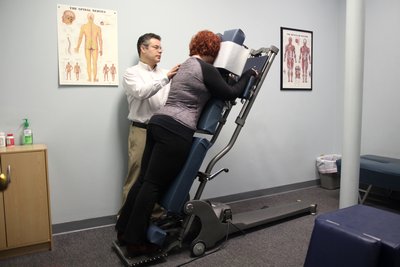

Maintaining good posture is essential for your overall well-being, especially if you spend long hours at a desk. As a chiropractor, I’ve seen firsthand how poor posture can lead to discomfort and misalignment, which may contribute to chronic pain. By making a few simple adjustments to your daily routine, you can not only reduce discomfort but also support your spine’s health. Let’s explore practical strategies that can help you strengthen your core, optimize your workspace, and incorporate mindfulness techniques to promote natural healing. These changes can lead to a more comfortable, productive day and enhance your overall wellness. Ready to find out how chiropractic care can play a vital role in your journey to better health?
- Strengthen Your Core: A strong core supports your spine and helps maintain good posture. Simple exercises like planks, bridges, and pelvic tilts can be performed at home or even during breaks at work. Strengthening your core muscles can lead to better alignment and less strain on your back.
- Optimize Your Workspace: Ensure that your workspace is ergonomically friendly. Your chair should support your lower back, and your computer screen should be at eye level to prevent neck strain. A well-aligned workspace can significantly reduce tension and discomfort, allowing your body to function more efficiently.
- Incorporate Mindfulness Techniques: Take a moment throughout your day to check in with your body. Practice deep breathing or gentle stretches to relieve tension. Mindfulness not only helps with stress management but also encourages you to maintain awareness of your posture, promoting better alignment.
Remember, chiropractic care is an excellent option for achieving optimal health. Regular adjustments can help restore balance to your spine, alleviate pain, and enhance your overall well-being. Embrace these tips, and consider scheduling a visit to your chiropractor for personalized guidance on maintaining your spinal health. Together, we can work towards a healthier, more comfortable you!
Key Takeaways
As a local chiropractor, I want to share some essential tips for improving your posture and managing pain naturally. Embracing chiropractic care can be a powerful way to achieve optimal health and well-being. Here are some simple strategies you can incorporate into your daily routine:
- Strengthen Your Core: Engaging in exercises like planks and bridges can significantly support your spinal alignment. A strong core helps reduce discomfort and creates a solid foundation for your entire body. Remember, chiropractic adjustments can complement these exercises by ensuring your spine is aligned as you strengthen your muscles.
- Optimize Your Workspace: It’s crucial to create an ergonomic workstation. Ensure your chair and desk are set up to promote proper posture. Your feet should be flat on the ground, and your screen should be at eye level. This setup can help reduce strain on your back and neck. Regular chiropractic visits can further enhance your posture and help you maintain a comfortable working position.
- Mindfulness Practice: Incorporate mindfulness techniques, such as deep breathing and body scans, into your daily routine. These practices enhance your body awareness and can help reduce tension. Chiropractic care can also help release built-up tension in your muscles, allowing you to feel more relaxed and centered.
- Regular Stretching: Don’t forget to include stretching in your routine! Simple neck and shoulder stretches can improve flexibility and alleviate tightness. This is especially important if you spend long hours at a desk. Your chiropractor can provide you with tailored stretching advice to complement your adjustments and promote better overall spinal health.
- Consider Chiropractic Care: If you’re experiencing ongoing discomfort or poor posture, chiropractic care can be a game-changer. Regular adjustments help support better alignment and overall spinal health, allowing your body to heal naturally. By choosing chiropractic, you’re opting for a holistic approach to wellness that focuses on your body’s innate ability to heal itself.
By following these tips and incorporating chiropractic care into your life, you can effectively manage pain and enhance your overall wellness. Remember, a healthy spine is the foundation of a healthy body!
Strengthen Your Core Muscles
To improve your posture and alleviate pain, strengthening your core muscles is essential. Your core isn’t just about your abs; it encompasses muscles in your back, hips, and pelvis. When these muscles are strong, they provide vital support to your spine and help maintain proper alignment, which in turn reduces strain on your back and neck.
Incorporating exercises such as planks, bridges, or bird-dogs into your routine can be incredibly beneficial. These movements engage multiple core muscles, promoting stability and enhancing your overall well-being. Aim for consistency by practicing at least three times a week.
The great thing is, you don’t need fancy equipment; bodyweight exercises can be highly effective and easily done at home.
It’s also important to pay attention to your breathing. Engaging your core while taking deep breaths can further enhance muscle activation. Remember, building core strength is a gradual process, so be patient and track your progress.
As your core becomes stronger, you’ll likely notice improvements in your posture and a decrease in discomfort, allowing you to move with greater confidence and ease.
In addition to core strengthening, consider regular chiropractic care. Chiropractors focus on spinal alignment and overall wellness, which can complement your core strengthening efforts.
Adjust Your Workstation Ergonomics
Adjusting your workstation ergonomics is crucial for enhancing your comfort and productivity, and it plays a vital role in maintaining a healthy spine. As a chiropractor, I want to emphasize that proper posture and alignment can help prevent pain and discomfort, allowing you to work more efficiently and feel your best.
Start by positioning your chair so that your feet rest flat on the floor and your knees are at hip level. This alignment supports your lower back, promoting the natural curve of your spine. Adjust the backrest to provide adequate support, which helps reduce strain on your back and can prevent chronic pain.
Your desk should be at elbow height; when typing, your forearms should be parallel to the ground. This position helps to keep your shoulders relaxed and reduces tension, which is essential for spinal health.
Place your monitor about an arm’s length away, with the top of the screen at or just below eye level. This setup minimizes neck strain, which can lead to headaches and discomfort. Additionally, using document holders to keep papers at eye level can prevent awkward twisting, further supporting your spine’s alignment.
Keep frequently used items within easy reach to avoid repetitive strain. This means you won’t have to stretch or twist unnecessarily, which can put stress on your back and neck. Incorporating small movements or stretches throughout the day can also help alleviate tension and improve circulation.
Finally, adjust your keyboard and mouse so they’re close enough to maintain a relaxed shoulder position. This simple adjustment can prevent strain on your upper body and support a healthy posture.
By making these small ergonomic adjustments, you can create a more comfortable work environment that supports your overall health and well-being.
Practice Mindfulness and Stretching Techniques
As a chiropractor, I understand the importance of maintaining good posture and how it impacts your overall health. Incorporating mindfulness and stretching techniques into your daily routine can significantly enhance your well-being and support your spinal health.
By practicing mindfulness, you become more attuned to your body and its alignment, allowing you to identify and correct poor posture habits early. Stretching, meanwhile, promotes flexibility and reduces muscle tension, which is vital for a healthy spine.
Here are some simple techniques you can easily integrate into your day:
- Deep Breathing: Take a moment to focus on your breath. This not only calms your mind but also helps you become more aware of your body and its posture.
- Body Scans: Mentally check in with different parts of your body, especially your spine, to identify areas of tension or discomfort.
- Gentle Stretches: Incorporate neck and shoulder stretches throughout your day. Simple stretches can relieve tightness and encourage better alignment.
- Yoga: Consider joining a local class or following online sessions focused on yoga poses that promote spinal health and relaxation.
- Regular Breaks: Set reminders to stand up, stretch, and reset your posture. This practice can help alleviate pain and prevent long-term issues.
These mindfulness and stretching practices not only help reduce discomfort but also encourage a more conscious approach to your daily activities.
Conclusion
By focusing on these three strategies, you can significantly enhance your posture and manage pain in a natural way. Strengthening your core muscles is crucial; a strong core supports your spine and helps maintain proper alignment, reducing the strain on your back. Additionally, adjusting your workstation ergonomics is essential—make sure your chair, desk, and computer setup promote good posture to minimize discomfort throughout your day.
Incorporating mindfulness and stretching breaks into your routine is another great way to alleviate tension. These practices not only help you relax but also encourage better body awareness, which is essential for maintaining good posture. Remember, regular chiropractic care can also play a vital role in your journey to optimal health. A chiropractor can help identify misalignments and provide personalized adjustments that promote healing and overall wellness.
With consistent effort and a commitment to these strategies, you’ll feel more comfortable and aligned. Embracing these natural methods will allow you to enjoy daily activities without the burden of discomfort. Your spine will thank you!