
Text Neck: Causes, Symptoms, Prevention, and Chiropractic Care in Charlotte
Phones and tablets make life easier, but the habit of looking down for long stretches can take a real toll on your neck and spine. At Chiropractic Fitness here in Charlotte, we see this pattern every week—stiff necks, headaches, and sore shoulders that trace back to the same issue: text neck. The good news? With clear guidance and chiropractic care, you can feel better and protect your spine long term.
In this article, you'll learn what text neck is, why it happens, common signs, and simple ways to prevent it. You'll also see how chiropractic care directly addresses the problem at its source—your spinal alignment, joint motion, and movement patterns.
What is “text neck”?
Text neck is the neck pain, stiffness, and postural strain that come from frequently bending your head forward to look down at a phone, tablet, or laptop. Over time, this forward head posture stresses the joints, discs, muscles, and nerves of your neck and upper back.
Table of contents
- What is “text neck”?
- Why looking down matters for your neck and spine
- Signs and symptoms you might notice
- The biomechanics, explained simply
- Common mistakes that make text neck worse
- How chiropractic care at Chiropractic Fitness in Charlotte helps
- Simple daily strategies to prevent and relieve text neck
- When to see a chiropractor—and when to seek additional care
- Myth vs. fact: Text neck edition
- Final thoughts from your Charlotte chiropractor
- FAQs
- TL;DR
Why looking down matters for your neck and spine
Your head is designed to sit in balance over your shoulders, with your eyes level and your ears roughly over your collarbones. That position keeps stress low on the small joints and discs in your neck. When you bend your head forward for long periods, the neck muscles must work much harder to hold you up. The joints and discs are also loaded unevenly.
Over time, this can cause stiffness, fatigue, and irritation in the surrounding tissues. For many people, it also contributes to headaches, shoulder blade pain, or a tight upper back. If nerves become irritated or compressed, you may feel tingling or numbness into the arm or hand. While phones are often the trigger, the same posture shows up with laptops, gaming, and long drives.
Signs and symptoms you might notice
Most people first notice a dull ache at the base of the skull or across the tops of the shoulders. Turning your head may feel stiff or limited, especially after a long day. Some feel pressure behind the eyes or headaches that start in the neck and wrap to the forehead.
Other common signs include tenderness along the shoulder blades, a heavy or tired feeling in the neck, and a “hunched” upper back. If nerves get involved, you may notice tingling, pins-and-needles, or a sense of weakness in the arm or hand. Symptoms often ease when you stretch, move, or correct your posture—but tend to return unless the root cause is addressed.
The biomechanics, explained simply
Think of your neck like a stack of small, precise joints that move together. In a neutral position, the load is shared well among joints, discs, and muscles. As the head tilts forward, the muscles in the back of the neck must hold a longer lever arm. That means more effort for the same task. The joints in the upper neck compress in the back while the lower neck flexes and strains in the front.
This pattern also influences your mid-back and shoulders. The upper back rounds, the chest tightens, and the shoulder blades drift forward. Over time, your body “adapts” to this position, making it feel normal even when it is not optimal. Chiropractic care focuses on restoring joint motion and alignment so your muscles do not have to fight your posture all day.
Common mistakes that make text neck worse
The most common mistake is holding your phone low in your lap or at your waist. That forces the neck into deep flexion. Another is staying in one position for an hour or more. Even a good posture becomes stressful if you never change it. Long, uninterrupted screen time is hard on your spine and your focus.
Sleeping face down or on multiple pillows can also keep the neck in a rotated or flexed position overnight. Many Charlotte commuters notice they crane forward in the car, especially if the headrest is too far back or the seat is reclined too much. Left unchecked, these small habits add up.
How chiropractic care at Chiropractic Fitness in Charlotte helps
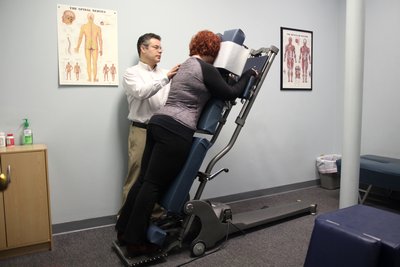
Chiropractic is a frontline solution for text neck because it directly addresses the spine. At Chiropractic Fitness, we begin with a thorough evaluation: your history, posture, ranges of motion, and specific orthopedic and neurological tests. We look for areas that are stuck, irritated, or overloaded. We also assess how your mid-back and shoulders are contributing to the problem.
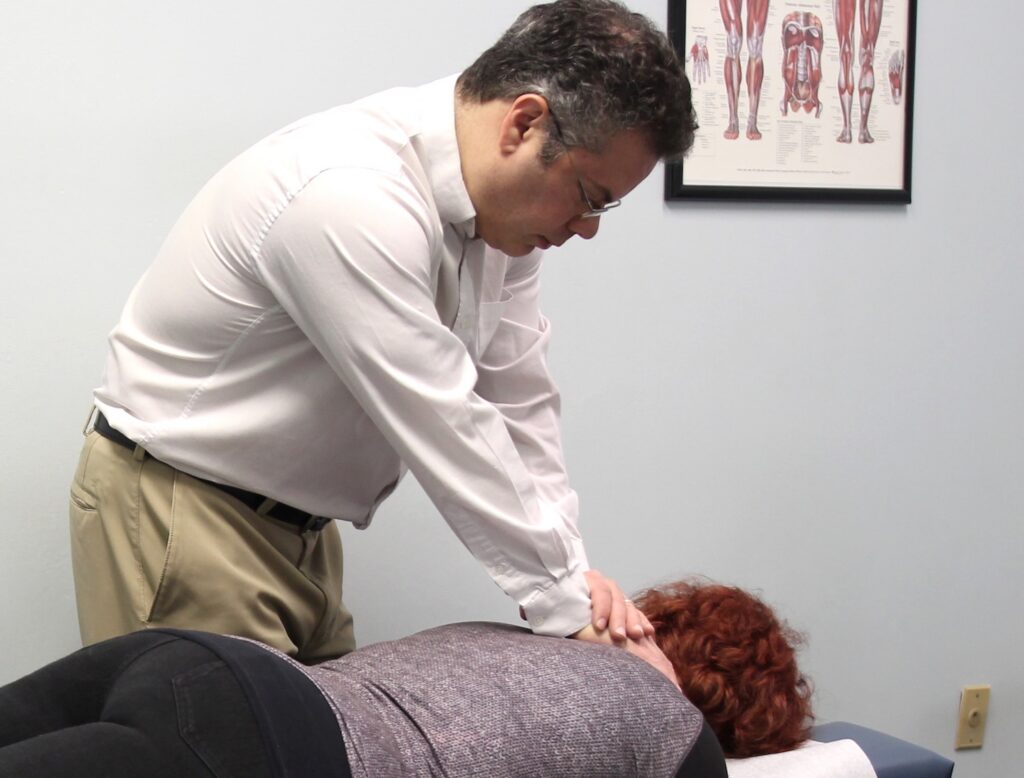
From there, we design a personalized plan. Spinal adjustments restore normal joint motion in the neck and upper back. When joints move the way they should, muscles can relax and nerves can function more freely. We often combine adjustments with targeted soft-tissue work and simple corrective exercises that train a healthier head and shoulder position.
We coach you on ergonomic setups and daily habits that fit your life—whether you work uptown, run a small business in South End, or commute from Ballantyne. Our goal is not just short-term relief. We want long-term spinal resilience so you can use your devices without paying for it later.
Patients often report they move more easily, turn their head with less stiffness, and tolerate screen time better once their joints and posture are back on track. Every plan is tailored to your goals and activity level, and we reassess along the way to ensure steady progress.
Simple daily strategies to prevent and relieve text neck
Start with screen height. Bring your phone up closer to eye level, rather than dropping your head down. Use a stand or prop for tablets. At a desk, the top third of your monitor should be near eye level, with your shoulders relaxed and your elbows by your sides.
Build in micro-breaks. Movement is medicine for the spine. Stand up, look to the horizon, and gently roll your shoulders every 20–30 minutes. Even 30–60 seconds goes a long way. If you tend to forget, set a simple reminder or use a break app during work hours.
Practice a tall, easy posture—not rigid or forced. Think “ears over shoulders,” soft chin tuck, shoulder blades lightly down and back, and ribs stacked over your pelvis. Breathe through your nose when possible and allow your belly and ribs to move. Smooth breathing helps your neck muscles relax.
Here’s a quick 30-second reset you can do anywhere:
- Stand tall and look straight ahead. Gently draw your chin back as if making a double chin, then relax.
- Roll your shoulders up, back, and down two times. Let your arms hang.
- Place your hands behind your head and gently press your head into your hands for 5 seconds. Release.
- Open and close your jaw, then swallow and breathe out slowly.
Use voice-to-text when you can. Alternate hands while holding your phone. Avoid reading in bed with your chin on your chest. And if any stretch or movement causes sharp pain, stop and let us evaluate it before you continue.
When to see a chiropractor—and when to seek additional care
It’s time to see a chiropractor if your neck pain or stiffness keeps returning, lasts more than one to two weeks, or is starting to limit work, school, or workouts. Frequent headaches that seem to start in the neck are another strong indicator. Early care is easier care—addressing the root cause now prevents chronic patterns later.
Red flags that require medical evaluation include a recent significant trauma, fever with neck stiffness, progressive weakness or numbness in the arms or hands, loss of bowel or bladder control, unexplained weight loss, or dizziness and fainting. Chiropractic is not emergency care; if you notice these symptoms, seek immediate medical attention.
Most text neck cases are mechanical and respond well to conservative chiropractic care. We’ll let you know if imaging or a referral is appropriate. Your safety and long-term function guide every decision we make.
Myth vs. fact: Text neck edition
| Myth | Fact |
|---|---|
| “Text neck only affects teenagers.” | Adults and kids are both at risk. Anyone who looks down for long periods can develop symptoms. |
| “If my neck hurts, I should stop using devices completely.” | You don’t have to quit. With better posture, breaks, and chiropractic care, most people use devices comfortably. |
| “If I crack my own neck, it will fix the problem.” | Self-manipulation may create a temporary pop but doesn’t correct specific restrictions. Precise chiropractic adjustments target the joints that actually need motion. |
| “Good posture means sitting bolt upright all day.” | Healthy posture is dynamic. Change positions often and move regularly to keep stress low. |
Final thoughts from your Charlotte chiropractor
Text neck is common, but it’s not something you have to live with. Small daily changes and focused chiropractic care can make a big difference in how your neck feels and functions. If you live or work in Charlotte and you’re noticing recurring neck tension, headaches, or shoulder blade pain, we’re here to help you get ahead of it and stay active.
FAQs
Is text neck permanent?
No. Most cases improve with the right combination of spinal adjustments, posture changes, and movement habits. The sooner you address it, the easier it is to reverse patterns and prevent recurrence.
Can chiropractic adjustments help headaches from screen time?
Yes. Many screen-related headaches begin in the neck and upper back. By restoring joint motion and reducing muscle tension, chiropractic care often decreases the frequency and intensity of these headaches.
Should kids and teens be checked for text neck?
Absolutely. Young spines adapt quickly, for better or worse. A posture and mobility check can catch issues early and set healthy habits before pain becomes a problem.
What sleeping position is best for a sore neck?
Back or side sleeping with a pillow that keeps your neck in a neutral, level position works well for most people. Avoid sleeping face down, which forces your neck to rotate for hours.
How long does it take to feel better with chiropractic care?
Timelines vary based on how long the problem has been present, your daily habits, and your overall health. Many patients feel meaningful relief within a short series of visits, and continued care plus better ergonomics helps maintain results.
Is it normal to hear a pop during an adjustment?
Yes. The popping sound is simply gas releasing from the joint as motion is restored. It is not bones rubbing or anything harmful. Some adjustments are silent and just as effective.
TL;DR
- Text neck comes from prolonged forward head posture while looking down at devices and can cause neck pain, headaches, and shoulder blade tension.
- Chiropractic care is a frontline solution that restores joint motion, improves alignment, and trains better posture for long-term relief.
- Raise screens to eye level, take micro-breaks, and use a quick 30-second reset to keep stress off your neck.
- See a chiropractor if symptoms persist for 1–2 weeks, keep returning, or limit daily life. Seek medical care for red flags like trauma, fever, or progressive weakness.
- With smart habits and focused care, most people in Charlotte can use their devices without neck pain holding them back.