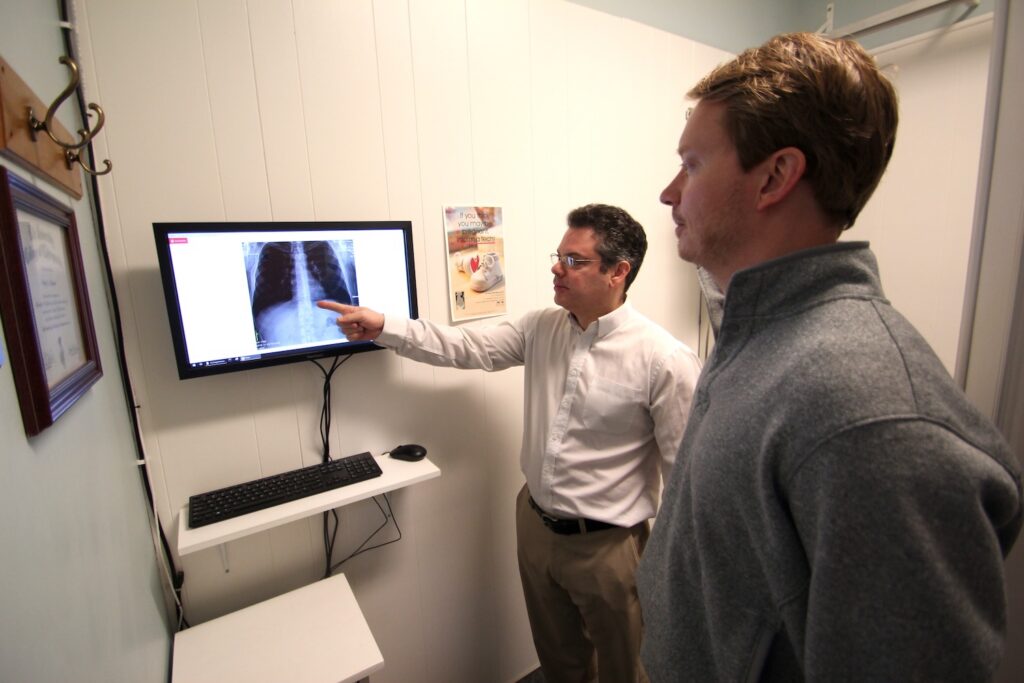

When you consider your health journey, you might realize that a one-size-fits-all approach often falls short. Tailored treatment plans take into account your unique needs, preferences, and lifestyle, leading to more effective care. This personalized strategy not only enhances your well-being but also empowers you to take an active role in your health. However, the process of creating these plans involves a deeper understanding of various factors—some of which may surprise you. What elements do you think could make a significant difference in your own treatment approach?
Importance of Personalized Care
When it comes to healthcare, your individual needs matter most. Personalized care guarantees that you're not just another patient in a crowded system; it means your unique circumstances, preferences, and health goals are taken into account. This tailored approach helps you feel more engaged in your treatment, which can lead to better outcomes and overall satisfaction.
You may have specific health conditions, lifestyle choices, or even emotional factors that influence your well-being. A one-size-fits-all treatment plan often overlooks these critical elements, potentially leading to ineffective solutions or unnecessary side effects. By focusing on personalized care, healthcare providers can design treatment plans that are more suitable for you, increasing the likelihood of success.
Moreover, when your healthcare team understands your individual situation, they can also provide better support and resources. Whether it's adapting medication dosages, recommending specific therapies, or suggesting lifestyle changes, personalized care empowers you to actively participate in your health journey. You're more likely to stick to a plan that resonates with your values and daily life.
Ultimately, personalized care isn't just about treating conditions; it's about enhancing your overall quality of life. You deserve a healthcare experience that acknowledges your history, preferences, and future aspirations. By prioritizing personalized care, you set the stage for a more effective and fulfilling healthcare journey, guaranteeing that your unique needs drive the decisions made along the way.
Key Factors in Treatment Plans
Creating an effective treatment plan involves several key factors that guarantee it meets your specific needs. The right approach can notably enhance your well-being and support your journey toward recovery or improved health.
Here are three essential factors to take into account when developing your treatment plan:
1. Clear Objectives: Establishing clear, achievable goals is critical. Whether you aim to manage a chronic condition, recover from an injury, or improve overall wellness, having specific objectives helps you and your healthcare provider track progress and make necessary adjustments.
2. Collaboration: Engaging with healthcare professionals, including doctors, therapists, and nutritionists, guarantees you get a thorough plan. Their expertise allows for a multifaceted approach tailored to your unique circumstances.
Don't hesitate to voice your concerns or preferences; open communication fosters a partnership that can lead to better outcomes.
3. Flexibility: Life is unpredictable, and your treatment plan should be adaptable to your changing circumstances. Regularly revisiting and modifying your plan guarantees it remains relevant and effective.
Being open to adjustments can help you overcome obstacles and continue progressing toward your health goals.
Understanding Individual Health Needs
To create an effective treatment plan, you need to understand your unique health needs.
Personalized assessments and thorough health evaluations help identify the specific factors that influence your well-being.
Personalized Assessments
Understanding your unique health needs is vital for developing effective treatment plans. Personalized assessments help identify what works best for you, guaranteeing your treatment aligns with your specific circumstances.
By focusing on your individual health profile, you can achieve better outcomes and enhanced overall well-being.
Here are three key aspects of personalized assessments:
- Medical History Review: Your past health conditions, surgeries, and family medical history provide significant insights into your current health status. This information allows healthcare providers to tailor treatments that consider potential risks and benefits.
- Lifestyle Evaluation: Factors like your diet, exercise habits, sleep patterns, and stress levels play important roles in your health. By understanding your daily routines, healthcare professionals can recommend lifestyle changes that better support your well-being.
- Symptom Analysis: Discussing your current symptoms in detail helps pinpoint underlying issues. This analysis guarantees your treatment plan addresses the root causes rather than just alleviating superficial symptoms.
Comprehensive Health Evaluations
Thorough health evaluations are essential for identifying your unique health needs and ensuring you receive the most effective care. These evaluations involve a detailed assessment of your medical history, lifestyle, and current health status. By gathering this information, healthcare providers can pinpoint specific areas requiring attention and tailor treatment plans accordingly.
During an extensive health evaluation, you'll likely undergo various tests and screenings designed to uncover underlying conditions. This might include blood tests, imaging studies, and physical examinations. Each component helps create a clearer picture of your health, allowing you to make informed decisions about your wellness journey.
Moreover, understanding your individual health needs means recognizing risk factors and potential health issues before they become significant problems. It empowers you to take proactive steps toward prevention and management. Your healthcare provider can guide you in implementing lifestyle changes, recommending appropriate therapies, or referring you to specialists if necessary.
Ultimately, an extensive health evaluation not only enhances your understanding of your health but also strengthens the partnership between you and your healthcare team. This collaboration is key to achieving ideal health outcomes tailored to your specific needs.
Role of Genetics in Wellness
Genetics plays an essential role in shaping your overall wellness, influencing everything from your susceptibility to certain diseases to how you respond to various treatments. Understanding your genetic makeup can empower you to make informed decisions about your health.
Here's how genetics can impact your wellness:
1. Disease Susceptibility: Your genetic profile can determine your likelihood of developing certain conditions, such as heart disease, diabetes, or cancer. By knowing your risks, you can take proactive measures to mitigate them, like regular screenings or lifestyle adjustments.
2. Medication Response: Genetics can influence how your body metabolizes medications. Some individuals may experience side effects or find medications less effective due to their genetic variations.
Personalized medicine aims to tailor treatments based on your genetic information, ensuring you receive the most effective options with minimal adverse effects.
3. Nutritional Needs: Your genes can affect your dietary requirements and how your body utilizes nutrients. Some individuals may need specific diets to optimize their health, while others might benefit from particular supplements.
Understanding these genetic factors can guide you in making smarter food choices to enhance your well-being.
Lifestyle Considerations for Tailoring
When it comes to tailoring your treatment plan, lifestyle choices play a critical role. Every decision you make can greatly influence your overall well-being and treatment effectiveness.
First, consider your daily habits. Are you getting enough sleep? Quality rest is essential for recovery and helps your body function at its best. If you're not sleeping well, it might be time to evaluate your sleep environment and bedtime routine.
Next, think about your nutrition. Eating a balanced diet rich in fruits, vegetables, lean proteins, and whole grains can directly affect your health outcomes. It's important to fuel your body with the right nutrients to support whatever treatment you're undergoing. If you've got dietary restrictions, be sure to discuss them with your healthcare provider to find alternatives that work for you.
Physical activity is another key factor. Regular exercise can improve your mood, enhance your energy levels, and even boost your immune system. Find activities you enjoy—whether it's walking, dancing, or yoga—and incorporate them into your routine.
Lastly, don't overlook stress management. High stress can impede your healing process, so integrating practices like meditation, deep breathing exercises, or even hobbies can be beneficial.
Setting Personal Health Goals
Setting personal health goals starts with defining specific objectives that truly reflect what you want to achieve.
Once you've identified these goals, tracking your progress effectively becomes essential to stay motivated and make necessary adjustments.
Let's explore how you can create a clear path toward your health aspirations.
Defining Specific Objectives
Defining specific objectives is essential for achieving your personal health goals. By setting clear and measurable targets, you create a roadmap that guides your actions and decisions. This focused approach not only boosts your motivation but also helps you stay accountable to yourself.
Here are three key steps to define your specific objectives:
- Be Specific: Identify what you want to achieve. Instead of saying, "I want to get fit," specify, "I want to run a 5K in under 30 minutes."
- Make It Measurable: Quantify your goals so you can track your progress. For example, rather than saying, "I want to eat healthier," set a goal like, "I'll eat at least five servings of fruits and vegetables daily."
- Set a Timeline: Establish a deadline to create urgency. Instead of a vague timeline, say, "I'll complete my 5K by the end of next month."
Tracking Progress Effectively
Progress tracking is essential for maintaining momentum in your personal health journey. By setting specific health goals, you create a roadmap that guides your actions and decisions. Start by defining what you want to achieve—whether it's losing weight, increasing your fitness level, or managing a chronic condition.
Once you have your goals in place, choose a tracking method that works for you. This could be a journal, an app, or a simple chart. Regularly logging your progress helps you stay accountable and provides insight into what's working and what isn't.
Celebrate small victories, like hitting a weekly target or sticking to a workout routine, as these milestones reinforce your commitment.
Don't forget to adjust your goals as needed. Life changes, and so can your priorities or capabilities. Regularly reviewing your progress allows you to recalibrate and set new targets that align with your evolving health journey.
Collaboration With Healthcare Providers
How can effective collaboration with healthcare providers enhance your tailored treatment plan? Working closely with your healthcare team can greatly improve your overall well-being.
When you engage openly with professionals, you create a partnership that fosters understanding, trust, and the best possible outcomes for your health.
Here are three key ways collaboration can benefit your treatment plan:
1. Personalized Insights: Healthcare providers can offer valuable insights based on their expertise and experience.
By sharing your preferences, concerns, and lifestyle, they can tailor recommendations that fit your unique situation, guaranteeing your treatment plan is relevant and effective.
2. Comprehensive Care: A strong collaboration allows for a more holistic approach to your health.
Providers can coordinate with specialists and other practitioners, which guarantees all aspects of your well-being are addressed. This interconnected care can prevent gaps in treatment and streamline your healthcare experience.
3. Ongoing Support: When you maintain open lines of communication with your healthcare team, you create an environment of continuous support.
Regular check-ins and discussions about your progress and any challenges you face enable your providers to make informed adjustments to your plan, keeping you on track toward your goals.
Monitoring and Adjusting Plans
To guarantee your treatment plan remains effective, you'll need to conduct regular progress assessments.
As your needs change, being flexible and adapting the plan is essential for peak results.
Working with your collaborative care team will help you fine-tune your approach and achieve your health goals.
Regular Progress Assessments
Regular progress assessments are essential for ensuring your treatment plan remains effective and aligned with your evolving needs. By regularly evaluating your progress, you can identify what's working and what isn't, making it easier to adjust your plan accordingly. This proactive approach helps you stay on track and fosters a sense of accountability.
Here are three key aspects of regular progress assessments:
- Goal Evaluation: Check if you're meeting the short-term and long-term goals set in your treatment plan. If you're falling behind, it may be time to reassess your strategies.
- Feedback Gathering: Collect feedback from professionals and yourself regarding your experiences and feelings. This feedback is invaluable in understanding the effectiveness of your current plan.
- Adjustments Implementation: Based on your evaluations and feedback, make necessary adjustments to your treatment plan. This could involve changing medications, modifying therapy techniques, or incorporating new wellness practices.
Regular progress assessments empower you to take charge of your health journey, ensuring your tailored plan continues to support your well-being effectively.
Stay engaged, and don't hesitate to voice your concerns during these assessments.
Adapting to Changing Needs
Adapting to your changing needs is essential for maintaining the effectiveness of your treatment plan. As you progress, your physical, emotional, and mental states may shift, requiring adjustments to your approach. Regularly monitoring these changes helps you identify when it's time to modify your plan.
Stay in tune with your feelings and experiences. If you notice new challenges or your current strategies aren't yielding the desired results, don't hesitate to reach out for a reassessment. Keeping an open line of communication with your healthcare provider guarantees you remain on the right track.
You might find it helpful to keep a journal to document your symptoms, feelings, and any barriers you encounter. This record can provide valuable insights during your check-ins, making it easier for your provider to understand your situation.
Collaborative Care Team Approach
A collaborative care team can considerably enhance your treatment experience by guaranteeing that your plan evolves alongside your needs. This approach involves a diverse group of professionals, each contributing their expertise to provide thorough support.
By working together, they can monitor your progress and adjust your treatment plan as necessary.
Here are three key benefits of a collaborative care team approach:
- Holistic Perspective: With various specialists involved, you receive a well-rounded view of your health, addressing not just physical symptoms but also emotional and social factors.
- Real-Time Adjustments: Your team can quickly respond to changes in your condition, allowing for timely modifications to your treatment plan that reflect your current status and goals.
- Enhanced Communication: Regular meetings guarantee everyone is on the same page, fostering a seamless exchange of information that leads to better decision-making and increased adherence to your treatment.
Benefits of Customized Approaches
Customized approaches in treatment plans offer significant advantages that can enhance patient outcomes and satisfaction. When you receive a treatment plan tailored specifically to your unique needs, you're more likely to experience a positive impact on your health. These individualized strategies take into account your medical history, lifestyle, preferences, and even your emotional well-being, making you an active participant in your care.
One of the key benefits is improved adherence to treatment. When a plan resonates with your values and goals, you're more inclined to stick with it. This consistency can lead to better results, as you're not just following generic guidelines, but a roadmap that feels relevant to you.
Additionally, customized approaches often lead to more accurate diagnoses. By focusing on your specific symptoms and circumstances, healthcare providers can pinpoint underlying issues that might be overlooked in a one-size-fits-all model. This targeted approach helps in devising effective interventions that address the root cause rather than just alleviating symptoms.
Moreover, tailored treatment plans can enhance communication between you and your healthcare team. When providers understand your unique situation, they can engage in meaningful discussions, ensuring you feel heard and valued. This collaborative relationship fosters trust, which is essential for effective healthcare.
Success Stories and Case Studies
Real-life examples illustrate the power of tailored treatment plans in transforming patient experiences and outcomes.
You might be surprised at how these personalized approaches can lead to significant improvements in health and well-being.
Let's look at a few success stories that highlight the effectiveness of customized strategies:
1. Chronic Pain Management: Sarah suffered from chronic back pain for years, trying various treatments with little success.
After a thorough evaluation, her healthcare team crafted a personalized plan that included physical therapy, acupuncture, and a modified exercise routine.
Within months, Sarah noticed a remarkable decrease in pain and regained her ability to enjoy daily activities.
2. Mental Health Improvement: Mark struggled with anxiety and depression, often feeling overwhelmed by conventional treatments.
His therapist implemented a tailored plan focusing on cognitive-behavioral therapy and mindfulness practices.
By adjusting the frequency and intensity of sessions based on his progress, Mark experienced a significant reduction in symptoms, leading to a more fulfilling life.
3. Diabetes Management: Lisa was frustrated with her diabetes management.
A nutritionist worked with her to design a meal plan that suited her preferences and lifestyle, coupled with a customized exercise regimen.
This targeted approach not only stabilized her blood sugar levels but also helped her lose weight, enhancing her overall health.
These stories demonstrate that when treatment plans are tailored to individual needs, the results can be life-changing.
You can see how personalized care leads to improved outcomes and a better quality of life.
Conclusion
In summary, tailored treatment plans play an essential role in enhancing your well-being. By addressing your unique needs and preferences, these personalized strategies empower you to take an active role in your health journey. With the support of healthcare providers and regular adjustments to your plan, you can achieve better outcomes and enjoy a more fulfilling life. Embrace the benefits of customized approaches, and experience the positive impact they can have on your overall wellness.