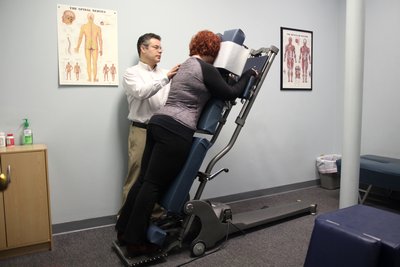

If you're struggling with neck pain, surgery might not be your only option. Natural solutions can address the root causes of discomfort, offering relief without invasive procedures. Practices like yoga and tai chi can ease tension, while specific exercises enhance your neck's strength and flexibility. You might even find that small adjustments in your workspace improve your posture considerably. But what about the alternative therapies that could further accelerate your recovery? Understanding these methods might just change your perspective on pain management. Let's explore what could work for you.
Understanding Neck Pain
Neck pain is a common issue that many people experience at some point in their lives. It can stem from various causes, including poor posture, muscle strain, or even stress. You might notice discomfort after long hours at your desk, or perhaps after sleeping in an awkward position. Understanding the root of your neck pain is vital for finding effective relief.
Muscle tension is one of the most prevalent culprits. When you sit in front of a computer for extended periods without proper ergonomics, your neck muscles can become tight and sore. You might also feel pain radiating down your arms if nerve compression occurs. This often happens when the spine shifts slightly due to poor alignment or injury.
In some cases, injuries such as whiplash can lead to significant discomfort. If you've been in a car accident or experienced a sudden jolt, your neck might take the brunt of the impact, resulting in pain and stiffness. It's important to pay attention to your body and recognize when something feels off.
Emotional stress can also manifest physically as neck pain. When you're anxious or tense, you may unconsciously tighten your neck and shoulder muscles, leading to discomfort.
Identifying the triggers of your neck pain—be it physical strain or emotional stress—can help you take the first steps toward finding solutions. You deserve to live without the burden of persistent neck pain, and understanding its origins is the key to addressing it effectively.
Benefits of Natural Remedies
When you explore natural remedies for neck pain, you'll find that they offer holistic healing approaches that treat the root causes.
These methods often come with reduced side effects compared to conventional treatments, making them safer for long-term use.
Ultimately, embracing natural solutions can lead to lasting wellness benefits that enhance your overall quality of life.
Holistic Healing Approaches
Exploring holistic healing approaches can offer you an invigorating perspective on managing neck pain. By focusing on the whole person—mind, body, and spirit—you can discover ways to alleviate discomfort that go beyond conventional treatments.
Practices like yoga and tai chi not only improve flexibility but also promote relaxation, helping to ease tension in your neck.
Incorporating mindfulness and meditation into your daily routine can create a deeper connection with your body, allowing you to identify and address stressors that may contribute to your neck pain.
Additionally, essential oils, such as lavender and peppermint, can be used in aromatherapy to enhance relaxation and soothe muscle tension.
Nutrition plays a crucial role too. Consuming anti-inflammatory foods like turmeric and ginger can help reduce pain and promote healing.
Herbal remedies, like willow bark, have been used for centuries to alleviate discomfort naturally.
Reduced Side Effects
Natural remedies for neck pain offer significant advantages, particularly when it comes to reducing side effects. Unlike pharmaceutical treatments, natural solutions usually come with fewer risks and complications.
You can effectively manage your neck pain without worrying about unwanted reactions that medications often entail.
Here are some benefits of using natural remedies:
- Gentle on the body: Natural options like stretches, yoga, and heat therapy promote healing without harsh chemicals.
- Lower risk of dependency: You won't find yourself relying on painkillers or experiencing withdrawal symptoms, as many natural methods are non-habit forming.
- Thorough approach: Natural remedies often address the underlying causes of your neck pain, offering a more complete solution without the side effects associated with traditional medications.
Long-Term Wellness Benefits
Choosing natural remedies for neck pain not only alleviates discomfort but also promotes long-term wellness. By opting for holistic approaches, you're investing in your body's overall health. Natural remedies often focus on strengthening muscles, improving flexibility, and enhancing blood circulation, which can lead to lasting relief from pain.
When you engage in practices like yoga, stretching, or acupuncture, you're not just addressing the immediate symptoms; you're also fostering better posture and body mechanics. Over time, this can greatly reduce the risk of future neck issues.
Additionally, natural remedies can help lower stress levels, which often contribute to tension and pain in the neck area.
Another benefit of embracing these holistic solutions is the empowerment you gain in managing your health. By understanding your body's needs and exploring various natural options, you're more equipped to make informed decisions about your wellness journey.
This proactive approach can lead to improved overall health, making you less reliant on medications or invasive procedures.
Incorporating natural remedies into your routine isn't just about short-term fixes; it's a commitment to maintaining your body's well-being for the long haul.
Effective Exercises and Stretches
When it comes to alleviating neck pain, incorporating effective exercises and stretches into your routine can make a significant difference.
These movements not only help in relieving tension but also strengthen the muscles around your neck, leading to better overall support.
Here are three exercises you can easily integrate into your daily life:
- Neck Tilts: Gently tilt your head toward one shoulder, holding for 15-30 seconds. Switch sides and repeat. This stretch targets the muscles on the sides of your neck, promoting flexibility.
- Chin Tucks: Sit or stand upright and gently tuck your chin towards your chest. Hold for 5 seconds, then relax. Repeat this 10 times. Chin tucks help strengthen the neck muscles and improve posture.
- Shoulder Shrugs: Raise your shoulders toward your ears and hold for a few seconds before releasing. Do this 10 times. Shoulder shrugs relieve tension in the upper back and neck area.
Incorporating these exercises into your routine can enhance your neck's flexibility and strength.
Aim to perform them daily or at least several times a week.
You should also remember to listen to your body; if you experience pain while doing these stretches, stop immediately and consult a professional.
Importance of Posture
Your posture plays an essential role in maintaining neck health.
By adopting correct sitting techniques and creating an ergonomic work environment, you can greatly reduce strain on your neck.
Let's explore how these adjustments can make a difference in your daily life.
Impact on Neck Health
Proper posture plays an essential role in maintaining neck health, as it helps distribute weight evenly across the spine. When you slouch or lean forward, you put extra strain on your neck muscles and vertebrae, leading to discomfort and potential long-term issues.
By focusing on good posture, you can greatly reduce neck pain and improve your overall well-being.
Here are a few benefits of maintaining good posture:
- Reduces strain: Proper alignment minimizes stress on your neck muscles and ligaments, preventing fatigue.
- Enhances mobility: Good posture allows for better range of motion and flexibility in your neck, making daily activities easier.
- Improves breathing: An upright position opens up your chest and diaphragm, promoting deeper and more effective breathing.
Making small adjustments in your daily routine can have a big impact on your neck health. Pay attention to how you sit, stand, and move throughout the day.
By cultivating a mindful approach to your posture, you're not just taking care of your neck; you're investing in your overall health.
Correct Sitting Techniques
Adopting correct sitting techniques is essential for maintaining neck health, especially if you spend long hours at a desk. Your posture plays a vital role in how your neck feels, so it's important to be mindful of how you sit.
Start by keeping your feet flat on the floor; this helps distribute your weight evenly. Your knees should be at or slightly below hip level, promoting proper alignment.
Next, make certain your back is fully supported by the chair. Use a cushion if necessary to maintain the natural curve of your spine. Position your computer screen at eye level, so you don't strain your neck by looking down or up.
Your shoulders should be relaxed, and your arms should rest comfortably at your sides, with elbows at a 90-degree angle.
Lastly, take regular breaks to stand, stretch, and move around. This keeps blood flowing and reduces tension in your neck and shoulders.
Ergonomic Work Environment
Creating an ergonomic work environment is essential for maintaining good posture and preventing neck pain. When you set up your workspace correctly, you can greatly reduce strain on your neck and back.
Here are some key elements to take into account:
- Chair Height: Your chair should allow your feet to rest flat on the floor, with your knees at or slightly below hip level.
- Monitor Position: Position your monitor so the top is at eye level, about an arm's length away, to keep your neck aligned.
- Keyboard and Mouse Placement: Keep your keyboard and mouse close enough that your elbows remain close to your body and at a 90-degree angle.
Alternative Therapies
Alternative therapies offer a rejuvenating approach to managing neck pain, often providing relief where conventional treatments may fall short. You might want to explore options like acupuncture, which involves inserting thin needles into specific points on your body. This ancient practice can help release tension and improve circulation, potentially leading to reduced pain and discomfort.
Another effective alternative is chiropractic care. By realigning your spine and neck, chiropractors can address underlying issues that contribute to your pain. You'll likely find that regular visits can enhance your overall mobility and flexibility, making daily activities easier and more enjoyable.
Massage therapy is another option worth considering. A skilled therapist can work on tight muscles, relieving tension and promoting relaxation. Not only can this help alleviate pain, but it can also improve your mood and well-being. You may want to try different types of massage, such as deep tissue or trigger point therapy, to find what works best for you.
Additionally, practices like yoga and tai chi can be beneficial. These mind-body exercises focus on gentle movements and stretches that enhance flexibility and strength while promoting relaxation. You'll learn to listen to your body, which can help you avoid further strain.
Lastly, don't overlook the power of meditation and mindfulness. These practices can help reduce stress, which often exacerbates neck pain. By incorporating alternative therapies into your routine, you may find the relief and healing you've been searching for.
Heat and Cold Therapy
Incorporating heat and cold therapy into your pain management routine can provide immediate relief for neck discomfort. These methods are simple yet effective, allowing you to take control of your pain without relying on medication or invasive procedures.
Heat therapy works by increasing blood flow to the affected area, which helps relax muscles and alleviate stiffness. You can use a heating pad, warm compress, or take a warm shower to achieve these benefits.
On the other hand, cold therapy can numb sharp pain and reduce inflammation. Ice packs or cold compresses applied to your neck can help minimize swelling and soothe soreness.
Here are some tips to effectively use heat and cold therapy:
- Use heat for muscle relaxation: Apply heat for 15-20 minutes to relieve tension and improve flexibility.
- Apply cold for acute pain: Use cold packs for 10-15 minutes, especially after a new strain or injury, to reduce inflammation.
- Alternate between heat and cold: Switching between both therapies can enhance your relief. Try alternating every 20 minutes for the best results.
Before you engage in these therapies, remember to wrap ice packs in a cloth to avoid skin damage and verify heat packs aren't too hot.
Lifestyle Modifications
While managing neck pain often involves immediate relief techniques, making certain lifestyle modifications can play an important role in preventing future discomfort.
Start by evaluating your daily posture. Whether you're working at a desk or using your phone, make sure your neck isn't strained. Adjust your chair height, use ergonomic tools, and take regular breaks to stretch and reset your posture.
Next, consider your sleep habits. A supportive pillow is vital. Opt for one that keeps your neck aligned with your spine. If you're a stomach sleeper, try shifting to your side or back to reduce strain.
Incorporating regular exercise into your routine can also make a significant difference. Strengthening the muscles around your neck and shoulders helps provide better support. Activities like yoga or swimming can enhance flexibility and reduce tension.
Just be mindful to listen to your body and avoid any movements that exacerbate your pain.
Another important aspect is stress management. High stress can lead to muscle tension in your neck. Try incorporating relaxation techniques such as deep breathing, meditation, or tai chi into your daily routine.
Lastly, pay attention to your hydration and nutrition. Staying hydrated can prevent muscle cramps, and a balanced diet supports overall health.
When to Seek Professional Help
Knowing when to seek professional help for neck pain can be essential in preventing further issues. While many neck pain cases resolve with natural solutions, certain signs indicate it's time to consult a healthcare provider. Ignoring these symptoms could lead to more serious complications down the line.
Here are some key indicators that you shouldn't overlook:
- Persistent Pain: If your neck pain lasts longer than a week despite at-home treatments, it's time to get a professional assessment.
- Radiating Symptoms: If you experience pain that radiates down your arms or into your hands, it could signal nerve involvement, which needs immediate attention.
- Loss of Mobility: Difficulty moving your neck or severe stiffness that limits your range of motion can indicate an underlying issue that requires professional evaluation.
Don't hesitate to reach out if you notice any of these signs. A healthcare professional can help identify the root cause of your neck pain and recommend appropriate treatments.
They may suggest physical therapy, chiropractic care, or imaging studies to better understand your condition. Remember, early intervention can lead to a quicker recovery and help you avoid more invasive procedures later on.
Always prioritize your health, and don't wait too long to seek help when you need it.
Conclusion
By embracing natural neck pain solutions, you can tackle the root causes and find relief without surgery. Incorporating exercises, mindfulness practices, and ergonomic adjustments into your daily routine will not only ease tension but also promote long-term health. Remember, alternative therapies like acupuncture or massage can further enhance your recovery. Stay proactive about your well-being, and if your pain persists, don't hesitate to seek professional help. Your neck deserves the best care possible!