
As a local chiropractor, I understand how upper back discomfort can significantly impact your daily life. If you've ever felt this discomfort, you might be surprised to learn that many people experience it too, often without realizing the common causes. Recognizing the symptoms is the first step toward finding relief, and I'm here to help guide you through that process.
You may find that simple at-home remedies and lifestyle changes, such as improving your posture or incorporating gentle stretches, can provide some immediate relief. However, it's important to recognize that upper back discomfort can sometimes be a sign of deeper issues that require more comprehensive care.
Chiropractic care focuses on natural healing and aims to address not just the symptoms but also the underlying causes of discomfort. By exploring effective solutions—like spinal adjustments, physical therapy techniques, and personalized wellness plans—we can work together toward achieving long-term comfort.
I invite you to learn more about how chiropractic care can help you manage and prevent upper back discomfort, so you can enjoy a healthier, more active lifestyle. Let's uncover the path to your well-being together!
Common Causes of Discomfort
As a local chiropractor dedicated to your well-being, I want to shed light on some common causes of upper back discomfort that you may not be aware of.
One significant factor is poor posture, particularly if you find yourself spending extended periods at a desk or bent over your phone. Slouching can place undue strain on the muscles and ligaments in your upper back, leading to persistent discomfort. Often, you mightn't even realize you're adopting this posture until the pain becomes evident.
Muscle strain is another frequent culprit. If you've recently lifted something heavy or participated in physical activities without proper warm-up, it's possible your upper back muscles have become overworked.
Additionally, repetitive movements or awkward positions during workouts can contribute to muscle fatigue and soreness.
Stress is also a key player in upper back discomfort. When you experience anxiety or feel overwhelmed, you may unconsciously tense your shoulders and upper back muscles. This ongoing tension can create tightness and discomfort, which makes it vital to find effective ways to manage stress.
Furthermore, the quality of your sleep environment can influence your upper back health. An unsupportive mattress or pillow may exacerbate pain by causing misalignment in your spine, leading to discomfort throughout the day.
Lastly, it's important to consider that underlying medical conditions, such as herniated discs or arthritis, could be the source of your upper back pain. If you suspect a more serious issue, consulting with a healthcare professional is a prudent step.
Symptoms to Watch For
As a local chiropractor, I want to help you understand some key symptoms to watch for when it comes to upper back discomfort.
It's important to pay attention to pain signals, whether they manifest as sharp or dull aches. You may also experience muscle tension in this area, which can make movement feel challenging.
By recognizing these symptoms early on, you can take proactive steps to address them, preventing further discomfort and promoting overall well-being.
Embracing natural healing methods, such as chiropractic care, can support your journey towards a pain-free life.
Common Pain Indicators
As a local chiropractor, I want to help you understand the significance of persistent upper back pain and why it's crucial not to ignore it. Many people experience this type of pain as sharp, stabbing sensations or a dull, lingering discomfort.
If you notice that certain movements exacerbate your pain or if sitting for extended periods makes it worse, it's a clear indication that something may not be right.
It's essential to pay attention to any pain that radiates down your arms or into your neck, as this could signify nerve involvement. Additionally, tingling or numbness in these areas is a red flag, and I urge you to seek medical advice if these symptoms arise.
You might also find that your muscles feel stiff or that you struggle to rotate your torso, which can hinder your daily activities and overall quality of life.
Look out for any additional symptoms such as headaches, fatigue, or fever, as these can sometimes indicate more severe underlying conditions.
If your pain is affecting your sleep or daily tasks, please don't ignore it. The longer you wait to address these issues, the more complicated your recovery may become. Always trust your instincts; if something feels off, it's always best to consult with a healthcare professional.
Understanding these common pain indicators is vital for taking the first steps toward relief.
As your chiropractor, I'm here to support you on your journey to better health and comfort through natural healing methods. Let's work together to help you regain your well-being!
Associated Muscle Tension
As a chiropractor, I want to help you understand the connection between muscle tension and upper back discomfort, as recognizing these symptoms is key to finding effective relief.
Many of my patients report feelings of tightness or stiffness in the muscles around their upper back. This tension can make everyday movements, such as reaching or turning, quite painful or feel limited.
It's important to watch for signs like an aching or throbbing sensation in your upper back that may also radiate to your shoulders and neck. You might even experience sudden and sharp muscle spasms.
If you notice feelings of fatigue or weakness in this area, it's often an indication that muscle tension is present.
I also encourage you to consider how your posture plays a role in your discomfort. Poor posture, like slouching or sitting for long periods, can worsen muscle tension and lead to increased pain.
Moreover, stress and anxiety can contribute to muscle tightness, making it essential to manage your mental health as part of your overall well-being.
Effective At-Home Remedies
As a local chiropractor, I want to share some effective at-home remedies for upper back discomfort that can significantly enhance your well-being. Many people may not realize the power of natural healing methods, but simple practices can help alleviate pain and prevent future issues.
First, incorporating stretching exercises into your daily routine can effectively relieve tension in the upper back. Gentle stretches can enhance flexibility and reduce stiffness.
Next, heat therapy is a wonderful way to soothe soreness. Applying a warm compress or taking a warm bath can help increase blood flow to the affected area, promoting healing and relaxation.
Additionally, paying attention to your posture is crucial. Proper alignment can greatly reduce the risk of upper back pain in the future. Mindful adjustments to your sitting and standing positions can lead to lasting improvements.
By utilizing these strategies, you can take control of your health and maintain an active lifestyle.
Stretching Exercises Benefits
As a local chiropractor, I want to share with you the incredible benefits of stretching exercises, particularly when it comes to alleviating upper back discomfort. These exercises aren't just beneficial for athletes or fitness enthusiasts; they're effective at-home remedies that can significantly enhance your quality of life.
When you make stretching a regular part of your routine, you can improve the flexibility and range of motion in your spine. This is crucial for reducing stiffness and tension that often build up from daily activities, especially if you spend long hours sitting at a desk.
Targeting muscle groups like the rhomboids, trapezius, and latissimus dorsi through stretching can help release the stress and tightness that contribute to upper back pain. By doing so, you not only relieve discomfort but also support better posture, which is essential for your overall health.
Additionally, stretching promotes increased blood circulation to your muscles. This is vital as it delivers essential nutrients and oxygen that aid in recovery and restoration. Many of my patients have reported improved muscle tone and strength, along with a greater sense of relaxation and well-being.
Incorporating simple stretches into your daily routine, such as the cat-cow, chest opener, or child's pose, can lead to significant improvements. Consistency is key—aim to stretch several times a week to fully experience the benefits and keep that upper back discomfort at bay.
Heat Therapy Techniques
As a chiropractor, I often recommend heat therapy as an effective and gentle approach for alleviating upper back discomfort. It's a natural remedy that can easily become part of your self-care routine. Heat therapy works by promoting blood flow, relaxing tight muscles, and reducing pain, which is crucial for your overall well-being.
Here are some simple techniques I encourage you to try at home.
One of the most common methods is the use of a heating pad. You can apply it to your upper back for about 15-20 minutes. Be sure to adjust the temperature to a comfortable level to avoid any risk of burns.
If you don't have a heating pad handy, a warm towel can be just as effective. Just soak a towel in warm water, wring it out, and lay it over the affected area to experience relief.
Another great option is to take a warm shower or bath. The combination of steam and warmth can significantly ease muscle tension and promote relaxation.
I also recommend using a hot water bottle; simply fill it with warm water, wrap it in a towel, and place it on your back for soothing relief.
Always pay attention to your body's signals. If you find that the heat feels too intense or uncomfortable, it's important to remove the source right away.
By incorporating these heat therapy techniques into your daily routine, you can greatly enhance your comfort and support your body's natural healing processes.
Posture Improvement Tips
As a local chiropractor, I want to share some valuable tips on improving your posture, which can significantly alleviate upper back discomfort. It's essential to be conscious of how you sit, stand, and move throughout your day.
When you sit, ensure your feet are flat on the ground, your back is straight, and your shoulders are relaxed. Using a chair designed to support your lower back is crucial; if you feel you need more support, a cushion can make a big difference.
When standing, aim to distribute your weight evenly across both feet. Engage your core muscles and keep your shoulders back. A helpful visualization is to imagine a string gently pulling your head upward, as this can help align your spine correctly.
Incorporating stretching and strengthening exercises into your daily routine is also beneficial. Simple stretches targeting your chest and upper back can relieve tension and enhance your flexibility. Strengthening your core muscles is vital, as a strong core provides better support for your spine.
If your work requires you to sit at a desk for extended periods, remember to take regular breaks. Standing up, stretching, or walking around every hour can help reset your posture and prevent stiffness.
Making small adjustments in your daily habits can lead to significant, lasting improvements in your posture and overall comfort. By staying consistent with these practices, you may notice a gradual reduction in upper back discomfort over time.
Embracing these natural approaches can enhance your well-being, and as your chiropractor, I'm here to support you on this journey to better posture and health.
Stretching and Strengthening Exercises
As a local chiropractor, I want to emphasize the importance of addressing upper back discomfort through a combination of stretching and strengthening exercises. These practices not only enhance flexibility but also cultivate the muscles that support your spine, leading to reduced tension and discomfort.
To begin alleviating your upper back pain, I recommend starting with gentle stretches. One effective stretch is the cat-cow pose. Begin on your hands and knees; as you inhale, arch your back, and as you exhale, round your back. Repeat this sequence for several cycles to help release tension.
Another beneficial stretch is the child's pose. By sitting back on your heels and extending your arms forward on the ground, you create a deep stretch that can significantly relieve upper back tension. Remember to breathe deeply during this stretch.
Once you've completed your stretching routine, it's time to focus on strengthening your upper back. One effective exercise is the seated row. For this, sit on the edge of a sturdy chair, lean slightly forward, and pull your elbows back while squeezing your shoulder blades together. Aim for 2-3 sets of 10-15 repetitions.
Another excellent exercise is the wall angel. Stand against a wall with your arms raised to form a "W" shape, and slowly slide your arms up to create a "Y," making sure your shoulders and back remain in contact with the wall. Repeat this movement 10-15 times.
Integrating these exercises into your daily routine can significantly improve your posture and alleviate discomfort. I recommend aiming to stretch and strengthen your upper back at least 3-4 times a week.
As you continue to practice these exercises, you may notice a marked reduction in discomfort and an enhancement in your daily activities. Remember, chiropractic care and natural healing methods like these can play a vital role in your overall well-being.
Importance of Ergonomics
As a local chiropractor, I want to emphasize the crucial role that ergonomics plays in preventing upper back discomfort. Understanding how to create a workspace that accommodates your body's natural alignment can significantly reduce strain and enhance your overall comfort. By making a few simple adjustments, you can diminish your risk of developing upper back pain.
First, take a close look at your workstation setup. It's essential to ensure that your chair provides adequate lumbar support, allowing your lower back to maintain its natural curve. Your feet should rest flat on the floor, which promotes proper alignment. When typing, keep your elbows at a 90-degree angle to prevent slouching—this common posture can lead to muscle fatigue and discomfort over time.
Also, pay attention to your monitor's height; it should be at eye level to prevent you from leaning forward, which can strain your upper back.
I also encourage you to incorporate regular breaks into your routine. Standing, stretching, or taking a short walk every hour can help relieve muscle tension. Use these breaks to consciously adjust your posture and reset your alignment. You might be surprised at how these small changes can lead to significant improvements in your comfort and well-being.
Additionally, consider investing in ergonomic accessories like a chair cushion or a footrest. These tools can promote proper posture and help alleviate pressure on your back.
As a chiropractor, I believe that creating an ergonomic environment is a key step toward natural healing and maintaining a healthy spine. Your body will thank you for it!
Professional Treatment Options
As a local chiropractor, I often see individuals struggling with upper back discomfort that doesn't improve with simple ergonomic adjustments. If you're experiencing persistent pain, it's crucial to explore professional treatment options that can provide the relief you need.
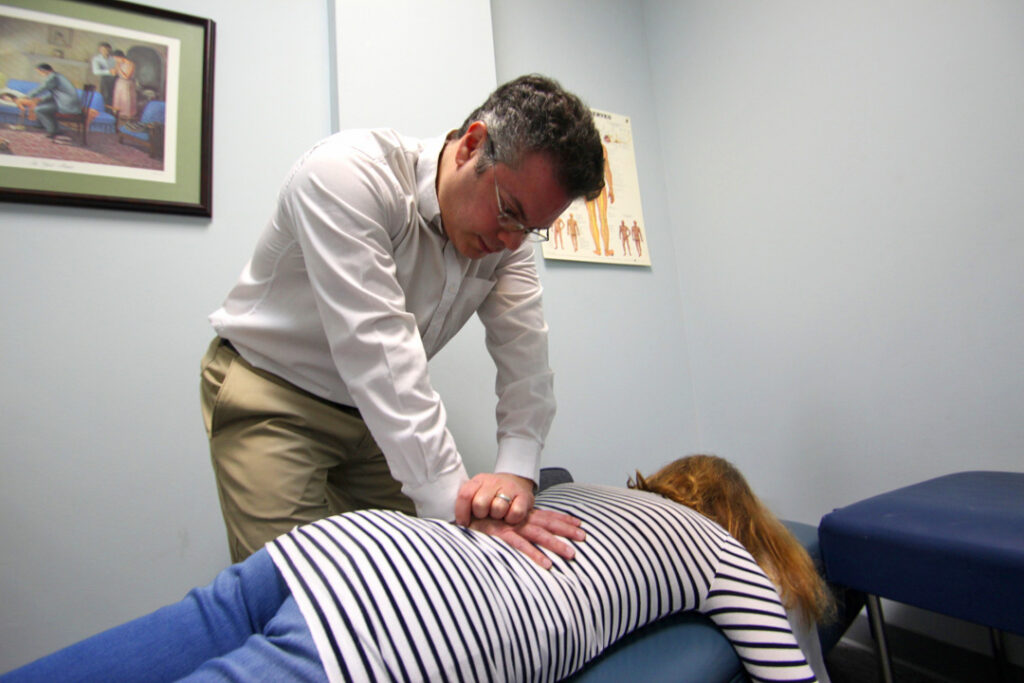
One effective avenue is chiropractic care. My focus as a chiropractor is on spinal alignment, which plays a vital role in overall health. By performing targeted adjustments, I can help relieve tension in your back and improve your mobility. Many of my patients experience significant relief from their discomfort through regular chiropractic sessions, and this care can complement other treatments you may be considering.
In addition to chiropractic adjustments, I frequently recommend physical therapy. Collaborating with a licensed physical therapist can be incredibly beneficial. They'll assess your posture and movement patterns to create a personalized exercise program aimed at strengthening your back muscles and enhancing flexibility. This not only alleviates current pain but also helps prevent future issues.
Massage therapy is another complementary treatment that I often suggest. It can provide immediate relief by easing muscle tension and fostering relaxation. Whether you prefer deep tissue, Swedish, or trigger point massage, a skilled therapist can target the areas that are causing you discomfort, aiding your recovery process.
For those dealing with more severe pain or inflammation, I may discuss the option of medication with your healthcare provider. Over-the-counter pain relievers like ibuprofen or acetaminophen can be effective for mild to moderate discomfort, while prescription medications or muscle relaxants may be necessary for more intense pain.
Lastly, I encourage exploring alternative therapies such as acupuncture or yoga. Both of these methods promote holistic healing and can be advantageous for individuals experiencing upper back discomfort.
Lifestyle Changes for Prevention
As a local chiropractor, I want to share with you some simple yet effective lifestyle changes that can significantly reduce your risk of upper back discomfort.
It's essential to start by evaluating your posture, particularly if you find yourself sitting for long periods at a desk. Ensure your chair provides proper support for your lower back, and keep your feet flat on the ground. Adjust your computer screen so that it's at eye level; this will help you avoid slouching, which can lead to further issues.
Taking regular breaks throughout the day is also crucial. Stand up, stretch, and walk around to keep your muscles active and reduce tension. These small adjustments can make a world of difference in how your back feels.
Incorporating physical activity into your daily routine is another vital step toward maintaining a healthy back. Aim for at least 30 minutes of moderate exercise most days. Activities like walking, swimming, or yoga not only strengthen your back muscles but also enhance flexibility.
Pay special attention to exercises that target your core; a strong core is essential for supporting your spine and alleviating strain on your back.
Your sleeping habits also play a significant role in your back health. Choose a mattress that provides adequate support and encourages proper spinal alignment. When you sleep, try to maintain a neutral position, using pillows to support both your neck and lower back.
Lastly, it's important to be mindful of how you lift heavy objects. Always use your legs to lift, rather than straining your back, and keep the load close to your body.
While these changes may seem minor, they can have a profound impact on your upper back health.
Mindfulness and Stress Relief
As a local chiropractor, I often see patients who are struggling with upper back discomfort, and I want to share how practicing mindfulness can play a significant role in alleviating that pain. Many of us experience stress, and when it accumulates, it can lead to muscle tension, particularly in the upper back. By incorporating mindfulness techniques into your daily life, you can effectively manage stress and promote relaxation, which can enhance the benefits of chiropractic care.
One of the simplest yet most powerful techniques is focused breathing. I encourage you to find a quiet space, sit comfortably, and center your attention on your breath. Inhale deeply through your nose, allowing your abdomen to rise, then exhale slowly through your mouth. Even just a few minutes of this exercise can help calm your mind and relieve tension in your back, complementing the adjustments we make during your visits.
Another technique I recommend is body scanning. Close your eyes and bring awareness to each part of your body, starting from your toes and moving up to your head. Take note of any areas where you feel tightness or discomfort, and consciously relax those muscles. This practice increases your awareness of bodily sensations and helps you identify stress-related tension, which can be very beneficial in conjunction with chiropractic treatments.
You can also integrate mindfulness into your everyday activities. Whether you're walking, eating, or doing household chores, try to focus on the present moment. Pay attention to the sensations, sounds, and smells around you. By anchoring yourself in the now, you can reduce the anxiety and stress that often contribute to upper back pain.
Lastly, I encourage you to consider adding mindfulness meditation to your routine. Just a few minutes each day can significantly improve your overall mental well-being, helping to reduce stress and its physical manifestations.
With consistent practice, you may find not only relief from upper back discomfort but also a pathway to a healthier, more relaxed lifestyle. Remember, chiropractic care and mindfulness together can be a powerful combination for your health!
When to Seek Medical Advice
As a local chiropractor, I want to share some important insights about upper back discomfort and when it's essential to seek medical advice. While mindfulness techniques and chiropractic care can significantly help in managing your pain, there are certain situations where it's crucial to consult a healthcare professional.
If you've been experiencing upper back pain for more than a few weeks or if it worsens despite your efforts to find relief, please don't hesitate to reach out for guidance. Persistent discomfort can sometimes indicate an underlying issue that might need further examination.
It's also important to pay attention to any additional symptoms such as numbness, tingling, or weakness in your arms or legs. These sensations may suggest nerve involvement or other serious conditions that require immediate attention.
If your pain follows an injury or accident, it's vital to get checked out. You might've sustained a fracture or another injury that could worsen if left untreated.
Be mindful of other concerning symptoms as well. If you experience fever, unexplained weight loss, or night sweats alongside your upper back pain, these could be warning signs of infections or malignancies that need prompt evaluation.
Lastly, if your discomfort is interfering with your daily activities—such as work, sleep, or hobbies—it's time to seek help. As a chiropractor, I can provide diagnostic assessments, recommend physical therapy options, and suggest natural treatments to alleviate your pain.
Conclusion
As a local chiropractor, I want to help you understand how to manage upper back discomfort effectively. It often requires a holistic approach that includes at-home remedies, targeted exercises, and thoughtful lifestyle changes. Staying active and maintaining proper posture are essential, as they can significantly alleviate pain and help prevent future issues. Incorporating regular stretching into your routine is also beneficial for maintaining flexibility and reducing tension.
It's important to listen to your body. If you find that your discomfort persists or even worsens, I encourage you to seek professional guidance. Chiropractic care can be a valuable resource in addressing these concerns, as we focus on natural healing methods to promote overall wellness. By taking these steps, you can achieve a healthier, more comfortable back, allowing you to engage in your daily activities with greater ease and enjoyment. Remember, your well-being is our priority!