
If you're seeking effective ways to manage pain without relying on pharmaceuticals, Charlotte offers a variety of natural pain relief options worth considering. From acupuncture that targets specific ailments to herbal remedies with proven anti-inflammatory properties, you might find an approach that resonates with you. Mindfulness practices also play an essential role in enhancing emotional well-being while easing discomfort. As you explore these methods, you'll discover not only their individual benefits but also how they can work together to create a thorough pain management strategy that suits your lifestyle.
Acupuncture Techniques
Acupuncture techniques offer a fascinating approach to natural pain relief, combining ancient wisdom with modern science. You might find it intriguing how this practice, rooted in Traditional Chinese Medicine, focuses on balancing your body's energy, or Qi. By inserting thin needles into specific points on your body, acupuncture aims to stimulate your nervous system and release natural pain-relieving chemicals.
When you visit an acupuncturist, they'll assess your unique situation and tailor the treatment to your needs. You'll likely experience a variety of sensations during your session—some might feel a slight prick, while others may notice a warm or tingling feeling. It's crucial to communicate with your practitioner about how you're feeling throughout the process.
Research suggests that acupuncture can effectively alleviate various types of pain, including headaches, back pain, and joint discomfort. It's a drug-free alternative that many people find beneficial, especially those who prefer to avoid medications or their side effects.
Plus, the relaxing environment of an acupuncture clinic can help ease your mind, making the experience even more rewarding.
After your sessions, you may notice not just a reduction in pain but also improved overall well-being. Many clients report better sleep and reduced stress levels, enhancing their quality of life.
If you're seeking a holistic approach to pain management, consider exploring acupuncture techniques—you might discover a new path to relief that resonates with you.
Herbal Remedies
Exploring natural pain relief can lead you to the world of herbal remedies, which have been used for centuries to manage discomfort and promote healing.
You'll find a variety of herbs that are known for their pain-relieving properties, making them a popular choice for those seeking alternatives to conventional medications.
One of the most well-known herbal remedies is turmeric. This vibrant yellow spice contains curcumin, an active compound that has anti-inflammatory effects. Incorporating turmeric into your diet or taking it as a supplement might help reduce pain and inflammation in conditions like arthritis.
Ginger is another powerful herb you can turn to. It's not just a tasty addition to your meals; it's also recognized for its ability to alleviate muscle pain and soreness. Drinking ginger tea or using ginger in cooking can provide you with these benefits.
Willow bark, often referred to as "nature's aspirin," is another remedy worth considering. It contains salicin, which has pain-relieving properties similar to those found in aspirin. You can find willow bark in teas or supplements, but it's important to consult with a healthcare professional before trying it.
Don't forget about peppermint, either. Its menthol content can help soothe headaches and muscle tension when applied topically or consumed as a tea.
Mindfulness and Meditation
Mindfulness and meditation can greatly reduce your pain by helping you focus on the present moment.
By exploring different techniques, you can find what works best for you and easily integrate these practices into your daily routine.
Let's look at the benefits and some practical methods to get started.
Benefits of Mindfulness
Practicing mindfulness and meditation can transform your approach to pain relief, offering a natural alternative to conventional methods.
By cultivating awareness and presence, you can change how you perceive and respond to pain. Mindfulness encourages you to acknowledge your discomfort without judgment, allowing you to manage it more effectively.
Here are some benefits you might experience from incorporating mindfulness into your pain relief routine:
- Enhanced Pain Tolerance: By focusing on the present moment, you can reduce the intensity of pain sensations.
- Reduced Stress Levels: Mindfulness helps lower stress, which often exacerbates pain, creating a vicious cycle.
- Improved Emotional Regulation: You'll find that being mindful can lead to better control over your emotional responses to pain.
- Greater Overall Well-Being: Regular practice fosters a sense of peace and contentment, contributing to improved mental health.
Meditation Techniques Explained
Building on the benefits of mindfulness, meditation techniques offer practical ways to harness this awareness for pain relief. One effective method is focused breathing. By concentrating on your breath, you can anchor yourself in the present moment, reducing anxiety and tension that often accompany pain.
Start by finding a comfortable position, inhale deeply through your nose, and exhale slowly through your mouth. Repeat this for several minutes.
Another useful technique is body scan meditation. This involves mentally scanning your body from head to toe, noticing areas of discomfort without judgment. As you focus on each part, visualize relaxation washing over it. This can help you develop a deeper connection to your body and its sensations.
Loving-kindness meditation is also beneficial. In this practice, you cultivate feelings of compassion towards yourself and others. Begin by silently repeating phrases like, "May I be happy, may I be healthy." This can foster a sense of inner peace that alleviates emotional pain.
Incorporating these meditation techniques into your routine can empower you to manage pain more effectively, enhancing your overall well-being.
Integrating Practices Daily
To seamlessly incorporate mindfulness and meditation into your daily routine, start by setting aside specific times for these practices. Whether it's in the morning or before bed, consistency is key. You don't need a long time; even a few minutes can make a difference.
Here are some tips to get you started:
- Choose a quiet space: Find a comfortable spot where you won't be disturbed. This helps create a calming environment.
- Use guided sessions: Leverage apps or online videos to guide you through mindfulness or meditation practices, especially if you're new to it.
- Set reminders: Use your phone or calendar to remind you when it's time for your mindfulness practice. This helps you stay committed.
- Practice mindful moments: Integrate mindfulness into daily activities, like eating or walking. Focus on the sensations and experiences in the moment.
Physical Therapy Options
When it comes to managing pain, physical therapy offers several effective options.
You can benefit from manual therapy techniques, exercise rehabilitation programs, and targeted pain management strategies.
These approaches not only help alleviate discomfort but also promote long-term recovery and strength.
Manual Therapy Techniques
Manual therapy techniques can be a game-changer for managing pain and improving mobility. These hands-on methods focus on manipulating soft tissues and joints to relieve discomfort and restore function.
If you're struggling with chronic pain or limited movement, incorporating these techniques into your treatment plan can yield significant benefits.
Here are some common manual therapy techniques you might encounter:
- Massage Therapy: Helps reduce muscle tension and improve circulation.
- Joint Mobilization: Involves gentle movements to enhance joint function and range of motion.
- Myofascial Release: Targets the fascia, relieving tightness and improving tissue flexibility.
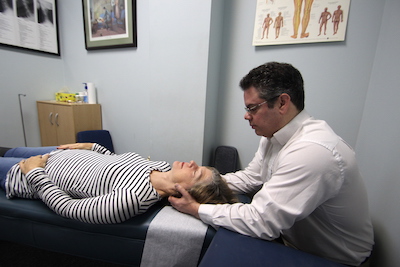
- Craniosacral Therapy: A gentle approach that focuses on the central nervous system, promoting relaxation and healing.
Each technique is tailored to your specific needs, so it's crucial to work with a qualified therapist who can assess your condition.
By incorporating manual therapy into your pain management strategy, you'll likely experience relief and regain your ability to move freely.
Don't hesitate to explore these options in Charlotte for a holistic approach to your wellness journey.
Exercise Rehabilitation Programs
Exercise rehabilitation programs play a vital role in pain management and recovery, as they help you regain strength, flexibility, and function. These programs are tailored to your specific needs, addressing the underlying causes of your pain. By engaging in guided exercises, you'll gradually improve your physical condition while minimizing the risk of injury.
Incorporating a variety of exercises, such as stretching, strengthening, and aerobic activities, allows you to target different muscle groups. Your physical therapist will design a personalized plan, ensuring you progress at a comfortable pace. This individualized approach means you won't feel overwhelmed, and you'll stay motivated as you see improvements.
Regular participation in these programs can enhance your overall well-being, reducing stress and promoting mental health. You'll also learn valuable techniques to manage your pain independently, empowering you to take control of your recovery.
As you commit to your exercise rehabilitation program, you'll likely notice increased mobility, improved posture, and a stronger body. This all-encompassing strategy not only aids in pain relief but also equips you with the tools you need for long-term health and wellness.
Embrace this opportunity to reshape your life and reclaim your active lifestyle!
Pain Management Strategies
Pain management strategies in physical therapy offer a range of effective options to help you alleviate discomfort and regain function.
Whether you're dealing with chronic pain, recovering from an injury, or managing a specific condition, these strategies can make a significant difference in your daily life.
Here are some key approaches you might consider:
- Manual Therapy: Techniques like massage and manipulation can relieve muscle tension and improve circulation, promoting healing.
- Therapeutic Exercises: Tailored exercise programs can strengthen muscles, improve flexibility, and enhance your overall physical condition.
- Modalities: Methods such as heat, cold, ultrasound, or electrical stimulation can provide pain relief and support recovery.
- Education and Ergonomics: Learning about body mechanics and proper posture can help prevent further injury and manage pain effectively.
Massage Therapy Benefits
When you think about ways to relieve discomfort, massage therapy often comes to mind as an effective option. It's not just about relaxation; massage therapy can provide numerous benefits that directly impact your physical and emotional well-being.
One of the most immediate advantages you'll experience is reduced muscle tension. Whether you're dealing with chronic pain or soreness from an intense workout, a skilled massage therapist can target specific areas to release tightness and promote relaxation. This not only alleviates discomfort but also improves your range of motion, making it easier to move freely in your daily life.
Additionally, massage therapy enhances blood circulation. Improved blood flow means that oxygen and nutrients are delivered more efficiently to your tissues, which aids in healing and recovery. You may also find that massage helps lower your stress levels, thanks to the release of endorphins—the body's natural feel-good hormones. This can lead to improved mood, better sleep, and a greater sense of overall well-being.
Another significant benefit is its ability to reduce anxiety and promote mental clarity. Taking time for yourself during a massage session allows you to disconnect from daily stressors, giving your mind a chance to reset.
Incorporating regular massage therapy into your wellness routine can truly be a game-changer. It's a natural way to manage pain, enhance your physical health, and foster emotional balance, making it a valuable option in your pursuit of relief.
Chiropractic Care
After exploring the benefits of massage therapy, it's clear that hands-on techniques can play a significant role in your pain management journey.
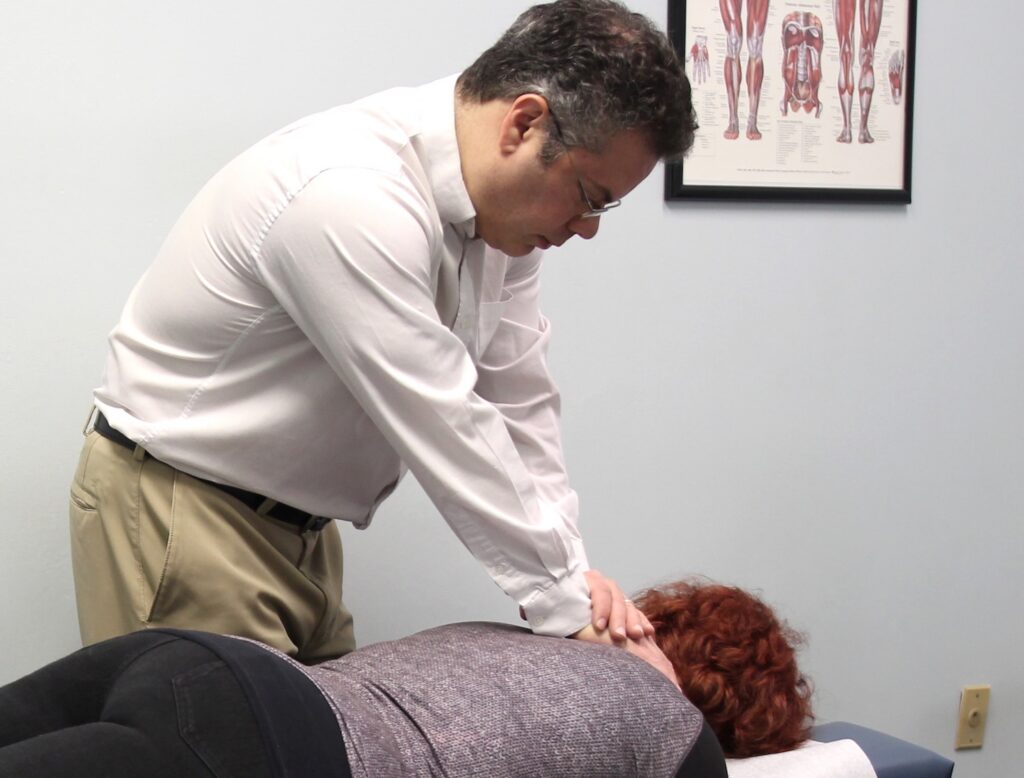
Another effective method you might consider is chiropractic care. This holistic approach focuses on aligning your spine and musculoskeletal system, helping to alleviate pain and improve your overall well-being.
Chiropractors use various techniques to adjust your joints, particularly in the spine, which can lead to immediate pain relief and long-term health benefits. You'll likely find that chiropractic care not only addresses your pain but also enhances your mobility and function.
Here are some key benefits of incorporating chiropractic care into your routine:
- Pain Relief: Targeted adjustments can relieve pain in your back, neck, and other areas.
- Improved Mobility: Regular visits can enhance your range of motion and flexibility.
- Enhanced Posture: Chiropractic adjustments help correct posture, reducing strain on your body.
- Holistic Approach: Chiropractors often provide lifestyle advice, making it easier for you to maintain wellness.
If you're dealing with chronic pain or recovering from an injury, consider visiting a chiropractor. They can create a personalized treatment plan tailored to your specific needs.
By integrating chiropractic care into your pain management journey, you're not just treating symptoms; you're addressing the root cause of your discomfort for lasting relief.
Nutrition for Pain Relief
Nutrition plays an essential role in managing discomfort and promoting overall well-being. The foods you consume can either exacerbate or alleviate pain, so it's vital to make informed choices. Incorporating anti-inflammatory foods into your diet can greatly impact your pain levels.
Think about loading up on fruits and vegetables, especially berries, leafy greens, and cruciferous vegetables like broccoli. These are packed with antioxidants and vitamins that help combat inflammation.
Omega-3 fatty acids are another key player in pain relief. You'll find these beneficial fats in fatty fish like salmon, walnuts, and flaxseeds. Consider adding these to your meals a few times a week.
Whole grains, such as brown rice and quinoa, provide necessary fiber and nutrients, which can also help reduce inflammation.
Don't overlook the importance of hydration, either. Drinking plenty of water supports your body's overall function and can help minimize discomfort. Aim for at least eight glasses daily, or more if you're active.
On the flip side, try to limit processed foods, sugar, and trans fats, as these can increase inflammation and worsen pain. You might want to pay attention to how certain foods make you feel, as some individuals find relief by eliminating dairy or gluten.
Community Support and Resources
Managing pain isn't just about what you eat; having a strong support system can make a significant difference in your journey.
In Charlotte, you'll find various resources and communities ready to help you navigate your pain management process. Connecting with others who understand what you're going through can provide comfort and encouragement, making it easier to cope with daily challenges.
Here are some valuable community support options available to you:
- Local Support Groups: Join groups focused on pain management, where you can share experiences and strategies with others who face similar issues.
- Online Forums: Explore platforms that connect you with people from all over, allowing you to exchange tips and advice from the comfort of your home.
- Wellness Centers: Check out local wellness centers that offer workshops and classes focused on holistic pain relief methods, including yoga and meditation.
- Health Professionals: Reach out to physical therapists, counselors, or nutritionists in Charlotte who specialize in pain management and can provide tailored advice.
Conclusion
Incorporating natural pain relief methods can greatly enhance your well-being in Charlotte. Whether you choose acupuncture, herbal remedies, or mindfulness practices, these holistic approaches offer effective, drug-free options to manage discomfort. Don't forget to explore physical therapy, massage, chiropractic care, and nutrition for additional support. By embracing these techniques, you can take charge of your pain management and improve your overall health. Remember, you're not alone on this journey—community resources are here to help you thrive.