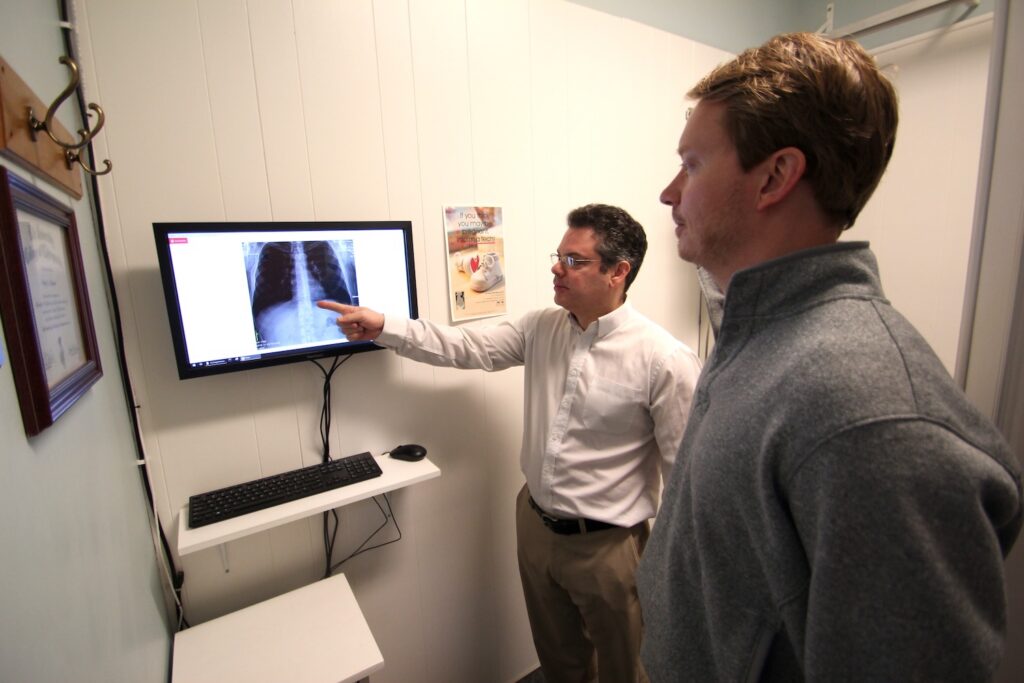

As a local chiropractor, I want to emphasize the importance of approaching your recovery from a neck injury with care and mindfulness. Healing is a journey, and incorporating gentle techniques can significantly enhance your recovery process. Controlled movement and relaxation practices are vital components of this journey.
Simple stretches and mindful breathing exercises can not only promote physical healing, but they can also help rebuild your confidence as you regain mobility. It's essential to understand how to use these methods effectively; they can truly make a difference in your overall well-being.
To get started, consider integrating gentle neck stretches into your daily routine, allowing your body to ease into movement. Pair this with deep, focused breathing to help manage any tension or discomfort. These small yet impactful practices can pave the way for a smoother recovery.
If you're curious about how to implement these techniques or have questions about chiropractic care, I'm here to guide you on your path to healing. Together, we can explore the best strategies tailored for your individual needs.
Understanding Neck Injuries
As a local chiropractor, I want to help you understand neck injuries and how they can affect your daily life. These injuries can lead to significant discomfort, including pain, stiffness, and limited mobility, making even the simplest tasks feel daunting. By recognizing the different types of neck injuries, you can better identify your symptoms and seek the appropriate care.
Common neck injuries include strains, sprains, and whiplash. Strains happen when muscles or tendons are overstretched, while sprains involve the ligaments. Whiplash, often a result of car accidents, occurs when the neck is abruptly jerked, leading to soft tissue damage. Understanding these conditions is vital for effective treatment.
You may also encounter degenerative conditions, such as cervical spondylosis, which is a result of aging and causes wear and tear on the cervical spine. This can lead to pain and decreased neck flexibility.
Another common issue is a herniated disc, where the cushioning between vertebrae slips out of place and can press on nearby nerves, causing radiating pain.
It's essential to be aware of the symptoms associated with neck injuries. You might experience sharp pain, dull aches, or headaches originating from your neck. Additionally, numbness or tingling in your arms can indicate nerve involvement.
If you're experiencing any of these symptoms, seeking help from a chiropractor can be a great first step.
Understanding neck injuries empowers you to take proactive measures in your recovery. By recognizing your condition and its impact on your life, you can navigate your healing journey more effectively and return to the activities you enjoy.
Chiropractic care focuses on natural healing, helping restore proper alignment and function to your neck, ultimately promoting overall well-being. If you have any concerns or questions, don't hesitate to reach out—I'm here to help!
Importance of Gentle Movement
As a local chiropractor, I want to emphasize the importance of gentle movement in your recovery from a neck injury.
Engaging in controlled mobility is crucial; it not only enhances blood circulation but also promotes healing in the affected areas. Staying active, even through small, gentle movements, is vital for preventing stiffness and supporting your overall recovery process.
Benefits of Controlled Mobility
As a local chiropractor, I want to emphasize the importance of movement in your recovery process, particularly after experiencing a neck injury. Engaging in controlled mobility is a key aspect of healing, as it allows your body to gradually regain strength and flexibility without putting undue stress on your healing tissues.
Gentle movements are crucial in maintaining your range of motion, preventing stiffness, and promoting better function as you recover. Incorporating controlled mobility into your daily routine can significantly reduce muscle tension and alleviate discomfort.
It's vital to listen to your body and recognize your limits; pushing yourself too hard can result in setbacks. Instead, I encourage you to focus on small, deliberate movements that feel comfortable. This approach not only helps you to build confidence in your neck's stability but also enhances your overall mobility.
Additionally, practicing controlled movements fosters better posture, which plays a significant role in supporting your recovery. As you regain mobility, you'll likely notice that everyday tasks become easier and less painful, allowing you to return to your normal activities with greater ease.
Moreover, don't underestimate the positive impact of controlled mobility on your mental well-being. Engaging in gentle movement can elevate your mood and empower you to feel more in control of your healing journey.
Enhancing Blood Circulation
As a local chiropractor, I want to share how enhancing blood circulation can play a significant role in your recovery from a neck injury. Improved blood flow is essential for the healing process. When you engage in gentle movements, you promote circulation, which helps deliver vital nutrients and oxygen to the injured tissues. This increased blood flow not only aids in reducing inflammation but also supports a faster recovery.
I recommend incorporating gentle movements, such as stretching or light neck rotations, into your routine. These activities stimulate your blood vessels, enhancing their efficiency. As you perform these movements, you're also helping to eliminate toxins that may accumulate in the affected areas.
It's important to remember that you don't have to exert yourself too much; even small, subtle movements can lead to significant benefits.
In addition to physical healing, these gentle exercises can positively affect your mood. As you begin to notice improvements in your neck mobility, you'll likely feel more motivated and optimistic about your recovery journey.
Always pay attention to what your body is telling you, and steer clear of any movements that result in pain. Start slowly, concentrating on maintaining a comfortable range of motion.
As your neck gains strength, you can gradually increase the intensity of your movements. Keep in mind that every gentle motion contributes to your healing process, so embrace this journey and give your body the care it truly deserves.
Effective Stretching Techniques
As a local chiropractor, I want to emphasize how effective stretching techniques can play a vital role in your recovery from a neck injury. Gentle stretching not only helps to relieve tension but also improves flexibility and enhances blood flow to the affected area, which is essential for healing.
Let's begin with neck tilts. Find a comfortable sitting or standing position, ensuring your back is straight. Gently tilt your head to one side, bringing your ear toward your shoulder. Hold this position for about 15-30 seconds, and be sure to feel the stretch along the opposite side of your neck. After that, switch sides and repeat. This simple exercise can help ease tension in your neck.
Next, consider incorporating neck rotations into your routine. Slowly turn your head to one side, as far as feels comfortable, then return to the center before rotating to the other side. Maintain each position for around 15 seconds. This movement is excellent for maintaining mobility and reducing stiffness, which is crucial for recovery.
Another beneficial stretch is the chin tuck. While sitting up straight, gently tuck your chin toward your chest, creating a slight double chin. Hold this position for about 5 seconds before releasing. This stretch targets the muscles at the back of your neck and promotes proper spinal alignment.
Lastly, don't forget about shoulder shrugs. Raise your shoulders toward your ears, hold for a few seconds, then relax them back down. Repeat this motion 10 times. This exercise can significantly relieve tension in both your upper back and neck.
Always pay attention to your body while performing these stretches. If you experience any pain, please stop immediately and reach out to your healthcare provider for guidance.
Relaxation and Breathing Exercises
As a local chiropractor, I want to emphasize the vital role that relaxation and breathing exercises can play in your recovery journey. These techniques aren't just beneficial for reducing tension in your neck and shoulders; they can significantly support your overall healing process. By focusing on your breath, you can lower your stress levels, which is crucial when navigating pain or discomfort.
To get started, find a comfortable position, whether you're seated or lying down. Close your eyes and take a deep breath in through your nose, allowing your abdomen to expand fully. Hold that breath for a moment before gently exhaling through your mouth. Strive for a slow, controlled rhythm, gradually increasing the duration of both your inhales and exhales. This practice not only helps you feel more grounded but also alleviates muscle tightness.
Another effective technique is progressive muscle relaxation. This involves tensing and relaxing each muscle group, beginning from your toes and gradually moving up to your neck. As you concentrate on each area, pair your focus with deep breaths, allowing tension to melt away with each exhale. This approach promotes an awareness of your body's sensations, enabling you to identify areas of discomfort and foster relaxation.
Additionally, consider integrating gentle stretches while you breathe deeply. For instance, as you inhale, lift your shoulders toward your ears; as you exhale, roll them back and down. This simple movement can help relieve stiffness and enhance your range of motion.
Always listen to your body, and remember not to overexert yourself. Making these relaxation and breathing exercises a consistent part of your routine can significantly support your recovery from a neck injury and improve your overall well-being.
Mindfulness Practices for Recovery
As a local chiropractor, I want to share how mindfulness practices can significantly support your recovery from a neck injury.
Integrating techniques such as breathing exercises, guided visualization, and body awareness can enhance your healing journey. These practices not only foster relaxation but also help you attune to your body and its specific needs during recovery.
It's essential to understand that chiropractic care, combined with these natural healing methods, can promote a more holistic approach to your wellness.
Breathing Exercises Benefits
As a local chiropractor, I want to share with you the incredible benefits of incorporating breathing exercises into your recovery from neck injuries. Many people mightn't realize how powerful these techniques can be for both relaxation and physical healing.
By focusing on your breath, you can significantly enhance your overall well-being. Allow me to highlight four key advantages of adding breathing exercises to your recovery plan:
- Reduces Muscle Tension: Engaging in deep and mindful breathing can help alleviate tightness in your neck and shoulder muscles, ultimately providing relief from discomfort that often accompanies injuries.
- Enhances Blood Flow: Controlled breathing promotes better oxygenation, which is crucial for circulation. Improved blood flow can facilitate the healing of damaged tissues, helping you recover more effectively.
- Promotes Relaxation: By practicing breathing exercises, you activate your parasympathetic nervous system. This process can help reduce stress and anxiety levels, both of which can impede your recovery process.
- Improves Mind-Body Connection: Focusing on your breath encourages mindfulness, allowing you to tune into your body's signals and needs more effectively. This awareness is essential during the healing journey.
Integrating breathing exercises with chiropractic care can create a holistic approach to your healing, supporting both your physical and mental well-being.
Guided Visualization Techniques
As a local chiropractor, I want to introduce you to the powerful practice of guided visualization techniques, which can significantly enhance your recovery from neck injuries. This method utilizes your imagination to create mental images that foster relaxation and healing, ultimately supporting your recovery journey.
To begin, find a quiet and comfortable space where you can be undisturbed. Close your eyes and take a few deep breaths to help center your mind and body. Now, envision a serene setting that brings you peace—this could be a tranquil forest or a beautiful beach. Picture yourself in this calming environment, feeling safe and completely relaxed.
Once you have settled into this peaceful visualization, shift your focus to your neck. Imagine a warm, healing light enveloping the injured area, gently easing tension and alleviating pain. As you continue to breathe deeply, visualize this light penetrating deeply into your neck, restoring mobility and comfort.
Incorporating positive affirmations can further enhance this practice. Repeat phrases such as "My neck is healing" or "I am restoring my strength" as you visualize. This reinforces a positive mindset and can be a powerful complement to your chiropractic treatment.
Body Awareness Practices
As a local chiropractor, I want to emphasize the importance of cultivating body awareness in your recovery from neck injuries. Being in tune with your body allows you to recognize tension, discomfort, and specific areas that require attention. This mindfulness practice not only aids in healing but also helps you develop a profound connection to your physical self.
Here are four effective body awareness practices that I recommend incorporating into your daily routine for better health and recovery:
- Breath Awareness: Begin by focusing on your breath. Observe its natural rhythm and how it feels in your chest and abdomen. Allow your breath to guide you into a state of relaxation, which can be beneficial for your healing process.
- Gentle Stretching: Engage in slow, mindful stretching of your neck and upper body. Pay close attention to how each movement feels, and make adjustments as needed to prevent any strain. This gentle approach can help alleviate discomfort and promote flexibility.
- Body Scanning: Lie down in a comfortable position and mentally scan your body from head to toe. Take note of areas of tension, and consciously work to relax those muscles. This practice can enhance your awareness of how your body feels and contributes to overall well-being.
- Mindful Movement: Consider incorporating activities such as yoga or tai chi into your routine. These gentle movements encourage you to stay present and enhance your awareness of your body's movements and sensations, which can be particularly beneficial during your recovery.
By integrating these practices into your daily life, you're not only supporting your healing journey but also empowering yourself to take an active role in your health and wellness.
If you have any questions or need further guidance, don't hesitate to reach out!
When to Seek Professional Help
As a local chiropractor dedicated to your health and well-being, I want to emphasize the importance of recognizing when it's time to seek professional help for a neck injury. If you're dealing with persistent pain that doesn't seem to improve despite trying home care methods, it's crucial to consult a healthcare professional like me. Ignoring ongoing discomfort can lead to chronic issues that could affect your quality of life, so don't hesitate to reach out for assistance.
One key sign that you should seek help is if you start to notice tingling or numbness in your arms or hands. These sensations can indicate nerve involvement, which may require immediate attention. It's essential to address these symptoms promptly, as they could signal a more serious condition.
Similarly, if your neck pain arises after experiencing a significant impact or fall, it's vital to get evaluated to rule out fractures or other severe injuries.
Another important indicator that it's time to visit a chiropractor is if you experience headaches or dizziness along with your neck pain. These symptoms can suggest complications that need careful assessment. If you find it challenging to perform everyday activities, such as turning your head or lifting objects due to pain, professional intervention can help restore your mobility and strength.
Finally, if your neck injury is accompanied by fever or unexplained weight loss, don't wait to consult a doctor. These symptoms could indicate an infection or other underlying health issues that need immediate care.
Conclusion
As a local chiropractor, I want to share how incorporating gentle techniques into your recovery from a neck injury can truly transform your healing experience. Many individuals may not be familiar with how chiropractic care and natural healing can aid in recovery, so let's explore this together.
By focusing on controlled movements, effective stretching, and relaxation exercises, you can facilitate not only your physical healing but also cultivate a positive mindset. It's essential to listen to your body during this process and make adjustments as necessary. If you find that your symptoms are not improving, I encourage you to seek professional guidance, as it can provide you with tailored strategies for recovery.
Regaining confidence in your neck stability is crucial for overall well-being, and chiropractic care can play a significant role in that journey. Together, we can work towards restoring your health and enhancing your quality of life.