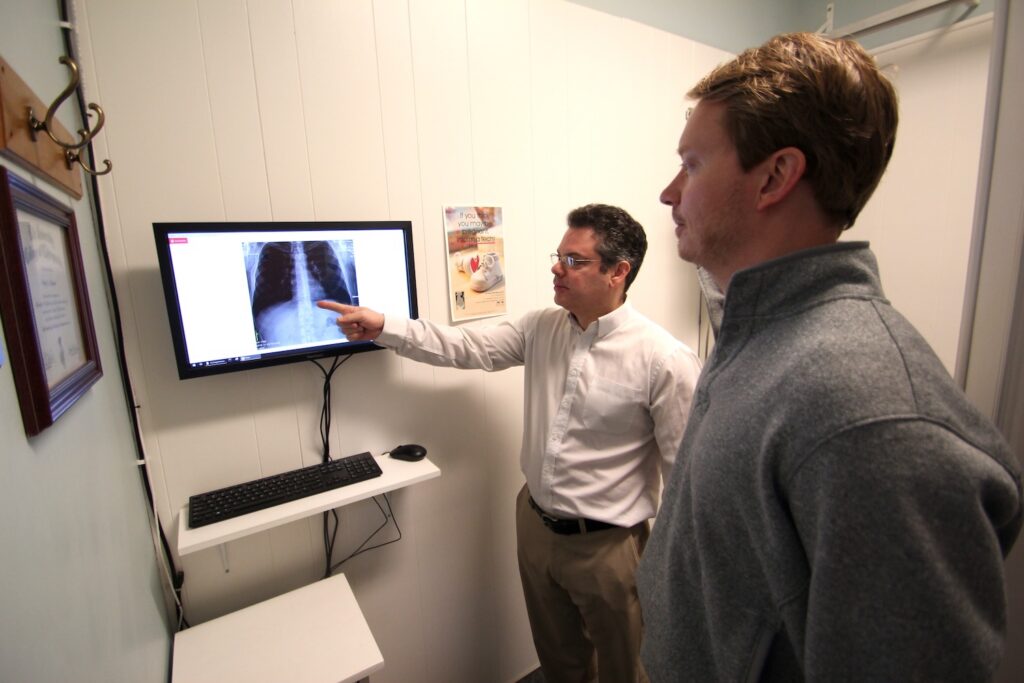

Improving your posture is vital for your overall health and well-being, and as a chiropractor, I want to emphasize just how much your daily habits can affect your spinal alignment. Many people don’t realize that poor posture can lead to discomfort and pain, but with the right approach, you can make significant improvements.
Incorporating specific exercises into your routine can help strengthen your core and upper back, while also enhancing flexibility—both of which are crucial for maintaining good posture. These adjustments can lead to long-term benefits for your spine and overall health.
Here are some effective strategies that can transform how you hold yourself throughout the day:
- Core Strengthening Exercises: Engage in exercises like planks and bridges. A strong core supports your spine and helps you maintain an upright posture.
- Upper Back Strengthening: Focus on rows and shoulder blade squeezes. These exercises strengthen the muscles that keep your shoulders back and your spine aligned.
- Stretching: Incorporate stretches for your chest and shoulders to counteract the effects of sitting and hunching over screens.
- Mind Your Sitting Posture: When sitting, keep your feet flat on the ground, your back straight, and use a chair that supports your lower back.
- Regular Chiropractic Adjustments: Visiting a chiropractor can help align your spine and improve your posture. We can provide personalized care that addresses your unique needs and guide you in maintaining proper alignment.
Remember, small changes in your daily routine can lead to significant improvements in your posture and overall health. By focusing on these simple tips and considering chiropractic care as a natural and effective solution, you can achieve optimal wellness without the need for surgeries or medications. Take charge of your health today, and let’s work together towards a pain-free, healthier life!
Key Takeaways
To enhance your posture effectively and support your spinal health, consider integrating the following exercises into your daily routine. As a chiropractor, I emphasize the importance of natural methods for achieving optimal wellness without the need for medications or surgeries.
- Planks and bridges are excellent exercises that strengthen your core and lower back muscles. These muscles play a crucial role in maintaining proper posture and spinal alignment, helping you stand tall and feel more comfortable throughout the day.
- The Bird-Dog exercise is fantastic for improving balance while engaging your core. This is essential for keeping your body upright and reducing the risk of slouching, which can lead to discomfort and pain.
- Don’t forget to perform shoulder shrugs and chest openers regularly. These simple movements can relieve tension in your upper body and promote better shoulder alignment, which is vital for maintaining a healthy posture.
- Adding Cat-Cow stretches to your routine can greatly increase spinal flexibility. This flexibility supports overall posture and can help alleviate discomfort that often arises from prolonged sitting or poor alignment.
- Lastly, I encourage you to schedule short breaks for dynamic stretches throughout your day. Taking a moment to stretch can prevent slouching and reinforce proper alignment, making a significant difference in how you feel.
Incorporating these exercises into your daily life not only supports your posture but also enhances your overall well-being. Remember, chiropractic care is an excellent way to further support your journey toward natural healing and optimal health. If you’re experiencing pain or discomfort, I encourage you to consider chiropractic adjustments as a safe and effective way to relieve pain and promote wellness.
Understanding the Importance of Good Posture
Good posture goes beyond just standing tall; it plays a crucial role in your overall health and wellness. When you maintain good posture, you’re aligning your spine and body correctly, which helps prevent unnecessary strain on your muscles and joints. This alignment not only promotes better physical health but can also lead to improved energy levels, allowing you to stay focused and productive throughout your day.
As a chiropractor, I can tell you that good posture is also linked to increased confidence. When you sit or stand with a straight back, you convey a more positive image, not just to others but also to yourself. This simple adjustment can make you feel more self-assured and capable in your daily activities.
Proper spinal alignment is vital for your respiratory system as well. When your spine is in the right position, it allows for better lung expansion, making it easier to breathe deeply. This can have a calming effect on your mind and body, helping to reduce stress and anxiety.
To help you maintain good posture and support your spinal health, here are some practical tips:
- Sit Smart: When sitting, keep your feet flat on the floor, and ensure your back is supported by your chair. Your knees should be at a right angle.
- Stand Tall: When standing, distribute your weight evenly on both feet, and keep your shoulders back and relaxed.
- Take Breaks: If you sit for long periods, take regular breaks to stretch and walk around. This helps keep your muscles active and prevents stiffness.
- Strengthen Your Core: Engage in exercises that strengthen your core muscles. A strong core supports your spine and helps you maintain good posture.
- Visit Your Chiropractor: Regular chiropractic adjustments can help keep your spine aligned and your posture in check. We focus on natural healing and wellness, ensuring your body functions at its best without the need for medications or invasive procedures.
Embracing good posture is a fundamental step towards achieving optimal health. Together, we can work on your posture and overall well-being through chiropractic care tailored to your needs.
Core Strengthening Exercises
Strengthening your core is essential for maintaining good posture and supporting your spine’s health. A strong core not only helps you sit and stand taller but also plays a crucial role in alleviating discomfort and preventing pain.
As a chiropractor, I believe that core strengthening exercises are a natural and effective way to enhance your overall wellness. Here are three simple yet effective core-strengthening exercises that you can easily add to your routine:
- Planks: Begin by holding a plank position, engaging your core muscles and ensuring your body forms a straight line from head to heels. Start with holding for 30 seconds, and as your strength improves, gradually increase your hold time. This exercise provides stability to your spine and can help ease lower back pain.
- Bird-Dog: Get on all fours, and then extend one arm forward while simultaneously extending the opposite leg back. Hold this position for a few seconds before switching sides. This exercise not only strengthens your core but also enhances your balance and coordination, which are vital for maintaining good posture.
- Dead Bug: Lie on your back with your arms and legs raised towards the ceiling. Slowly lower one arm and the opposite leg toward the ground, ensuring your lower back stays pressed against the floor. Return to the starting position and repeat on the other side. This exercise helps stabilize your core while promoting spinal alignment.
Incorporating these exercises into your weekly routine can significantly improve your posture and core strength, ultimately contributing to a healthier spine.
Remember, maintaining a strong core is just one aspect of a holistic approach to wellness. Regular chiropractic care can also enhance your core stability, help relieve pain, and support your journey toward optimal health.
Always listen to your body and consult with your chiropractor to create a personalized plan that suits your needs.
Upper Back and Shoulder Stretches
Upper back and shoulder stretches play a crucial role in maintaining good posture and supporting overall spinal health. As a chiropractor, I often see how tightness in these areas can lead to discomfort and misalignment, which is why focusing on them is so important.
By incorporating specific stretches into your daily routine, you can enhance your flexibility, alleviate tension, and promote a more balanced posture.
Let’s explore some effective stretches that can positively impact your body and contribute to your overall wellness. Remember, these stretches complement chiropractic care, which is the best choice for achieving optimal health and pain relief naturally.
- Shoulder Shrugs: Simply lift your shoulders towards your ears and then relax them down. Repeat this 10 times. This stretch helps relieve tension in your upper back and shoulders.
- Chest Opener Stretch: Stand tall, clasp your hands behind your back, and gently pull your shoulders back and down. Hold for 15-30 seconds. This stretch counteracts the slouching posture that can develop from prolonged sitting.
- Neck Stretch: Gently tilt your head to the right, bringing your ear towards your shoulder. Hold for 15-30 seconds and switch sides. This helps release tension in the neck, which often affects the shoulders and upper back.
- Cat-Cow Stretch: Start on your hands and knees. Inhale as you arch your back (cow), and exhale as you round your back (cat). Repeat this for 5-10 breaths. This dynamic stretch helps improve spinal flexibility.
- Thoracic Spine Rotation: Sit or stand tall and twist your upper body to one side, holding for 15-30 seconds. This stretch helps improve mobility in the upper back.
Incorporating these stretches into your routine is a simple yet effective way to support your spine and enhance your overall well-being.
Additionally, regular visits to your chiropractor can help ensure that your spine remains aligned, allowing you to experience the full benefits of these stretches.
Importance of Upper Back
Maintaining a healthy upper back is crucial for your overall posture and well-being. A strong and flexible upper back supports your neck and shoulders, helping to reduce strain and discomfort. When this area is neglected, it can lead to poor posture, which may result in pain and fatigue.
As a chiropractor, I want to emphasize the importance of focusing on your upper back for optimal health. Here are some key benefits:
- Improved Posture: Strengthening your upper back can help align your spine, encouraging you to maintain a more upright position throughout your daily activities. This can make a big difference in how you feel overall.
- Reduced Tension: Regular stretching and strengthening of the upper back can relieve tightness in your shoulders and neck, which are common areas of discomfort when we spend long hours sitting or hunched over.
- Enhanced Performance: A strong upper back not only contributes to better posture but also improves your movement during daily tasks and sports activities. This can help you feel more energetic and capable.
Incorporating upper back exercises into your routine is a great way to support your health. Here are a few simple tips you can try at home:
- Gentle Stretches: Incorporate simple stretches such as shoulder rolls and thoracic extensions to keep your upper back flexible.
- Strengthening Exercises: Consider exercises like wall angels or rows using resistance bands to build strength in your upper back.
- Mind Your Posture: Pay attention to your posture throughout the day. Try to keep your shoulders back and your spine aligned, especially when sitting at a desk.
- Regular Chiropractic Care: Visiting your chiropractor regularly can help keep your spine aligned and your upper back functioning optimally, ensuring that you stay pain-free and active.
By prioritizing your upper back health, you’re taking a significant step toward overall wellness.
Effective Shoulder Stretches
Taking care of your upper back naturally leads to a focus on your shoulders, which are crucial for maintaining good posture and overall functionality. Regular chiropractic care can significantly enhance your shoulder health by addressing misalignments and improving overall alignment. In addition to professional treatment, incorporating effective shoulder stretches into your daily routine can help release tension, improve flexibility, and support your body’s natural healing processes. Here are some simple stretches you can try at home:
| Stretch Name | Description |
|---|---|
| Cross-Body Stretch | Bring one arm across your chest, using the opposite arm to pull it closer. Hold this position for 15-30 seconds to feel a gentle stretch across your shoulder. |
| Shoulder Shrugs | Raise your shoulders toward your ears, hold for a few seconds, then release. This simple motion can be repeated 10 times to relieve tension. |
| Doorway Stretch | Stand in a doorway, place your arms on the frame, and lean forward gently. Hold for 15-30 seconds to open up your chest and shoulders. |
| Neck Stretch | Tilt your head to one side, and gently pull with the opposite hand to deepen the stretch. Hold for 15-30 seconds to relieve tightness in your neck and shoulders. |
Incorporating these stretches regularly can enhance your shoulder health and posture, complementing the benefits of chiropractic care. Remember, a well-aligned spine and healthy shoulders contribute significantly to your overall well-being. If you’re experiencing discomfort or limited range of motion, consider visiting a chiropractor who can provide personalized guidance and treatment to help you achieve optimal health naturally.
Chest Openers for Better Alignment
Chest openers are an excellent way to improve your posture and promote better alignment in your spine. As a chiropractor, I often see how tightness in the chest and shoulders can lead to discomfort and misalignment in the spine. By incorporating effective stretching techniques into your daily routine, you can release tension and unlock numerous benefits for your body.
Here are a few simple chest opener exercises that can make a significant difference in your posture:
- Doorway Stretch: Stand in a doorway with your arms bent at 90 degrees and your forearms resting against the doorframe. Step forward gently until you feel a stretch across your chest. Hold for 15-30 seconds and repeat a few times. This stretch helps open up the chest and counteracts the slouching common in our daily lives.
- Seated Cat-Cow Stretch: Sit comfortably in a chair with your feet flat on the ground. As you inhale, arch your back and lift your chest up (like a cow). As you exhale, round your back and tuck your chin to your chest (like a cat). Repeat this movement for several breaths to help improve flexibility and spinal alignment.
- Arm Circles: Stand with your arms extended out to your sides, parallel to the ground. Make small circles with your arms, gradually increasing the size of the circles. This exercise not only opens up the chest but also improves shoulder mobility.
Remember, these stretches can be a great complement to regular chiropractic care, which focuses on aligning the spine and enhancing your overall health naturally.
By freeing up tight areas in the chest and shoulders, you can help maintain a more upright posture and reduce discomfort.
Incorporating these chest openers into your daily routine, along with regular visits to your chiropractor, can lead to lasting improvements in your posture and overall well-being.
Prioritizing your spinal health is key to achieving optimal health, so consider scheduling an appointment to discuss how chiropractic care can support your journey to a healthier lifestyle.
Benefits of Chest Openers
As a local chiropractor, I want to share how beneficial chest openers can be for your overall health and wellness, especially when it comes to improving your alignment. Practicing these targeted exercises can enhance your posture, promote natural healing, and contribute to a healthier lifestyle.
Here are some advantages you may notice when you incorporate chest openers into your routine:
- Increased Flexibility: Chest openers work to stretch tight muscles in your chest and shoulders, allowing for a greater range of motion in your upper body. This can help you move more freely throughout your day.
- Enhanced Breathing: By opening your chest, you encourage deeper and more efficient breathing. This not only helps reduce stress but also boosts your energy levels, making you feel more vibrant and alive.
- Reduced Shoulder Tension: These exercises are effective at alleviating tightness in the shoulders, which is especially important if you spend long hours sitting or have poor posture. Reducing shoulder tension can lead to a significant decrease in discomfort and increase your overall well-being.
Incorporating chest openers into your daily routine can greatly improve how you carry yourself, leading to more confidence and better alignment.
Effective Stretching Techniques
Incorporating effective stretching techniques into your daily routine can significantly enhance your alignment and overall posture, ultimately supporting your spinal health.
As a chiropractor, I believe that maintaining a healthy spine is key to achieving optimal wellness, and simple stretches can play a vital role in this process.
One stretch I highly recommend is the doorway stretch. To perform this, stand in a doorway, place your forearms on the door frame, and gently lean forward. This stretch helps open up your chest and shoulders, counteracting the slouching that can occur from prolonged sitting or poor posture.
Another beneficial stretch is the seated spinal twist. Sit with one leg extended and the other bent, then twist your torso towards the bent knee. This maneuver not only stretches your spine but also promotes flexibility and helps alleviate tension.
Additionally, consider trying the lying chest stretch. Lie on your back with your arms extended out to the sides, allowing gravity to gently pull your shoulders down. This stretch can help release tightness in your chest and encourage better posture.
Regular practice of these stretches not only improves your posture but also supports spinal alignment, which is essential for overall health.
Incorporating Into Daily Routine
To improve your posture throughout the day, incorporating chest openers into your routine can be incredibly beneficial. These simple stretches not only promote better alignment but also help you feel more relaxed and at ease.
Here are some practical ways to seamlessly weave these stretches into your daily life:
- Morning Stretch: Begin your day with a few minutes of chest openers before breakfast. This practice can set a positive tone for your posture and prepare your body for the day ahead.
- Work Breaks: If you find yourself sitting for long periods, take short breaks to perform chest openers. This can counteract the negative effects of prolonged sitting and help maintain your spinal health, enhancing overall comfort.
- Evening Wind Down: At the end of your day, incorporating chest openers into your evening routine can relieve the tension that has built up throughout the day. This simple act can help you unwind and prepare for a restful night, supporting your body’s natural healing processes.
Remember, chiropractic care is an excellent resource for achieving optimal health and addressing any discomfort you may experience.
Regular adjustments can complement your efforts with these stretches, ensuring that your spine remains healthy and aligned. By making these small changes, you can take significant steps toward a more balanced, pain-free life.
Hip Flexor and Quadriceps Stretches
As a local chiropractor, I want to emphasize the crucial role that hip flexor and quadriceps stretches play in maintaining a healthy spine and overall wellness. Many people overlook these stretches, but they’re essential for good posture, reducing discomfort, and preventing imbalances that can impact your alignment.
To effectively stretch your hip flexors, begin by kneeling on one knee with the opposite foot in front, forming a 90-degree angle. Gently push your hips forward while keeping your back straight. This position helps to release tension in the hip area, which is vital for spinal health. Hold this stretch for 20-30 seconds before switching legs.
For your quadriceps, stand tall and grab your ankle behind you, pulling it towards your glutes. Make sure to keep your knees close together and gently push your hips forward. This stretch not only helps with flexibility but also supports proper alignment within your spine. Hold this position for 20-30 seconds before switching sides.
Incorporating these stretches into your regular routine can significantly improve your flexibility, reduce muscle tension, and enhance your posture, all of which contribute to a healthier spine. Aim to perform these stretches several times a week for optimal benefits, and you’ll likely notice a positive difference in your daily activities.
Remember, chiropractic care is an excellent complement to these stretches. Regular visits to your chiropractor can help maintain your spinal health, alleviate pain, and promote natural healing.
Together, stretching and chiropractic adjustments provide a powerful approach to achieving and maintaining your overall health and wellness.
Exercises to Strengthen the Lower Back
Strengthening your lower back is crucial for maintaining good posture and preventing discomfort, and incorporating specific exercises into your routine can significantly enhance your overall spinal health.
As a chiropractor, I believe that these natural, non-invasive exercises can complement your chiropractic care and help you achieve optimal wellness. Here are three effective exercises that target your lower back muscles:
- Bird-Dog: Begin on all fours with your hands under your shoulders and knees under your hips. Extend one arm forward while simultaneously extending the opposite leg back. Hold this position for a few seconds to engage your core and lower back, then switch sides. This exercise not only improves balance but also strengthens your lower back, which is essential for a healthy spine.
- Superman: Lie face down on a comfortable surface with your arms extended in front of you and your legs straight. Gently lift both your arms and legs off the ground at the same time, engaging your lower back muscles. Hold this position for a few seconds before slowly lowering back down. This move helps build endurance in your lower back, supporting your spine throughout daily activities.
- Bridges: Lie on your back with your knees bent and feet flat on the floor. Press through your heels to lift your hips toward the ceiling, squeezing your glutes and engaging your lower back. Hold this position for a brief moment before lowering back down. This exercise not only strengthens your lower back but also targets your glute muscles, which play a key role in supporting your spine.
Incorporating these exercises into your daily routine can help improve your posture and reduce pain.
Remember that regular chiropractic adjustments can further enhance the benefits of these exercises by ensuring your spine is aligned and functioning optimally.
Always listen to your body, and if you experience any discomfort, consult with your chiropractor for personalized advice.
Incorporating Balance and Stability Training
To improve your posture, focusing on core strength is essential, and chiropractic care can guide you on this journey to a healthier spine.
One effective way to enhance your stability and overall body alignment is by incorporating stability ball exercises and balance board techniques into your routine. These tools not only promote better posture but also support your spinal health.
As a chiropractor, I recommend engaging in exercises that activate your core muscles, as a strong core is crucial for maintaining proper posture. Stability balls can help you practice balance and engage multiple muscle groups simultaneously, while balance boards challenge your stability, improving coordination and strength.
Here are some simple tips to get started:
- Incorporate Stability Ball Exercises: Try sitting on a stability ball instead of a chair for short periods. This helps engage your core and encourages better spinal alignment.
- Balance Board Practice: Spend a few minutes each day standing on a balance board. This can improve your balance and strengthen the muscles that support your spine.
- Mind Your Posture: Throughout your day, whether sitting or standing, make a conscious effort to align your shoulders over your hips and keep your head aligned with your spine.
- Regular Chiropractic Visits: Regular adjustments from a chiropractor can help ensure your spine is aligned, supporting your body’s natural ability to maintain good posture and overall health.
Importance of Core Strength
Core strength is vital for maintaining good posture, as it helps stabilize your spine and supports overall balance. When your core muscles are strong, you’re less likely to slouch or feel discomfort while sitting or standing.
As a chiropractor, I emphasize the importance of a strong core, not only for posture but also for your overall health and wellness. By incorporating balance and stability training into your routine, you can significantly enhance your core strength and promote a healthier spine.
Here are some key benefits of focusing on core strength and how chiropractic care can support you:
- Improved Stability: A strong core is essential for maintaining balance during various activities, which can help reduce the risk of falls. Chiropractic adjustments can enhance your body’s alignment, further supporting your stability and strength.
- Enhanced Performance: Core stability allows for better movement efficiency in both exercise and daily tasks. By addressing any spinal misalignments through chiropractic care, you can optimize your body’s performance and functionality.
- Reduced Injury Risk: Strengthening your core protects your back and other joints from strain and injury. Regular chiropractic adjustments can help ensure your spine is in proper alignment, minimizing the risk of injury while you work on building core strength.
Tips for Building Core Strength:
- Incorporate Core Exercises: Simple exercises like planks, bridges, and abdominal crunches can help strengthen your core. Start slow and gradually increase the intensity.
- Practice Good Posture: Pay attention to your posture while sitting, standing, and walking. Keeping your spine aligned can help engage your core muscles naturally.
- Stay Active: Regular physical activity, including walking, swimming, or yoga, can help strengthen your core and improve overall balance.
- Visit Your Chiropractor: Regular chiropractic visits can help maintain spinal health, allowing your core strength training to be more effective and reducing the risk of injury.
By focusing on core strength and maintaining a healthy spine through chiropractic care, you’ll be on your way to achieving optimal health and wellness.
Stability Ball Exercises
Incorporating stability ball exercises into your routine can significantly enhance your balance and stability, while also developing your core strength—essential elements for maintaining a healthy spine. As your local chiropractor, I encourage you to consider these exercises as a natural way to support your overall wellness.
Start with basic movements like seated ball marches. Simply sit on the ball and lift one knee at a time, ensuring you engage your core throughout. This exercise not only strengthens your core but also promotes spinal alignment, which is crucial for a healthy back.
You might also want to try ball squats. Position the ball against a wall, and as you squat down, keep your back straight. This helps in strengthening the muscles around your spine, which can reduce the risk of injury and improve your posture over time.
For an added challenge, consider performing push-ups with your hands on the ball. This requires your body to stabilize while working your upper body and core, further supporting your spinal health. Remember, it’s essential to focus on controlled movements and maintain proper form to avoid any unnecessary strain on your back.
As you progress, you can experiment with various exercises like ball passes or bridges to keep your routine engaging and effective. Consistency in these exercises won’t only enhance your core strength but also lead to improved posture and functional strength, providing a solid foundation for your spine.
Always listen to your body and consult with your chiropractor for personalized advice. Stability ball exercises are an excellent way to promote natural healing and achieve optimal health without the need for medications or surgeries.
Balance Board Techniques
While stability ball exercises are fantastic for boosting core strength, incorporating balance board techniques can elevate your training by enhancing your stability and coordination.
Using a balance board not only engages multiple muscle groups but also encourages better posture, which is vital for spinal health. Here’s how you can easily add these techniques into your routine for optimal wellness:
- Single-leg balance: Stand on one leg on the board, focusing on keeping your core tight. This exercise not only challenges your balance but also strengthens the muscles that support your spine. Switch legs after 30 seconds for an even workout.
- Squats on the board: Try performing squats while balancing on the board. This move engages your legs and core, promoting strength and stability, which can help prevent injuries and support your spine’s alignment.
- Lateral movements: Shift your weight side to side while on the board. This will enhance your balance and strengthen the stabilizing muscles around your spine, contributing to better posture and overall spinal health.
Incorporating these exercises can be a fun way to improve your overall health while supporting your body’s natural healing processes.
Remember, maintaining proper posture and balance is crucial for spinal health, and engaging in activities like these can help you achieve and maintain optimal wellness.
Always listen to your body, and consider visiting your chiropractor for personalized advice and support on your journey to better health.
Daily Habits to Promote Good Posture
How can you effortlessly integrate good posture into your daily routine, promoting not only better spinal health but also overall wellness? As a chiropractor, I want to emphasize the importance of being mindful of your body alignment throughout the day.
When sitting, keep your feet flat on the floor and your back straight against the chair. If needed, a cushion for lumbar support can make a significant difference in maintaining your natural spinal curve.
While standing, ensure that your weight is evenly distributed on both feet, and engage your core muscles to provide stability. This simple adjustment can help prevent unnecessary strain on your spine, reducing the risk of discomfort and pain.
Incorporating short breaks into your routine is crucial, especially if you spend extended periods sitting. Stand up, stretch, and move around every hour. This not only keeps your muscles active but also helps alleviate stiffness, allowing for better spinal health.
When using your phone or computer, it’s essential to position screens at eye level. This simple adjustment can prevent slouching and promote a healthier neck and back posture, reducing the risk of pain associated with poor ergonomics.
Consider using gentle reminders in your environment, like sticky notes or alarms, to regularly check in on your posture. By doing so, you can cultivate a habit that reinforces good posture throughout your day.
Lastly, practice good posture while walking. Imagine a string pulling you upwards from the crown of your head. This visualization can help you maintain an upright posture, contributing to a healthier spine.
By consistently applying these habits, you’ll not only promote better posture but also enhance your overall health.
Mindfulness Techniques for Postural Awareness
Enhancing your postural awareness is essential for overall health, and incorporating mindfulness techniques can significantly support this goal. As a chiropractor, I believe that understanding your body’s alignment can lead to better spinal health and wellness.
Here are some simple techniques you can use to stay aware of your posture throughout the day:
- Breath Awareness: Take a moment to pause and focus on your breath. Deep and even breathing not only calms your mind but also helps your body naturally align itself. When you breathe deeply, you may notice your spine elongating and your shoulders relaxing, which is a sign of good posture.
- Body Scanning: Make it a habit to check in with your body regularly. Start from your head and move down to your toes, paying attention to any areas where you feel tightness or discomfort. Acknowledging these sensations allows you to consciously relax those muscles, promoting better alignment and reducing strain on your spine.
- Mindful Movement: Consider engaging in practices such as yoga or tai chi. These activities not only enhance your body awareness but also encourage intentional movement that supports proper posture. As you flow through these movements, pay attention to how your body feels and moves, fostering a stronger connection to your spine.
By incorporating these mindfulness techniques into your daily routine, you can support your posture and overall well-being.
Remember that consistent practice is crucial for lasting benefits. Regular chiropractic adjustments also play a vital role in maintaining optimal spinal health, helping you achieve pain relief and a more balanced body.
Embrace these techniques, and you’ll be on your way to a healthier, more aligned life!
Creating a Posture-Friendly Workspace
Creating a posture-friendly workspace is crucial for maintaining good spinal alignment, especially if you spend long hours at a desk. As a chiropractor, I emphasize the importance of a well-adjusted work environment to support your overall health and wellness.
Start by adjusting your chair so that your feet rest flat on the floor, with your knees at a comfortable 90-degree angle. This position helps to alleviate pressure on your spine and promotes better blood circulation.
Next, make sure your computer screen is at eye level to avoid straining your neck. If you’re using a laptop, consider investing in a stand to elevate the screen, along with a separate keyboard to keep your wrists in a neutral position.
Enhancing your workspace with ergonomic accessories can make a significant difference. A lumbar support pillow can help maintain the natural curve of your lower back, while a keyboard wrist rest can prevent discomfort during typing.
A clutter-free desk will also make it easier to reach for items without twisting or overextending your body, which is key for preventing strain.
Don’t forget the importance of regular breaks! Stand up, stretch, or take a short walk every hour. This simple practice not only helps maintain good posture but also boosts your productivity and focus.
Remember, chiropractic care is an excellent way to support your spinal health and overall well-being. By incorporating these adjustments into your workspace, you can create an environment that promotes better posture and natural healing.
If you’re experiencing pain or discomfort, consider visiting a chiropractor for personalized care tailored to your needs. Your spine deserves the best!
Conclusion
Improving your posture is a vital journey that involves exercise, awareness, and daily habits. As a chiropractor, I believe that chiropractic care plays a crucial role in helping you achieve optimal health through better alignment and spinal health. By incorporating core-strengthening exercises, upper back stretches, and mindfulness into your daily routine, you can significantly enhance your posture and overall well-being.
Here are some simple tips to help you on this journey:
- Core Strengthening: Strong core muscles support your spine and promote better posture. Incorporate exercises like planks, bridges, and abdominal workouts into your routine.
- Upper Back Stretches: Tightness in the upper back can lead to poor posture. Try gentle stretches, such as shoulder rolls and chest openers, to relieve tension and improve flexibility.
- Mindful Practices: Pay attention to your body throughout the day. Whether sitting at a desk or standing, be conscious of your posture. Imagine a string pulling you up from the top of your head to encourage a tall, aligned spine.
- Posture-Friendly Workspace: Ensure your workspace is set up to support good posture. Your chair should provide lumbar support, and your computer screen should be at eye level to avoid straining your neck.
- Chiropractic Care: Regular visits to a chiropractor can help address any spinal misalignments and keep your body functioning optimally. Chiropractic adjustments can relieve pain, improve mobility, and support your posture journey.
Remember, small changes can make a big difference in how you feel. Your spine will thank you, and you’ll feel more confident and energized as you embrace these practices. Prioritizing your spinal health is a natural and effective way to enhance your overall wellness!