
When you're dealing with sports-related pain, finding effective relief can feel overwhelming. You might consider a combination of treatments, from physical therapy techniques to medication options. It's vital to understand how ice and heat can play a role in your recovery, alongside alternative therapies like acupuncture and massage. Each method has its own benefits, and the right blend for you could make all the difference. But have you considered how your dietary choices or rest strategies might influence your pain management?
Physical Therapy Techniques
When it comes to managing sports-related pain, various physical therapy techniques can make a significant difference in your recovery. These techniques focus on restoring function, reducing pain, and preventing further injuries.
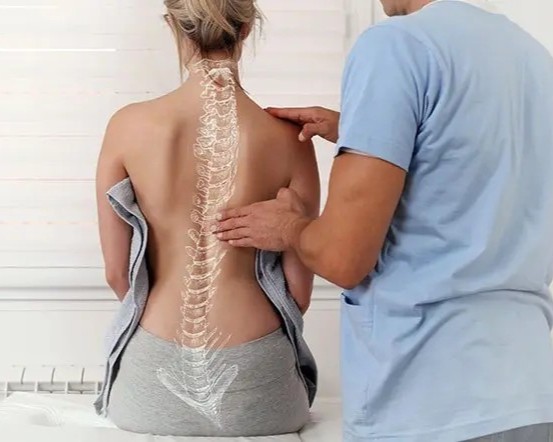
One of the most effective methods you'll encounter is manual therapy. This hands-on approach involves your therapist using their hands to manipulate your muscles and joints, helping to alleviate stiffness and improve mobility.
Another essential technique is therapeutic exercise. Your therapist will design a personalized exercise program tailored to your specific needs. These exercises aim to strengthen weakened muscles, improve flexibility, and enhance overall stability. You'll find that incorporating these exercises into your routine not only aids in recovery but also equips you with the strength to prevent future injuries.
Modalities like ultrasound and electrical stimulation can also play a significant role in your rehabilitation. Ultrasound uses sound waves to promote tissue healing, while electrical stimulation helps reduce pain and swelling. These modalities complement your physical therapy sessions and enhance the overall effectiveness of your treatment plan.
Finally, education is a key aspect of physical therapy. Your therapist will guide you on proper body mechanics and techniques to avoid re-injury. By understanding your body and how it moves, you'll gain valuable insights that empower you to engage in sports safely.
Incorporating these physical therapy techniques into your recovery plan can accelerate healing and help you return to the activities you love with confidence.
Medication Options
When it comes to managing sports-related pain, you've got several medication options to contemplate.
Over-the-counter medications can provide quick relief, while prescription pain relievers might be necessary for more severe discomfort.
Additionally, topical analgesics offer targeted relief right where you need it.
Over-the-Counter Medications
For athletes seeking quick relief from sports-related pain, over-the-counter medications offer a convenient and effective solution. These medications can help alleviate discomfort caused by strains, sprains, and minor injuries, allowing you to get back to your game faster.
Nonsteroidal anti-inflammatory drugs (NSAIDs) like ibuprofen and naproxen are popular choices. They not only reduce pain but also decrease inflammation, making them ideal for tackling swelling associated with injuries.
Acetaminophen is another option, effective for pain relief, though it doesn't address inflammation. You might prefer it if you're looking for something gentler on your stomach.
When using over-the-counter medications, always follow the recommended dosages on the packaging. Overuse can lead to serious side effects, like gastrointestinal issues or liver damage.
If you find yourself needing these medications frequently, it's crucial to consult with a healthcare professional to evaluate your condition.
Prescription Pain Relievers
In more severe cases of sports-related pain, prescription pain relievers can provide the relief you need to manage discomfort effectively. Your healthcare provider may recommend stronger medications than over-the-counter options, especially if your pain impacts your daily activities or performance.
Common prescription pain relievers include opioids, which are powerful but carry a risk of dependence, so they're typically prescribed for short-term use. Medications like hydrocodone or oxycodone can help alleviate pain during recovery, but you should use them cautiously and only as directed.
Nonsteroidal anti-inflammatory drugs (NSAIDs) like naproxen or celecoxib can also be prescribed, offering effective pain relief with a lower risk of dependence. These medications can reduce inflammation and pain, making them suitable for managing injuries like sprains or strains.
Your doctor may also consider muscle relaxants if your pain involves muscle spasms. These can help relieve tension and improve mobility.
Always follow your healthcare provider's instructions regarding dosage and duration, and discuss any concerns or side effects you experience. By using prescription pain relievers responsibly, you can effectively manage sports-related pain and get back to doing what you love.
Topical Analgesics Options
While prescription pain relievers can effectively manage severe sports-related pain, topical analgesics offer a convenient alternative for localized relief. These products come in various forms, including creams, gels, sprays, and patches, making it easy for you to apply them directly where you hurt.
Common ingredients in topical analgesics include menthol, camphor, capsaicin, and salicylates. Menthol and camphor create a cooling sensation, which can distract you from pain, while capsaicin works by desensitizing pain receptors over time.
If you prefer a more traditional approach, salicylate-based options can provide pain relief similar to oral nonsteroidal anti-inflammatory drugs (NSAIDs).
When you choose a topical analgesic, consider your specific needs. For muscle strains or joint pain, a gel or cream might be best, while patches can provide longer-lasting relief for chronic conditions.
Just remember to follow the application instructions and avoid using them on broken skin.
Topical analgesics can be effective and easily incorporated into your routine, allowing you to stay active and manage pain without the side effects often associated with oral medications.
Ice and Heat Therapy
When you're dealing with sports-related pain, knowing when to use ice or heat can make a huge difference.
Ice therapy helps reduce inflammation and numb soreness, while heat therapy promotes blood flow and relaxes tight muscles.
Understanding the benefits of each method will empower you to choose the right approach for your recovery.
Benefits of Ice Therapy
Often, athletes turn to ice therapy as a go-to solution for managing pain and inflammation. This method's effectiveness lies in its ability to constrict blood vessels, which reduces swelling and numbs the affected area. When you apply ice, you'll notice immediate relief from sharp pain, making it easier to continue your recovery.
Using ice therapy right after an injury can help minimize tissue damage. If you've sprained an ankle or strained a muscle, wrapping ice in a cloth and applying it for about 15-20 minutes can be particularly beneficial. It's important to keep a barrier between the ice and your skin to prevent frostbite.
Additionally, ice therapy can be a great way to alleviate muscle soreness after intense workouts. By reducing inflammation, you might find that your recovery time decreases, allowing you to get back to your training routine faster.
Remember to ice any injuries for the first 48 hours, and consider incorporating it into your post-exercise routine for ongoing benefits.
Advantages of Heat Therapy
Heat therapy offers an effective way to relieve muscle tension and promote blood flow, making it a valuable treatment for athletes. When you apply heat to sore or stiff muscles, you're not just easing discomfort; you're also accelerating the healing process.
Here are some key advantages of heat therapy that you should consider:
- Enhanced Flexibility: Heat increases the elasticity of your muscles and connective tissues. This improved flexibility can help you perform better during training and competitions.
- Pain Relief: By soothing sore muscles and reducing stiffness, heat therapy can provide significant pain relief. It helps to relax tight muscles, making it easier for you to move freely.
- Increased Circulation: Heat stimulates blood flow, delivering more oxygen and nutrients to your muscles. This increased circulation supports faster recovery and helps prevent injuries.
Incorporating heat therapy into your routine can be beneficial, especially after intense workouts or when you feel muscle tightness.
Whether you use a heating pad, warm bath, or hot towel, you'll find that heat therapy can be a simple yet effective way to keep you in top form.
When to Use Each
Knowing when to use ice or heat therapy can greatly enhance your recovery process. Ice therapy is best for acute injuries, like sprains or strains. If you've just twisted your ankle or experienced a sudden impact, applying ice helps reduce swelling and numb pain.
You should aim to ice the affected area for about 15-20 minutes every hour, especially in the first 48 hours.
On the other hand, heat therapy works wonders for chronic pain or muscle stiffness. If you're dealing with tight muscles or soreness from a workout, heat can increase blood flow and relax the tissues.
Use a heating pad or warm towel for 15-20 minutes to soothe those achy spots.
Timing is essential—use ice right after an injury and switch to heat once the swelling decreases.
Remember, never apply ice or heat directly to your skin; wrap it in a cloth to avoid burns or frostbite.
By understanding when to use each method, you'll effectively manage your pain and speed up your recovery.
Listen to your body, and choose the therapy that best suits your needs.
Acupuncture Benefits
Acupuncture offers a range of benefits for athletes seeking pain relief and enhanced recovery. This ancient practice can help you manage pain, reduce inflammation, and accelerate healing, allowing you to get back to your training sooner.
Here are three key benefits you might experience from acupuncture:
- Pain Relief: Acupuncture stimulates specific points on your body, releasing endorphins and other natural pain-relieving substances. This can greatly alleviate muscle soreness and joint pain, helping you find comfort after intense workouts.
- Improved Circulation: The insertion of fine needles promotes blood flow to the targeted areas, which enhances nutrient delivery and waste removal. This improved circulation can help speed up recovery times, allowing you to maintain peak performance.
- Reduced Stress and Anxiety: Engaging in competitive sports can lead to stress and anxiety, which may hinder your performance. Acupuncture helps balance your body's energy and promotes relaxation, allowing you to focus better on your training and competitions.
Massage Therapy
Massage therapy serves as an effective method for athletes to relieve pain and enhance recovery. It targets muscle tension, improves circulation, and promotes relaxation, all of which are essential for peak performance. When you engage in regular massage therapy, you'll notice a significant reduction in muscle soreness and stiffness, which can hinder your athletic progress.
During a session, a skilled therapist will use various techniques, such as deep tissue, Swedish, or sports massage, tailored to your specific needs. These techniques help break down adhesions and improve flexibility, allowing your body to move more freely. You'll also experience an increase in blood flow, which delivers vital nutrients to your muscles and aids in the healing process.
In addition to physical benefits, massage therapy can have a positive impact on your mental well-being. It helps reduce stress and anxiety, which can interfere with your focus and performance. When you feel relaxed and centered, you're more likely to perform at your best during competitions or training.
To maximize the benefits, consider incorporating massage therapy into your regular training regimen. Whether you're recovering from an injury or preparing for an event, scheduling sessions can greatly enhance your overall athletic experience.
Make it a point to communicate with your therapist about any specific areas of concern, so they can customize your treatment. By prioritizing massage therapy, you'll support your body's recovery process and maintain top performance.
Chiropractic Care
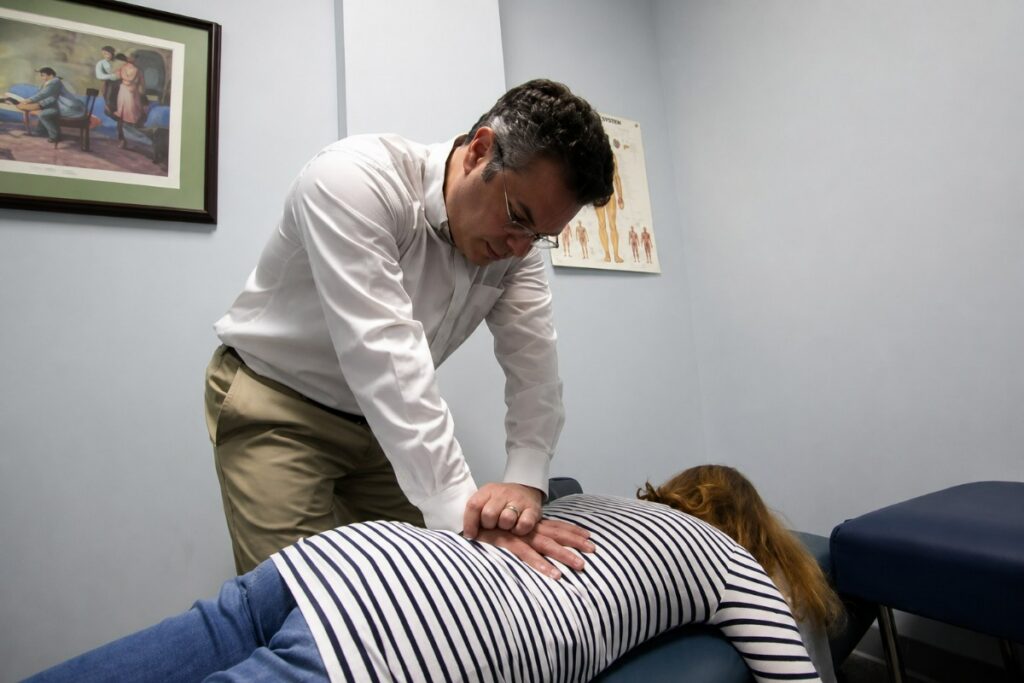
Chiropractic care is an integral component for athletes seeking pain relief and ideal performance. This holistic approach focuses on the musculoskeletal system, particularly the spine, to alleviate discomfort and enhance mobility. By addressing misalignments and ensuring proper function, chiropractic care can help you recover faster and perform better.
Here are three key benefits of incorporating chiropractic care into your routine:
- Pain Relief: Chiropractors use spinal adjustments and other techniques to relieve pain caused by injuries, overuse, or poor posture. This can considerably reduce discomfort in areas like the back, neck, and joints, allowing you to train and compete without limitations.
- Improved Range of Motion: Regular chiropractic sessions can enhance your flexibility and overall range of motion. This is vital for athletes, as it helps prevent injuries and improves performance. By promoting better joint function, you can execute movements more efficiently and effectively.
- Injury Prevention: By identifying and correcting biomechanical issues, chiropractors can help you avoid injuries before they occur. They'll also provide personalized advice on exercises and stretches tailored to your specific needs, ensuring your body remains in peak condition.
Incorporating chiropractic care into your training regimen can lead to considerable improvements in your overall well-being.
Dietary Supplements
When it comes to optimizing your athletic performance and managing pain, dietary supplements can play a significant role. These supplements can provide the nutrients your body needs to recover faster, reduce inflammation, and enhance overall performance.
One of the most popular supplements among athletes is omega-3 fatty acids. Known for their anti-inflammatory properties, omega-3s can help alleviate joint pain and stiffness, allowing you to train harder and recover quicker.
You might also consider curcumin, a compound found in turmeric, which has been shown to reduce inflammation and improve muscle recovery.
Additionally, branched-chain amino acids (BCAAs) are important for muscle repair and growth. They can minimize exercise-induced soreness and help you bounce back from tough workouts.
If you're looking for something to support your overall joint health, glucosamine and chondroitin are two supplements that may aid in maintaining cartilage and reducing discomfort.
Don't overlook the power of vitamins and minerals, either. Vitamin D, for instance, is crucial for bone health, while magnesium can help combat muscle cramps and fatigue.
Before diving into any supplements, it's important to consult with a healthcare professional or a registered dietitian. They can help you determine which supplements are right for your specific needs and guarantee that you're not consuming too much of certain nutrients.
Cryotherapy Treatments
Harnessing the power of extreme cold, cryotherapy treatments have gained popularity among athletes for their ability to reduce pain and accelerate recovery. This innovative technique involves exposing your body to subzero temperatures for a short period, typically ranging from two to four minutes.
The cold therapy constricts blood vessels, reduces inflammation, and helps relieve muscle soreness. As an athlete, you may find cryotherapy particularly beneficial for your training regimen.
Here are three key benefits you might experience with cryotherapy treatments:
- Reduced Inflammation: By cooling the affected areas, cryotherapy can help minimize swelling and inflammation, allowing you to get back to training sooner.
- Enhanced Muscle Recovery: Exposure to cold temperatures can expedite the healing process for sore muscles. This can be especially helpful after intense workouts or competitions.
- Pain Relief: Many athletes report significant pain relief after cryotherapy sessions. The cold can numb nerve endings, providing immediate relief and increasing your comfort levels.
While cryotherapy isn't a one-size-fits-all solution, incorporating it into your recovery routine can lead to noticeable improvements in your performance and overall well-being.
Always consult with a healthcare professional before trying new treatments, as individual responses can vary. Cryotherapy could be the edge you need to enhance your athletic journey, allowing you to train harder and recover faster.
Rest and Recovery Strategies
Effective rest and recovery strategies are essential for any athlete looking to improve performance and prevent injuries. You need to prioritize your recovery just as much as your training. It's during recovery that your body repairs itself and adapts to the stresses of exercise.
First, listen to your body. If you're feeling fatigued or sore, it's important to take a break. Ignoring these signs can lead to overtraining and more severe injuries. Schedule regular rest days in your training plan, allowing your muscles to recuperate.
Active recovery days, where you engage in low-intensity activities like walking or yoga, can also be beneficial.
Nutrition plays a key role in recovery. Make sure you're fueling your body with the right nutrients, especially after workouts. Consuming protein helps repair muscle tissues, while carbohydrates replenish your energy stores.
Don't forget to stay hydrated; dehydration can hinder recovery and performance.
Sleep is another essential component. Aim for 7-9 hours of quality sleep each night. This is when your body undergoes critical repair processes. Establish a consistent sleep routine to improve the quality of your rest.
Incorporating stretching and foam rolling into your routine can help alleviate muscle tightness and improve flexibility. These techniques promote blood flow and reduce soreness, enhancing your overall recovery.
Conclusion
To summarize, effectively managing sports-related pain requires a holistic approach. By combining physical therapy techniques, medication options, and alternative therapies like acupuncture and massage, you can find relief and enhance your recovery. Don't underestimate the power of ice and heat therapy or the benefits of dietary supplements and chiropractic care. Remember, prioritizing rest and recovery is essential for long-term success. Embrace these strategies, and you'll be back to your peak performance in no time.