
If you're maneuvering through the challenges of chronic pain in Charlotte, you might find that effective relief goes beyond just medication. Incorporating a mix of physical activity, nutrition, and alternative therapies can create an all-encompassing approach tailored to your needs. For instance, engaging in low-impact exercises not only helps manage discomfort but can also uplift your mood. As you explore various methods, consider how local resources and support systems can enhance your journey. What strategies have you tried, and are there options you haven't yet considered?
Understanding Chronic Pain
Chronic pain affects millions of people, and understanding it's vital for finding effective relief. You might wonder why your body feels pain long after an injury has healed, or why certain conditions seem to linger indefinitely. Chronic pain can stem from various sources, including injuries, illnesses, or even psychological factors. It often persists beyond the usual recovery time, sometimes lasting for months or even years.
One important aspect of chronic pain is its complexity. It's not just about the physical sensation; it often involves emotional and psychological dimensions. You might experience anxiety, depression, or frustration as a result of living with persistent pain. This interplay between the body and mind is essential to recognize, as it can greatly affect your daily life.
Pain perception varies from person to person. What feels unbearable to one individual may be manageable for another. Factors like genetics, previous experiences, and overall health can influence your pain threshold. Understanding these differences can help you tailor your approach to managing your pain.
Moreover, chronic pain can lead to changes in your brain's neural pathways. This means that pain signals can become amplified over time, making you more sensitive to pain. Awareness of this phenomenon can empower you to seek appropriate interventions, whether through medical treatment, lifestyle changes, or holistic approaches.
Benefits of Physical Therapy
When seeking relief from chronic pain, physical therapy can offer considerable benefits. This hands-on approach not only addresses your pain but also helps you regain strength and mobility. Here's how physical therapy can transform your experience:
- Personalized Assessment: A physical therapist evaluates your specific condition and creates a tailored treatment plan. This individualized approach targets your unique pain points, ensuring you receive the most effective care.
- Improved Mobility: Through targeted exercises and stretches, physical therapy can help you regain range of motion. You'll work on flexibility and strength, which can alleviate discomfort and improve daily functioning.
- Pain Management Techniques: Physical therapists employ various techniques, such as manual therapy, ultrasound, and electrical stimulation. These methods can considerably reduce pain levels, allowing you to engage in activities you enjoy.
- Education and Self-Management: Your therapist will educate you about your condition, teaching you strategies to manage pain at home. You'll learn proper body mechanics and ergonomic techniques, reducing the risk of future injuries.
Mindfulness and Relaxation Techniques
Mindfulness and relaxation techniques can play an essential role in managing chronic pain.
By practicing breathing exercises, engaging in guided imagery, or incorporating yoga into your routine, you can find effective ways to reduce tension and enhance your overall well-being.
These methods empower you to regain control and ease your pain naturally.
Breathing Exercises Benefits
Breathing exercises can work wonders in managing chronic pain by promoting mindfulness and relaxation. When you focus on your breath, you create a calming effect that can help ease pain and reduce stress.
Here are some key benefits of incorporating breathing exercises into your routine:
- Reduces Stress: Deep, slow breathing activates the body's relaxation response, lowering cortisol levels and helping you feel more at ease.
- Improves Focus: Mindful breathing helps clear your mind, allowing you to concentrate better on your daily tasks and reduce the distractions caused by pain.
- Enhances Body Awareness: By tuning into your breath, you become more aware of your body and its signals, helping you manage pain more effectively.
- Promotes Better Sleep: Practicing deep breathing before bedtime can relax your mind and body, making it easier to fall asleep and stay asleep.
Integrating breathing exercises into your daily routine can be a simple yet effective strategy for managing chronic pain.
As you make it a habit, you'll likely find yourself feeling more centered and in control, paving the way for a better quality of life.
Guided Imagery Practices
Guided imagery practices can transport you to a peaceful mental space, helping to alleviate the burden of chronic pain. By engaging your imagination, you can create vivid mental images that distract you from discomfort and promote relaxation. This technique allows you to visualize serene landscapes, soothing colors, or comforting scenarios that resonate with you.
To get started, find a quiet place where you won't be disturbed. Close your eyes and take a few deep breaths. Picture a calming scene, like a beach or a forest, and immerse yourself in that environment. Focus on the details: the sound of waves, the smell of pine, or the warmth of the sun. As you visualize, let your body relax and feel the tension melt away.
You can also listen to guided imagery recordings or apps, which provide prompts to enhance your experience. Regular practice can deepen your relaxation response, making it easier to manage pain when it flares up.
Yoga for Pain Relief
Incorporating yoga into your pain management routine can enhance the benefits you experienced with guided imagery. Yoga offers a unique blend of mindfulness, physical movement, and relaxation techniques that can help reduce chronic pain. By focusing on your breath and body, you create a sense of connection that fosters healing.
Here are four ways yoga can aid in pain relief:
- Increases Flexibility: Regular practice helps loosen stiff muscles and joints, improving overall mobility.
- Enhances Strength: Building core strength can support your body better, alleviating stress on painful areas.
- Promotes Relaxation: Deep breathing and mindful movement activate the relaxation response, reducing tension and stress levels.
- Improves Mind-Body Connection: Being more attuned to your body allows you to identify pain triggers and respond to them effectively.
You don't have to be an expert to start. Just find a beginner-friendly class or online tutorial, and listen to your body.
With consistent practice, you might discover a greater sense of control over your pain, leading to an improved quality of life.
Alternative Therapies Overview
When exploring ways to alleviate chronic pain, alternative therapies offer a diverse range of options that can complement traditional treatments.
These therapies often focus on treating the whole person rather than just addressing the symptoms, which can lead to a more holistic approach to pain management.
Acupuncture is one popular option. This ancient Chinese practice involves inserting thin needles at specific points on your body, aiming to restore energy flow and relieve pain. Many individuals report significant improvements after a few sessions.
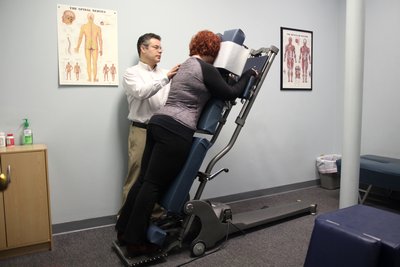
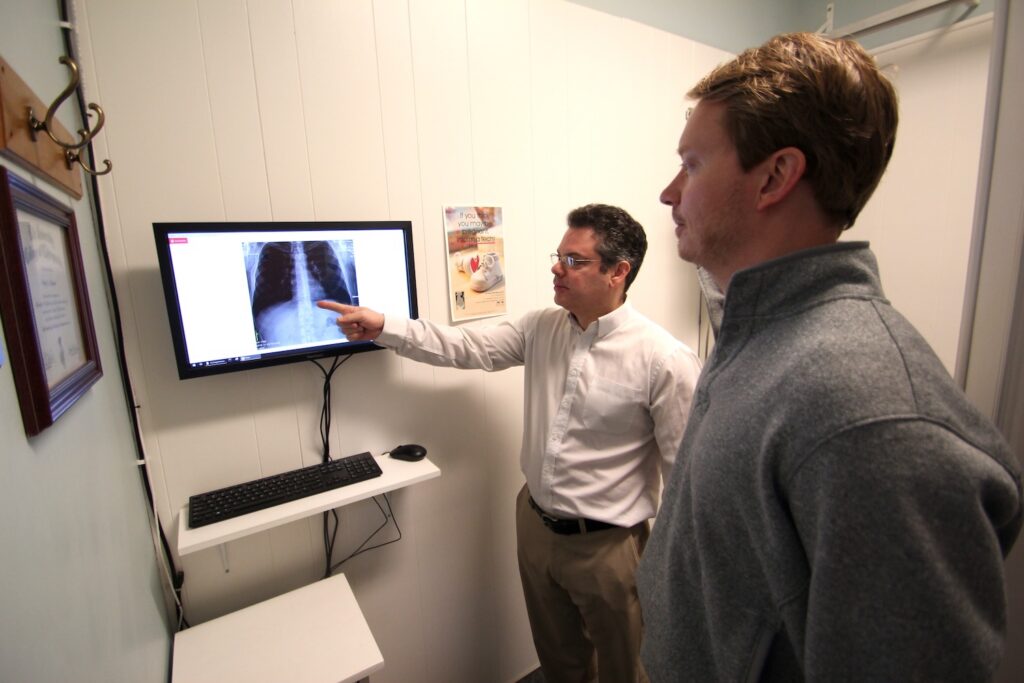
Another effective alternative therapy is chiropractic care. By manipulating the spine and other joints, chiropractors can relieve tension and improve mobility, which may reduce your chronic pain levels.
Regular visits can also help maintain your overall physical health.
Massage therapy is another excellent choice. It can help relax tight muscles and improve circulation, leading to reduced pain and increased relaxation.
Whether you prefer deep tissue or a gentle Swedish massage, finding a skilled therapist can make a significant difference.
Lastly, mindfulness and meditation practices can help you manage pain by shifting your focus away from discomfort and promoting relaxation.
These techniques encourage you to develop a more positive relationship with your pain, reducing its emotional impact.
Exploring these alternative therapies can empower you to take control of your chronic pain management journey.
Nutrition and Chronic Pain
When managing chronic pain, what you eat can make a big difference.
Incorporating anti-inflammatory foods, staying hydrated, and considering nutritional supplements can help reduce discomfort and improve your overall well-being.
Let's explore how these elements can support your pain relief journey.
Anti-Inflammatory Foods
Eating a diet rich in anti-inflammatory foods can greatly alleviate chronic pain and improve overall well-being. By incorporating these foods into your daily meals, you can help combat inflammation and support your body's healing processes.
Here are four anti-inflammatory foods to contemplate adding to your diet:
- Fatty Fish: Salmon, mackerel, and sardines are high in omega-3 fatty acids, which can reduce inflammation and help manage pain.
- Leafy Greens: Spinach, kale, and Swiss chard are loaded with antioxidants and vitamins that fight inflammation and support overall health.
- Berries: Blueberries, strawberries, and blackberries are packed with antioxidants called flavonoids, which have anti-inflammatory properties and can help reduce pain.
- Turmeric: This golden spice contains curcumin, a powerful anti-inflammatory compound. Adding turmeric to your meals can enhance flavor and offer pain-relief benefits.
Hydration's Role
Staying properly hydrated is vital for managing chronic pain, as even mild dehydration can exacerbate discomfort and hinder the body's ability to heal.
Water plays a significant role in maintaining joint lubrication, supporting nutrient transportation, and flushing out toxins from your system. When you're dehydrated, your body may experience increased muscle tension and fatigue, both of which can worsen pain.
To guarantee you're drinking enough, aim for at least eight 8-ounce glasses of water daily, but adjust based on your activity levels and climate. If you're active or live in a warmer area, you might need more.
Keep a water bottle handy to remind yourself to sip throughout the day.
Incorporating hydrating foods like fruits and vegetables can also boost your fluid intake. Think watermelon, cucumbers, and oranges.
Additionally, limit caffeine and alcohol, as they can contribute to dehydration.
Nutritional Supplements Benefits
For those managing chronic pain, incorporating nutritional supplements can offer significant relief and support overall health. These supplements can help reduce inflammation, improve mood, and enhance your body's ability to cope with pain.
Here are four key benefits you might experience:
- Anti-Inflammatory Effects: Omega-3 fatty acids, found in fish oil, can help reduce inflammation, which is often a significant contributor to chronic pain.
- Pain Relief: Curcumin, the active compound in turmeric, has potent anti-inflammatory properties and may help alleviate pain by reducing the production of inflammatory markers.
- Mood Enhancement: Supplements like magnesium and vitamin D can improve mood and reduce the risk of depression, which is common among those with chronic pain.
- Joint Support: Glucosamine and chondroitin may support joint health and provide relief from osteoarthritis pain, making movement easier and less painful.
Before starting any new supplement regimen, it's important to consult with a healthcare professional.
They can help you determine which supplements are best for your specific needs and verify they won't interact with any other medications you may be taking.
Exercise Recommendations
How can incorporating exercise into your routine help manage chronic pain? Engaging in regular physical activity can greatly reduce pain levels and improve your overall quality of life.
Exercise helps release endorphins, your body's natural painkillers, which can boost your mood and alleviate discomfort. It also enhances flexibility and strength, which may help reduce the risk of further injury.
Start with low-impact activities like walking, swimming, or cycling. These exercises are gentle on your joints while still providing the benefits of cardiovascular fitness. Aim for at least 30 minutes of moderate exercise most days of the week.
If you're new to working out, break it down into shorter segments—like three 10-minute walks throughout the day.
Incorporate stretching and strength training into your routine as well. Yoga and Pilates can improve flexibility and core strength, which are essential for stability and reducing pain.
You don't need to push yourself too hard; listen to your body and modify exercises as needed.
Consider joining a class designed for people with chronic pain—these settings often provide a supportive environment.
Always consult with your healthcare provider before starting any new exercise program, especially if you have existing health concerns. They can help tailor a plan that suits your specific needs and guarantees safety.
Support Groups and Resources
Finding support through groups and resources can greatly enhance your journey in managing chronic pain. Connecting with others who share similar experiences can provide comfort, understanding, and practical advice. You don't have to navigate this journey alone.
Here are some effective resources and support options you should consider:
- Local Support Groups: Look for chronic pain support groups in Charlotte. Meeting regularly with people who understand your struggles can foster a sense of community and belonging.
- Online Forums: Websites like Reddit and Chronic Pain forums offer platforms to share your experiences, ask questions, and receive tips from others who are facing similar challenges.
- Educational Workshops: Many organizations host workshops focusing on pain management strategies. These sessions often provide valuable insights into coping mechanisms and new treatments.
- Mental Health Resources: Chronic pain can take a toll on your mental well-being. Seek out counselors or therapists who specialize in pain management. They can help you develop coping strategies and emotional resilience.
Utilizing these resources can empower you to take control of your pain management.
Seeking Professional Help
Maneuvering the complexities of chronic pain often requires more than just self-help strategies; seeking professional help is essential for effective management. When you're struggling with persistent pain, consulting with healthcare professionals can provide you with the guidance and support you need.
Start by scheduling an appointment with your primary care physician. They can assess your condition and refer you to specialists, such as pain management doctors, physical therapists, or psychologists, who can tailor a treatment plan specific to your needs.
It's vital to communicate openly about your pain levels, triggers, and emotions. This honest dialogue helps professionals understand your unique situation, ensuring they can offer the most effective interventions. They might recommend a combination of medication, physical therapy, or alternative treatments like acupuncture or chiropractic care.
Don't underestimate the value of mental health support, too. Chronic pain can take a toll on your emotional well-being, so consider seeking help from a therapist who specializes in pain management. Cognitive-behavioral therapy (CBT) can equip you with coping strategies and techniques to navigate the psychological aspects of pain.
Finally, keep in mind that treatment may require some trial and error. Be patient and stay committed to finding the right approach.
Conclusion
Incorporating these strategies into your daily routine can make a real difference in managing chronic pain. By staying active, eating anti-inflammatory foods, and exploring alternative therapies, you empower yourself to take control of your discomfort. Don't hesitate to reach out for professional help and connect with support groups in Charlotte. You're not alone on this journey, and with the right tools, you can find relief and improve your quality of life.