
If you've ever struggled with persistent headaches, you might be surprised to learn how effective natural relief can stem from chiropractic adjustments. By focusing on spinal alignment, these adjustments can alleviate tension and improve blood flow, addressing the root causes of your discomfort. You may wonder how this holistic approach not only provides immediate relief but also supports long-term wellness. As we explore the various types of headaches and the specific techniques that can help, you'll uncover insights that could change your perspective on headache management.
Understanding Headache Types
Understanding the various types of headaches is vital for finding effective relief. Headaches can vary widely in their causes, symptoms, and treatment options, so knowing which type you're dealing with can make a substantial difference. The most common types include tension headaches, migraines, and cluster headaches.
Tension headaches often feel like a tight band around your head. They can be triggered by stress, lack of sleep, or poor posture. If you experience dull, aching pain on both sides of your head, it's likely a tension headache. Over-the-counter pain relievers, relaxation techniques, and regular exercise may help alleviate these headaches.
Migraines, on the other hand, are more intense and can be accompanied by nausea, vomiting, and sensitivity to light and sound. They may occur with or without aura, which are visual disturbances that signal an impending attack. If you suspect you're suffering from migraines, keeping a headache diary can help identify triggers like certain foods, hormonal changes, or stress. Prescription medications and lifestyle changes can meaningfully reduce the frequency and severity of migraines.
Cluster headaches are less common but extremely painful, often occurring in cyclical patterns. They typically affect one side of the head and can cause intense burning or piercing sensations. If you suspect you're experiencing cluster headaches, it's important to consult a healthcare professional for appropriate management.
The Role of Spinal Alignment
Proper spinal alignment plays a vital role in your overall health, especially when it comes to headaches.
When your spine is out of alignment, it can stress your nervous system and contribute to pain.
Let's explore some techniques to help you realign your spine and potentially reduce your headache frequency.
Importance of Proper Alignment
Your spine plays an essential role in overall health, and its alignment can greatly impact the frequency and intensity of headaches. When your spine is properly aligned, it allows your body to function at its best. Misalignments, however, can lead to tension and stress in the surrounding muscles, which may contribute to headache development.
Proper alignment guarantees that your body maintains its natural curvature, reducing unnecessary strain on muscles and ligaments. When your spine is in alignment, it helps to distribute weight evenly, preventing any areas from becoming overworked or fatigued. This balance is vital because it minimizes the risk of tension headaches and migraines.
If you've been experiencing frequent headaches, it's worth evaluating your spinal alignment. Simple adjustments can often relieve pressure and restore balance, resulting in fewer headaches.
Incorporating regular chiropractic care or practicing good posture can greatly improve alignment.
Impact on Nervous System
Spinal alignment not only influences your musculoskeletal health but also plays a significant role in the functioning of your nervous system.
When your spine is properly aligned, it helps maintain ideal communication between your brain and body. This alignment affects how efficiently your nervous system sends and receives signals, which can impact various bodily functions.
Here are a few ways spinal alignment impacts your nervous system:
- Nerve Function: Misalignment can compress nerves, leading to pain, numbness, or tingling sensations.
- Signal Transmission: Proper alignment guarantees that signals between your brain and body travel unimpeded, enhancing overall coordination.
- Stress Response: A well-aligned spine can help regulate your body's stress response, promoting relaxation and reducing headaches.
- Overall Health: Improved spinal alignment contributes to better immunity and organ function, as the nervous system controls these essential processes.
Techniques for Realignment
Achieving ideal spinal alignment is essential for alleviating headaches and enhancing overall well-being. When your spine is properly aligned, it reduces tension in your muscles and nerves, which can be a significant contributor to headache pain.
Here are some effective techniques you can use for realignment.
First, consider chiropractic adjustments. A trained chiropractor can perform specific maneuvers to correct misalignments in your spine, relieving pressure on nerves and restoring balance.
You might also benefit from regular stretching and strengthening exercises. Focus on your neck and upper back, as these areas often harbor tension that leads to headaches.
Another effective technique is practicing good posture. Whether you're sitting at a desk or standing, be mindful of your alignment. Keep your shoulders back, your head aligned with your spine, and your feet flat on the ground.
Lastly, incorporating yoga or Pilates into your routine can improve flexibility and strengthen core muscles, supporting better spinal alignment.
Benefits of Chiropractic Adjustments
Many people experience considerable relief from headaches through chiropractic adjustments. These adjustments can address the underlying issues contributing to your pain, promoting overall wellness. When you seek chiropractic care, you're not just treating the symptoms; you're working towards a healthier spine and nervous system.
Here are some key benefits of chiropractic adjustments for headache relief:
- Improved Alignment: Chiropractic adjustments help realign your spine, reducing tension in your muscles and nerves. This can considerably decrease headache frequency and intensity.
- Increased Blood Flow: Adjustments enhance circulation, ensuring that your brain and surrounding tissues receive adequate oxygen and nutrients. Improved blood flow can alleviate headache symptoms.
- Reduced Muscle Tension: By relaxing tight muscles, chiropractic care minimizes pressure on nerves, which often contributes to headache pain. This relief can be particularly beneficial for tension headaches.
- Holistic Approach: Chiropractic care doesn't just focus on the headaches themselves; it considers your overall health. By addressing lifestyle factors and promoting wellness, you can prevent future headaches.
Incorporating chiropractic adjustments into your routine can lead to lasting benefits.
You'll likely notice not just a reduction in headache frequency, but also an improvement in your overall quality of life.
With the right adjustments, you can take a proactive step towards managing your headaches naturally and effectively.
Techniques for Effective Adjustments
When it comes to effective chiropractic adjustments, understanding the right techniques is key.
You'll want to focus on targeting tension relief and correcting your posture to get the best results.
Let's explore how these strategies can provide natural headache relief.
Chiropractic Adjustment Techniques
Understanding the various chiropractic adjustment techniques can greatly enhance your headache relief journey. Each method targets specific areas to alleviate pain and restore balance.
Here are four common techniques you might encounter:
- Diversified Technique: This is a hands-on approach where the chiropractor uses quick thrusts to realign the spine. It's effective for immediate relief.
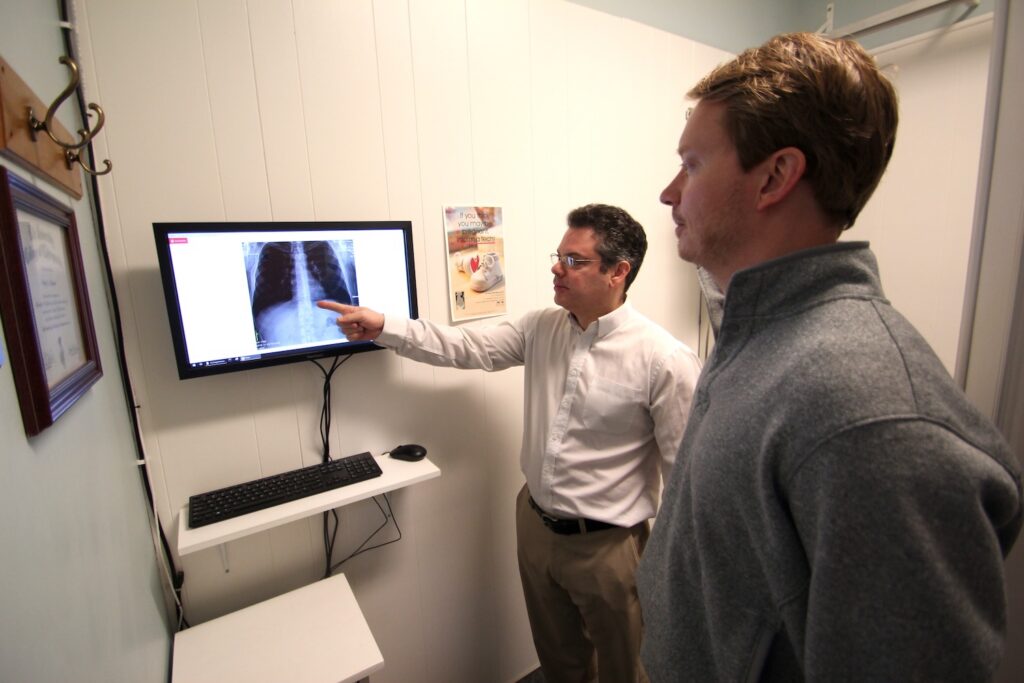
- Gonstead Technique: Focused on analyzing the spine, this technique utilizes specific adjustments to correct misalignments. It often involves thorough examination and x-rays.
- Activator Method: Utilizing a small instrument, this technique delivers a gentle impulse to correct spinal misalignments. It's ideal for those who prefer a less forceful approach.
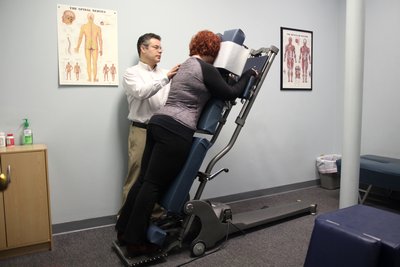
- Thompson Technique: This method uses a specialized table that drops slightly when the chiropractor applies pressure. It allows for a more comfortable adjustment and is effective in releasing tension.
Targeting Tension Relief
To effectively target tension relief during chiropractic adjustments, it's vital to employ techniques that focus on the specific areas causing discomfort. Start by identifying the muscle groups that contribute to your headaches, often located in the neck, shoulders, and upper back. By concentrating on these areas, your chiropractor can apply precise adjustments to release built-up tension.
Utilizing techniques such as soft tissue manipulation and trigger point therapy can greatly enhance your relief. These methods help relax tight muscles and improve blood circulation, which may alleviate headache symptoms.
You might also benefit from chiropractic techniques like spinal adjustments that realign your vertebrae, reducing stress on surrounding muscles and nerves.
Communicate openly with your chiropractor about the intensity and location of your discomfort. This feedback allows them to tailor their approach to your needs, ensuring the best results.
Incorporating stretches and strengthening exercises into your routine can further support tension relief. Commit to regular adjustments, and you'll likely notice a decrease in headache frequency and intensity.
Posture Correction Strategies
Good posture is essential for effective chiropractic adjustments and lasting headache relief. By improving your posture, you not only enhance the benefits of your chiropractic care but also reduce the likelihood of future headaches.
Here are four strategies you can implement to correct your posture:
- Ergonomic Workspace: Confirm your desk setup promotes a neutral spine. Position your monitor at eye level and keep your chair supportive.
- Mindful Sitting: When you sit, keep your feet flat on the floor and your back straight. Use a cushion if necessary to support your lower back.
- Strengthening Exercises: Incorporate exercises that strengthen your core and back muscles. Planks and bridges are excellent choices to help maintain stability.
- Regular Breaks: Take breaks every hour to stand, stretch, and realign your body. This prevents stiffness and helps you remain mindful of your posture throughout the day.
Other Holistic Approaches
When headaches strike, exploring other holistic approaches can often bring relief. Beyond chiropractic adjustments, several methods can help ease your discomfort. One effective technique is acupuncture. This ancient practice involves inserting thin needles into specific points on your body to release tension and promote relaxation. Many people find that regular sessions can greatly reduce the frequency and intensity of their headaches.
Another approach you might consider is aromatherapy. Essential oils like lavender, peppermint, and eucalyptus can be soothing. You can diffuse these oils in your space or apply them topically, diluted with a carrier oil. Inhaling these scents may help alleviate headache symptoms and create a calming atmosphere.
Mindfulness and meditation also play a vital role in headache relief. By practicing mindfulness, you train your mind to focus on the present moment, which can help reduce stress and anxiety, common headache triggers. Regular meditation can enhance your overall well-being and may lead to fewer headache occurrences.
Massage therapy is another holistic option worth exploring. A skilled massage therapist can target areas of tension in your neck and shoulders, which often contribute to headaches. Even self-massage techniques, such as applying pressure to specific points on your temples or the base of your skull, can provide quick relief.
Lastly, you might want to explore herbal remedies. Some herbs, like feverfew and butterbur, have shown promise in reducing headache frequency. Always consult a healthcare professional before starting any new supplements to confirm they're safe for you.
Lifestyle Changes for Prevention
Making simple lifestyle changes can greatly reduce the likelihood of headaches. When you actively manage your daily habits, you can create an environment that minimizes triggers and enhances your overall well-being.
Here are four effective changes you can implement:
- Stay Hydrated: Dehydration is a common headache trigger, so make it a habit to drink plenty of water throughout the day. Aim for at least eight 8-ounce glasses, and increase your intake during hot weather or when you're physically active.
- Maintain Regular Sleep Patterns: Inconsistent sleep can lead to headaches. Try to go to bed and wake up at the same time every day, even on weekends. Create a calming bedtime routine to help you fall asleep more easily.
- Manage Stress: High stress levels can lead to tension headaches. Incorporate relaxation techniques such as deep breathing, meditation, or yoga into your daily routine. Even short breaks during the day can help you recharge.
- Monitor Your Diet: Certain foods can trigger headaches for some people. Keep a food diary to identify any potential culprits, and try to maintain a balanced diet rich in fruits, vegetables, whole grains, and lean proteins.
Importance of Regular Check-ups
Regular check-ups play an essential role in maintaining your overall health and can be particularly important for headache management. When you schedule regular visits with your healthcare provider, you guarantee that any underlying issues contributing to your headaches are identified and addressed early on.
These check-ups allow for a thorough evaluation of your health, enabling your doctor to monitor any changes and adjust your treatment plan as needed. During these appointments, you can discuss your headache patterns, triggers, and any related symptoms. This information is vital for developing an effective management strategy tailored to your specific needs.
Your healthcare provider can guide you on lifestyle modifications, dietary changes, or alternative therapies that may help alleviate your headaches. Moreover, regular check-ups foster open communication with your provider. The more they understand your condition, the better equipped they're to offer personalized advice and interventions.
You might find that routine adjustments to your treatment can lead to significant improvements in your headache frequency and intensity. It's also important to remember that headaches can sometimes signal more serious health issues. By keeping up with your check-ups, you're taking a proactive approach to your health.
You're not only prioritizing headache relief but also safeguarding your overall well-being. So, don't overlook the importance of these regular visits; they're a key component in your journey toward effective headache management.
Patient Success Stories
Many patients have found success in managing their headaches through various strategies and treatments.
These success stories highlight the positive impact of natural approaches, including adjustments that can bring significant relief. You might find inspiration in the experiences of others who've faced similar struggles.
Here are four compelling success stories:
- Sarah's Journey: After suffering from chronic migraines for years, Sarah decided to try chiropractic adjustments. Within a few sessions, she noticed a remarkable decrease in the frequency and severity of her migraines.
- Mark's Transformation: Mark was skeptical about natural treatments, but when traditional medications failed him, he sought out holistic options. Regular adjustments not only alleviated his tension headaches but also improved his overall posture and well-being.
- Lisa's Breakthrough: For Lisa, stress-induced headaches were a daily battle. By incorporating regular chiropractic care and mindfulness techniques, she learned to manage her stress effectively. Now, her headaches are infrequent and manageable.
- Tom's New Lease on Life: Tom struggled with cluster headaches for years. After undergoing a tailored adjustment regimen, he experienced a significant reduction in episodes. This change allowed him to reclaim his active lifestyle.
These stories illustrate the potential for natural headache relief through adjustments.
If you're facing similar challenges, consider exploring these options. Your path to relief could be just a few adjustments away.
Finding the Right Practitioner
Choosing the right practitioner can make a significant difference in your journey toward natural headache relief. It's important to find someone who understands your unique needs and has experience in treating headaches effectively.
Start by researching practitioners in your area—look for chiropractors, acupuncturists, or holistic health professionals who specialize in headache relief.
Once you've identified a few options, check their credentials and experience. Make sure they're licensed and have a good reputation. Online reviews can provide valuable insights into their practice. Don't hesitate to reach out to current or former patients for firsthand accounts of their experiences.
When you meet with a potential practitioner, pay attention to their communication style. You want someone who listens to your concerns, answers your questions, and explains their treatment approach clearly.
A good practitioner will take the time to understand your headache patterns, triggers, and medical history before suggesting a treatment plan.
Trust your instincts. If you don't feel comfortable or confident in their abilities, it's okay to keep looking. Finding the right fit is vital for your healing process.
Additionally, consider their availability and whether their office location is convenient for you.
Ultimately, the right practitioner will empower you with knowledge and tools to manage your headaches naturally. With the right support, you'll be on your way to experiencing relief and improving your quality of life.
Don't rush the process; it's about finding someone who resonates with you and your health goals.
Conclusion
Incorporating chiropractic adjustments into your headache relief strategy can lead to significant improvements in your quality of life. By addressing spinal alignment and reducing tension, you're not just alleviating pain but also enhancing your overall health. Remember that prevention is key, so consider lifestyle changes and regular check-ups to keep headaches at bay. With the right practitioner by your side, you can find effective, natural relief and enjoy a balanced, pain-free lifestyle.