
Neck pain after a car accident or a sudden jolt can be scary and confusing. Here in Charlotte, we see whiplash injuries from everyday fender benders, sports, and slips—often when people feel “mostly fine” right after the event. At Chiropractic Fitness, our goal is to help you understand what’s going on in your neck, why symptoms can show up days later, and how chiropractor-led care gives you a clear path to heal and get back to normal.
In this article, you’ll learn what whiplash is, common signs to watch for, how chiropractic care supports recovery, and when it’s important to seek help. If you’re in Charlotte and dealing with neck pain after an accident, you’re not alone—and you don’t have to guess your way through it.
What is whiplash? Whiplash is a rapid back-and-forth movement of the neck that can strain joints, ligaments, discs, and muscles. It commonly happens in vehicle collisions, sports, or falls. Even low-speed impacts can create enough force to irritate the neck and upper back.
Table of Contents
- What Is Whiplash?
- Why Whiplash Deserves Prompt Attention
- Common Causes in Charlotte
- Signs and Symptoms to Watch For
- What’s Happening in Your Neck (Simple Biomechanics)
- How Chiropractic Care Helps Whiplash Recovery
- What to Expect at Chiropractic Fitness in Charlotte
- Practical Self-Care Tips You Can Start Today
- When to See a Chiropractor—and When to Seek Urgent Care
- Myths vs. Facts About Whiplash
- Final Thoughts for Our Charlotte Community
What Is Whiplash?
Whiplash is an acceleration–deceleration injury of the neck. The head is thrown forward and backward quickly, causing the joints of the cervical spine (neck) to move beyond their normal range. That sudden motion can strain muscles and ligaments, irritate facet joints, and create protective muscle guarding.
People often associate whiplash with serious crashes, but we regularly see it after low-speed impacts, especially if your head was turned, you were looking down at a phone, or you were caught off guard. Because the neck contains many pain-sensitive structures, even a minor sprain can feel significant.
Why Whiplash Deserves Prompt Attention
The sooner your neck is evaluated after a whiplash event, the better your plan can be tailored to reduce pain and restore motion. Many patients feel okay right after an accident due to adrenaline. Symptoms commonly appear later the same day or in the next few days.
Early chiropractic assessment helps identify joint restrictions, muscle spasm, and movement patterns that, if ignored, may lead to stiffness, headaches, and lingering discomfort. Prompt care supports healing and can help you avoid excessive rest, fear-based avoidance, or unhelpful habits that slow recovery.
Common Causes in Charlotte
Charlotte’s busy roads and active lifestyle mean we see a variety of whiplash scenarios. Rear-end collisions on I-77 or I-485, sudden stops in uptown traffic, weekend sports on local fields, and slips on wet stairs can all set the stage for whiplash. Even a minor bump while you’re looking over your shoulder or reaching into the back seat can create enough force to upset the mechanics of the neck.
We also see whiplash in cyclists and runners who trip and in parents who experience a quick jolt while lifting a child. The common thread is unexpected, rapid neck motion—often when the body isn’t braced for it.
Signs and Symptoms to Watch For
Neck pain and stiffness are the most recognized symptoms. Many people also notice headaches (often starting at the base of the skull), upper back or shoulder soreness, jaw tension, and reduced ability to turn the head. Some experience dizziness, fatigue, or difficulty concentrating for a short period.
Symptoms can be immediate or delayed. It’s common to wake up the next day feeling worse, or to notice tightness creeping in as the hours pass. Tingling in the arm or hand, while less common, may indicate nerve irritation from swelling or a joint restriction.
Not all whiplash cases look the same. That’s why an individualized chiropractic exam is so valuable—your care should match your specific presentation, not a generic template.
What’s Happening in Your Neck (Simple Biomechanics)
During a whiplash motion, the cervical spine briefly forms an “S-shaped” curve. Different segments move at different speeds, which can strain ligaments, joints, and muscles. The facet joints (small joints at the back of the neck that guide motion) may become irritated. Muscles often tighten to protect the area, which feels like stiffness or a “locked up” neck.
When joints don’t move well, surrounding tissues work overtime. This can lead to altered posture, reduced mobility, and pain with normal activities like driving, working at a computer, or looking down at your phone. Chiropractic care focuses on restoring normal motion and alignment so your body can calm the protective spasm and return to efficient movement.
How Chiropractic Care Helps Whiplash Recovery
Chiropractic is a frontline, noninvasive approach for whiplash and neck pain. Our care centers on improving joint motion, reducing irritation, and guiding your gradual return to comfortable activity. Evidence suggests that manual therapies such as spinal adjustments and mobilization can help reduce neck pain and improve function for many patients. While individual results vary, this approach prioritizes your body’s ability to heal with safe, conservative care.
Here’s how we typically help:
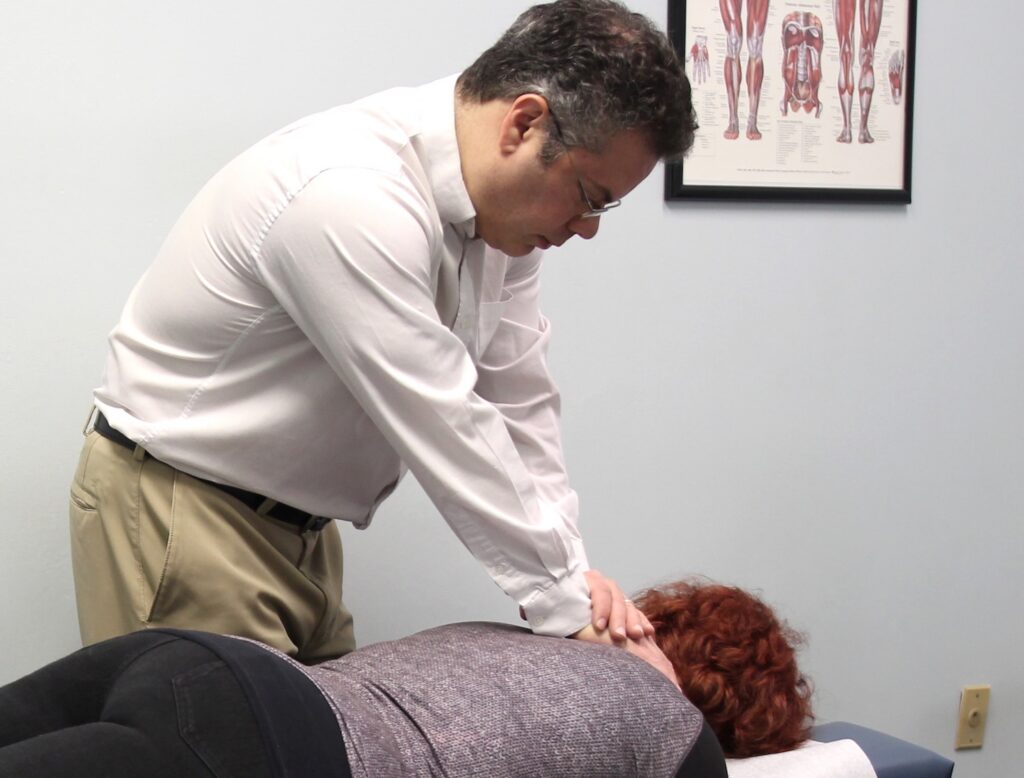
- Targeted chiropractic adjustments: Gentle, precise adjustments restore motion to restricted joints. This can reduce local irritation and help muscles relax.
- Mobilization and soft-tissue techniques: When appropriate, we use low-force mobilization and hands-on soft-tissue work to ease protective muscle guarding and improve flexibility.
- Movement and stability work: Simple, customized exercises reinforce healthier movement patterns. These are designed to be practical and pain-aware—not a boot camp.
- Posture and activity coaching: We’ll help you modify daily habits (driving, desk setup, sleep positions) to reduce strain while your neck recovers.
- Chiropractic-led plan: Your chiropractor remains your primary guide, adjusting the plan as your neck calms and mobility improves. If we find signs that suggest a different kind of problem, we’ll tell you clearly and coordinate the appropriate referral.
What to Expect at Chiropractic Fitness in Charlotte
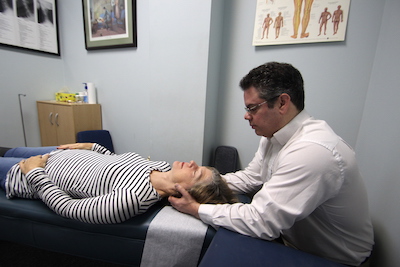
On your first visit, we take time to listen—how the injury happened, what you feel, and what concerns you most. We then perform a focused exam that may include orthopedic and neurological checks, range-of-motion testing, and palpation to find specific areas of restriction and tenderness.
Imaging is ordered only when clinically indicated, such as with concerning symptoms, significant trauma history, or signs that suggest a more serious issue. Most whiplash cases do not require immediate imaging, and many respond well to conservative chiropractic care.
Your plan will be individualized. Early visits often emphasize pain relief and gentle mobility. As symptoms improve, we progress to stability and resilience—so you’re not just out of pain, you’re more prepared for the demands of driving, work, exercise, and family life.
Practical Self-Care Tips You Can Start Today
- Keep moving within comfort. Gentle, pain-free neck movements (like slowly looking left and right) help prevent stiffness. Avoid forcing end ranges.
- Use a neutral pillow. Choose a pillow that keeps your neck aligned; avoid sleeping doubled up on multiple pillows.
- Apply brief, comfortable cold or heat. Use 10–15 minutes at a time to manage soreness. Choose whichever feels better for you.
- Mind your desk and driving posture. Bring screens to eye level, sit back in your chair, and adjust mirrors so you don’t have to crane your neck.
- Take frequent movement breaks. Short breaks reduce muscle guarding and help tissues settle.
When to See a Chiropractor—and When to Seek Urgent Care
If you’ve had a car accident, sports impact, or sudden neck jolt, it’s smart to schedule a chiropractic evaluation—especially if symptoms show up within hours or days. Early, chiropractor-led care helps you avoid prolonged rest and loss of motion. In Charlotte, many patients stop by our office within the first week after an incident; that timing allows us to set a clear, confident plan.
Occasionally, certain signs point to a more serious injury. Seek urgent medical care right away if you notice any of the following:
- Severe headache that is worsening, fainting, confusion, or slurred speech
- Significant weakness, numbness, or coordination problems in arms or legs
- Loss of bladder or bowel control
- Severe, unrelenting neck pain or midline tenderness after high-energy trauma
- Any symptom that rapidly worsens or feels alarming
If none of these red flags are present, a chiropractor is an appropriate first stop. We’ll examine you, explain our findings in plain language, and begin a plan to help you move and feel better.
Myths vs. Facts About Whiplash
| Myth | Fact |
|---|---|
| “If I don’t hurt right away, I’m fine.” | Symptoms often appear hours or days later. Early evaluation helps you stay ahead of stiffness and headaches. |
| “Whiplash only happens in big crashes.” | Low-speed impacts, sports, and simple falls can create enough force to strain the neck. |
| “Rest completely until it goes away.” | Prolonged rest can slow recovery. Gentle, guided movement is typically beneficial. |
| “All neck pain after a crash needs imaging.” | Imaging is useful when indicated by exam findings or red flags. Many cases improve with conservative chiropractic care. |
Final Thoughts for Our Charlotte Community
Whiplash can be unsettling, but with the right plan, most people recover well. If you live or work in Charlotte and suspect whiplash—after a fender bender in South End, a pickup game in Myers Park, or a slip on a rainy day—Chiropractic Fitness is here to help. We provide chiropractor-led care that focuses on restoring motion, relieving pain, and guiding you back to the activities you love.
If you have questions about your symptoms or you’re unsure whether your neck is healing correctly, reach out. You deserve a clear, confident plan forward.
FAQs
Is chiropractic safe for whiplash?
For most people, yes. Chiropractors are trained to screen for red flags and tailor techniques to your condition and comfort level. If something warrants medical referral, we’ll let you know.
How soon after an accident should I see a chiropractor?
As soon as practical—ideally within the first few days. Early evaluation helps reduce stiffness, guide activity, and set a plan that supports recovery.
Do I need X-rays or an MRI?
Not always. Imaging is considered when exam findings or your history suggest it’s necessary. Many whiplash cases are managed effectively with conservative care.
What does a chiropractic adjustment feel like?
Adjustments are typically gentle and precise. Many patients feel relief, easier motion, or less tension afterward. Techniques are always tailored to your comfort.
How long does whiplash take to improve?
It varies. Some feel better within days or weeks, while others need more time. Your response depends on the severity of the injury, your daily demands, and how consistently we can follow the plan.
Can I keep working out with whiplash?
Often, yes—with modifications. We’ll guide you on safe movements and when to progress. The goal is to stay active without aggravating symptoms.
TL;DR
- Whiplash is a rapid neck motion injury that can strain joints, muscles, and ligaments—even after low-speed impacts.
- Symptoms may be delayed. Early chiropractic evaluation helps restore motion, reduce pain, and guide safe activity.
- Chiropractic is a primary, noninvasive option for whiplash and neck pain, with individualized plans and clear guidance.
- Seek urgent care for severe or worsening symptoms, neurological changes, or signs of serious injury.
- In Charlotte, Chiropractic Fitness is here to help you recover confidently and get back to your life.