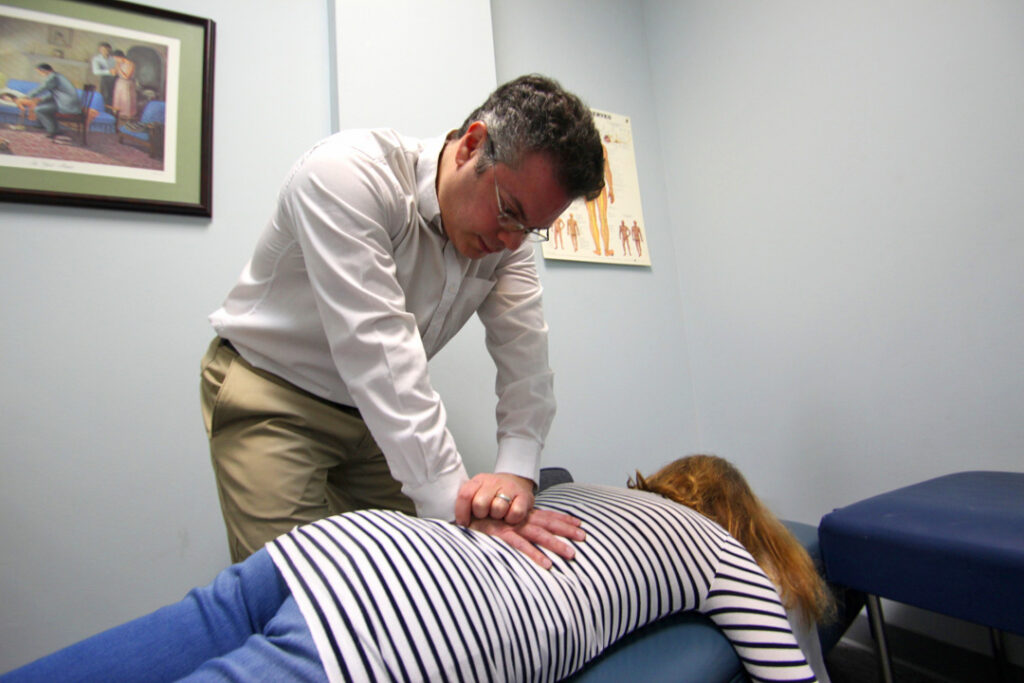

Have you considered whether you're overlooking holistic care in Charlotte? Many in the area are beginning to recognize how holistic approaches can enhance not just physical health, but emotional and spiritual well-being as well. By embracing practices that promote overall balance and personal empowerment, you might find solutions to issues you thought were insurmountable. As you think about your own health journey, you may wonder what unique benefits holistic care could offer you—perhaps it's time to explore the options available right in your community.
Understanding Holistic Care
What does holistic care really mean? When you think about healthcare, you might picture doctors, medications, and hospitals. However, holistic care goes beyond just treating symptoms. It involves considering the whole person—body, mind, and spirit. This approach recognizes that your physical health is closely connected to your emotional well-being and social environment.
In holistic care, you're encouraged to take an active role in your own health journey. You'll find a focus on prevention and overall wellness rather than merely reacting to illness. Instead of just addressing a specific ailment, practitioners look at how various factors in your life affect your health. This could include your diet, exercise, stress levels, and relationships.
You might engage in various therapies that support both your physical and emotional needs, such as counseling, acupuncture, or nutritional guidance. The goal is to create a balanced lifestyle that promotes long-term health.
Holistic care also emphasizes the importance of a supportive environment. You'll often work with a team of professionals who collaborate to create a personalized care plan. This team may include doctors, nutritionists, therapists, and wellness coaches, all dedicated to helping you thrive.
Ultimately, understanding holistic care means recognizing that healthcare isn't just about treating illness—it's about fostering a deeper connection to your own well-being. By embracing this all-encompassing approach, you can pave the way for a healthier, more fulfilling life.
Benefits of Holistic Approaches
Holistic approaches offer a range of benefits that can greatly enhance your overall well-being. By focusing on the whole person—mind, body, and spirit—these methods promote balance and harmony in every aspect of your life. This extensive perspective can lead to improved physical health, emotional stability, and mental clarity.
One significant advantage is stress reduction. Holistic practices often incorporate techniques like mindfulness, meditation, and deep breathing, which help you manage daily stressors more effectively. When you reduce stress, you're likely to experience better sleep, increased energy levels, and a more positive outlook on life.
Another benefit is the promotion of self-awareness. Holistic approaches encourage you to tune into your body's signals and understand your emotional needs. This heightened awareness can empower you to make healthier choices, whether that means altering your diet, exercising regularly, or seeking social connections that uplift you.
Moreover, holistic care often fosters a sense of community. Engaging in group classes or workshops can help you connect with like-minded individuals who share your journey towards well-being. This support system can be invaluable as you navigate challenges and celebrate successes.
Finally, holistic approaches are generally regarded as preventive measures. By focusing on wellness rather than merely treating symptoms, you can reduce the risk of chronic illnesses and enhance your quality of life. Embracing holistic care can lead you to a more fulfilling and vibrant existence, making it a worthy consideration in your wellness journey.
Common Holistic Practices
When exploring common holistic practices, you'll find mindfulness and meditation techniques that help you connect with your inner self and reduce stress.
Additionally, nutritional and herbal remedies can support your overall well-being by addressing physical and emotional imbalances.
Understanding these practices can empower you to take charge of your health journey.
Mindfulness and Meditation Techniques
Many people find mindfulness and meditation techniques to be essential tools for enhancing their overall well-being.
These practices help you cultivate a deeper awareness of your thoughts and feelings, promoting relaxation and reducing stress. Incorporating mindfulness into your daily routine can lead to significant improvements in your mental and emotional health.
Here are some popular techniques to evaluate:
- Breath Awareness: Focus on your breath, inhaling deeply and exhaling slowly to ground yourself in the present moment.
- Body Scan: Lie down comfortably and mentally scan your body from head to toe, noticing areas of tension and consciously relaxing them.
- Guided Meditation: Use apps or recordings to follow along with guided sessions, which can help you stay focused and motivated.
- Mindful Walking: Take a walk while paying close attention to each step, the sensations in your body, and the sounds around you.
Nutritional and Herbal Remedies
Integrating mindfulness practices into your routine can set the stage for exploring nutritional and herbal remedies that further enhance your well-being. When you focus on what you eat and how it affects your body, you're more likely to make choices that nourish you.
Start by incorporating whole foods like fruits, vegetables, whole grains, and lean proteins into your meals. These foods provide essential nutrients that support your immune system and overall health.
Herbal remedies can also play a significant role in your holistic approach. For instance, chamomile tea can help with relaxation, while ginger may alleviate nausea. You can easily incorporate these herbs into your daily routine through teas, supplements, or cooking.
Consider consulting with a holistic nutritionist or herbalist to tailor your approach. They can help you identify specific dietary choices and remedies that align with your unique health needs.
Remember, it's about finding balance and what works for you. By paying attention to your body's signals and choosing nutritional and herbal remedies mindfully, you're taking a proactive step toward a healthier, more vibrant life.
Embrace this journey, and you'll likely discover newfound energy and liveliness.
Holistic Care vs. Traditional Medicine
In the ongoing debate surrounding holistic care and traditional medicine, you'll find distinct approaches to health and healing. While traditional medicine often focuses on diagnosing and treating specific symptoms or diseases, holistic care takes a broader view, emphasizing the overall well-being of the individual. This difference shapes how you might choose to approach your health.
Here's a closer look at their key distinctions:
- Focus: Traditional medicine typically targets specific health issues, while holistic care considers emotional, mental, and spiritual factors along with physical health.
- Treatment methods: Traditional medicine leans heavily on pharmaceuticals and surgical interventions, whereas holistic care may incorporate natural remedies, lifestyle changes, and alternative therapies.
- Patient involvement: In holistic care, you're encouraged to take an active role in your health decisions, fostering a partnership with your practitioner. Traditional medicine often positions the doctor as the authority, guiding the treatment plan.
- Prevention: Holistic care emphasizes preventive measures and maintaining balance in life, while traditional medicine may prioritize reactive treatments once a condition arises.
Understanding these differences can help you make informed decisions about your health care options.
If you're feeling overwhelmed by symptoms or seeking a more all-encompassing approach to wellness, exploring holistic care could be a worthwhile endeavor.
Finding Practitioners in Charlotte
Finding the right holistic practitioner in Charlotte can feel overwhelming, but it doesn't have to be. Start by identifying your specific needs. Are you looking for acupuncture, massage therapy, or nutritional counseling? Knowing what you want will help narrow down your choices.
Next, leverage online resources. Websites like Yelp, Google Reviews, and local holistic health directories can provide you with valuable insights. Look for practitioners with positive reviews and check for any certifications or specializations that align with your needs.
Don't hesitate to ask friends or family for recommendations; word-of-mouth can be incredibly trustworthy.
Once you've compiled a list of potential practitioners, consider reaching out for a consultation. Many holistic practitioners offer free or low-cost initial sessions. Use this opportunity to gauge their approach and see if their philosophy resonates with you.
Pay attention to their communication style and how comfortable you feel discussing your health concerns.
Location matters too. Find someone whose practice is conveniently located, so regular visits won't feel like a chore. Also, consider their availability and whether they offer flexible hours that fit your schedule.
Finally, trust your instincts. The right practitioner should make you feel supported and understood. If something doesn't feel right, don't hesitate to keep searching.
With a bit of research and intuition, you'll find a holistic practitioner in Charlotte who aligns with your health goals.
Personalizing Your Holistic Journey
To personalize your holistic journey, it's crucial to understand your unique needs and preferences.
By integrating various modalities that resonate with you, you'll create a tailored approach that truly supports your well-being.
Setting realistic goals will help you measure your progress and stay motivated along the way.
Understanding Individual Needs
When starting on your holistic journey, understanding your individual needs is essential for achieving genuine well-being. Each person is unique, and what works for one may not work for another.
You'll want to take the time to identify your physical, emotional, and spiritual requirements, which will set the foundation for your holistic care.
Consider reflecting on the following aspects to personalize your journey:
- Physical Health: Assess any chronic conditions or specific health challenges you face.
- Emotional Well-being: Identify emotional patterns and stressors that impact your daily life.
- Spiritual Connection: Explore your beliefs and practices that bring you peace and fulfillment.
- Lifestyle Preferences: Think about how your daily routine and environment support or hinder your well-being.
Integrating Various Modalities
Building on your understanding of individual needs, integrating various modalities can enrich your holistic journey. By combining different therapies, you create a personalized approach that addresses your physical, mental, and emotional well-being.
Think about what resonates with you—whether it's yoga, acupuncture, or nutritional counseling. Each modality has unique benefits that can support your overall health.
For instance, if you're dealing with stress, combining mindfulness practices with physical activities like Tai Chi might help you find balance. Consider incorporating aromatherapy to enhance relaxation during your yoga sessions.
By thoughtfully selecting and integrating these modalities, you're more likely to see improvements in how you feel and function daily.
Don't hesitate to experiment with different combinations. Listen to your body and mind; they'll guide you in discovering what works best. Collaborating with holistic practitioners can also provide insights into effective combinations tailored to your specific needs.
As you weave together various modalities, you'll cultivate a richer, more fulfilling holistic experience that aligns with your personal goals and aspirations. Embrace this journey of exploration and watch your well-being thrive!
Setting Realistic Goals
Setting realistic goals is essential for personalizing your holistic journey and ensuring you stay motivated. By defining what you want to achieve, you can create a clear path forward that suits your unique needs and circumstances.
Here are some tips to help you set those goals effectively:
- Be specific: Instead of saying, "I want to be healthier," try "I want to incorporate three servings of vegetables into my daily diet."
- Make it measurable: Choose goals you can track. For example, "I'll meditate for 10 minutes every morning" gives you a clear target.
- Set achievable steps: Break larger goals into smaller, manageable tasks. This keeps you from feeling overwhelmed.
- Time-bound: Assign a timeline. Saying "I'll complete a yoga class by the end of the month" adds urgency and accountability.
Overcoming Skepticism About Holistic Care
Although many people remain skeptical about holistic care, understanding its benefits can help shift perceptions. You might find yourself questioning how a holistic approach—focusing on the whole person rather than just symptoms—can truly make a difference.
It's important to recognize that holistic care isn't about replacing conventional medicine; instead, it complements traditional treatments, aiming for overall wellness.
To overcome skepticism, start by researching the principles of holistic care. This approach emphasizes the connection between mind, body, and spirit. You'll see how practices like mindfulness, nutrition, and physical activity contribute to better health outcomes. Engaging with credible sources or attending informational sessions can provide valuable insights.
Another way to alleviate doubts is by exploring the experiences of others. Many individuals have found relief through holistic methods, whether it's through acupuncture, yoga, or herbal remedies. Hearing firsthand accounts can help you realize that these practices may be more effective than you initially thought.
Additionally, consider speaking with a holistic practitioner. They can answer your questions and tailor an approach to your unique needs. This personal interaction can demystify the process, making it feel more accessible and trustworthy.
Lastly, keep an open mind. Just as you wouldn't dismiss conventional medicine based on a single experience, give holistic care a fair chance. By embracing this perspective, you'll be better equipped to appreciate the profound benefits holistic care can offer in your journey toward ideal health.
Success Stories From Charlotte Residents
Transforming lives through holistic care, many Charlotte residents have experienced remarkable health improvements. You might be surprised to learn how integrating various holistic practices has made a significant impact on lives in your community.
Here are just a few inspiring success stories:
- Emily, who struggled with chronic anxiety, found balance through yoga and meditation classes. She now feels more centered and has reduced her reliance on medication.
- Mark, a longtime athlete, faced recurring injuries. After incorporating acupuncture and nutritional counseling into his routine, he not only healed faster but also improved his overall performance.
- Sarah, dealing with chronic migraines, discovered the benefits of essential oils and lifestyle changes. Her migraines have become less frequent, allowing her to enjoy life more fully.
- Tom, a retired veteran, turned to holistic therapy for PTSD. By engaging in group therapy and mindfulness practices, he's found a supportive community and a renewed sense of purpose.
These stories illustrate how embracing holistic care in Charlotte can lead to profound transformations.
It's not just about treating symptoms; it's about nurturing the whole person.
Whether through yoga, acupuncture, or dietary changes, residents are discovering that holistic practices can enhance their quality of life, fostering not only physical health but emotional and mental well-being too.
You might be inspired to explore these options for yourself and witness the potential for positive change in your own life.
Integrating Holistic Care Into Daily Life
Many residents in Charlotte have already seen the benefits of holistic care, but integrating these practices into your daily life can amplify those positive effects. Start by incorporating mindfulness into your morning routine. Just five minutes of meditation or deep breathing can set a positive tone for the day. You might also want to contemplate journaling, as it helps clarify your thoughts and emotions.
Next, focus on nutrition. Whole, unprocessed foods can enhance your physical and mental well-being. Try to include a variety of fruits, vegetables, and whole grains in your meals. Meal prepping on weekends can save you time and guarantee you have healthy options available throughout the week.
Physical activity is another essential element. Engage in exercises that you enjoy, whether it's yoga, walking, or dancing. Aim for at least 30 minutes a day to keep both your body and mind active. Don't forget to listen to your body; rest when you need to.
Lastly, foster meaningful connections with others. Surround yourself with supportive friends and family who uplift you. Contemplate joining a local group focused on holistic practices, such as meditation or yoga classes, to deepen your sense of community.
Conclusion
If you're overlooking holistic care in Charlotte, now's the time to embrace its transformative potential. By focusing on overall wellness and integrating practices that nourish your body, mind, and spirit, you can achieve a more balanced life. Don't let skepticism hold you back—explore the success stories of locals who've found relief and empowerment through holistic methods. Start your journey today, and discover how these approaches can enrich your life and foster true well-being.