
You might not realize how essential regular care is for your mobility until you start experiencing limitations. Consistent check-ups, physical therapy, and tailored exercise routines can greatly enhance your strength and flexibility. By prioritizing these aspects of health, you can maintain independence and improve your overall quality of life. But what specific strategies can you adopt to guarantee you stay active and mobile? Understanding these approaches could make all the difference in your journey toward greater mobility.
Importance of Regular Care
Regular care is essential for maintaining mobility as you age or recover from an injury. You mightn't realize it, but your body requires consistent attention to stay in prime shape. This means prioritizing regular check-ups, physical therapy, and exercise routines tailored to your needs. By doing so, you'll not only enhance your mobility but also prevent potential issues from escalating into serious health concerns.
When you commit to regular care, you empower yourself to take control of your wellness journey. You'll likely notice improvements in your strength, flexibility, and endurance, making everyday activities easier and more enjoyable. Regular assessments help identify any early signs of trouble, allowing you to address them before they become significant problems.
Moreover, maintaining a routine can help you stay motivated and focused on your goals. You'll develop a better understanding of your body and its limits, which can lead to smarter choices about activities and lifestyle adjustments. It's also a great way to build a relationship with healthcare providers who can guide you through your recovery or aging process.
Don't underestimate the power of regular care; it's not just about treating existing issues but also about prevention. Think of it as investing in your future mobility and overall health.
Benefits of Routine Check-ups
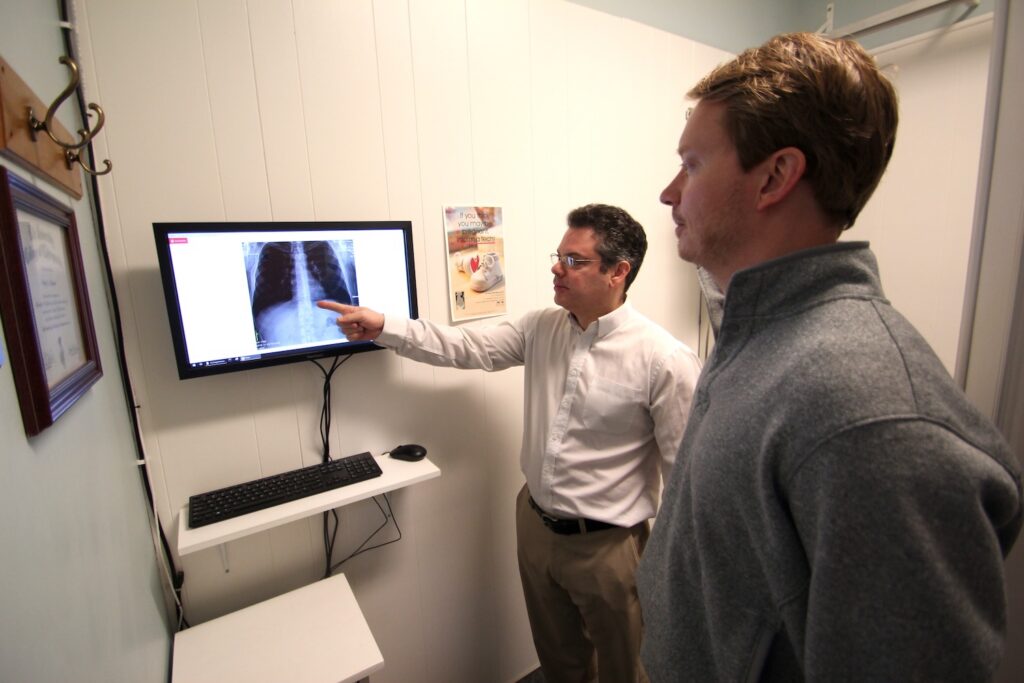
Routine check-ups offer you the chance to catch potential health issues early, which can make a significant difference in your mobility.
These visits also contribute to your overall well-being, helping you stay active and engaged in daily life.
Early Detection of Issues
Catching health issues early can make a world of difference in maintaining your mobility and overall well-being. Regular check-ups allow you to identify potential problems before they escalate, ensuring you stay active and engaged in your daily life.
When you prioritize routine care, you're not just treating symptoms; you're proactively managing your health.
Here are some key benefits of early detection:
- Preventive Action: Spotting issues early gives you time to implement lifestyle changes or treatments that can prevent further complications.
- Reduced Treatment Costs: Addressing problems at their onset often results in less extensive and less expensive treatments down the line.
- Improved Quality of Life: Early intervention can help you maintain your independence and continue enjoying the activities you love.
- Enhanced Mobility: Identifying musculoskeletal issues early can lead to targeted therapies, helping to preserve your mobility and reduce pain.
Incorporating routine check-ups into your healthcare regimen is a smart investment in your future.
Don't wait for issues to arise; take charge of your health and keep moving forward with confidence!
Enhanced Overall Well-being
Frequent check-ups can greatly enhance your overall well-being by providing an extensive view of your health. Regular visits to your healthcare provider help you stay informed about your physical condition, guaranteeing you catch potential health issues before they escalate.
You'll gain valuable insights into your body, allowing you to make informed decisions about your lifestyle. These routine assessments often include screenings for blood pressure, cholesterol, and other essential metrics. By knowing these numbers, you can take proactive steps to improve your health, such as adjusting your diet or increasing your physical activity.
This empowerment leads to greater confidence and motivation in maintaining a healthier lifestyle. Moreover, check-ups often include discussions about mental well-being. Addressing stress or anxiety can greatly improve your quality of life, and your provider can offer resources or strategies that fit your needs.
Lastly, fostering a relationship with your healthcare provider guarantees you have a trusted partner in your health journey. You're not just a number; you're an individual whose well-being matters.
Prioritizing routine check-ups enhances your overall health, boosts your energy, and ultimately leads to a more fulfilling life.
Role of Physical Therapy
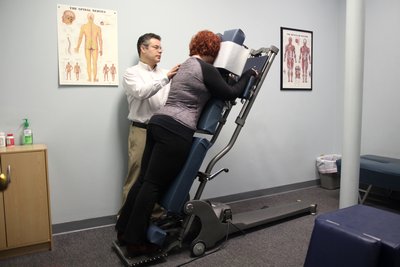
Physical therapy plays an essential role in enhancing your mobility and overall physical health. When you engage in a tailored physical therapy program, you're not just treating injuries; you're actively working towards restoring function and preventing future issues.
Physical therapists assess your specific needs and develop a personalized treatment plan that may include exercises, manual therapy, and education on body mechanics.
One of the key benefits of physical therapy is its focus on improving strength and flexibility. You'll learn how to perform exercises that target specific muscle groups, helping you regain movement and stability.
Additionally, physical therapists teach you proper techniques for daily activities, which can prevent strain and injury.
Consider these critical aspects of physical therapy:
- Individualized Treatment: Your therapy plan is tailored to your unique condition and goals.
- Pain Management: Techniques such as manual therapy or modalities like ultrasound can help alleviate pain.
- Improved Functional Mobility: You'll gain the ability to perform everyday tasks more easily and with less discomfort.
- Education & Prevention: You'll learn strategies to maintain your progress and avoid setbacks.
Incorporating regular physical therapy into your routine not only boosts your mobility but also empowers you to take control of your health.
Preventive Measures for Mobility
To maintain and enhance your mobility, it's vital to adopt preventive measures alongside the benefits gained from physical therapy. By taking proactive steps, you can reduce the risk of injuries and improve your overall movement quality.
Start by incorporating a variety of exercises into your routine. Focus on strength training, flexibility, and balance. These three components work together to guarantee your muscles and joints function effectively.
Pay attention to your posture throughout the day. Whether you're sitting at a desk or standing, maintaining proper alignment can prevent strain and discomfort. Additionally, consider your footwear. Wearing supportive shoes can make a significant difference in how your feet and legs support your body. Avoid high heels or poorly fitting shoes that can throw off your balance and lead to injury.
Nutrition also plays an important role in mobility. A balanced diet rich in vitamins and minerals will support healthy bones and muscles. Stay hydrated, as proper hydration aids joint lubrication, making movement smoother.
Regular check-ups with a healthcare professional can help identify potential mobility issues before they become significant problems. Listen to your body. If you experience persistent pain or discomfort, don't ignore it; seek advice early.
Finally, engage in low-impact activities like swimming or cycling. These exercises provide great cardiovascular benefits while minimizing stress on your joints.
Strategies for Active Living
To boost your mobility, you should incorporate daily exercise into your routine.
Prioritizing stretching routines can help maintain flexibility and prevent injuries.
Don't forget to engage in outdoor activities, as they can make staying active enjoyable and revitalizing.
Incorporate Daily Exercise
Incorporating daily exercise into your routine is essential for enhancing mobility and overall well-being. Engaging in regular physical activity not only strengthens your muscles but also improves flexibility, balance, and endurance. This foundation allows you to move more freely and confidently throughout your day.
To integrate exercise effectively, consider the following strategies:
- Start small: If you're new to exercising, begin with just 10-15 minutes a day and gradually increase the duration.
- Choose activities you enjoy: Whether it's dancing, walking, or swimming, doing something fun makes it easier to stick to your routine.
- Set achievable goals: Aim for specific, measurable outcomes, like walking a certain number of steps each day. This keeps you motivated and accountable.
- Incorporate movement throughout the day: Take the stairs instead of the elevator, or do quick stretching exercises during breaks. These little changes add up over time.
Prioritize Stretching Routines
Prioritizing stretching routines is essential for maintaining flexibility and preventing injuries as you stay active. Incorporating regular stretching into your daily routine can enhance your overall mobility and performance. Aim to stretch major muscle groups, including your hamstrings, quadriceps, back, and shoulders, to guarantee a balanced approach.
Start with dynamic stretches before workouts to warm up your muscles. Examples include arm circles and leg swings. After your activity, focus on static stretching to improve flexibility and reduce muscle tension. Hold each stretch for 15-30 seconds, breathing deeply to relax your body.
Consider setting aside time for dedicated stretching sessions a few times a week. This could be as simple as a 10-15 minute routine in the morning or evening. You can also explore guided stretching videos or attend classes that focus on flexibility.
Listen to your body; if you feel tightness or discomfort, don't push yourself too hard. Gradually increase the intensity and duration of your stretches as your flexibility improves.
Engage in Outdoor Activities
Engaging in outdoor activities can greatly boost your physical and mental well-being. When you step outside, you expose yourself to fresh air and sunlight, which can elevate your mood and increase your energy levels.
Plus, being active outdoors helps improve your mobility and strength. Whether it's hiking, cycling, or simply walking in the park, every bit counts towards a healthier lifestyle.
Here are some strategies to incorporate outdoor activities into your routine:
- Explore Local Parks: Take advantage of nearby green spaces for walking, jogging, or picnicking.
- Join a Sports League: Find a local team that plays your favorite sport. It's a great way to stay fit and meet new people.
- Try Nature Walks: Discover nearby trails that offer beautiful scenery. Nature can be incredibly restorative.
- Gardening: Spend time tending to a garden. It's a productive way to enjoy the outdoors while being physically active.
Incorporating these activities into your life not only enhances your mobility but also enriches your overall quality of life.
Don't hesitate—get outside and start moving!
Nutrition and Mobility
How can the right nutrition enhance your mobility? The foods you choose to fuel your body play an essential role in how easily you move. Proper nutrition supports muscle function, joint health, and overall physical performance. When you consume a balanced diet rich in necessary nutrients, your body can maintain strength and flexibility, which are critical for mobility.
First, prioritize protein. It's important for muscle repair and growth. Incorporate lean meats, fish, eggs, legumes, and dairy into your meals. These foods help preserve muscle mass, especially as you age.
Don't forget carbohydrates—they provide the energy you need for daily activities. Whole grains, fruits, and vegetables are excellent sources that also offer fiber, which aids digestion.
Next, focus on healthy fats. Omega-3 fatty acids, found in fish, walnuts, and flaxseeds, can reduce inflammation and support joint health. Staying hydrated is just as important; water keeps your joints lubricated and helps your muscles function efficiently. Aim to drink enough fluids throughout the day.
Also, consider antioxidants found in colorful fruits and vegetables. They combat oxidative stress and can help reduce soreness after physical activities.
Finally, don't overlook vitamins and minerals—particularly calcium and vitamin D for bone health.
Incorporating these nutritional elements into your daily routine can greatly impact your mobility. By fueling your body with the right nutrients, you'll feel more energetic, agile, and capable of enjoying the activities you love.
Incorporating Stretching and Strengthening
While you might focus on nutrition for mobility, incorporating stretching and strengthening exercises is equally crucial for maintaining and enhancing your physical movement.
These exercises not only improve flexibility and strength but also contribute to better posture, balance, and overall functionality. By dedicating just a few minutes each day to your routine, you can considerably boost your mobility.
Start by integrating a variety of stretching exercises to keep your muscles loose and flexible. Focus on both dynamic stretches before activities and static stretches afterward to promote recovery.
In addition, strength training is essential; it helps to build the muscle groups that support your joints and keep them stable.
Here are some effective exercises to include in your routine:
- Hamstring Stretch: Helps alleviate tension in your legs and lower back.
- Wall Push-Ups: Strengthens your upper body without straining your joints.
- Lunges: Enhances leg strength and improves your balance.
- Seated Toe Touch: Increases flexibility in your hamstrings and lower back.
Monitoring Progress and Adjustments
Tracking your progress in stretching and strengthening exercises is essential to maximizing your mobility improvements. By regularly evaluating how you're doing, you can identify what's working and what needs adjustment.
Start by keeping a log of your workouts, noting the types of exercises, durations, and how you feel afterward. This record will help you see patterns and measure your success over time.
As you monitor your progress, pay attention to any changes in your range of motion or strength. Are you able to reach further or lift heavier weights? These small victories can motivate you to keep going.
If you notice stagnation or discomfort, it might be time to tweak your routine. Don't hesitate to consult a professional if you're unsure about making adjustments.
Adjustments could mean varying the intensity of your exercises, trying different stretches, or incorporating new strength training techniques. You might also consider changing the frequency of your workouts.
Listening to your body is vital; if something doesn't feel right, it's okay to modify your approach.
Conclusion
By prioritizing regular care, you enhance your mobility and overall well-being. Routine check-ups, physical therapy, and preventive measures keep you active and independent. Embrace strategies for active living, including proper nutrition and tailored exercise routines, to boost your strength and flexibility. Remember to incorporate stretching and strengthening exercises into your daily life and monitor your progress. With consistent attention, you can achieve greater mobility and enjoy a higher quality of life as you age or recover.