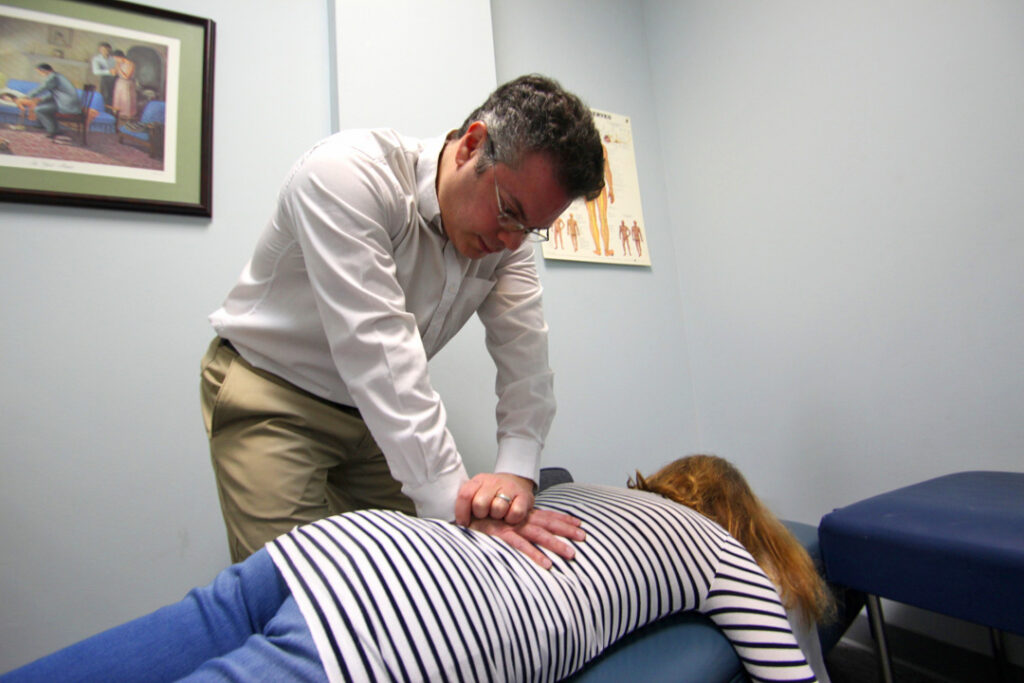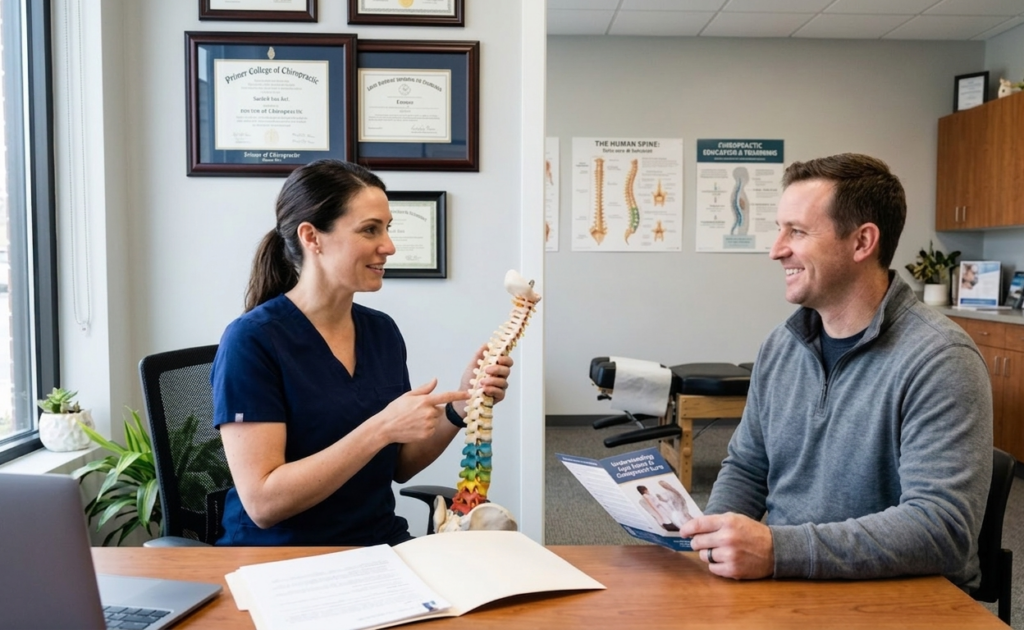

When dealing with a sports injury, the journey to recovery may seem daunting. As a local chiropractor, I want to emphasize that recovery goes beyond just resting; it involves making thoughtful adjustments to your nutrition, hydration, and training routines to support your body’s natural healing process. Understanding your body’s unique needs is crucial for effective recovery.
Incorporating chiropractic care into your recovery plan can significantly enhance your healing. We focus on aligning the spine and optimizing your nervous system function, which can lead to improved mobility and reduced pain. Additionally, I encourage patients to assess their nutritional intake—foods rich in anti-inflammatory properties, for example, can play a vital role in speeding up recovery.
Hydration is equally important; it helps maintain joint lubrication and tissue health. Lastly, adapting your training regimen to allow for gradual reintroduction of physical activity can prevent re-injury and ensure a smoother return to your sport.
By embracing these holistic approaches, you can create a well-rounded recovery strategy that not only alleviates pain but also empowers you to come back stronger. If you have questions or need guidance in implementing these changes, feel free to reach out. Your health and recovery are our top priorities!
Understanding the Impact of Sports Injuries
When discussing sports injuries, it’s common to focus solely on the physical pain they cause, but as a local chiropractor, I want to emphasize that their effects extend far beyond the body. The emotional impact can be just as significant. Many athletes experience feelings of frustration, anxiety, or even depression as they navigate the limitations imposed by their injuries.
These emotional challenges can drain your motivation and complicate the recovery process. Injuries often disrupt social interactions, too. Missing team practices, games, or social events can lead to feelings of isolation and loneliness, which can further hinder your progress.
Additionally, the financial burden of medical expenses and rehabilitation can introduce another layer of stress that can be hard to manage. It’s crucial to recognize these multifaceted implications for effective recovery.
As a chiropractor, I believe that understanding how injuries impact both your mental and emotional well-being is essential for a holistic healing approach. Embracing support systems—whether from friends, family, or healthcare professionals—can significantly enhance your recovery journey.
Chiropractic care focuses not only on physical healing but also on promoting overall wellness, which can help you regain balance in both your body and mind.
The Role of Nutrition in Recovery
As a local chiropractor, I want to emphasize the importance of nutrition in your recovery journey following a sports injury. Many may not realize that what you eat and when you eat can significantly influence your healing process.
Proper nutrient timing and maintaining hydration are crucial elements that can accelerate your recovery. By focusing on a well-balanced diet tailored to support your body’s healing needs, you can enhance your recovery and get back to your favorite activities more quickly.
Nutrient Timing Importance
As a local Chiropractor, I want to share with you how crucial the timing of your nutrient intake can be for your recovery from sports injuries. It’s not just about what you eat, but when you eat it that can significantly enhance your healing process.
For example, after sustaining an injury, it’s important to consume protein and carbohydrates within the first 30 minutes. This can kickstart your muscle repair and help replenish your glycogen stores, which are essential for energy.
Additionally, maintaining regular meals throughout the day is vital for keeping your energy levels stable and supporting your overall recovery.
I can’t stress enough how important pre- and post-workout nutrition is; making sure you fuel your body before engaging in any activities and refueling afterward can make a noticeable difference in your healing journey.
Don’t forget about the essential vitamins and minerals as well—they play a vital role in reducing inflammation and promoting tissue repair.
Remember, timing is key when it comes to your meals, so I encourage you to plan them thoughtfully to achieve the best results in your recovery process.
Embracing these nutritional strategies alongside chiropractic care can lead to a more effective and holistic healing experience.
Hydration and Healing
As a local chiropractor dedicated to your well-being, I want to emphasize that while you may pay close attention to your diet for recovery, maintaining proper hydration is equally important.
Water is vital in the healing process, as it helps transport nutrients to your body’s tissues and flushes out harmful toxins. When you’re healing from an injury, your body requires additional fluids to aid in cellular repair and mitigate inflammation.
Here’s how staying hydrated can enhance your recovery:
- Minimizes swelling: Adequate hydration helps reduce inflammation around your injury, which can alleviate discomfort.
- Enhances nutrient absorption: Water plays a key role in delivering essential nutrients to the injured area, which is critical for effective healing.
- Promotes joint lubrication: Proper hydration ensures that your joints remain well-lubricated, facilitating smoother movement and improved mobility.
I encourage you to make it a practice to drink water consistently throughout the day, especially during your recovery process.
Tailoring Training Regimens for Healing
As a local chiropractor, I want to emphasize the importance of tailoring training regimens for healing, especially for athletes recovering from injuries. A personalized approach to recovery can significantly enhance healing times and improve overall performance.
First and foremost, it’s crucial to assess your injury and recognize any limitations. This assessment allows us to design a program that specifically targets your needs while minimizing the risk of further strain.
Incorporating low-impact exercises is vital, as they help maintain your strength and flexibility without exacerbating your injury.
It’s also important to adjust the intensity and duration of your workouts based on how you’re feeling each day. Listening to your body is key; if you experience pain, it’s essential to scale back or modify your activities.
As you begin to feel better, we can gradually reintroduce more challenging exercises, ensuring a smooth transition back to your regular training routine.
I encourage you to consult with me or a physical therapist for expert guidance tailored to your unique situation. Together, we can facilitate a quicker recovery and help lay a solid foundation for returning to your sport even stronger than before, all through natural healing techniques and chiropractic care.
Incorporating Rest and Recovery Techniques
As a local chiropractor, I want to emphasize the vital role that sleep plays in your recovery from a sports injury. When you prioritize rest, you’re allowing your body the time it needs to heal effectively.
Additionally, incorporating active recovery techniques can significantly enhance your healing process. Active recovery might include gentle stretching, low-impact exercises, or specific chiropractic adjustments designed to promote circulation and reduce muscle tension.
Importance of Sleep
As a local chiropractor, I want to emphasize the crucial role that sleep plays in your recovery from sports injuries. During sleep, your body engages in vital repair processes, mending tissues and replenishing energy levels. By prioritizing quality sleep, you can significantly enhance your healing journey.
Here are some important benefits of ensuring you get enough rest:
- Tissue Repair: When you reach deep stages of sleep, your body releases growth hormones that are instrumental in healing muscles and ligaments. This natural process is essential for recovering from injuries.
- Pain Management: Sufficient sleep helps to regulate your perception of pain. When you’re well-rested, it becomes easier to manage discomfort and focus on your healing.
- Mental Resilience: Quality sleep improves your focus and motivation, both of which are vital for adhering to your recovery plan. A clear mind can help you stay committed to your chiropractic treatments and exercises.
Understanding the importance of sleep is key to your recovery. As you work towards healing, consider making sleep a priority in your daily routine.
Active Recovery Strategies
As your local chiropractor, I want to share how incorporating active recovery strategies into your healing plan can significantly enhance your recovery from sports injuries. Rather than opting for complete rest, I encourage you to engage in low-impact activities such as walking, swimming, or cycling.
These forms of exercise not only help boost circulation but also reduce stiffness and promote the delivery of essential nutrients to the injured areas, facilitating the healing process.
Gentle stretching is also a crucial component of your recovery. It can improve your flexibility and help prevent further injuries. Remember, it’s vital to listen to your body during this process. If you experience any pain, it may be necessary to adjust your intensity or switch to a different activity that feels more comfortable.
In addition to these physical activities, proper hydration and balanced nutrition play a vital role in supporting your healing journey. Techniques like foam rolling or yoga can also be beneficial, as they promote muscle relaxation and enhance overall recovery.
The Importance of Mental Health in Rehabilitation
As a local chiropractor dedicated to your overall well-being, I want to emphasize that while physical recovery from a sports injury is crucial, we can’t overlook the importance of your mental health during this process.
Many people may not realize just how significantly your mindset can influence the speed and effectiveness of your recovery. Prioritizing your mental well-being is essential to maintaining motivation and resilience throughout your rehabilitation journey.
Here are some key aspects to consider:
- Emotional Support: It’s important to surround yourself with a supportive network of friends, family, or even a mental health professional who can assist you in navigating the emotional challenges that come with an injury. This support can play a crucial role in your healing journey.
- Mindfulness Practices: Incorporating mindfulness techniques, such as meditation or deep breathing exercises, can be incredibly beneficial. These practices can help reduce anxiety and improve your overall perspective, which can, in turn, enhance your physical healing.
- Goal Setting: Setting realistic and achievable goals is another powerful tool. By establishing clear objectives, you can maintain your focus and experience a sense of accomplishment as you make progress.
By taking these steps to nurture your mental health, you’ll not only enhance your recovery but also promote a holistic approach to healing that encompasses both body and mind.
Utilizing Physical Therapy for Optimal Recovery
As a local chiropractor dedicated to your health and recovery, I want to share how chiropractic care can play a vital role in your healing journey, especially if you’re dealing with a sports injury.
Unlike traditional treatment methods, chiropractic care emphasizes personalized treatment plans that focus on improving your body’s natural alignment and function.
Through targeted adjustments and exercises designed to enhance strength and flexibility, we can help you regain your full potential.
By actively participating in this holistic approach to recovery, you not only improve your performance but also reduce the likelihood of future injuries.
Embrace the power of natural healing and let’s guide you on your path to optimal recovery.
Personalized Treatment Plans
To achieve optimal recovery from sports injuries, it’s crucial to consider personalized treatment plans that incorporate chiropractic care. These plans are designed to address your specific needs, facilitating the restoration of strength and mobility in a natural way.
Here are some important components to consider for your customized chiropractic plan:
- Comprehensive Assessment: As your chiropractor, I’ll conduct a thorough evaluation of your injury and overall health to determine the most effective approach to your recovery.
- Customized Adjustments and Techniques: You’ll receive tailored chiropractic adjustments and techniques that focus on your specific injury, while also taking your overall fitness level into account.
- Ongoing Progress Monitoring: We’ll regularly assess your recovery to track your progress, making necessary adjustments to your treatment plan to ensure you’re on the right path to healing.
Strengthening and Flexibility Exercises
As a local chiropractor, I want to help you understand the importance of incorporating strengthening and flexibility exercises into your recovery journey. After we establish a personalized chiropractic treatment plan tailored to your needs, these exercises can significantly enhance your healing process.
Strengthening exercises are essential as they not only improve your overall muscle strength but also increase your range of motion, which is crucial for preventing future injuries. For instance, engaging in targeted exercises such as resistance training can help build the muscles that support your joints, providing them with greater stability.
In addition to strength training, it’s vital to include stretching routines in your regimen. Stretching helps maintain flexibility, which can reduce stiffness and discomfort, allowing for better movement overall.
I encourage you to consider working with a physical therapist alongside your chiropractic care. They can ensure you’re performing these exercises correctly and safely, tailoring a regimen that meets your specific needs.
As you progress through your recovery, both the chiropractor and physical therapist will gradually increase the intensity of your exercises.
Exploring Alternative Therapies and Treatments
As a local chiropractor, I want to share how incorporating alternative therapies can significantly enhance your recovery from sports injuries. While traditional medical treatments are vital, exploring these natural approaches can provide additional benefits to your healing process.
Here are a few options to consider integrating into your recovery plan:
- Acupuncture: This ancient technique involves stimulating specific pressure points on the body to promote healing. It can effectively reduce pain and inflammation, complementing your chiropractic adjustments.
- Massage Therapy: Therapeutic massage is an excellent way to improve circulation and relieve muscle tension. By enhancing blood flow and promoting relaxation, massage can help your body recover more efficiently after an injury.
- Herbal Remedies: Natural supplements, such as turmeric and arnica, have been shown to support healing and reduce inflammation. When used alongside standard treatments and chiropractic care, these remedies can be a powerful addition to your recovery strategy.
By considering these complementary therapies, you can create a holistic approach to your recovery, ensuring you’re on the path to optimal health and well-being.
Don’t hesitate to discuss these options with me during your visits!
The Benefits of Cross-Training During Recovery
As a local chiropractor, I want to share how cross-training can significantly aid your recovery from a sports injury. This approach is vital for maintaining your fitness levels while allowing your injured area to heal without additional strain.
By incorporating alternative activities, you can keep your cardiovascular system strong, which is essential for overall health, while giving your injured body part the necessary rest it requires. For instance, if you’ve sustained a knee injury, activities like swimming or cycling can keep you active without putting undue pressure on the joint.
Moreover, cross-training contributes to enhancing your strength and flexibility, which are crucial for a quicker recovery. It also plays a vital role in keeping your mindset positive and engaged, helping you to avoid feelings of frustration or helplessness during your recovery period.
Exploring different activities can even help you discover new interests, making your fitness journey more enjoyable and fulfilling. Ultimately, integrating cross-training into your recovery strategy not only boosts your resilience but also prepares you for a smoother transition back to your favorite sport.
As your chiropractor, I encourage you to consider these benefits as part of your healing process.
Setting Realistic Goals for Return to Sport
As you begin your journey back to sports after an injury, incorporating cross-training can be a vital part of your recovery. As a chiropractor, I want to emphasize the importance of setting realistic goals during this process. This approach not only keeps you motivated but also helps you avoid the risk of returning to your sport too soon.
Here are some key points to consider:
- Evaluate your current physical state: It’s crucial to recognize both your limitations and strengths following your injury. This understanding will help you set achievable goals that are appropriate for your situation.
- Divide your goals into smaller, attainable steps: Rather than jumping straight back into full competition, concentrate on smaller milestones. For instance, aim to regain your mobility or rebuild your strength step-by-step.
- Seek guidance from professionals: Collaborate with your chiropractor, along with other healthcare professionals like your coach or physical therapist. Together, we can develop a personalized recovery plan that aligns with your healing timeline and the specific demands of your sport.
Learning From Injury: Building Resilience for the Future
Injuries can be challenging, but they also present important opportunities to learn and grow stronger for the future. As a chiropractor, I want to emphasize that when you experience a setback, it’s a chance to reassess your body’s needs and adapt your approach to wellness.
Take time to reflect on what may have led to your injury and consider how you can prevent similar issues in the future. This kind of self-reflection not only enhances your physical recovery but also builds mental resilience.
Embracing the recovery process is crucial. It’s a time to learn more about your body and its limits. By gaining a deeper understanding of your vulnerabilities, you can make more informed decisions regarding your training and daily activities.
I encourage you to seek guidance from healthcare professionals, including chiropractors and sports therapists, who can offer valuable insights tailored to your specific situation.
It’s important to remember that resilience goes beyond just physical recovery; it involves cultivating a positive mindset as well. Focus on your healing progress, celebrate even the small milestones, and continue to move forward.
Each injury isn’t just a setback but can also serve as a stepping stone towards becoming a more resilient and adaptable individual. With the right support and knowledge, you can enhance your overall health and well-being.
Conclusion
As your local chiropractor, I want to share the importance of a holistic approach to recovering from sports injuries. Effective recovery involves not just one aspect, but a combination of nutrition, customized training, and mental health support. By integrating these elements, you can enhance your healing process, maintain your physical strength, and prepare yourself for a triumphant return to your favorite sport.
Listening to your body is crucial during this time. It’s important to be patient with yourself and to view this journey as an opportunity for growth and learning. With the right strategies, including chiropractic care which focuses on optimizing your body’s function and alignment, you can not only recover from your injury but also develop resilience to tackle future challenges. Embrace this process, and together we can set you on the path to a strong recovery and overall well-being.