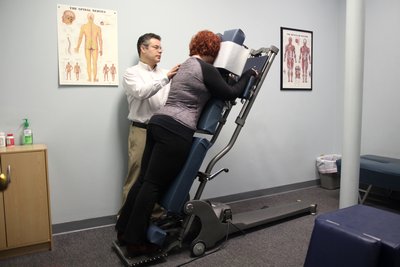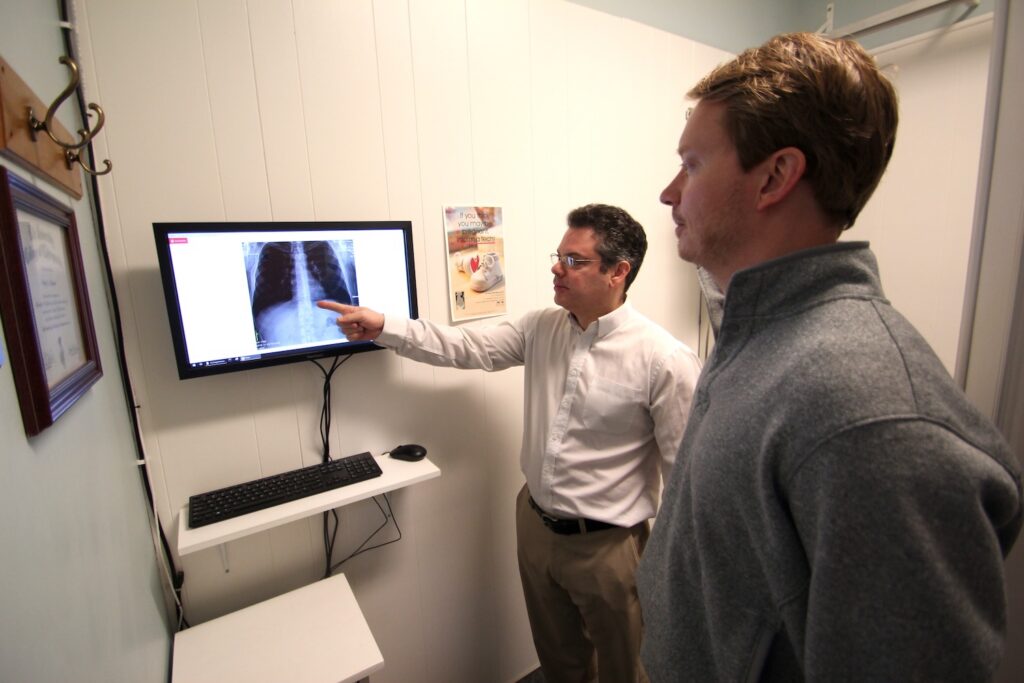

As your local chiropractor, I understand that managing neurological disorders can feel daunting. However, I want to share some natural strategies that can empower you to take charge of your health. One of the key aspects of supporting brain health is through a nutrient-rich diet. Incorporating whole foods, healthy fats, and plenty of fruits and vegetables can make a significant difference.
Regular exercise is another crucial element. Moving your body not only improves circulation but also boosts your mood and cognitive function. It's important to find activities you enjoy, whether it's walking, yoga, or strength training, to make it a sustainable part of your routine.
Hydration is often overlooked but plays a vital role in overall health. Make sure you're drinking enough water throughout the day to support your body and brain.
Additionally, practicing mindfulness techniques such as meditation or deep breathing can greatly enhance your well-being, helping to reduce stress and improve focus.
As we delve into these options, I encourage you to think about how you can seamlessly integrate them into your daily life. Remember, this is just the starting point; there are many more strategies we can explore together that can transform your approach to managing neurological challenges naturally and effectively.
Embrace a Nutrient-Rich Diet
As a chiropractor dedicated to promoting holistic health, I want to share how embracing a nutrient-rich diet can significantly enhance your overall well-being, particularly if you're managing neurological disorders. Focusing on the foods that support brain health can lead to improved function and vitality.
Start by incorporating a variety of fruits and vegetables into your meals. These foods are loaded with antioxidants, vitamins, and minerals that play a crucial role in protecting your brain from oxidative stress.
One key component to consider is omega-3 fatty acids, which are essential for optimal brain function. You can find these healthy fats in sources like fatty fish such as salmon, as well as walnuts and flaxseeds. Omega-3s have been shown to reduce inflammation and improve communication between brain cells, which is vital for cognitive health.
Whole grains should also be a regular part of your diet; they provide a steady energy source that your brain needs to function effectively. Additionally, nuts and seeds are fantastic options, as they're rich in vitamin E, which has been associated with maintaining cognitive health.
Don't forget about the perks of dark chocolate—when consumed in moderation, it can be beneficial due to its flavonoids, which may help enhance memory and lift your mood.
On the other hand, it's important to be mindful of what to limit in your diet. Processed foods, excessive sugar, and unhealthy fats can have adverse effects on your neurological health. Instead, strive for a balanced diet that includes lean proteins, healthy fats, and a colorful array of fruits and vegetables.
Stay Hydrated and Balanced
As a local Chiropractor, I want to emphasize the importance of staying hydrated for your overall health, particularly if you're managing neurological disorders.
It's crucial to ensure that you're drinking enough water and maintaining a proper balance of electrolytes, as this directly supports your brain function.
Proper hydration not only aids in physical health but also plays a vital role in your body's natural healing processes.
Let's take a moment to explore how keeping your body hydrated and balanced can lead to significant improvements in your well-being, enhancing the effectiveness of natural healing methods we discuss in our practice.
Importance of Water Intake
As your local chiropractor, I want to emphasize the importance of hydration in supporting not just your overall health but particularly your neurological well-being. Your brain relies heavily on water to function at its peak, which is crucial for maintaining focus, memory, and a positive mood. When you become dehydrated, you may experience fatigue, headaches, and even cognitive decline—issues that can worsen existing neurological conditions.
To ensure you're staying properly hydrated, I encourage you to drink water consistently throughout your day. This isn't just about satisfying thirst; it's about providing your body with the fluids it needs for essential functions, including those related to your nervous system.
Consider carrying a water bottle with you, setting reminders on your phone to drink, or adding slices of fruit to your water for a refreshing twist—find what motivates you!
Be attentive to your body's cues. If you feel thirsty, don't overlook that signal. Additionally, keep in mind that your activity level and the climate can influence how much water you need. Nutrient-rich foods like fruits and vegetables can also help boost your hydration levels.
Electrolyte Balance Essentials
As a local chiropractor, I want to help you understand the importance of maintaining a proper balance of electrolytes for your overall health and well-being, especially for your nervous system.
Electrolytes—such as sodium, potassium, and magnesium—play a vital role in transmitting signals between your brain and body. When your body is lacking these essential minerals, you may start to experience symptoms like fatigue, muscle cramps, or even mood swings.
To support your body's electrolyte balance, I encourage you to focus on a well-rounded diet filled with nutrient-rich foods such as fruits, vegetables, nuts, and seeds. For example, bananas, avocados, and spinach are excellent sources of potassium and magnesium, which are crucial for keeping your systems running smoothly.
Hydration is equally important! Water alone may not suffice, especially if you're sweating or engaging in physical activity. In those cases, it's beneficial to consider electrolyte-rich beverages or natural supplements.
It's also important to keep in mind that both excessive and insufficient intake of electrolytes can disrupt your balance. If you ever feel sluggish or notice any neurological symptoms, it might be a good idea to check your electrolyte levels.
I recommend regularly monitoring how you feel after meals and hydration to ensure you're maintaining that balance. By prioritizing your electrolyte intake, you aren't only supporting your physical health but also enhancing your neurological well-being. This can be particularly beneficial in managing any neurological disorders you may be facing.
As your chiropractor, I'm here to guide you on this journey towards better health through natural healing practices, and understanding the role of electrolytes is a key part of that process.
Incorporate Regular Exercise
As a local chiropractor, I want to emphasize the importance of incorporating regular exercise into your routine, especially if you're managing neurological disorders. Exercise is a powerful tool that can significantly enhance your overall well-being, positively influencing both your physical and mental health.
Engaging in physical activity can improve your mood, reduce anxiety, and increase your energy levels—benefits that are essential for effectively managing neurological conditions. I recommend aiming for at least 150 minutes of moderate aerobic exercise each week. Activities such as walking, swimming, or cycling are excellent choices. These exercises not only promote cardiovascular health but also enhance blood flow to the brain, which may help alleviate some of the symptoms associated with neurological disorders.
It's also important to incorporate strength training exercises at least twice a week. These can improve muscle function and coordination, which are crucial for overall mobility and stability.
I encourage you to listen to your body and choose activities that you genuinely enjoy. This will make it easier to maintain a consistent exercise routine. If you're new to exercising, it's perfectly fine to start slowly and gradually increase the intensity and duration of your workouts.
Consider joining a local fitness class or working with a personal trainer who understands the intricacies of managing neurological issues.
Setting realistic and achievable goals is key to maintaining motivation. Tracking your progress can help you see the benefits over time, which is incredibly rewarding.
Remember, it's not just about physical fitness; the mental boost you gain from regular exercise is equally important. By integrating exercise into your daily life, you empower yourself to take charge of your health and well-being, enabling you to manage your neurological disorder more effectively.
As your chiropractor, I'm here to support you on this journey to better health through natural healing practices, including the benefits of exercise. Together, we can work towards enhancing your quality of life.
Practice Mindfulness and Meditation
As a local chiropractor, I want to share with you the benefits of practicing mindfulness and meditation, especially if you're navigating the challenges of neurological disorders. These natural techniques can significantly enhance your mental clarity and emotional resilience, complementing the chiropractic care you receive.
By focusing on the present moment, mindfulness helps to reduce anxiety and stress, which can often be intensified by neurological conditions.
To begin incorporating mindfulness into your daily life, I recommend setting aside just a few minutes each day for meditation. Find a quiet space where you can relax without interruptions. Sit comfortably, close your eyes, and take deep, calming breaths. Concentrate on your breath as it moves in and out. If your mind starts to drift, gently redirect your focus back to your breathing. This practice not only helps you stay present but also cultivates a sense of control over your thoughts and emotions.
In addition to meditation, you can explore mindfulness in your everyday activities. Whether you're enjoying a meal, taking a walk, or even washing dishes, try to immerse yourself fully in the experience. Pay attention to the sensations, aromas, and sounds around you. Engaging in this way not only anchors you in the moment but also deepens your appreciation for the simple joys of life.
Incorporating mindfulness and meditation into your routine can lead to meaningful improvements in your mental health. Many of my patients report a noticeable reduction in stress levels and greater emotional stability when they practice these techniques regularly.
Explore Herbal Remedies
As a local Chiropractor, I want to share some insights into how herbal remedies can play a role in managing neurological disorders.
Many patients may not be familiar with the benefits of integrating natural solutions into their wellness routines. There are several popular herbs known for their potential to support neurological health, but it's crucial to approach them with caution.
Before incorporating any herbal remedies, I recommend evaluating their safety and appropriate dosages, as each individual's needs can vary.
By understanding how these natural options can complement chiropractic care, you can create a holistic approach to your health and well-being.
Let's take a closer look at how these herbal solutions might enhance your journey towards better neurological health.
Popular Herbal Options
As a local Chiropractor, I want to share with you some natural approaches that may help support your neurological health. Many patients are discovering the benefits of herbal remedies as part of their overall wellness journey. Here are a few popular options that have shown promise both in research and traditional practices.
One herb you might've heard about is Ginkgo biloba. It has been studied for its potential to enhance cognitive function and memory by improving blood circulation to the brain.
Another interesting option is Bacopa monnieri, a staple in Ayurvedic medicine, known for its ability to support memory and alleviate anxiety.
If mood support is what you're looking for, St. John's Wort could be worth considering, especially if you're dealing with mild to moderate depression.
Additionally, turmeric, particularly its active compound curcumin, has gained attention for its anti-inflammatory benefits, which might be helpful for conditions like multiple sclerosis.
Don't overlook valerian root, which is known for promoting better sleep and reducing anxiety—both important for overall neurological health.
Finally, lavender is well-regarded for its calming effects and can be a great ally in managing stress and anxiety.
While these herbal options can be promising for supporting your health, it's important to remember that they should complement your chiropractic care and overall wellness plan.
I encourage you to do your research and consult with a healthcare professional to ensure these remedies align with your individual needs and health conditions.
Your journey to wellness is important, and I'm here to support you every step of the way!
Safety and Dosage Considerations
As a local chiropractor, I believe it's important to educate my patients about the safety and dosage considerations when it comes to incorporating herbal remedies into your wellness routine. Many herbs can provide significant benefits, particularly for neurological health, but it's crucial to use them correctly to avoid any adverse effects.
Before starting any new herbal treatment, especially if you're already on medications or have underlying health conditions, I highly recommend consulting with your healthcare provider.
When trying out herbal remedies, start with small doses to see how your body responds. Each herb has its own potency, and what works well for one individual may not be suitable for another. For example, while ginkgo biloba is known to enhance cognitive function, taking too much can cause headaches or digestive discomfort.
Additionally, it's essential to obtain your herbs from reputable suppliers. The quality of herbal products can vary significantly, and using contaminated or adulterated items can lead to serious health risks. I advise looking for standardized extracts, as these ensure consistent dosages and effects, making them a safer option.
Keeping a journal to document your experiences with different herbs can be incredibly helpful. Note any side effects or improvements you observe; this information will be valuable during discussions with your healthcare provider.
Prioritize Sleep and Rest
As a local chiropractor, I want to emphasize the importance of prioritizing sleep and rest for those managing neurological disorders. Quality sleep is vital for your brain's recovery, enhancing cognitive function and stabilizing your mood. When you're well-rested, you're better equipped to tackle the challenges that come with neurological issues. Establishing a personalized sleep routine is crucial.
Begin by creating a consistent sleep schedule. Aim to go to bed and wake up at the same time each day, even on weekends. This consistency helps regulate your body's internal clock, making it easier to drift off to sleep and wake up feeling refreshed.
Transform your bedroom into a sleep sanctuary: keep it dark, quiet, and cool, and invest in a supportive mattress and comfortable pillows. Also, try to limit screen time at least an hour before bed, as the blue light emitted from devices can disrupt melatonin production, which is essential for sleep.
Incorporate relaxation techniques into your nightly routine. Activities such as deep breathing, meditation, or gentle yoga can help calm your mind and body, preparing you for a restful night. Additionally, steer clear of caffeine and heavy meals in the hours leading up to bedtime, as they can interfere with your ability to fall asleep.
If you find yourself struggling to sleep, don't hesitate to seek guidance from a healthcare professional. As a chiropractor, I can also assist in identifying any physical discomfort or misalignments that may be affecting your sleep quality.
Lastly, listen to your body. If you feel fatigued during the day, short naps can be beneficial to recharge your energy. Just keep them brief to avoid disrupting your nighttime sleep.
Manage Stress Effectively
As a local chiropractor, I want to emphasize the importance of managing stress for your overall health, particularly if you're dealing with neurological disorders.
Many people mightn't realize that chiropractic care can play a significant role in stress management. By incorporating mindfulness and meditation into your routine, you can create a sense of balance and calm.
Additionally, simple breathing exercises can offer immediate relief during those overwhelming moments we all experience.
Chiropractic adjustments can also help improve your body's functioning and reduce physical tension, which is often a contributor to stress.
By focusing on these natural healing techniques, you can effectively lower your stress levels and enhance your quality of life.
Mindfulness and Meditation Practices
As a local chiropractor, I want to share how mindfulness and meditation practices can be a vital part of your journey toward better health, especially if you're facing challenges like neurological disorders. Integrating these techniques into your daily routine can significantly reduce stress and enhance your overall well-being, complementing the care you receive here.
To begin, find a quiet space where you can sit comfortably without distractions. You don't need any special tools—just a chair or cushion will do. Close your eyes and focus on your breath. When thoughts pop into your mind, acknowledge them without criticism, then gently bring your attention back to your breathing. This simple exercise can help you become more aware of your thoughts and emotions, allowing you to manage stress more effectively.
I also recommend exploring guided meditations, which can be found through various apps and online resources. These can offer tailored techniques that suit your individual needs and can be a great addition to your wellness routine. Consistency is crucial; even dedicating just a few minutes each day can lead to significant improvements over time.
Moreover, mindfulness isn't limited to meditation alone. Try to practice being present in your everyday activities—whether you're enjoying a meal, taking a walk, or simply sitting quietly. This mindful approach can deepen your connection to each moment and promote a sense of calm, especially during life's ups and downs.
Breathing Exercises for Relaxation
As a local chiropractor, I want to share with you the incredible benefits of breathing exercises for relaxation, particularly for those who may be experiencing stress related to neurological disorders. Focusing on your breath is a simple yet effective way to activate your body's natural relaxation response, helping to alleviate anxiety and enhance your overall well-being.
To get started, find a quiet space where you can feel at ease without interruptions. Whether you choose to sit or lie down, make sure you're comfortable and close your eyes. Begin by inhaling deeply through your nose for a count of four, allowing your abdomen to expand fully. Hold that breath for another count of four before exhaling gently through your mouth for a count of six. Repeat this cycle several times to promote relaxation.
Another effective method is the 4-7-8 technique: inhale for four seconds, hold your breath for seven seconds, and then exhale for eight seconds. This technique is particularly helpful for releasing tension and calming the mind.
Incorporating these breathing exercises into your daily routine can significantly enhance your ability to manage stress. Whenever you find yourself feeling overwhelmed, take a moment to breathe deeply and reconnect with your body.
Consistency is essential—by practicing regularly, you can expect to see a remarkable improvement in your stress levels and a greater sense of peace in your life.
As your chiropractor, I'm here to support your journey toward natural healing and wellness. Embracing techniques like these can complement your chiropractic care and contribute to your overall health.
Connect With Support Networks
While navigating the challenges associated with neurological disorders, connecting with support networks can significantly enhance your wellness journey. As a chiropractor, I want to emphasize that these networks aren't just about emotional support—they also provide practical advice and foster a sense of community that's vital during tough times.
Remember, you aren't alone; many people are facing similar hurdles, and sharing experiences can be truly empowering.
Begin by exploring local support groups or online communities focused on health and wellness. These platforms offer a safe environment to voice your concerns, seek answers, and celebrate your achievements. Here, you'll meet individuals who genuinely understand your situation and can share valuable insights that may have worked for them.
Engaging in discussions can also be beneficial, as your story might inspire or comfort someone else who feels isolated.
In addition to these support networks, consider reaching out to healthcare professionals like myself—chiropractors who specialize in holistic approaches to health. We can provide tailored guidance and natural healing resources to help you manage your condition more effectively.
Don't underestimate the importance of involving family and friends in your journey, too. Their support can be invaluable, whether it's attending appointments with you or assisting with daily tasks.
Limit Alcohol and Caffeine
As a local chiropractor dedicated to your overall wellness, I want to emphasize the importance of considering how your lifestyle choices impact your neurological health, especially when it comes to alcohol and caffeine consumption. Many people may not realize just how these substances can influence your nervous system.
Alcohol acts as a depressant, which can worsen symptoms associated with neurological disorders such as anxiety and depression. While it might seem like a drink helps you relax at the end of the day, it can actually disrupt your sleep, leading to increased fatigue. This fatigue can negatively impact your cognitive function and overall well-being.
For those of you managing neurological conditions, I encourage you to think about limiting or even eliminating alcohol from your routine.
On the flip side, caffeine is a stimulant. While it may provide a short-term boost in energy and alertness, it can also increase feelings of anxiety and restlessness for some individuals. Additionally, caffeine can trigger migraines or exacerbate symptoms of certain disorders.
If you're finding yourself dependent on coffee or energy drinks, I suggest gradually reducing your intake. This can help you notice any improvements in your mood and energy levels.
As your chiropractor, I believe in a holistic approach to health. By making mindful choices regarding alcohol and caffeine, you can support your nervous system and overall vitality.
Let's work together on your journey to optimal health!
Monitor Symptoms and Progress
Regularly monitoring your symptoms and progress is crucial for effectively managing neurological disorders, and as your chiropractor, I want to help you understand how this can enhance your healing journey.
By keeping track of your symptoms, you can identify important patterns and triggers, which allows us to tailor your natural management strategies. This proactive approach empowers you to take an active role in your health and well-being.
Here are three essential strategies for monitoring your symptoms that I encourage you to adopt:
- Keep a Symptom Journal: I recommend maintaining a daily journal where you can document your symptoms, their intensity, and any potential triggers. This could include factors like your diet, levels of stress, and sleep patterns. Over time, you'll likely identify trends that can help us customize your chiropractic care and natural healing methods.
- Schedule Regular Reviews: It's beneficial to set aside time, whether weekly or monthly, to review your symptom journal and reflect on any changes. Consider what's working well and what might require adjustments. This practice enables us to make informed decisions about your lifestyle and treatment options, ensuring that we're both on the same page in your healing process.
- Communicate with Me: Keeping an open line of communication with me is vital. Sharing your symptom journal during our appointments will provide valuable insights that can enhance your treatment plan. Together, we can ensure that our goals for your management align perfectly, paving the way for a more effective path to wellness.
Conclusion
As your local chiropractor, I want to share some valuable insights on how to manage neurological disorders naturally. By adopting these holistic strategies, you can empower yourself in your journey toward better health. Start by nourishing your body with a balanced diet rich in nutrients that support brain function. Staying adequately hydrated is also crucial for maintaining optimal neurological health.
Incorporating regular exercise into your routine not only benefits your physical health but can also have positive effects on your neurological well-being. Additionally, practicing mindfulness techniques can help reduce stress and enhance your mental clarity. I encourage you to explore herbal remedies, as some may offer supportive benefits for your condition.
Connecting with local support networks is essential; they can provide the emotional encouragement you need. As you monitor your symptoms, you'll become more attuned to your body's responses, allowing for informed decisions regarding your care. Remember, even small lifestyle changes can yield significant improvements in your overall well-being and quality of life. Together, we can explore how chiropractic care and natural healing methods can play a role in your health journey.