As a local chiropractor, I understand that many of you may be grappling with lower back pain, and it's important to know that you're not alone in this struggle. Finding effective relief can sometimes feel overwhelming, but I'm here to guide you through some natural healing approaches that can make a significant difference.
Chiropractic care is one of the many options available to help you manage your pain. I encourage you to consider combining different treatments for a more holistic approach to your wellness. Here are five effective treatments that could greatly improve your experience with back pain:
- Chiropractic Adjustments: By aligning your spine and improving your posture, chiropractic adjustments can alleviate pressure on the nerves and reduce pain.
- Physical Therapy: Working alongside a physical therapist can help you strengthen your back muscles and improve flexibility, which is vital for long-term relief.
- Exercise and Stretching: Incorporating gentle exercises and stretches into your daily routine can enhance mobility and prevent future injuries.
- Massage Therapy: Therapeutic massage can help relax tight muscles, improve circulation, and promote overall relaxation, providing substantial relief from discomfort.
- Lifestyle Modifications: Simple changes such as improving your workstation ergonomics, maintaining a healthy weight, and practicing good posture can contribute to reducing back pain.
I invite you to explore these treatments and discover how they can work in synergy to support your journey to wellness. Together, we can find the right combination that helps you reclaim a pain-free life.
Physical Therapy
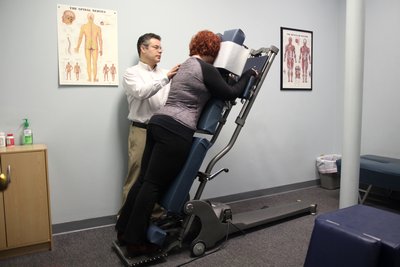
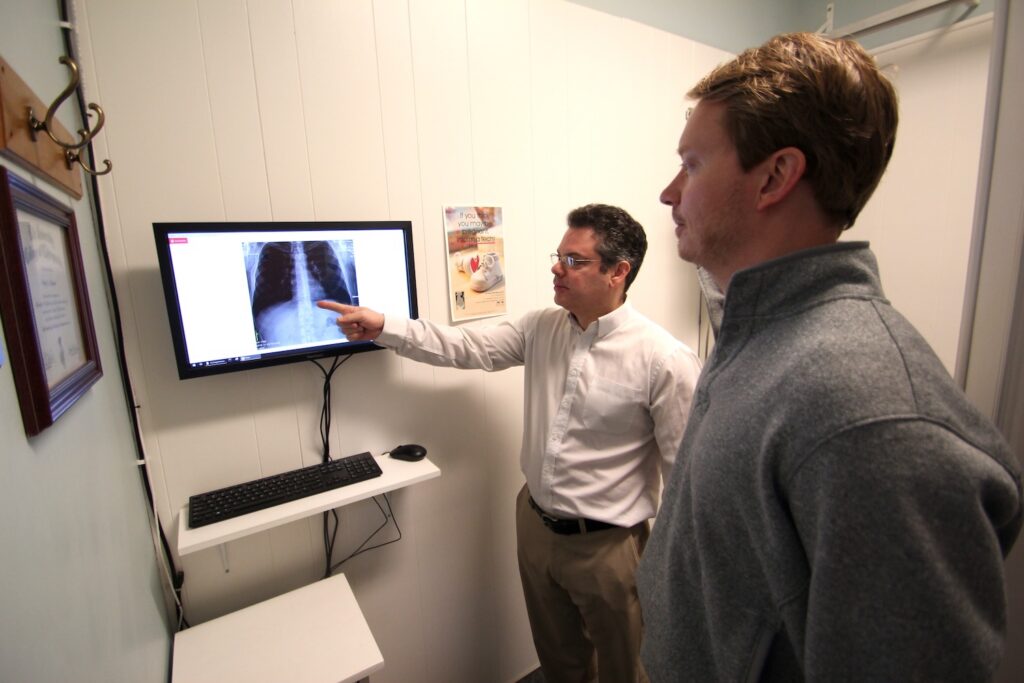
When it comes to relieving lower back pain, chiropractic care is often one of the most effective natural healing options available. This approach emphasizes addressing the root causes of your discomfort rather than merely masking the symptoms. As a local chiropractor, my goal is to evaluate your condition, identify any misalignments in the spine, and develop a personalized treatment plan tailored to your specific needs.
During your visits, you'll experience a variety of techniques focused on restoring proper function to your spine and improving your overall well-being. A key aspect of chiropractic care is spinal adjustments, which help realign your vertebrae and improve your posture—crucial for preventing further strain on your back.
I may also incorporate other modalities, such as soft tissue therapy and rehabilitative exercises, to enhance your mobility and alleviate tension.
One of the wonderful benefits of chiropractic care is that it empowers you to take active control of your recovery. You'll learn how to perform daily activities with proper body mechanics, reducing the risk of reinjury. I'll teach you specific movements and techniques that can help effectively manage your pain.
Additionally, you'll gain a deeper understanding of how your body functions and the importance of ergonomics in your daily life. This knowledge can significantly reduce your discomfort and enhance your quality of life over time. By actively participating in your treatment, you'll be equipped with the tools to proactively manage your lower back pain.
Ultimately, chiropractic care provides not only pain relief but also a pathway to improved overall health, making it an essential component of your recovery journey. Together, we can work towards achieving a pain-free and healthy lifestyle.
Exercise and Stretching
As a local chiropractor dedicated to helping patients understand the benefits of chiropractic care and natural healing, I want to emphasize the importance of regular exercise and stretching in alleviating lower back pain. Engaging in physical activity is crucial because it strengthens your core muscles, which play a vital role in supporting your spine. This support can significantly reduce the strain on your back.
I recommend aiming for at least 30 minutes of moderate exercise most days of the week. Activities such as walking, swimming, or cycling are fantastic options, as they enhance blood flow and flexibility without putting undue pressure on your back.
Stretching is another key component in managing lower back pain. It helps maintain flexibility and can prevent stiffness, which often contributes to discomfort. Focus on stretches that specifically target your lower back, hips, and hamstrings.
Movements like the cat-cow stretch, child's pose, and knee-to-chest stretch can provide immediate relief. Holding each stretch for 15-30 seconds and repeating it a few times can enhance your range of motion over time.
Before embarking on any new exercise program, it's essential to consult with your healthcare provider, including your primary doctor or physical therapist, especially if you're experiencing severe or persistent pain. They can offer tailored recommendations based on your individual condition.
Always listen to your body; if something feels painful, it's important to stop and reassess.
Incorporating a balanced mix of aerobic exercise, strength training, and targeted stretching into your routine won't only help alleviate lower back pain but also improve your overall health and well-being.
Medications and Pain Relief
For many individuals experiencing lower back pain, exploring natural healing options can significantly enhance your quality of life. As a local chiropractor, I believe it's essential to understand the holistic approaches available to you.
While medications like over-the-counter (OTC) pain relievers, such as ibuprofen or acetaminophen, are commonly used to manage discomfort, they may not address the underlying issues causing your pain.
Chiropractic care focuses on identifying and treating the root causes of lower back pain, rather than just masking symptoms with medications. Techniques such as spinal adjustments can help restore proper alignment, relieve tension, and improve mobility. By addressing misalignments in your spine, we can reduce inflammation and alleviate pain, enabling you to engage in your daily activities more comfortably.
If you find that OTC medications are insufficient, it's worth considering a holistic approach that might include chiropractic adjustments, physical therapy, and lifestyle modifications. In situations where muscle spasms accompany your lower back pain, we can provide targeted treatments to promote relaxation and healing, allowing you to move more freely.
Additionally, there are topical treatments, like creams or patches, that may complement your chiropractic care by providing localized relief. However, it's essential to use these in conjunction with a comprehensive treatment plan tailored to your specific needs.
While medications can be part of pain management, I encourage you to explore the benefits of chiropractic care and other natural healing methods. Always consult with your healthcare provider to ensure you're taking the right approach for your situation.
Alternative Therapies
As a local chiropractor, I want to share with you some insights on how alternative therapies can be a valuable part of your journey to relieve lower back pain and enhance your overall well-being. These approaches often work hand-in-hand with traditional treatments, providing a holistic method for achieving pain relief.
Chiropractic care is a cornerstone of alternative therapies for back pain. At our practice, we focus on manual manipulation techniques to align your spine. This realignment can relieve pressure on nerves and reduce pain, allowing your body to heal more effectively. Many of my patients find that regular chiropractic visits yield long-term benefits, making it a worthwhile option to consider.
Another beneficial therapy is acupuncture, an ancient Chinese practice that involves inserting thin needles into specific points on your body. This method has helped many individuals experience significant relief from lower back pain after just a few sessions. If you're open to exploring this, I can help you find a licensed acupuncturist in our area.
Massage therapy is also an essential component of managing lower back pain. A skilled massage therapist can work on tight muscles and improve circulation, which promotes relaxation and alleviates discomfort. I often recommend trying various modalities, such as deep tissue or trigger point therapy, to discover what best suits your needs.
Incorporating practices like yoga and tai chi can also be beneficial. These mindful movements improve flexibility, strengthen your core, and enhance body awareness, all of which can help you manage pain and prevent future episodes.
Lastly, consider the use of essential oils and herbal remedies for comfort and relaxation. While these can be a wonderful addition to your routine, it's always best to consult with me or another healthcare professional before trying new products.
Lifestyle Modifications
As a local chiropractor, I want to share with you some simple yet effective lifestyle modifications that can significantly aid in the management of your lower back pain. One of the first steps is to focus on maintaining a healthy weight. Carrying excess weight can add unnecessary strain to your back, so I encourage you to adopt a balanced diet and regular exercise routine. This approach not only helps in shedding those extra pounds but also alleviates pressure on your spine, which is crucial for overall spinal health.
Next, let's talk about posture, which is essential for reducing strain on your lower back. Whether you're sitting at a desk, standing, or lifting objects, maintaining proper alignment is key. I recommend adjusting your workspace so that your computer screen is at eye level, and using ergonomic chairs that provide spinal support.
Remember, when lifting, always bend your knees instead of your back to avoid injury.
Incorporating regular physical activity into your daily routine is vital for strengthening your core muscles, which support your lower back. Activities such as walking, swimming, or practicing yoga can be very beneficial. Aim for at least 30 minutes of moderate exercise most days of the week to keep your back healthy.
Don't overlook the benefits of stretching! Regularly stretching your back and hamstrings can enhance flexibility and reduce tension, helping to prevent future pain. Consider adding gentle stretches to your morning or evening routine.
Lastly, never underestimate the importance of quality sleep. A comfortable mattress and supportive pillows can significantly influence how your back feels each morning. Aim for 7-9 hours of restorative sleep each night, as this is vital for recovery and overall health.
By making these lifestyle modifications, you can take significant steps toward improving your lower back health and enhancing your overall well-being.
Conclusion
As a local chiropractor dedicated to helping you find relief from lower back pain, I want to share some effective treatments that can make a significant difference in your well-being. First and foremost, chiropractic care focuses on aligning your spine and improving your overall posture, which can alleviate pain and enhance your mobility.
Incorporating physical therapy and regular exercise into your routine is essential. These practices not only strengthen your core but also support your spine, reducing the likelihood of future discomfort. I encourage you to explore gentle stretching exercises to maintain flexibility and prevent stiffness.
Medications can be useful for managing pain, but I advocate for natural approaches first. Alternative therapies, such as acupuncture or massage, can complement chiropractic adjustments and provide additional relief.
Lastly, it's important to make lifestyle modifications that promote back health—this includes maintaining a healthy weight, engaging in ergonomic practices at work, and ensuring you get quality sleep. By prioritizing these steps and considering chiropractic care, you can significantly improve your comfort and overall quality of life. Remember, I'm here to support you on this journey to better health!