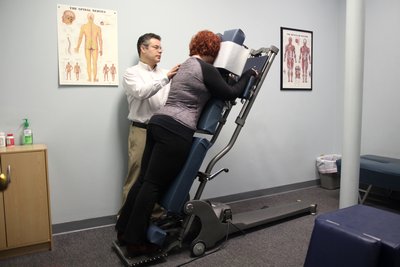
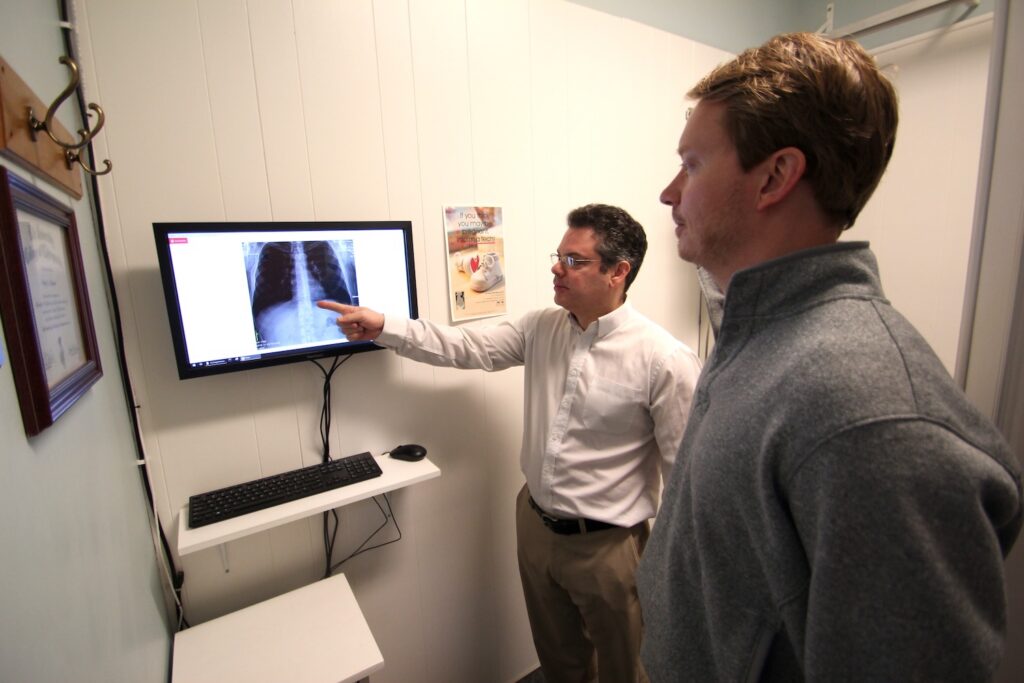
As a local chiropractor, I want to help you understand how chiropractic techniques can play a vital role in your recovery from sports injuries. Many patients are surprised to learn that methods such as spinal manipulation and soft tissue therapy can not only relieve pain but also improve your athletic performance. Each technique I use, whether it's the Diversified approach or deep tissue massage, is specifically designed to meet your individual needs.
You may be wondering what makes these methods so effective and how they can expedite your return to the field. By exploring the nuances of these chiropractic strategies, you may discover valuable insights that could significantly enhance your recovery plan. My goal is to empower you with knowledge about how natural healing through chiropractic care can benefit your body and help you get back to doing what you love.
Understanding Chiropractic Care
As a local chiropractor, I want to share with you the vital role chiropractic care can play in your recovery from sports injuries, even if you're not familiar with how it works. When you participate in sports, your body experiences significant stress and strain, which can lead to misalignments or dysfunctions in your joints and muscles. My goal is to help you understand how I can identify these issues and provide personalized adjustments to restore proper alignment, ultimately enhancing your recovery process.
Chiropractic adjustments are particularly beneficial for athletes, as they can significantly improve your range of motion—a crucial factor for performing at your best. By correcting misalignments, I help your body operate more efficiently, allowing you to train and compete with greater ease. Moreover, these adjustments can relieve pain and reduce inflammation, which means you can get back to your favorite sport sooner.
One of the highlights of chiropractic care is its holistic approach. Instead of merely treating the symptoms of your injury, I focus on uncovering the underlying causes of your discomfort.
I often incorporate complementary therapies, such as soft tissue work, stretching, and tailored exercise recommendations, to promote your overall well-being. This comprehensive strategy ensures that not only are you healing from your current injury, but you're also less likely to suffer from future injuries.
As we work together, I'll provide you with personalized advice on posture, biomechanics, and injury prevention strategies that are specific to your sport. This empowerment allows you to take an active role in your recovery and enhances your athletic performance, making chiropractic care an essential component of your sports injury recovery journey.
I'm here to help guide you every step of the way.
Common Sports Injuries
As a local chiropractor, I want to take a moment to educate you about common sports injuries and how chiropractic care can play a vital role in your recovery and prevention. Whether you're a casual participant or a serious athlete, injuries can happen to anyone engaged in sports. Understanding these injuries is crucial for recognizing symptoms and knowing when to seek help.
One of the most frequent injuries I see is a sprain, which occurs when ligaments are overstretched or torn. Ankle sprains are particularly common in activities like basketball and soccer. If you experience swelling, bruising, or pain that makes it hard to put weight on your ankle, it's important to seek care. Chiropractic adjustments and therapies can help reduce inflammation and restore mobility.
Strains, which involve muscles or tendons, are another common issue. These often arise during activities that require sudden movements or heavy lifting, like running or weightlifting. Symptoms like muscle spasms, weakness, and discomfort can benefit from chiropractic care, which focuses on aligning your body and enhancing muscle function for a smoother recovery.
Tendinitis, often seen in sports that involve repetitive motions such as tennis or swimming, can cause pain and stiffness around the joints due to tendon inflammation. Chiropractic techniques, including gentle adjustments and soft tissue therapies, can help alleviate pain and promote healing by improving blood flow and reducing tension in the affected areas.
Fractures, whether from falls, direct impacts, or overuse, can be serious. Stress fractures, in particular, are tiny cracks in the bone that develop over time, especially in runners. While chiropractic care isn't a substitute for medical treatment for fractures, it can support your recovery by addressing any musculoskeletal imbalances that may have contributed to the injury.
Finally, concussions are serious injuries often seen in contact sports like football or hockey. Symptoms such as headaches, confusion, and balance issues should never be ignored. If you suspect a concussion, it's imperative to seek medical attention right away. Chiropractic care can also assist in recovery by addressing any neck or spinal issues that may accompany the injury.
By recognizing these common sports injuries, you can take proactive steps toward prevention and recovery. Chiropractic care offers a natural and holistic approach to healing, ensuring that you can get back to doing what you love with improved strength and stability.
Always remember, your health and wellbeing are paramount, and I'm here to support you on your journey to optimal performance.
Spinal Manipulation Techniques
As a local chiropractor, I want to help you understand how spinal manipulation techniques can significantly aid in your recovery from sports injuries. These methods focus on realigning your spine, which can improve your overall function and alleviate pain.
When your spine is properly aligned, your body can heal more effectively, allowing you to regain your full range of motion.
Let me introduce you to some common spinal manipulation techniques you may encounter during your treatment:
- Diversified Technique: This is one of the most widely practiced methods in chiropractic care. It involves quick, precise thrusts aimed at restoring spinal alignment. This technique is particularly effective for various conditions, including lower back pain.
- Gonstead Technique: This technique emphasizes a thorough analysis of your spine, focusing on specific segments that may be misaligned. The goal is to correct these misalignments and restore balance to your body, promoting optimal health.
- Thompson Drop Table Technique: In this approach, we use a specialized table that allows for a gentle drop during adjustments. This reduces the force needed while enhancing your comfort throughout the process.
- Activator Method: For those who prefer a gentler approach, this technique employs a small handheld device to deliver precise adjustments without the traditional thrusting motion. It's a great option for patients seeking a more subtle treatment.
Incorporating these spinal manipulation techniques into your recovery plan can lead to reduced pain and improved mobility.
It's essential to work with a qualified chiropractor who can customize your treatment based on your specific needs. By choosing the right approach, you'll be well on your way to getting back to your favorite activities in no time!
If you have any questions about chiropractic care or how it can support your healing journey, feel free to reach out.
Soft Tissue Therapy
When it comes to recovering from sports injuries, soft tissue therapy is a vital component of your healing journey. As a chiropractor, I want to emphasize how this technique focuses on your muscles, tendons, ligaments, and fascia. By addressing issues such as tension, inflammation, and scar tissue, we can work together to enhance circulation, reduce pain, and promote overall healing.
One of the most common methods we utilize in soft tissue therapy is massage. This technique is crucial for releasing tight muscles and alleviating soreness, ultimately improving your range of motion. Approaches like deep tissue massage and trigger point therapy specifically target areas of discomfort, helping to break down muscle knots and encourage relaxation.
Another effective method we incorporate is myofascial release. This treatment focuses on the fascia, the connective tissue that surrounds your muscles. By applying gentle pressure, we can help restore movement and relieve pain, especially in areas that may not respond well to traditional massage techniques.
I also recommend considering Active Release Technique (ART). This innovative method involves manipulating and stretching the muscle while you move, allowing us to target specific restrictions. ART can be particularly beneficial for athletes recovering from repetitive strain injuries, as it aims to restore proper function and mobility.
Lastly, I encourage you to incorporate tools like foam rollers or massage balls into your routine. These self-myofascial release techniques can help you maintain muscle elasticity and prevent future injuries.
Rehabilitation and Recovery Strategies
As a local chiropractor dedicated to your health and well-being, I want to emphasize the importance of having a structured rehabilitation and recovery strategy after experiencing a sports injury. It's crucial not only for restoring your strength and function but also for preventing future injuries.
Here's how we can effectively approach your recovery process together:
- Consultation and Assessment: Your journey begins with a visit to my practice. I'll conduct a thorough assessment of your condition, focusing on understanding the specifics of your injury. This personalized evaluation allows me to create a tailored rehabilitation program that addresses your unique needs.
- Gradual Progression: Together, we'll start with gentle exercises aimed at improving your mobility and flexibility. As your body begins to heal, we'll gradually increase the intensity and load of your activities. This careful progression is key to minimizing the risk of re-injury and ensuring a safe recovery.
- Incorporating Strength Training: Once we've regained your range of motion, I'll guide you in integrating strength training into your routine. This step is vital for rebuilding muscle strength and stability, which are essential for adequately supporting your joints and preventing future injuries.
- Emphasizing Rest and Recovery: I can't stress enough the importance of rest in your recovery process. Your body needs time to heal, so we'll work together to establish a recovery plan that includes rest periods.
Additionally, I may recommend modalities such as ice therapy or compression techniques to help reduce swelling and promote healing.
Conclusion
As a local chiropractor, I want to share how incorporating chiropractic techniques into your sports injury recovery can truly transform your healing experience. Many people may not be familiar with how spinal manipulation and soft tissue therapies work, but together they can significantly enhance your recovery process, allowing you to return to the activities you love more quickly.
It's important to recognize that every athlete has unique needs, which is why I emphasize the importance of personalized treatment plans. By collaborating with a chiropractor, we can tailor your care to address your specific injuries and goals, ensuring that you receive the most effective treatment possible.
Prioritizing your health is key, and with the right chiropractic care, you'll be back in the game sooner than you might expect. If you have questions about how natural healing can aid in your recovery, please feel free to reach out. I'm here to help you understand the benefits of chiropractic care and support you on your journey to optimal health.