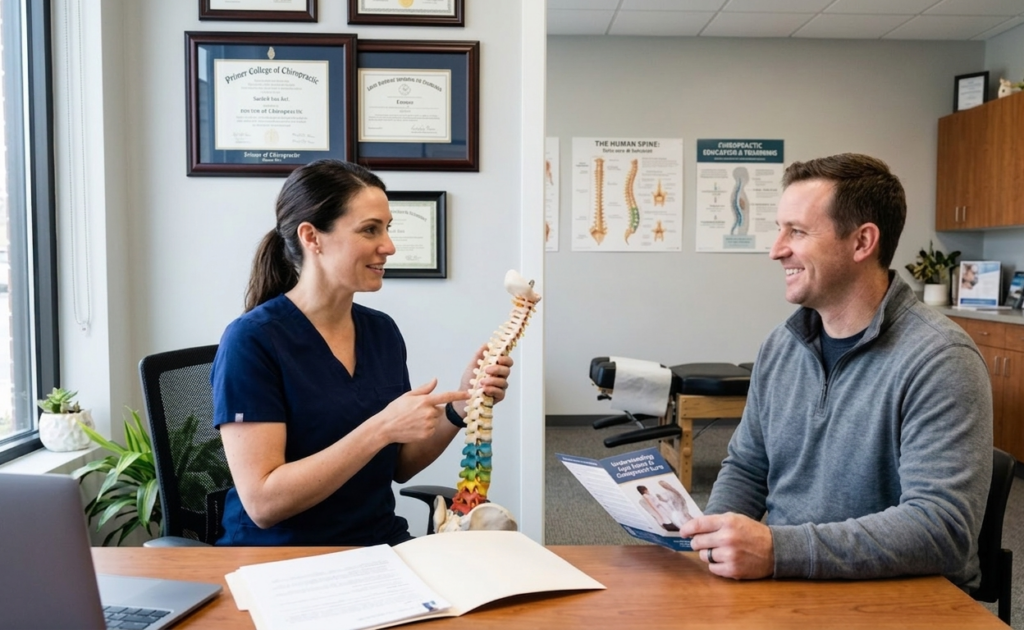

When it comes to managing back pain, you might find that a one-size-fits-all approach just doesn't cut it. Personalized back pain plans take into account your unique circumstances, from your lifestyle to the specific triggers of your discomfort. By focusing on these individual factors, such plans can lead to more effective and sustainable outcomes. But what are the critical components that make personalization so essential? Understanding this could change the way you approach your pain management journey.
Understanding Back Pain
Back pain can be a frustrating and debilitating experience that affects your daily life. Understanding the root of your discomfort is essential for finding effective relief. Back pain can stem from various causes, including muscle strain, herniated discs, or even poor posture. When you know what's causing your pain, you can address it more effectively.
Muscle strains often occur from overexertion or awkward movements, leading to tightness and discomfort. You might notice this pain after lifting something heavy or after sitting for long periods without proper support.
Herniated discs, on the other hand, can cause nerve compression, resulting in sharp pain that radiates down your legs. Identifying whether you're dealing with muscular or nerve-related issues can help you tailor your treatment approach.
Additionally, your posture plays an important role in back health. Sitting or standing incorrectly can create imbalances, leading to chronic pain. Pay attention to your body mechanics during daily activities. Simple adjustments, like keeping your back straight and using ergonomic furniture, can make a significant difference.
Lastly, emotional stress can also contribute to back pain. Stress often leads to muscle tension, exacerbating your discomfort. Finding ways to manage stress through relaxation techniques or physical activity can be beneficial.
Limitations of Generic Plans
Generic back pain plans often miss the mark because they don't account for your unique situation.
Everyone experiences pain differently, and a one-size-fits-all approach can lead to frustration and ineffective treatment.
Understanding these limitations is essential for finding a plan that truly works for you.
One-Size-Fits-All Ineffectiveness
When it comes to managing back pain, relying on a one-size-fits-all approach often falls short. Generic plans may seem convenient, but they overlook the unique characteristics of your situation. As a result, you might find yourself frustrated and stuck in a cycle of trial and error.
Here are some key reasons why these generic solutions fail:
- Variability in Pain Types: Back pain can stem from various causes, including muscle strain, herniated discs, or arthritis. Each requires a different treatment approach.
- Different Body Types: Everyone's body is unique, with varying levels of strength, flexibility, and posture. A plan that works for one person may not suit your specific needs.
- Lifestyle Factors: Your daily activities, job demands, and stress levels play a considerable role in how you experience pain, yet generic plans often ignore these elements.
- Emotional Well-being: Mental health can greatly impact your physical pain. A one-size-fits-all plan rarely addresses the emotional factors contributing to your discomfort.
Variability in Individual Needs
Your individual needs play a significant role in effective back pain management. Generic plans often overlook vital factors that can impact your recovery journey. For instance, your age, lifestyle, physical condition, and personal history with back pain all contribute to how you respond to treatment. A one-size-fits-all approach mightn't address specific weaknesses or strengths in your body, leading to frustration and slow progress.
Consider how your daily activities influence your back pain. If you sit for long hours or engage in heavy lifting, your needs will differ from someone who's more active or works in a different environment. Generic plans fail to adapt to these variations, leaving you without the tailored strategies that can truly make a difference.
Additionally, emotional and psychological factors can play a role in how you perceive and manage pain. Stress, anxiety, and your overall mental health can affect your pain levels and recovery process. Without a personalized plan that considers these aspects, you might miss out on essential coping mechanisms.
Ultimately, recognizing the variability in your individual needs is key to cultivating an effective and sustainable back pain management strategy.
Benefits of Personalization
Personalization enhances the effectiveness of back pain management strategies, ensuring that treatment plans align with individual needs and circumstances. When you have a tailored approach, you're more likely to experience relief and improve your quality of life.
Here are some key benefits of personalized back pain plans:
- Targeted Treatments: By addressing your specific symptoms and underlying causes, personalized plans can incorporate targeted therapies that are more effective for your condition.
- Increased Motivation: When your treatment aligns with your personal goals and preferences, you're more motivated to stick with the program. This commitment can lead to better adherence and long-term success.
- Holistic Approach: Personalized plans often consider your lifestyle, physical activity levels, and mental health, providing an all-encompassing approach to pain management that takes every aspect of your life into account.
- Adaptive Strategies: As your condition changes or improves, personalized plans can easily adapt to reflect your progress, ensuring that you always have the most effective strategies in place.
Key Factors to Consider
Creating an effective personalized back pain plan requires careful consideration of several key factors. First, you need to assess your specific condition. Every individual experiences back pain differently, so understanding the root cause—whether it's a muscle strain, herniated disc, or arthritis—is essential. This can help you and your healthcare provider tailor a plan that addresses your unique needs.
Next, consider your lifestyle. Your daily activities, work environment, and fitness level play significant roles in your back health. If you sit for long periods, you may need exercises that focus on improving posture and strengthening your core. On the other hand, if you're active, your plan might include stretching and recovery strategies to prevent injuries.
It's also important to evaluate your pain tolerance and response to various treatments. Some people find relief with physical therapy, while others may benefit from acupuncture or chiropractic care. Be open about your preferences and past experiences to find what works best for you.
Lastly, think about your long-term goals. Are you aiming for pain relief, improved mobility, or enhanced strength? Setting clear, achievable objectives can help guide your progress and keep you motivated.
Types of Personalized Plans
When it comes to managing your back pain, different types of personalized plans can make a real difference.
You might explore physical therapy techniques, exercise regimens tailored to your needs, and effective pain management strategies. Each of these components plays an essential role in creating a plan that works best for you.
Physical Therapy Techniques
Physical therapy offers a range of techniques tailored to address individual back pain issues effectively. By working with a skilled physical therapist, you can discover specific methods that fit your unique needs. This personalized approach not only improves your physical condition but also empowers you to take control of your recovery.
Some effective physical therapy techniques include:
- Manual Therapy: Hands-on techniques to relieve tension and improve mobility.
- Modalities: Use of heat, ice, ultrasound, or electrical stimulation to reduce pain and inflammation.
- Stretching and Strengthening: Customized stretches to enhance flexibility combined with strength-building exercises to support your back.
- Education and Ergonomics: Guidance on posture, body mechanics, and lifestyle changes to prevent future pain.
Integrating these techniques into your treatment plan can lead to significant improvements in your pain levels and overall quality of life.
Your therapist will assess your progress and adjust your plan as needed, ensuring that you're always on the path to recovery. Embracing these personalized physical therapy techniques can make a world of difference in your journey toward a pain-free back.
Exercise Regimens Tailored
Tailored exercise regimens are fundamental for effectively managing back pain and promoting recovery. When you engage in a personalized exercise plan, you address the specific factors contributing to your discomfort. This approach not only enhances your overall strength but also improves flexibility and posture, which are essential in alleviating pain.
Your tailored regimen might include low-impact exercises like swimming or cycling, which minimize strain on your back while still providing cardiovascular benefits. Strength training can also play an important role by targeting the core muscles that support your spine. Simple exercises such as bridges, planks, or bird-dogs can greatly enhance your stability.
Furthermore, your plan should include stretching exercises that promote muscle relaxation and increase your range of motion. Incorporating gentle yoga or Pilates can help you learn proper body mechanics, reducing the risk of future injuries.
Consulting with a healthcare professional guarantees that your tailored regimen is safe and effective. They'll help you identify the right exercises to suit your needs and monitor your progress.
Pain Management Strategies
Effective pain management strategies are essential for anyone dealing with back pain. You need a personalized approach that addresses your specific needs and preferences.
Here are some effective strategies you might consider incorporating into your plan:
- Medication: Over-the-counter pain relievers or prescription medications can help manage your pain levels effectively.
- Physical Therapy: A tailored program with a physical therapist can strengthen your back and improve your mobility.
- Mindfulness and Relaxation Techniques: Practices like yoga or meditation can help you manage stress and reduce pain perception.
- Alternative Therapies: Acupuncture or chiropractic care may provide relief by addressing underlying issues contributing to your pain.
Role of Healthcare Providers
In the journey toward managing back pain, healthcare providers play an essential role in crafting personalized treatment plans. They begin by conducting thorough assessments to understand your unique situation. This includes reviewing your medical history, performing physical examinations, and possibly recommending diagnostic tests. By gathering all this information, they can identify the root causes of your pain and tailor a strategy specifically for you.
Once they've pinpointed the underlying issues, healthcare providers collaborate with you to set realistic goals. They'll discuss various treatment options, which may include physical therapy, medication, or lifestyle changes. This dialogue is vital, as it guarantees you're actively involved in your care. Your provider will explain the potential benefits and risks of each approach, empowering you to make informed decisions.
Moreover, healthcare providers continuously monitor your progress. They adjust treatment plans as needed based on how you respond. If a particular strategy isn't yielding the desired results, they'll explore alternatives, guaranteeing that you're always moving toward relief.
They also serve as educators, providing valuable resources and advice on managing pain, preventing flare-ups, and improving overall well-being.
Ultimately, having a dedicated healthcare provider who understands your specific needs can make all the difference. By fostering a strong partnership, you'll be better equipped to navigate the complexities of back pain and find effective solutions tailored just for you.
Patient Involvement and Feedback
Taking an active role in your back pain management can greatly enhance your treatment experience. When you engage with your healthcare team, you not only empower yourself but also contribute valuable insights that can shape your personalized plan. Your feedback is essential, as it helps providers understand what works for you and what doesn't.
Here are some ways you can get involved:
- Communicate openly: Share your symptoms, concerns, and any changes you notice. This transparency allows for adjustments to your treatment plan.
- Set achievable goals: Collaborate with your healthcare provider to establish realistic and measurable goals. This keeps you motivated and focused on progress.
- Provide feedback on treatments: Let your provider know how various treatments impact your pain levels and daily activities. This information is vital for optimizing your plan.
- Participate in follow-ups: Attend follow-up appointments to discuss your progress and any challenges you face. Consistent communication guarantees your plan evolves with your needs.
Success Stories and Case Studies
Many individuals have transformed their lives through personalized back pain plans, showcasing the power of tailored treatments.
Take, for example, Sarah, a 38-year-old office worker who struggled with chronic lower back pain for years. After evaluating her lifestyle, her healthcare provider designed a custom plan that included targeted exercises, ergonomic adjustments at her workstation, and mindfulness practices. Within weeks, Sarah noticed significant improvements, allowing her to enjoy activities she'd long avoided.
Then there's Mark, a retired firefighter who faced debilitating pain from a past injury. By incorporating a mix of physical therapy, strength training, and nutritional guidance into his personalized plan, he regained mobility and strength. Mark's success story highlights how a holistic approach can lead to remarkable outcomes, proving that addressing the root causes of pain matters.
Another inspiring case is Lisa, who suffered from sciatica. After engaging in a personalized plan focused on stretching, posture correction, and stress management, she experienced not just relief from pain but also a renewed sense of energy. Her story emphasizes that recovery isn't just about physical treatment; emotional and mental well-being play essential roles too.
These success stories illustrate that personalized back pain plans can lead to significant improvement in quality of life. By addressing each individual's unique situation, these tailored approaches can bring relief, restore function, and empower you to reclaim your life.
You're not just a statistic; your journey can inspire others to find their path to healing.
Future of Back Pain Management
As personalized back pain plans continue to prove their effectiveness, the future of back pain management is evolving rapidly. You're likely to see a shift toward more tailored approaches that consider your unique needs and circumstances. This evolution is driven by advancements in technology, research, and a deeper understanding of pain mechanisms.
In the coming years, you might experience the following changes in back pain management:
- Data-Driven Insights: With wearable technology and health apps, you'll have access to real-time data that can help healthcare providers understand your pain patterns better.
- Telehealth Integration: Virtual consultations will become more common, allowing you to connect with specialists from the comfort of your home, making it easier to receive personalized care.
- Holistic Approaches: Expect an increase in multidisciplinary teams combining physical therapy, psychological support, and nutritional guidance tailored to your specific back pain issues.
- AI and Machine Learning: These technologies will enhance diagnostic accuracy, enabling providers to develop more effective, customized treatment plans based on extensive patient data.
Conclusion
In conclusion, personalized back pain plans are essential for effectively managing your discomfort. By focusing on your unique experiences and needs, these tailored strategies lead to better outcomes and improved quality of life. Remember, the journey to recovery is a partnership between you and your healthcare provider. Embrace your involvement, provide feedback, and stay motivated. Together, you can navigate the complexities of back pain and find the relief you deserve. Your path to wellness starts with personalization.