
If you're struggling with lower back pain, you're not alone, and you don't have to just endure it. There are practical steps you can take today to alleviate discomfort and improve your overall well-being. From adjusting your posture to incorporating targeted exercises, these strategies can help you regain control. But, you might be wondering which specific tips will provide the most immediate relief and fit seamlessly into your daily routine. Let's explore some effective approaches that could make a noticeable difference in how you feel.
Practice Good Posture
While you may not realize it, practicing good posture can greatly alleviate lower back pain. You might spend hours hunched over your computer or slouching on the couch, but adjusting your position can make a world of difference. When you sit or stand correctly, you support your spine's natural curve, reducing strain on your back muscles.
To begin, when sitting, make sure your feet are flat on the floor, and your knees are at or slightly below hip level. Use a chair that provides good lumbar support, or add a cushion to support the curve of your lower back. Keep your shoulders relaxed and avoid leaning forward; instead, position your screen at eye level to minimize neck strain.
When standing, distribute your weight evenly on both feet. Your feet should be shoulder-width apart, and you should engage your core muscles to support your spine. Imagine a string pulling your head upwards, aligning your neck and spine. This simple visualization can help you maintain a straight posture throughout the day.
If you're frequently lifting objects, remember to bend at your knees and keep the item close to your body. This technique not only protects your back but also prevents potential injuries.
Engage in Gentle Stretching
Gentle stretching can greatly relieve lower back pain, especially if you incorporate it into your daily routine. Stretching helps to increase flexibility, improve circulation, and reduce tension in your muscles, all of which can ease discomfort in your lower back. You don't need to commit to an intense workout; simple stretches can make a significant difference.
Start your day with a few gentle stretches. For instance, try the cat-cow stretch. Get on all fours, arch your back while inhaling, then round it while exhaling. This movement can help loosen up your spine and relieve tightness.
Another effective stretch is the child's pose. Kneel on the floor, sit back on your heels, and reach your arms forward. Hold this position for a few deep breaths to release tension in your lower back.
Throughout the day, take breaks to stretch if you're sitting for long periods. Stand up, reach for the sky, and lean to each side. This can help counteract the effects of prolonged sitting and improve your posture.
Before bedtime, consider incorporating a few gentle stretches into your routine. Stretching before sleep can help relax your muscles and prepare your body for rest.
Apply Heat or Cold
Applying heat or cold can work wonders for relieving lower back pain. Each method offers unique benefits, so it's crucial to know when to use which one for maximum effect.
Heat therapy, like a warm towel or heating pad, relaxes tight muscles and improves blood circulation. When you apply heat to your lower back, it helps soothe discomfort and encourages healing by promoting blood flow to the affected area.
On the other hand, cold therapy is great for reducing inflammation and numbing sharp pain. Using an ice pack or a bag of frozen vegetables wrapped in a cloth can help ease swelling and provide immediate relief. When you apply cold to your lower back, it constricts blood vessels, which can help lessen pain signals sent to your brain.
You might want to alternate between heat and cold to find what works best for you. Start with cold therapy for 15-20 minutes, then switch to heat for a similar duration. This combination can help ease pain and inflammation while promoting relaxation.
Always listen to your body; if heat or cold exacerbates your discomfort, discontinue use. Also, make sure to protect your skin by wrapping ice packs or heating pads in a cloth.
With these methods, you can take proactive steps toward alleviating your lower back pain and regaining comfort in your daily activities. Remember, consistency is key, so make it a routine to apply heat or cold as needed.
Strengthen Core Muscles
Strengthening your core muscles can greatly reduce lower back pain and improve your overall stability.
By incorporating effective core exercises into your routine, you'll build the strength necessary to support your spine.
Benefits of Core Strength
Building core strength is essential for maintaining a healthy back and reducing lower back pain. A strong core stabilizes your spine and pelvis, providing vital support during daily activities. When your core muscles are well-developed, they help distribute the stress of weight and movement more evenly across your body, which alleviates strain on your lower back.
Moreover, having a strong core improves your posture. Good posture reduces the likelihood of muscle imbalances and tension that can lead to discomfort. You'll find it easier to sit, stand, and move without putting unnecessary pressure on your back.
Core strength also enhances your overall physical performance. Whether you're exercising, lifting heavy objects, or even just walking, a robust core allows for greater efficiency and control. This means you're less likely to experience fatigue or injury, which can aggravate lower back pain.
Finally, a strong core contributes to better balance and coordination. This is particularly important as you age, as it helps prevent falls and related injuries.
Effective Core Exercises
To achieve a strong core and alleviate lower back pain, incorporating effective core exercises into your routine is key. Start with planks, which engage multiple muscle groups at once. Hold a plank position for 20 to 30 seconds, focusing on keeping your back straight and your core tight.
Next, try bridges. Lie on your back with your knees bent and feet flat on the floor. Lift your hips toward the ceiling, squeezing your glutes at the top. Hold for a few seconds, then lower. Aim for 10 to 15 repetitions.
Don't forget about bird-dogs. Get on your hands and knees, then extend one arm forward while extending the opposite leg back. Keep your hips stable and avoid arching your back. Hold for a moment before switching sides, repeating for 10 to 12 reps.
Lastly, include dead bugs in your routine. Lie on your back with your arms extended toward the ceiling and knees bent at 90 degrees. Slowly lower one arm and the opposite leg towards the floor while keeping your core engaged. Return to the starting position and switch sides.
Doing these exercises regularly can help you build a strong core, reducing lower back pain effectively.
Consistency Is Key
When it comes to alleviating lower back pain, consistency in your core exercises makes all the difference. Strengthening your core muscles not only supports your spine but also helps you maintain proper posture and reduces strain on your back.
To reap the full benefits, you should incorporate core workouts into your routine regularly.
Here are four key tips to guarantee consistency in your core strengthening efforts:
- Set a Schedule: Dedicate specific days and times each week for your core workouts to create a habit.
- Start Small: If you're new to exercising, begin with just 10-15 minutes of core exercises a few times a week, and gradually increase the duration.
- Track Your Progress: Keep a journal or use an app to log your workouts. Seeing your improvement over time can motivate you to keep going.
- Mix It Up: To prevent boredom, vary your exercises. Include planks, bridges, and leg raises to engage different core muscles effectively.
Stay Active and Move
To keep your lower back healthy, it's essential to stay active and move regularly.
Incorporating daily stretching and engaging in low-impact activities can greatly improve your flexibility and strength.
Incorporate Daily Stretching
Many people find that incorporating daily stretching into their routine can greatly ease lower back pain. Stretching not only enhances flexibility but also helps reduce muscle tension, which can be a significant contributor to discomfort.
By making stretching a regular part of your day, you can experience relief and improve your overall well-being.
Here are four effective stretches you can incorporate:
- Cat-Cow Stretch: Start on your hands and knees. Alternate between arching your back (cat) and dipping it (cow) to mobilize your spine.
- Child's Pose: Kneel and sit back on your heels, then reach forward with your arms, stretching out your back and hips.
- Knees-to-Chest Stretch: Lie on your back and pull your knees toward your chest, which helps to relax your lower back muscles.
- Seated Forward Bend: Sit with your legs extended. Reach forward toward your toes, feeling a gentle stretch along your spine and hamstrings.
Incorporating these stretches into your daily routine can help you maintain a healthy back and reduce pain over time.
Remember to listen to your body and avoid pushing yourself too far.
Engage in Low-Impact Activities
Staying active is essential for managing lower back pain, and low-impact activities can be particularly beneficial. These exercises help improve strength, flexibility, and endurance without putting excessive strain on your back. You might consider walking, swimming, or cycling, all of which are gentle on your joints and muscles.
Incorporating these activities into your routine can help keep your body moving while minimizing discomfort. Aim for at least 30 minutes of low-impact exercise most days of the week. If you're just starting, listen to your body and gradually increase the duration and intensity.
Remember, consistency is key. Engaging in activities like yoga or Pilates can also enhance your core strength, providing better support for your lower back. Focus on exercises that emphasize stability and balance, which can further reduce your risk of injury.
Lastly, don't hesitate to consult a healthcare professional or physical therapist for personalized guidance. They can suggest specific low-impact exercises tailored to your needs and limitations.
Consider Over-the-Counter Relief
When you're dealing with lower back pain, reaching for over-the-counter relief can be a quick and effective option. These medications can help reduce inflammation, alleviate pain, and allow you to get back to your daily activities more comfortably.
Here are four common over-the-counter options you might consider:
- Ibuprofen – This nonsteroidal anti-inflammatory drug (NSAID) can reduce inflammation and relieve pain effectively. Just be sure to follow the recommended dosage.
- Acetaminophen – While it won't reduce inflammation, acetaminophen is great for pain relief. It's a good alternative if NSAIDs upset your stomach.
- Naproxen – Another NSAID, naproxen can offer longer-lasting relief than ibuprofen. It's especially useful if your pain persists for an extended period.
- Topical analgesics – These creams or patches can be applied directly to your skin. They contain ingredients like menthol or capsaicin that can numb the pain or reduce inflammation.
Before you start any over-the-counter medication, it's wise to read the labels for dosage instructions and potential side effects.
Keep in mind that these remedies provide temporary relief and aren't a substitute for addressing the underlying causes of your back pain. If your pain persists or worsens, consider other options.
But for immediate relief, these over-the-counter choices can be a helpful part of your pain management strategy.
Seek Professional Help
If over-the-counter medications aren't providing the relief you need, seeking professional help can be an essential next step. A healthcare provider can assess your situation more extensively and identify the underlying causes of your lower back pain. They'll consider your medical history, lifestyle, and any specific symptoms you're experiencing to develop a tailored treatment plan.
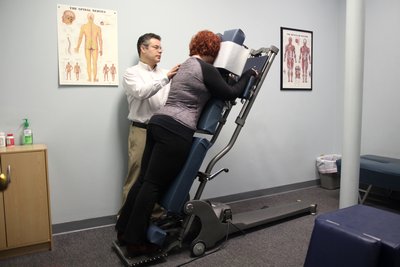
You might start with a visit to your primary care physician, who can refer you to specialists such as a physical therapist, chiropractor, or orthopedic doctor. Each of these professionals brings unique expertise to the table. Physical therapists focus on exercises and stretches to strengthen your back and improve flexibility. Chiropractors aim to align your spine and relieve tension, while orthopedic doctors can diagnose more complex issues that may require medical intervention.
Don't hesitate to communicate openly about your pain and any limitations it imposes on your daily life. This information helps your provider create a detailed plan that addresses not just the pain but also its impact on your overall well-being.
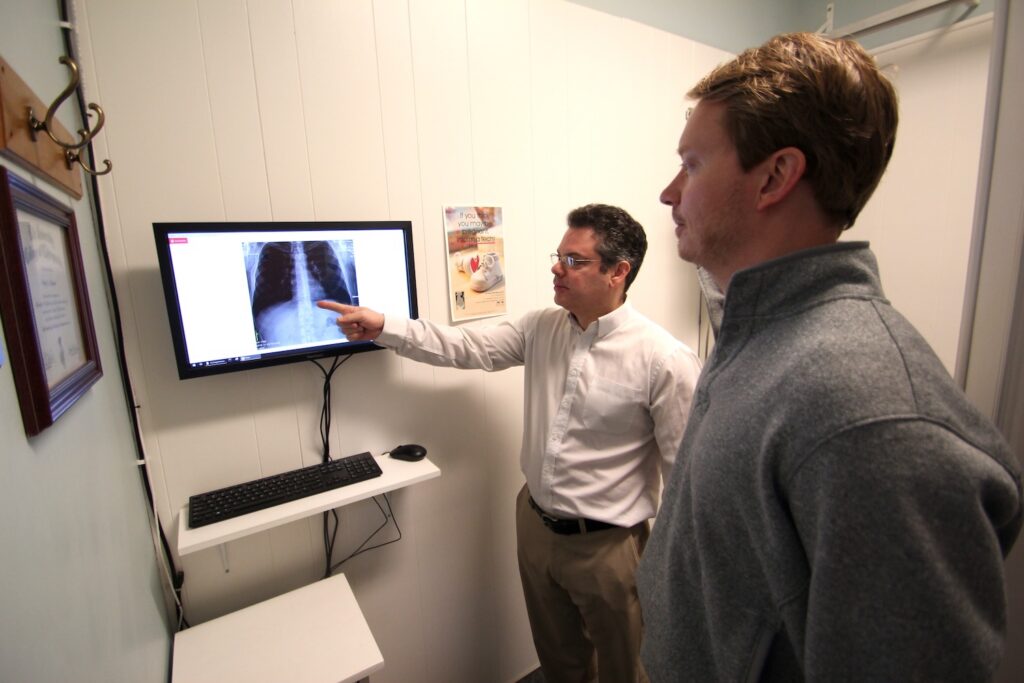
Additionally, professional help often includes access to advanced treatment options, such as acupuncture, massage therapy, or even imaging tests like X-rays or MRIs. These can provide deeper insights into your condition and lead to more effective treatments.
Conclusion
By incorporating these tips into your daily routine, you can effectively relieve lower back pain and improve your overall well-being. Remember to practice good posture, engage in gentle stretches, and keep your core strong. Don't forget to use heat or cold therapy and take regular movement breaks. If the pain persists, seeking professional help is a wise choice. Start today, and take proactive steps towards a more comfortable, pain-free life!