
When it comes to athletic performance, you might not think about your spine as a key player, but it's more vital than you realize. An aligned spine can enhance your posture, boost your energy, and even reduce injury risks, all of which are fundamental for those aiming for gold medals. You may be surprised to learn about the common spinal issues athletes face and the simple techniques that can make a significant difference. So, what are the best strategies to guarantee your spine is primed for success? Let's explore this further.
Importance of Spinal Health
Your spinal health plays an essential role in your overall well-being, influencing everything from your posture to your nervous system function. When your spine's in good shape, you're likely to experience less pain, better mobility, and improved energy levels.
But when it's misaligned or under stress, you might suffer from discomfort, fatigue, or even emotional distress.
Maintaining a healthy spine isn't just about avoiding pain; it's about enhancing your quality of life. A properly aligned spine supports your body's weight, allowing for ideal movement and flexibility. You'll find it easier to engage in daily activities, whether it's exercising, sitting at your desk, or simply enjoying a walk.
Moreover, your spine houses the spinal cord, which is vital for transmitting signals between your brain and body. If your spine's compromised, it can disrupt this communication, leading to various health issues. You might notice that stress or anxiety levels rise when you're not feeling physically balanced, highlighting the connection between spinal health and mental well-being.
Incorporating good habits like regular stretching, strength training, and mindful posture can greatly impact your spinal health. Consider scheduling regular check-ups with a chiropractor or physical therapist to guarantee your spine stays aligned and functioning at its best.
How Spinal Alignment Affects Performance
A well-aligned spine can considerably enhance your physical performance and daily activities. When your spine's in proper alignment, it allows for peak posture, which helps you maintain balance and prevents strain on your muscles and joints. This means you can execute movements more efficiently, whether you're sprinting, lifting weights, or simply going about your daily tasks.
Spinal alignment also plays an essential role in your body's overall biomechanics. When your spine is straight, it guarantees that your body moves as a cohesive unit. This synchronization minimizes the risk of injury and maximizes your energy output. You'll find that you can push through your workouts longer and harder, thanks to reduced fatigue and improved endurance.
Moreover, good spinal alignment enhances your flexibility and range of motion. With a well-aligned spine, your muscles and ligaments function effectively, allowing you to achieve deeper stretches and more powerful movements. This effectiveness translates into better performance in sports and activities, giving you that competitive edge.
Don't forget the mental aspect either. When your spine's aligned, you're likely to feel more confident and focused. This mental clarity can be a game-changer during competitions or high-pressure situations.
Common Spinal Issues in Athletes
Many athletes, despite their focus on performance and training, face common spinal issues that can hinder their progress. These problems often stem from the repetitive motions, intense training regimens, and high-impact activities that characterize many sports.
One of the most prevalent issues is lower back pain, which can result from muscle strains, herniated discs, or even poor posture during workouts. If you're experiencing persistent discomfort, it's vital to address it before it escalates.
Another common issue is scoliosis, a condition characterized by an abnormal curvature of the spine. While some athletes may not be aware of it, scoliosis can lead to imbalances that affect performance and increase the risk of injuries.
You might also encounter thoracic spine issues, which can impact your upper body strength and flexibility, essential for many sports.
Neck pain is another concern, often arising from improper technique or overuse. This can affect your ability to maintain focus during competitions and can lead to further complications.
Lastly, tight hip flexors and hamstrings can contribute to spinal misalignment, leading to discomfort and decreased performance.
Recognizing these common spinal issues is the first step toward effective management. By being aware of these potential problems, you can take proactive measures to protect your spine and optimize your training.
Keeping your spine healthy is fundamental for peak performance and achieving your athletic goals. Don't let spinal issues hold you back!
Techniques for Improving Posture
To improve your posture, you can start by incorporating stretching exercises into your routine that target key muscle groups.
Setting up an ergonomic workspace can also make a huge difference in how you sit and stand throughout the day.
Finally, practicing mindful breathing techniques helps you remain aware of your body and encourages better alignment.
Stretching Exercises for Posture
Stretching exercises play an essential role in improving posture by promoting flexibility and reducing muscle tension. Incorporating these exercises into your daily routine can lead to significant improvements in how you carry yourself.
Start with neck stretches; gently tilt your head to one side, holding for 15-30 seconds on each side. This helps relieve tension in your neck and upper back.
Next, focus on your chest. Stand in a doorway, placing your arms on the door frame, and lean forward slightly. Hold this stretch for 20-30 seconds to open up your chest and counteract the hunched posture many develop from sitting.
Don't forget about your back! Try a child's pose by kneeling on the floor, sitting back on your heels, and reaching your arms forward on the ground. This stretch releases tension in your spine and promotes relaxation.
Finally, engage in a hamstring stretch by sitting with one leg extended and leaning forward, reaching for your toes. This helps maintain the balance between your upper and lower body, essential for good posture.
Aim to stretch at least three times a week, and you'll notice a positive change in your posture over time.
Ergonomic Workspace Setup
An ergonomic workspace setup is essential for maintaining good posture, especially for those who spend long hours at a desk.
Start by adjusting your chair so your feet rest flat on the floor, with your knees at a 90-degree angle. If your chair doesn't offer adequate support, consider using a lumbar pillow to maintain the natural curve of your lower back.
Next, position your monitor at eye level, an arm's length away. This helps reduce neck strain and keeps your spine aligned. If you use a laptop, elevate it with a stand or a stack of books, and use an external keyboard and mouse for better positioning.
Make sure your desk is at the right height; your elbows should be at a 90-degree angle when typing. Keep frequently used items within arm's reach to avoid unnecessary stretching.
Lastly, don't forget about lighting. Proper lighting reduces glare on your screen, which can help you maintain a comfortable posture.
Regularly check your setup and make adjustments as needed. With these ergonomic principles in mind, you'll create a workspace that supports your posture and overall well-being.
Mindful Breathing Techniques
Mindful breathing techniques can greatly enhance your posture and overall well-being. By focusing on your breath, you can cultivate awareness of your body, promoting relaxation and alignment.
Here's how you can incorporate mindful breathing into your daily routine:
- Deep Belly Breathing: Inhale deeply through your nose, allowing your belly to expand, and exhale slowly through your mouth. This technique helps release tension in your back and shoulders.
- Posture Check Breathing: While breathing deeply, consciously straighten your spine. Visualize each breath lifting your chest and elongating your neck.
- Four-Square Breathing: Inhale for a count of four, hold for four, exhale for four, and pause for four. This rhythmic pattern helps calm your mind and enhances your focus on posture.
- Mindful Movement: Pair your breathing with gentle stretching. As you inhale, reach your arms overhead; as you exhale, fold forward. This combination improves flexibility and posture.
Integrating these mindful breathing techniques into your daily life can lead to better posture, reduced stress, and a more centered state of being.
Start today, and feel the difference!
Exercises for a Stronger Spine
To build a stronger spine, you need to focus on core strengthening movements, flexibility and mobility drills, and posture improvement techniques.
These exercises not only enhance your stability but also promote overall spinal health.
Let's explore how each of these components can help you maintain a strong and resilient spine.
Core Strengthening Movements
Building a strong core is essential for maintaining a healthy spine and preventing injury. A well-developed core supports your spine, improves posture, and enhances overall athletic performance.
Here are some effective core strengthening movements you can incorporate into your routine:
- Planks: Hold a plank position to engage your entire core, keeping your body in a straight line.
- Russian Twists: Sit on the floor, lean back slightly, and twist your torso side to side while holding a weight or medicine ball.
- Bird-Dogs: On all fours, extend one arm and the opposite leg, focusing on balance and stability to activate your core muscles.
- Dead Bugs: Lie on your back with your arms and legs in the air. Lower opposite limbs while keeping your back flat against the floor.
Flexibility and Mobility Drills
Incorporating flexibility and mobility drills into your routine can greatly enhance spinal health and reduce the risk of injury. These exercises help maintain the elasticity of your muscles and the range of motion in your joints, which is essential for a strong spine.
Start with the cat-cow stretch. This dynamic movement warms up the spine, promoting flexibility. Get on all fours, arch your back while inhaling, then round it while exhaling. Repeat this for 10 cycles.
Next, try the seated forward bend. Sit with your legs extended, reach for your toes, and hold the stretch for 20-30 seconds. This will help lengthen your spine and hamstrings.
Incorporate thoracic spine rotations as well. While sitting or standing, twist your torso gently to one side, holding for a few seconds before switching sides. This improves mobility in your upper back.
Finally, don't forget about the child's pose. Kneel, sit back on your heels, and stretch your arms forward while relaxing your spine. Hold for at least 30 seconds.
Posture Improvement Techniques
Strong posture is essential for maintaining a healthy spine and preventing discomfort. It helps you perform better in daily activities and sports, boosting your overall well-being.
Here are some effective techniques you can incorporate into your routine for improving posture:
- Wall Angels: Stand with your back against a wall, arms raised at a 90-degree angle. Slide your arms up and down while keeping your back flat against the wall.
- Chin Tucks: Gently tuck your chin towards your chest while keeping your shoulders relaxed. This strengthens neck muscles and aligns your head.
- Plank: Hold a plank position, focusing on engaging your core and maintaining a straight line from head to heels. This supports overall spinal alignment.
- Seated Rows: Using resistance bands, sit with your legs extended and pull the bands toward your torso. This strengthens upper back muscles, promoting better posture.
Incorporate these exercises into your routine, and you'll notice significant improvements in your posture.
The Role of Chiropractic Care
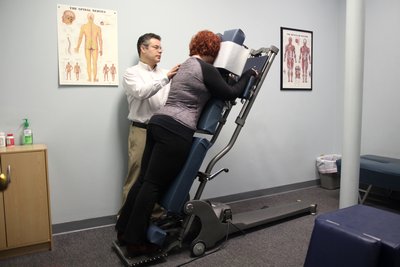
While many people view chiropractic care as a treatment for back pain, its role extends far beyond that. Chiropractic care plays a vital part in maintaining overall health and enhancing athletic performance. It's not just about alleviating pain; it's about optimizing your body's function and ensuring that you're performing at your best.
When you undergo chiropractic adjustments, you're not only addressing misalignments in your spine but also improving your nervous system's communication. This can lead to better coordination, increased range of motion, and enhanced muscle function. As an athlete, you'll likely notice a significant boost in your performance, allowing you to push your limits and achieve your goals.
In addition to performance benefits, chiropractic care can help prevent injuries. Regular adjustments keep your body in alignment, reducing the risk of strains and sprains that can sideline you during critical training periods.
Plus, with a well-aligned spine, your body's biomechanics function more efficiently, meaning you're less likely to overcompensate in ways that could lead to injury.
Chiropractic care can also aid in recovery. After intense training or competition, adjustments can alleviate tension, improve circulation, and promote healing.
By incorporating chiropractic care into your routine, you're not just treating issues as they arise; you're proactively maintaining your body's health and performance.
Embrace chiropractic care as an essential part of your athletic journey, and you'll find that your spine—and your overall performance—will thank you.
Nutrition for Spinal Wellness
A balanced diet plays an essential role in maintaining spinal wellness and overall health. The food you consume directly impacts the strength and flexibility of your spine, so it's vital to fuel your body with the right nutrients.
Focusing on a diet rich in anti-inflammatory foods can help reduce pain and promote healing. Here are some key components to take into account:
- Omega-3 Fatty Acids: Found in fish like salmon and walnuts, these fats help combat inflammation, which can alleviate back pain.
- Calcium and Vitamin D: Essential for bone health, you can find calcium in dairy products, leafy greens, and fortified foods. Vitamin D, which enhances calcium absorption, can be obtained through sunlight or supplements.
- Magnesium: This mineral supports muscle function and can be found in nuts, seeds, and whole grains. A deficiency may lead to muscle cramps and tension, affecting your spinal health.
- Antioxidants: Foods rich in antioxidants, like berries, dark chocolate, and colorful vegetables, help protect your body from oxidative stress, promoting overall wellness.
Incorporating these nutrients into your daily meals won't only bolster your spinal health but also improve your overall performance.
Recovery Strategies for Spinal Health
When it comes to maintaining spinal health, effective recovery strategies can make a significant difference in how you feel and function. Prioritizing recovery after physical exertion is essential for your spinal well-being. Incorporating practices like stretching and mobility exercises can help alleviate tension and improve flexibility in your spine. Aim to integrate these movements into your daily routine, especially after workouts.
Don't underestimate the power of rest. Allowing your body adequate time to recover is important for healing and preventing injuries. Listen to your body and take breaks when you need them.
Sleep, too, plays a key role. Ensuring you get quality rest each night allows your spine to recover and rejuvenate.
Hydration is another fundamental aspect. When you stay well-hydrated, you support the discs in your spine, helping them maintain peak function. Make it a habit to drink water throughout the day, particularly after intense physical activity.
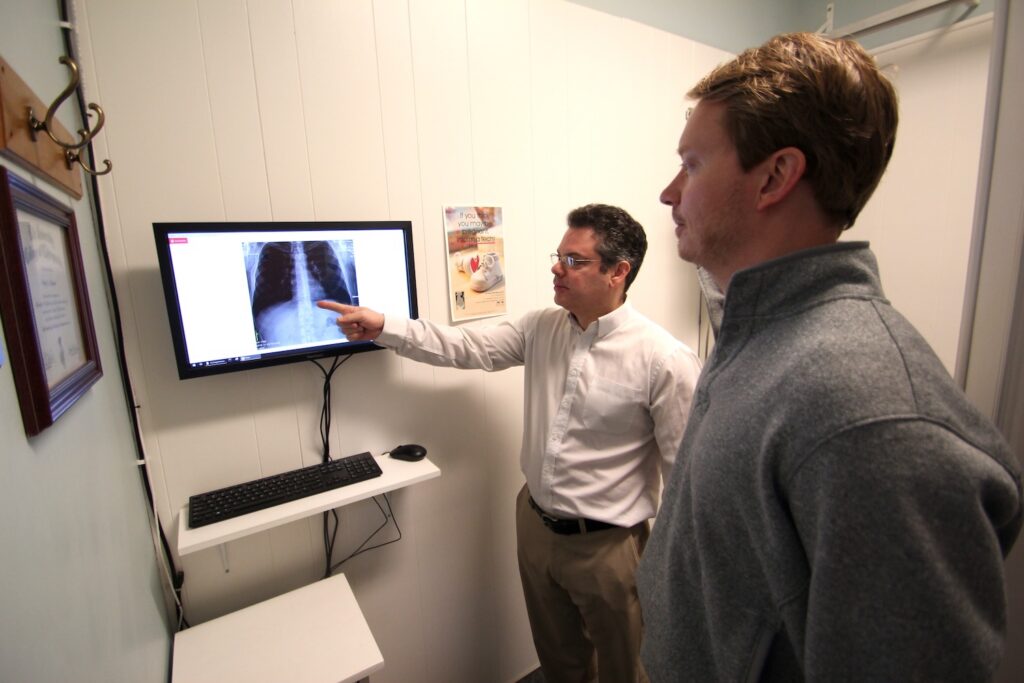
Consider incorporating regular chiropractic care into your routine. A chiropractor can help identify any misalignments and provide tailored adjustments, promoting better spinal alignment and overall health.
Lastly, mindfulness practices such as yoga or meditation can enhance your body awareness and reduce stress, which directly benefits your spinal health.
Real-Life Success Stories
Many individuals have experienced remarkable improvements in their spinal health by implementing effective recovery strategies. You might find inspiration in the stories of athletes and everyday people who've transformed their lives through dedication and the right approach to spinal care.
- A professional runner regained her competitive edge after incorporating targeted physical therapy into her routine, effectively alleviating chronic back pain that had sidelined her for months.
- A weekend warrior learned the importance of proper alignment and posture, allowing him to enjoy sports without the nagging injuries that used to plague him after every game.
- A yoga instructor discovered that consistent spine-strengthening exercises not only enhanced her practice but also attracted more students enthusiastic to learn about her newfound techniques.
- A busy parent prioritized spinal health amid her hectic schedule, implementing simple stretches and ergonomic adjustments at home, leading to increased energy and overall well-being.
These real-life success stories show that with commitment and the right strategies, you too can achieve significant improvements in your spinal health.
Whether you're an athlete aiming for gold medals or simply seeking a better quality of life, it's clear that taking care of your spine opens doors to new opportunities.
Conclusion
To sum up, prioritizing your spinal health can make all the difference in reaching your athletic goals. By embracing proper alignment, strengthening your core, and incorporating recovery strategies, you'll boost your performance and reduce the risk of injury. Remember, a healthy spine supports not only your physical abilities but also your overall well-being. So, take charge of your spinal care today, and get ready to chase those gold medals with confidence and energy!