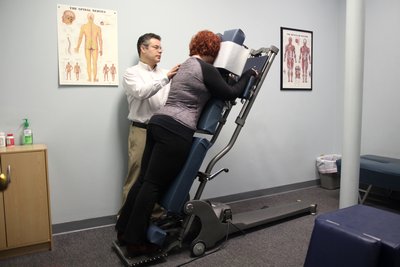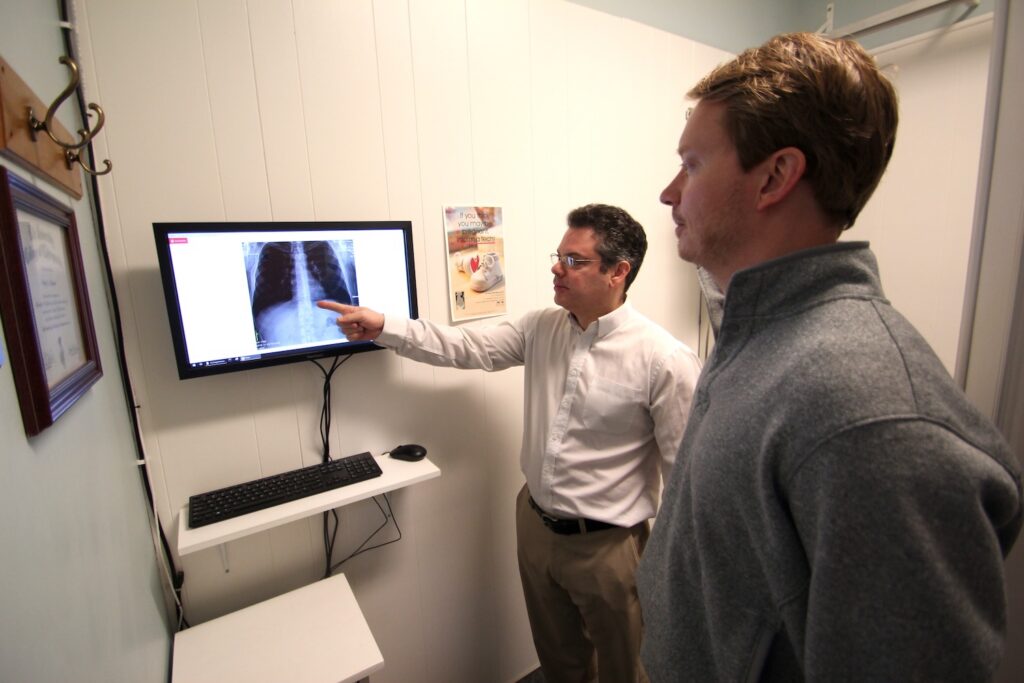

You're likely aware that movement is essential for daily life, but have you considered how releasing your body's potential can enhance your experience? By exploring the intricate relationships between biomechanics, flexibility, and strength, you can greatly improve your fluidity in motion. Understanding your body's unique needs allows for a tailored approach that not only prevents injuries but also maximizes performance. As you contemplate your current routine, think about what might be holding you back from achieving seamless movement—there's more to uncover that could transform your physical capabilities.
Understanding Biomechanics
When you plunge into the world of biomechanics, you'll discover how your body moves and functions in extraordinary ways. Biomechanics combines principles from physics and engineering to analyze the mechanics of your body. It helps you understand how muscles, bones, tendons, and ligaments work together to create movement. By studying these interactions, you can gain insights into improving your performance and preventing injuries.
Imagine walking or running. Each step involves a complex interplay of forces and motions. Your muscles contract to propel you forward, while your joints act as levers, allowing for smooth and efficient movement. By understanding these mechanics, you can optimize your movements, enhancing your athletic performance or simply making daily activities easier.
In addition, biomechanics sheds light on posture and alignment, which are essential for maintaining balance and preventing strain. Poor mechanics can lead to discomfort and injury, but with the right knowledge, you can make adjustments to your technique. Whether you're lifting weights or just sitting at your desk, being mindful of your body's mechanics can lead to better overall health.
Ultimately, grasping the fundamentals of biomechanics empowers you to take control of your body's potential. You'll be more aware of how to move efficiently, reducing the risk of injury and improving your physical capabilities. Embracing these principles can transform the way you engage in sports, exercise, and everyday life, revealing a new level of performance and well-being.
The Role of Flexibility
Flexibility plays a vital role in enhancing your overall performance and reducing injury risk.
By incorporating flexibility training into your routine, you can access numerous benefits that improve your mobility and strength.
Let's explore effective techniques to boost your flexibility and how they can transform your physical capabilities.
Benefits of Increased Flexibility
Regularly incorporating flexibility exercises into your routine can greatly enhance your overall well-being. Increased flexibility improves your range of motion, allowing you to move more freely and efficiently in daily activities and sports. You'll find that tasks like bending, reaching, and twisting become easier, reducing the risk of strains and injuries.
Moreover, enhanced flexibility can lead to better posture. When your muscles are more flexible, they can support your spine more effectively, which minimizes stress on your body and helps you maintain a balanced alignment. This can alleviate discomfort and pain, especially in the lower back and neck.
In addition, flexibility exercises promote relaxation and reduce stress. They often involve deep breathing and stretching, which can calm your mind and body. You may notice an improvement in your mood and overall mental health as you engage in these practices.
Finally, increased flexibility can improve athletic performance. Whether you're running, dancing, or playing a sport, being more flexible can enhance your power, speed, and agility.
Embracing flexibility training not only boosts your physical capabilities but also contributes to your mental and emotional well-being.
Flexibility Training Techniques
A variety of flexibility training techniques can help you release your body's potential and enhance your overall performance. One effective method is static stretching, where you hold a position for 20 to 30 seconds. This technique increases your muscle length and range of motion, making everyday movements easier.
Dynamic stretching is another valuable approach; it involves controlled movements that gently take you through your range of motion. Incorporating dynamic stretches into your warm-up routine can prepare your muscles for activity and reduce the risk of injury.
You might also consider incorporating yoga or Pilates into your regimen. Both practices focus on flexibility, balance, and strength, promoting a well-rounded approach to movement. These disciplines encourage you to connect with your body while improving flexibility and core stability.
Don't forget about foam rolling, which can aid in muscle recovery and enhance flexibility by releasing tension in tight muscles. Use it regularly to keep your muscles pliable and ready for action.
Importance of Strength Training
When it comes to enhancing your overall health, strength training stands out as an essential component. It's not just about building muscle; it's about improving your body's functionality in daily life. By engaging in strength training, you can increase your muscle mass, which boosts your metabolism. This means you'll burn more calories even while at rest, helping you maintain a healthy weight.
Moreover, strength training enhances your bone density, reducing the risk of osteoporosis as you age. Stronger bones mean better support for your muscles and joints, which translates into improved balance and coordination. This is particularly important as you get older, as falls can lead to serious injuries.
You'll also find that strength training improves your athletic performance, whether you're running, cycling, or playing sports. It equips you with the power and endurance needed for various activities, making them easier and more enjoyable.
Plus, the mental benefits can't be overlooked. Regular strength training can boost your confidence and reduce stress, giving you a sense of accomplishment.
If you're worried about getting started, remember that strength training doesn't require fancy gym equipment. Bodyweight exercises like push-ups, squats, and lunges can be incredibly effective.
Aim for two to three sessions per week, targeting all major muscle groups. In no time, you'll notice increased strength, enhanced performance, and a healthier overall lifestyle. Embrace strength training as a key to revealing your body's potential!
Core Stability and Movement
Core stability plays an essential role in your overall movement and physical performance. When you have a strong core, you're better equipped to execute movements efficiently and with control. Your core isn't just about having a six-pack; it's about the muscles that surround your torso, stabilizing your spine and pelvis. This stability allows you to transfer energy effectively through your limbs, improving your strength and coordination.
Achieving core stability involves more than just traditional sit-ups or crunches. It requires engaging a variety of muscles, including your transverse abdominis, obliques, and lower back muscles. By strengthening these areas, you create a solid foundation for your movements, whether you're running, lifting, or participating in sports.
Here are some key benefits of improving your core stability:
- Enhanced balance: A stable core helps you maintain your balance during dynamic movements, reducing the risk of falls or injury.
- Improved posture: Core stability can lead to better alignment of your spine, which supports efficient movement patterns.
- Greater functional strength: A strong core enhances your ability to lift and carry objects safely and effectively in daily activities.
Incorporating exercises like planks, bridges, and rotational movements into your routine can greatly boost your core stability.
The Impact of Posture
Posture greatly influences how effectively you can utilize your core stability and overall physical performance. When you maintain proper posture, your muscles function at their best, enabling you to move with ease and efficiency. Slouching or leaning can lead to muscle imbalances, tension, and discomfort, which can hinder your movement and performance.
Think about how you sit, stand, or walk. If you tend to hunch your shoulders or tilt your head forward, you're not just affecting your appearance; you're putting unnecessary strain on your body. This can lead to fatigue and even injuries over time. By aligning your spine and keeping your shoulders back, you create a solid foundation that supports your core and enhances your ability to engage in various activities.
Good posture also plays an essential role in injury prevention. When your body is aligned correctly, it distributes weight evenly across your joints, reducing the risk of strain or overuse injuries. You'll find that maintaining an upright position allows your muscles to work harmoniously, boosting your strength and endurance during physical activities.
Moreover, posture impacts your balance and coordination. When you're aware of how you hold your body, you'll be better equipped to respond to changes in your environment, improving your overall agility.
Breathing Techniques for Movement
Breathing techniques play an essential role in enhancing your movement efficiency.
By practicing diaphragmatic breathing and breath control exercises, you can greatly improve your physical performance.
Synchronizing your breath with movement not only boosts endurance but also helps you stay focused and grounded.
Diaphragmatic Breathing Benefits
When you tap into the power of diaphragmatic breathing, you access a range of benefits that enhance both movement and overall well-being. This technique focuses on engaging your diaphragm, allowing for deeper and more efficient breathing. By mastering this skill, you can improve your physical performance and promote relaxation.
Here are some key benefits of diaphragmatic breathing:
- Increased Oxygen Intake: By breathing deeply, you guarantee your body receives more oxygen, which fuels your muscles and enhances endurance during physical activities.
- Improved Core Stability: Engaging your diaphragm strengthens your core muscles, leading to better posture and stability in your movements, whether you're exercising or just going about your daily routine.
- Stress Reduction: Diaphragmatic breathing activates your parasympathetic nervous system, helping you manage stress and anxiety, which can result in clearer focus and improved performance in all activities.
Incorporating diaphragmatic breathing into your routine can transform how you move and feel.
Breath Control Exercises
Mastering breath control is essential for enhancing your movement and overall performance. When you learn to regulate your breath, you improve your stamina, focus, and efficiency during physical activities. Start with simple breath control exercises that can be easily integrated into your routine.
One effective exercise is the "4-7-8 technique." Inhale deeply through your nose for a count of four, hold your breath for seven seconds, and then exhale slowly through your mouth for eight seconds. Repeat this cycle four to eight times. This exercise promotes relaxation and helps you become more aware of your breathing patterns.
Another valuable practice is box breathing. Inhale for a count of four, hold for four, exhale for four, and then hold again for four. This rhythmic pattern not only calms your nerves but also trains your body to maintain breath control during intense physical exertion.
Incorporate these exercises into your daily routine. As you become more comfortable with breath control, you'll notice a significant improvement in your movement quality, making every motion more fluid and purposeful.
Synchronizing Breath With Movement
Synchronizing your breath with movement can dramatically enhance your physical performance and overall well-being. When you align your breath with your actions, you foster a deeper connection between your body and mind, resulting in more efficient and effective movements.
Start practicing this synchronization by paying attention to your breathing patterns during various activities.
Here are some tips to help you integrate breath with movement:
- Inhale during exertion: Breathe in as you prepare for a movement, like lifting a weight or jumping. This increases stability and power.
- Exhale during release: As you complete a movement, like lowering a weight or landing, exhale forcefully. This helps you engage your core and maintain control.
- Establish a rhythm: Find a consistent breathing pattern that matches the tempo of your activity. This can be especially helpful in activities like running, yoga, or dancing.
Incorporating Mobility Exercises
Many people underestimate the importance of mobility exercises in their fitness routines. You might think strength training or cardio is all you need to achieve your fitness goals, but incorporating mobility exercises can greatly enhance your performance and prevent injuries. Mobility exercises focus on improving your range of motion, flexibility, and overall joint health, which are essential for any physical activity.
To start incorporating mobility exercises, dedicate a few minutes at the beginning or end of your workouts. Dynamic stretches like arm circles, leg swings, and hip openers can warm up your muscles and joints, preparing them for movement. Consider adding static stretches like the pigeon pose or seated forward bend to your cool-down routine to improve flexibility.
Another effective way to boost your mobility is through foam rolling. This self-myofascial release technique helps relieve muscle tightness and improve blood flow. Spend a few minutes rolling out areas like your quads, hamstrings, and back to enhance recovery and mobility.
You can also integrate mobility-focused workouts into your routine, such as yoga or Pilates. These practices emphasize body awareness and controlled movements, helping you develop better coordination and balance.
As you incorporate these exercises, pay attention to how your body responds. You'll likely notice improvements in your overall movement quality, making your workouts more effective and enjoyable.
Embrace mobility exercises as an essential component of your fitness journey, and unleash your body's full potential.
Mind-Body Connection
Building on the importance of mobility exercises, the mind-body connection plays a significant role in optimizing your fitness journey. When you tune into your body's signals and align your thoughts with your movements, you'll find it easier to perform exercises effectively. This connection enhances your awareness, allowing you to recognize what your body needs at any given moment.
To cultivate a strong mind-body connection, consider these strategies:
- Practice Mindfulness: Engage in mindfulness techniques, such as meditation or focused breathing. These practices help you clear your mind and concentrate on the present, making it easier to connect with your body during workouts.
- Visualize Your Movements: Before starting an exercise, take a moment to visualize the movements. Imagine how it feels to engage the correct muscles and perform the exercise with precision. This mental rehearsal can enhance your performance and boost your confidence.
- Listen to Your Body: Pay attention to how your body responds during workouts. If something feels off, don't push through the pain. Instead, adjust your movements or take a break. Listening to your body fosters a deeper understanding of its needs and limitations.
Nutrition for Optimal Performance
To unleash your body's potential, you need to focus on the right nutrition.
Essential nutrients fuel your performance, while proper hydration keeps your movements sharp.
Timing your meals can further enhance your energy levels and recovery, making a significant difference in your overall performance.
Essential Nutrients for Performance
While you might focus on workouts and training plans to boost your performance, the role of essential nutrients can't be overlooked.
These nutrients fuel your body, support recovery, and enhance overall performance. Without the right balance, you could find your progress stalling or even reversing.
Here are three key nutrients you should pay attention to:
- Proteins: Essential for muscle repair and growth, make sure you're consuming high-quality protein sources like lean meats, legumes, and dairy products.
- Carbohydrates: Your body's primary energy source, complex carbs from whole grains, fruits, and vegetables can help maintain your energy levels during intense workouts.
- Healthy fats: These support hormone production and provide sustained energy. Incorporate sources like avocados, nuts, and olive oil into your meals for ideal benefits.
Hydration's Impact on Movement
No matter how well you fuel your body with nutrients, hydration plays a pivotal role in your performance. Your muscles and joints rely on adequate water levels to function efficiently.
When you're dehydrated, even slightly, you might notice a dip in your energy levels, coordination, and overall movement efficiency.
Think about it: water serves as a lubricant for your joints and helps transport nutrients to your muscles. If you're not drinking enough, you risk muscle cramps, fatigue, and even dizziness. This can severely impact your ability to perform, whether you're hitting the gym, running a marathon, or simply going about your daily routine.
To maintain peak performance, aim to drink water consistently throughout the day. Don't wait until you're thirsty; make it a habit.
During intense workouts or hot weather, increase your intake to compensate for the fluids lost through sweat.
Timing Your Nutritional Intake
When it comes to maximizing your performance, timing your nutritional intake is just as essential as what you eat. Fueling your body at the right moments can greatly enhance your energy levels, endurance, and recovery.
You'll want to plan your meals and snacks around your training sessions to get the best results.
Here are a few key strategies to take into account:
- Pre-Workout Nutrition: Eat a balanced meal 2-3 hours before exercise, focusing on complex carbohydrates and protein for sustained energy. A light snack 30-60 minutes prior can also be beneficial.
- Post-Workout Recovery: Consuming protein and carbohydrates within 30 minutes after your workout helps kickstart recovery and muscle repair. This is the time to replenish glycogen stores and support muscle synthesis.
- Hydration Timing: Don't forget to hydrate! Drinking water before, during, and after your workouts ensures peak performance and recovery.
Creating a Personalized Routine
Crafting a personalized routine is crucial for releasing your body's full potential. To start, assess your current lifestyle and identify your goals. Whether you want to improve flexibility, strength, or endurance, knowing what you want to achieve will guide your routine.
Next, consider your daily schedule. Find time slots that work best for you, whether it's early morning, during lunch breaks, or after work. Consistency is key, so choose times you can realistically commit to.
Once you have your timing set, incorporate a variety of activities. Mix strength training, cardiovascular exercises, and mobility work to create a well-rounded program. This variety won't only keep you motivated but also address different aspects of physical fitness.
Don't forget to listen to your body. If you feel fatigued, allow yourself recovery days or switch to lighter activities like yoga or walking. It's crucial to adjust your routine as needed, ensuring you're challenging yourself without overexerting.
Lastly, track your progress. This could be through journaling, using fitness apps, or simply noting how you feel after workouts. Regularly evaluating your routine helps you stay focused on your goals and make necessary adjustments.
Conclusion
By releasing your body's potential for seamless movement, you can enhance your performance and reduce injury risks. Focus on biomechanics, flexibility, and strength training, while prioritizing core stability and good posture. Incorporate mobility exercises and nurture the mind-body connection to elevate your physical capabilities. Don't forget the importance of proper nutrition and hydration. With a personalized routine tailored to your goals, you'll achieve greater fluidity in movement and discover what your body is truly capable of.