As you navigate the challenges of aging, maintaining mobility becomes increasingly essential to your independence. You might not realize how chiropractic care can play a pivotal role in enhancing your movement and overall well-being. By addressing spinal alignment and musculoskeletal health, this approach tackles common issues that many seniors face, such as joint stiffness and balance problems. Curious about how these adjustments can make a tangible difference in your daily life? There's much more to uncover about the benefits and success stories that could inspire you to contemplate this path.
Importance of Senior Mobility
Maintaining mobility is essential for seniors, as it directly impacts their independence and overall quality of life. When you're able to move freely, you can engage in daily activities that bring you joy and purpose. Think about the simple pleasures of walking in a park, visiting friends, or even just getting around your home without assistance.
Mobility allows you to maintain social connections, stay active, and enjoy life to the fullest.
Being mobile also has significant health benefits. Regular movement helps prevent chronic conditions like obesity, heart disease, and diabetes, which can become more prevalent as you age. Plus, staying active boosts your mood and cognitive function, keeping you mentally sharp and emotionally balanced.
You'll find that the more you move, the better you feel.
Maintaining your mobility also means you can take charge of your daily routine. You'll have the freedom to manage your own schedule, whether it's running errands, attending appointments, or participating in hobbies. This sense of control fosters confidence and encourages a positive outlook on life.
Incorporating regular exercise, stretching, and even chiropractic care into your routine can enhance your mobility. By focusing on strength, flexibility, and alignment, you can support your body's natural ability to move.
Common Mobility Challenges
As you age, you might notice joint stiffness and a decline in balance and coordination.
These mobility challenges can greatly impact your daily life and independence.
Understanding these issues is the first step toward finding effective solutions.
Joint Stiffness Issues
Joint stiffness is a common challenge that many seniors face, impacting their ability to move freely and engage in daily activities.
You might find that simple tasks, like bending down to tie your shoes or getting up from a chair, become increasingly difficult. This stiffness can stem from various factors, including aging, arthritis, or injuries.
Here are three ways chiropractic care can help alleviate joint stiffness:
- Spinal Adjustments: Regular chiropractic adjustments can improve spinal alignment, reducing pressure on nerves and enhancing mobility. With better alignment, you might experience less stiffness in your joints.
- Targeted Exercises: A chiropractor can recommend specific stretches and exercises tailored to your needs. These activities can strengthen the muscles around stiff joints, providing better support and increasing flexibility.
- Soft Tissue Therapy: Chiropractors often utilize techniques like massage to relieve tension in the muscles surrounding your joints. This can improve circulation and reduce stiffness, making movement easier.
Balance and Coordination Problems
Balance and coordination are essential for seniors to navigate their environment safely and confidently. As you age, you might notice that you're becoming less steady on your feet or that everyday tasks feel more challenging.
These balance and coordination problems can arise from various factors, including muscle weakness, joint stiffness, or even neurological changes. When you're dealing with these issues, the risk of falls increases, which can lead to serious injuries.
It's important to address these concerns proactively. Engaging in activities that improve your balance, such as tai chi or simple stretching exercises, can make a significant difference.
Chiropractic care can also play an important role in enhancing your balance and coordination. By focusing on spinal alignment and overall body mechanics, a chiropractor can help improve your posture and joint function.
This, in turn, can lead to better stability and control during movement. Don't shy away from seeking help. Regular chiropractic adjustments can aid in reducing discomfort and boosting your confidence as you move about your daily life.
How Chiropractic Care Works
Understanding how chiropractic care works can help you appreciate its benefits, especially for seniors. At its core, chiropractic care focuses on the alignment of the spine and the overall musculoskeletal system. By addressing misalignments, or subluxations, chiropractors can promote ideal nerve function, which is essential for maintaining mobility and reducing discomfort.
Here's how chiropractic care typically works:
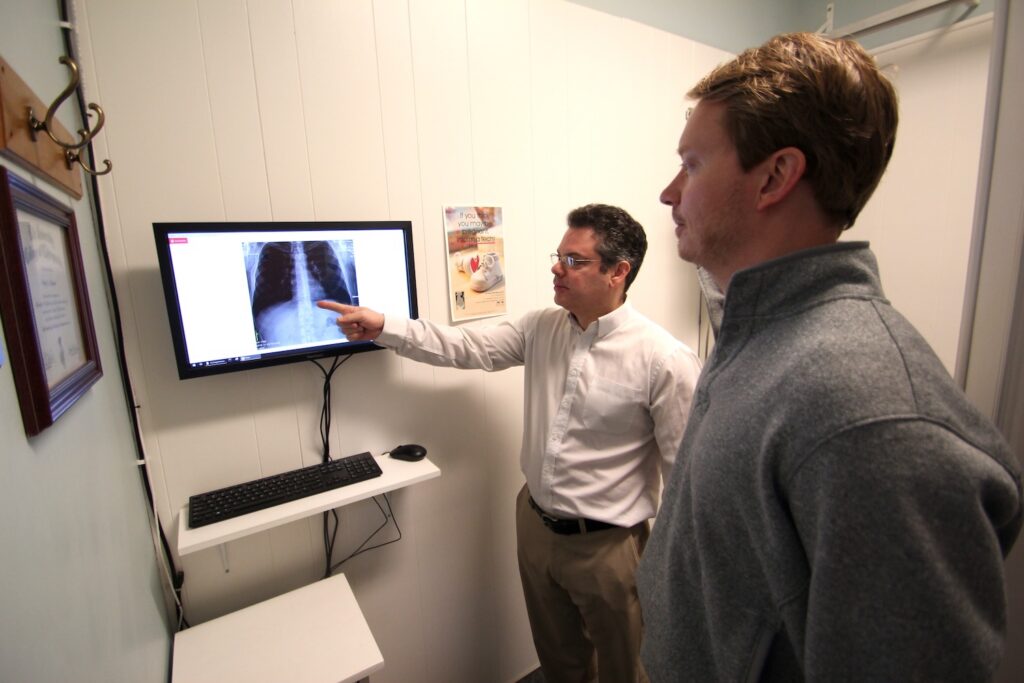
- Assessment: Your journey begins with a thorough assessment. The chiropractor will evaluate your posture, range of motion, and any pain points you may have. They may also review your medical history to understand your specific needs.
- Adjustment: Once the assessment is complete, the chiropractor will perform spinal adjustments. These adjustments involve precise, controlled movements to realign the vertebrae. This not only alleviates pain but also restores proper nerve function, which can enhance your overall well-being.
- Ongoing Care: Chiropractic care isn't just a one-time fix. After your initial adjustments, your chiropractor may recommend a series of follow-up visits to monitor your progress and make further adjustments as needed.
They might also suggest exercises and lifestyle changes to support your mobility and health.
Benefits of Chiropractic Adjustments
Chiropractic adjustments offer numerous benefits that can greatly enhance your quality of life, particularly as you age. One of the most significant advantages is pain relief. Regular adjustments can alleviate discomfort in your back, neck, and joints, making daily activities more manageable and enjoyable. You'll likely find that you can move with greater ease and confidence.
Another benefit is improved mobility. As you age, stiffness and limited range of motion can become a challenge. Chiropractic care helps restore ideal function to your joints and spine, allowing you to regain the flexibility needed for your favorite activities, whether it's gardening, walking, or playing with grandchildren.
Chiropractic adjustments also promote better posture. Poor posture can lead to pain and discomfort, especially as muscles weaken over time. Your chiropractor can help you develop strategies to maintain proper alignment, which can reduce strain on your muscles and joints.
Additionally, chiropractic care supports your overall wellness. It helps enhance blood circulation and nerve function, which are essential for maintaining your body's health as you age. You might even notice improved sleep quality and reduced stress levels, contributing to a better overall mood.
Finally, regular adjustments can lead to a stronger immune system. By ensuring your spine is aligned and your nervous system is functioning properly, your body is better equipped to fend off illness. Embracing chiropractic adjustments can truly be a game changer for your health as you navigate the golden years.
Success Stories and Testimonials
Many seniors have experienced remarkable transformations through chiropractic care, sharing stories that highlight its profound impact on their lives.
Imagine feeling like you've regained a part of your youth, thanks to targeted adjustments that have alleviated pain and restored mobility.
You're not alone; countless individuals just like you have discovered the benefits of chiropractic care, leading to improved quality of life.
Here are three inspiring testimonials from seniors who've embraced chiropractic treatment:
- John, 72: After struggling with chronic back pain for years, John decided to give chiropractic care a try. Within weeks, he noticed significant improvements. "I can finally play with my grandkids again," he says, smiling. "It's like I've gotten my life back."
- Martha, 68: Martha faced severe neck stiffness that made daily tasks unbearable. After a series of adjustments, she reports, "I've regained my range of motion. I can now enjoy gardening, something I thought I'd never do again."
- George, 75: Living with arthritis had limited George's mobility. Following regular chiropractic sessions, he shares, "I feel more active than I've in years. I can take long walks and even dance at family gatherings!"
These stories illustrate how chiropractic care can empower seniors, helping them reclaim their independence and enhance their overall well-being.
You could be next to experience this transformative journey!
Tips for Choosing a Chiropractor
Selecting the right chiropractor can greatly impact your treatment experience and outcomes. When it comes to your health, you want someone you can trust and feel comfortable with. Start by asking for recommendations from friends, family, or your primary care physician. Personal referrals can provide valuable insights.
Next, check the chiropractor's credentials and experience. Look for someone who's the proper licenses and certifications, as well as a solid track record in treating seniors. It's vital to find a professional who understands the unique needs of older adults.
Once you've narrowed down your options, schedule a consultation. This initial visit is a great opportunity to ask questions and gauge the chiropractor's communication style. You want someone who listens to your concerns and explains their approach clearly.
Pay attention to how you feel during this meeting; comfort and rapport are key for a successful treatment journey.
Also, consider the clinic's atmosphere. Is it welcoming and accessible? A clean, well-organized environment can make a difference in your overall experience. Check if the office hours align with your schedule and whether they accept your insurance, to avoid any surprises later.
Finally, trust your instincts. If something doesn't feel right, don't hesitate to keep looking. Your chiropractor should empower you and enhance your mobility, so take the time to choose wisely for your health and well-being.
Incorporating Chiropractic Into Daily Life
Finding the right chiropractor is just the first step; the real challenge lies in integrating chiropractic care into your daily routine. To truly benefit from chiropractic adjustments, you need to make it a consistent part of your life.
Here are three effective ways to seamlessly incorporate chiropractic care into your day-to-day activities:
- Establish a Regular Schedule: Set aside dedicated time for your chiropractic appointments. Whether it's weekly or bi-weekly, consistency is key. Treat these visits as essential to your health, just like any other medical appointment.
- Practice Recommended Exercises: Your chiropractor may suggest specific exercises or stretches to complement your treatment. Make it a habit to perform these exercises daily. Not only will they enhance your mobility, but they'll also reinforce the benefits of your adjustments.
- Be Mindful of Posture: Throughout your day, pay attention to your posture. Whether you're sitting, standing, or lifting, maintain proper alignment. This mindfulness can greatly reduce strain on your body, prolonging the benefits of your chiropractic care.
Conclusion
Incorporating chiropractic care into your routine can be a game-changer for your mobility and overall well-being. By addressing common challenges like stiffness and balance issues, you can regain confidence and enjoy daily activities with ease. Whether you're looking to alleviate pain or boost flexibility, chiropractic adjustments offer a holistic approach to enhance your quality of life. Don't hesitate to explore this valuable resource; it might just be the secret to maintaining your independence and joy in your golden years.