
When you think about sports injuries, the first thing that might come to mind is pain and disruption. But have you considered how effective care can transform your recovery experience? From pain relief strategies to emotional support, various approaches not only help you heal but also enhance your overall performance. You might be surprised at how these benefits intertwine, influencing not just your physical recovery but also your mental resilience. What specific aspects of care could make the difference in your journey back to the field?
Pain Relief Strategies
When dealing with sports injuries, finding effective pain relief strategies is vital for a quick recovery. You need to address the pain as soon as possible to get back in the game. Over-the-counter medications like ibuprofen or acetaminophen can be your first line of defense. They help reduce pain and discomfort, allowing you to focus on your rehabilitation.
Using ice packs is another excellent strategy. Applying ice to the injured area for 15-20 minutes every few hours can numb the pain and minimize swelling. Just be sure to wrap the ice pack in a cloth to protect your skin.
Heat can also be beneficial after the initial swelling has gone down. It promotes blood circulation and helps relax tense muscles.
You might find physical therapy helpful as well. A trained therapist can guide you through specific exercises that not only relieve pain but also strengthen the affected area. Gentle stretching and range-of-motion exercises can improve flexibility and decrease discomfort.
Consider incorporating mindfulness practices like meditation or deep breathing techniques. These methods can help you manage your perception of pain and reduce stress, which can exacerbate your symptoms.
Lastly, don't underestimate the power of rest. Giving your body time to heal is essential. Listen to your body and avoid pushing through the pain; that could lead to further injury.
Reduced Inflammation Techniques
When you experience a sports injury, reducing inflammation can be key to your recovery.
Ice application methods and compression therapy are two effective techniques that can help manage swelling and promote healing.
Let's explore how these strategies can make a difference in your rehabilitation process.
Ice Application Methods
Applying ice to an injury shortly after it occurs can greatly reduce inflammation and speed up recovery. Ice application can numb the area, diminish swelling, and decrease pain, making it an essential first step in managing sports injuries.
However, it's vital to use the right methods for maximum effectiveness.
Here are a few ice application techniques to take into account:
- Ice Packs: Use a commercial ice pack or a bag of frozen peas wrapped in a cloth. Apply it to the injured area for 15-20 minutes every hour, especially within the first 48 hours.
- Ice Massage: Freeze water in a paper cup, then peel back the edge to expose the ice. Gently massage the ice over the injured area for about 5-10 minutes. This method can penetrate deeper into the tissue.
- Cold Water Immersion: If the injury affects a larger area (like a leg or foot), think about soaking it in cold water for 10-15 minutes. This helps cool the entire area and reduces swelling effectively.
Compression Therapy Benefits
Compression therapy plays an essential role in managing sports injuries by reducing inflammation and promoting recovery. When you apply compression to an injured area, it helps limit swelling, which can be a major barrier to healing. By maintaining consistent pressure, compression garments or wraps encourage blood flow, delivering the nutrients your body needs to repair itself.
You might've heard of various compression methods, such as elastic bandages or specialized compression sleeves. These tools not only provide support to the injured area but also enhance proprioception, helping you maintain better control during movement. This added stability can prevent further injury as you recover.
Additionally, compression therapy can help alleviate pain. By reducing swelling, you're less likely to experience discomfort that often accompanies inflammation. You'll find it easier to engage in rehabilitation exercises, which are vital for regaining strength and mobility.
Incorporating compression therapy into your recovery plan greatly optimizes healing. Whether it's after a practice or a game, be sure to use it consistently. With proper application, you'll likely notice improved outcomes and a quicker return to your favorite sports activities.
Enhanced Mobility and Flexibility
When you care for sports injuries, you'll notice enhanced mobility and flexibility as a key benefit.
By incorporating injury rehabilitation techniques along with stretching and strengthening exercises, you'll improve your range of motion considerably.
This not only aids in recovery but also helps prevent future injuries.
Improved Range of Motion
Improving your range of motion can be a game-changer in recovering from sports injuries. When you regain flexibility and mobility, you not only feel better, but you also enhance your overall performance.
This improvement helps you return to your favorite activities with confidence and reduces the risk of future injuries.
Here are some key benefits of improved range of motion:
- Increased Performance: Enhanced flexibility allows for more powerful and efficient movements, giving you an edge in your sport.
- Reduced Pain: Greater mobility can alleviate discomfort and stiffness, helping you move more freely and comfortably.
- Better Posture: Improved range of motion supports proper alignment, reducing strain on muscles and joints during physical activity.
Injury Rehabilitation Techniques
To fully recover from sports injuries, incorporating effective injury rehabilitation techniques is essential for enhancing mobility and flexibility. These techniques help you regain full function and can greatly decrease recovery time.
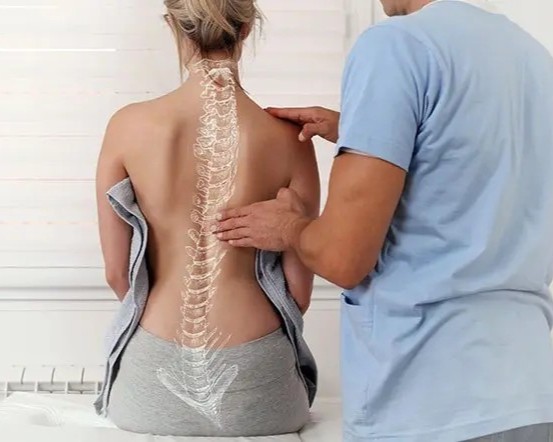
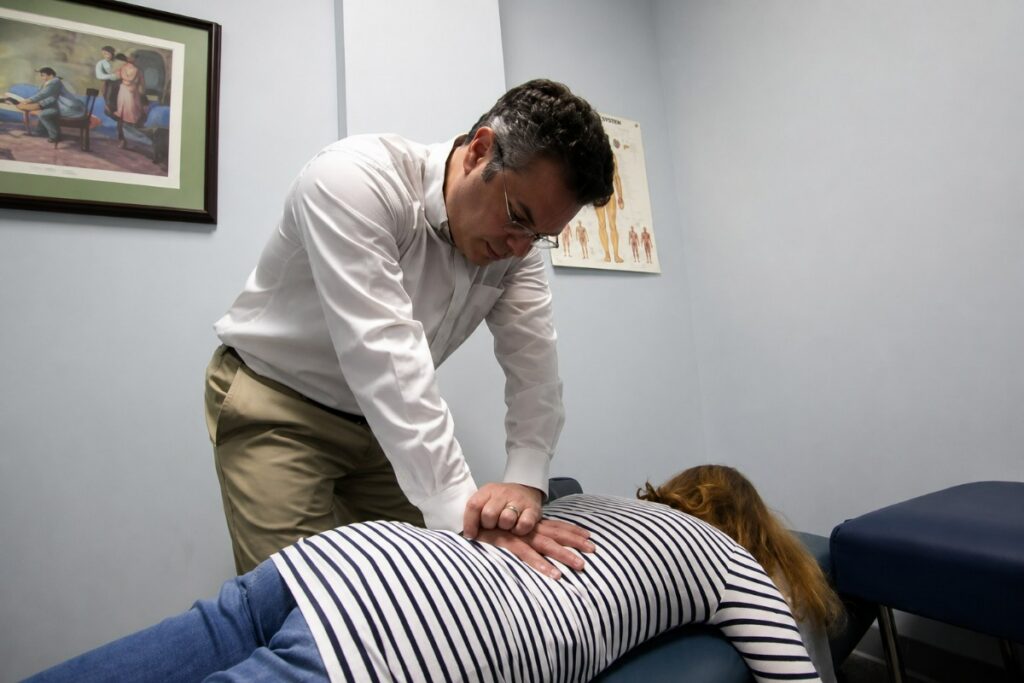
One key method is manual therapy, which involves hands-on techniques to manipulate and mobilize soft tissues and joints. This approach can relieve pain and restore movement, allowing you to progress more quickly.
Additionally, neuromuscular re-education focuses on retraining your body's movement patterns, improving coordination and balance, which are crucial for your return to sports.
Another important element is the use of modalities, such as heat or cold therapy, ultrasound, and electrical stimulation. These can help reduce inflammation and pain, making it easier for you to engage in rehabilitation exercises.
Furthermore, proprioceptive training, which enhances your body's awareness in space, is key for preventing future injuries.
Incorporating these rehabilitation techniques won't only help you recover but also prepare your body for the demands of your sport. Remember, the goal is to build a solid foundation of mobility and flexibility, enabling you to perform at your best when you return to the field or court.
Stretching and Strengthening Exercises
Stretching and strengthening exercises play an essential role in enhancing mobility and flexibility, especially after a sports injury.
These exercises help restore your range of motion and improve overall physical performance. By incorporating these movements into your rehabilitation routine, you can effectively address any limitations caused by your injury.
Here are some key benefits of stretching and strengthening exercises:
- Injury Prevention: Regularly stretching and strengthening muscles can help you avoid future injuries by maintaining a balanced and flexible body.
- Improved Circulation: These exercises promote blood flow to the injured area, which aids in healing and reduces stiffness.
- Enhanced Performance: Strengthening your muscles and improving flexibility can lead to better athletic performance, allowing you to return to your favorite sports more effectively.
Strength Building Exercises
Strength building exercises are essential for anyone recovering from a sports injury, as they help restore muscle strength and stability. When you engage in these exercises, you're not only rebuilding the affected muscles but also enhancing the overall function of your body. This process is imperative for preventing future injuries and ensuring a full return to your sport.
Start with low-resistance exercises that focus on the injured area. Gradually increase the intensity as your strength improves. You might want to incorporate resistance bands or light weights, depending on your comfort level. It's important to listen to your body during this process; if something doesn't feel right, don't hesitate to adjust your routine.
Incorporating bodyweight exercises like squats, lunges, and push-ups can effectively enhance your strength without overloading your muscles. These exercises improve not only the targeted muscle groups but also your overall balance and coordination. You'll find that as your strength builds, your confidence in performing athletic movements will grow.
Consistency is key. Aim to include strength building exercises in your routine two to three times a week. Keep track of your progress to stay motivated and make adjustments as needed.
Working with a physical therapist or trainer can also provide valuable guidance tailored to your recovery needs.
Ultimately, by committing to a strength-building regimen, you'll not only recover from your injury but also become a stronger, more resilient athlete.
Emotional and Psychological Support
While physical recovery from a sports injury is essential, emotional and psychological support often plays an equally important role in your healing process.
Dealing with an injury can take a toll on your mental well-being, leading to feelings of frustration, anxiety, or even depression. Acknowledging these emotions is vital, as they can greatly impact your overall recovery. Finding the right support can help you navigate these challenges and foster resilience.
Engaging with coaches, teammates, or mental health professionals can provide you with the encouragement you need. They can motivate you to focus on your goals and remind you that setbacks are part of the journey.
Additionally, consider the following benefits of emotional and psychological support:
- Improved Coping Strategies: Learning to manage stress and anxiety can help you face your injury with a more positive mindset.
- Enhanced Motivation: Support from others can help reignite your passion for the sport, keeping you focused on your goals.
- Increased Self-Confidence: Emotional support can help you rebuild your self-esteem, enabling you to trust your body again as you recover.
Injury Prevention Measures
Injury prevention measures are vital for athletes looking to maintain peak performance and avoid setbacks. Implementing a proactive approach can greatly reduce your risk of injuries, allowing you to train effectively and compete confidently.
Start by incorporating a proper warm-up routine before every practice or game. This should include dynamic stretches and sport-specific movements to prepare your muscles and joints for the demands ahead.
Next, focus on strength training and flexibility exercises tailored to your sport. Building strength in key muscle groups can help stabilize your joints, while improved flexibility enhances your range of motion.
Don't forget to pay attention to your biomechanics. Proper technique in your movements can reduce strain on your body, so consider working with a coach or trainer to refine your form.
Recovery is just as important as training. Make sure you're allowing adequate rest between sessions and incorporating recovery strategies like stretching, foam rolling, and hydration.
Nutrition plays a vital role too; fuel your body with the right nutrients to support muscle repair and overall health.
Lastly, listen to your body. If you feel pain or discomfort, don't push through it. Addressing issues early can prevent more severe injuries down the line.
Conclusion
In summary, caring for sports injuries offers you a range of benefits that go beyond just healing. You gain effective pain relief, reduced inflammation, and improved mobility, which all play an essential role in your recovery. Plus, strength-building exercises and emotional support help you bounce back stronger and more confident. By prioritizing thorough care, you're not only investing in your immediate recovery but also setting the stage for a safer, more resilient return to your favorite sports activities.